योगशास्त्रम् — Krishna's song, the map of the inner life — कृष्ण का गीत, भीतर की यात्रा का मानचित्र
scrollनीचे जाएँ
कुरुक्षेत्रम् · the field
Two vast armies stand face to face on the field of Kurukṣetra. Between them, in a single
chariot, the greatest archer of the age asks to be driven to the middle — and there, seeing his own
grandfather, teachers and kinsmen arrayed to kill and be killed, Arjuna's bow slips from his hand.
He sinks down in the chariot and will not fight.
कुरुक्षेत्र की भूमि पर दो विशाल सेनाएँ आमने-सामने खड़ी हैं। उनके बीच, एक ही रथ पर,
युग का सबसे बड़ा धनुर्धर अपने सारथि से कहता है — मुझे दोनों सेनाओं के मध्य ले चलो। और वहाँ, अपने ही
पितामह, गुरुजनों और स्वजनों को मरने-मारने के लिए खड़ा देखकर, अर्जुन के हाथ से धनुष छूट जाता है।
वह रथ में बैठ जाता है — और युद्ध करने से मना कर देता है।
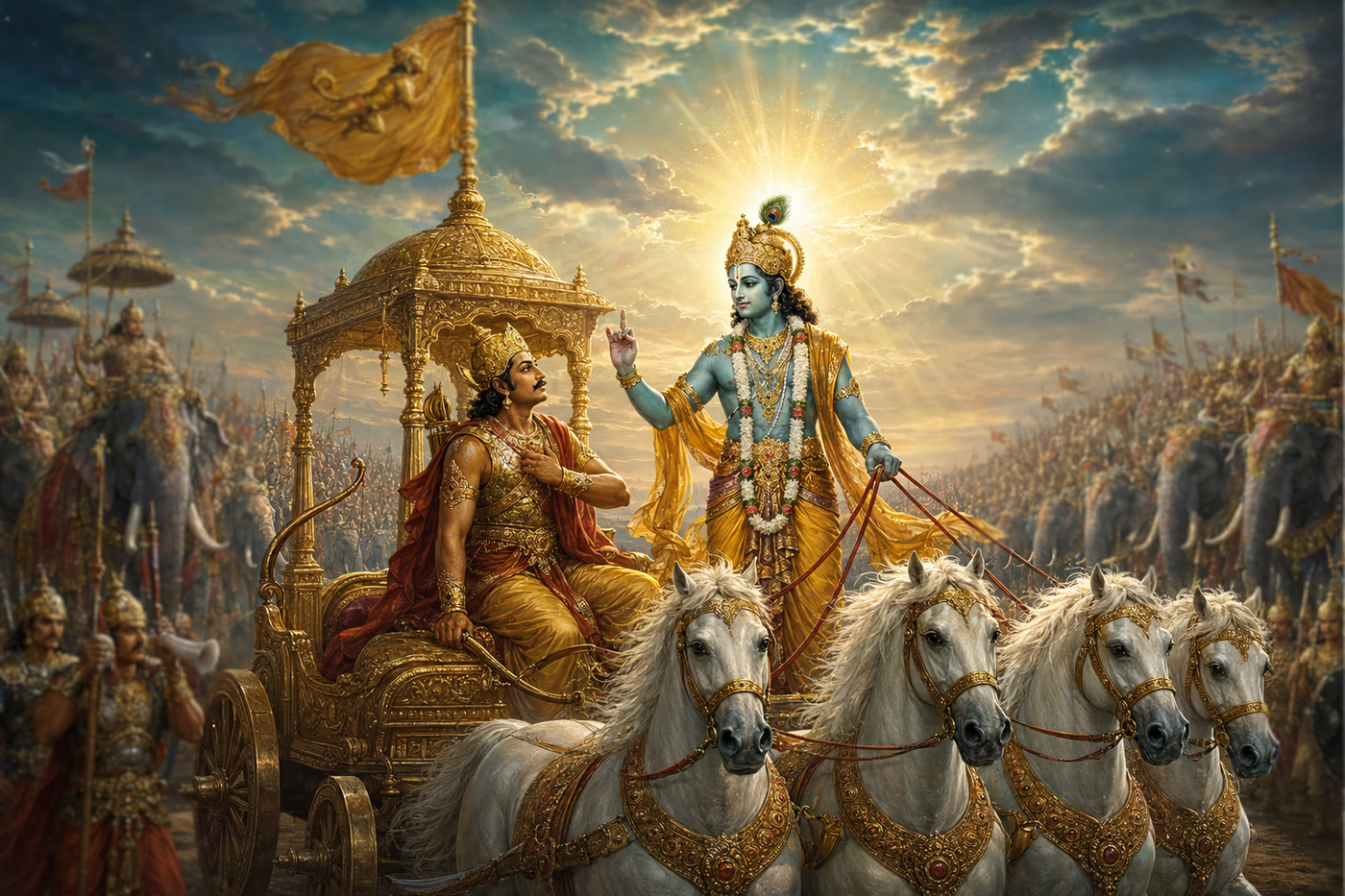
“पार्थसारथि — कुरुक्षेत्र के मध्य, दो सेनाओं के बीच”
सारथि श्रीकृष्ण रथ के आगे खड़े, दिव्य नील वर्ण, मयूरपंख-मुकुट और पीताम्बर धारण किए, हाथ में लगाम — कोई शस्त्र नहीं; पीछे रथ में अर्जुन। चार श्वेत अश्व, ध्वज पर हनुमान। कुरुक्षेत्र के मध्य वह क्षण, जब गीता कही जाने वाली है।
Krishna the charioteer stands at the front of the chariot — divine blue, peacock-feather crown and golden silks, reins in hand, no weapon; Arjuna behind him. Four white horses, Hanumān on the banner. The instant on Kurukṣetra, just before the Gītā is spoken.
जहाँ गीता का जन्म हुआ · where the Gita begins
Into that despair Krishna speaks. Not to drive a reluctant soldier back to war —
but to answer the deeper question underneath it: in a life we did not ask for and cannot escape,
how does anyone act rightly, love without fear, and stay free? His reply becomes the Bhagavad Gītā.
उसी विषाद में श्रीकृष्ण बोलते हैं। किसी अनिच्छुक योद्धा को फिर युद्ध में धकेलने के लिए नहीं —
बल्कि उसके भीतर छिपे उस गहरे प्रश्न का उत्तर देने के लिए: इस जीवन में, जिसे हमने माँगा नहीं और जिससे
भाग भी नहीं सकते — मनुष्य कैसे उचित कर्म करे, निर्भय होकर प्रेम करे, और मुक्त रहे? उनका यही उत्तर श्रीमद्भगवद्गीता बन जाता है।
कर्मण्येवाधिकारस्ते मा फलेषु कदाचन।
“You have a right to your action — never to its fruits.” — Gītā 2.47, the heart of karma-yoga
“तेरा अधिकार केवल कर्म करने में है, उसके फलों में कभी नहीं।” — गीता २·४७, कर्मयोग का सार