the one journey, eight doorways
From the story that stirs the heart, to the teaching that steadies it, to the wisdom that sees, to the technique that turns you inward — one descent, told eight ways.
Unsure where to start? Most seekers begin with the Gita — or read the full map of where to begin.
कहाँ से आरम्भ करें? अधिकांश साधक गीता से आरम्भ करते हैं — या आरम्भ करने का पूरा मार्ग पढ़ें।
Ancient manuals, stripped of magic, backed by science.
प्राचीन ग्रंथ, जादू-टोने से मुक्त, विज्ञान से प्रमाणित।
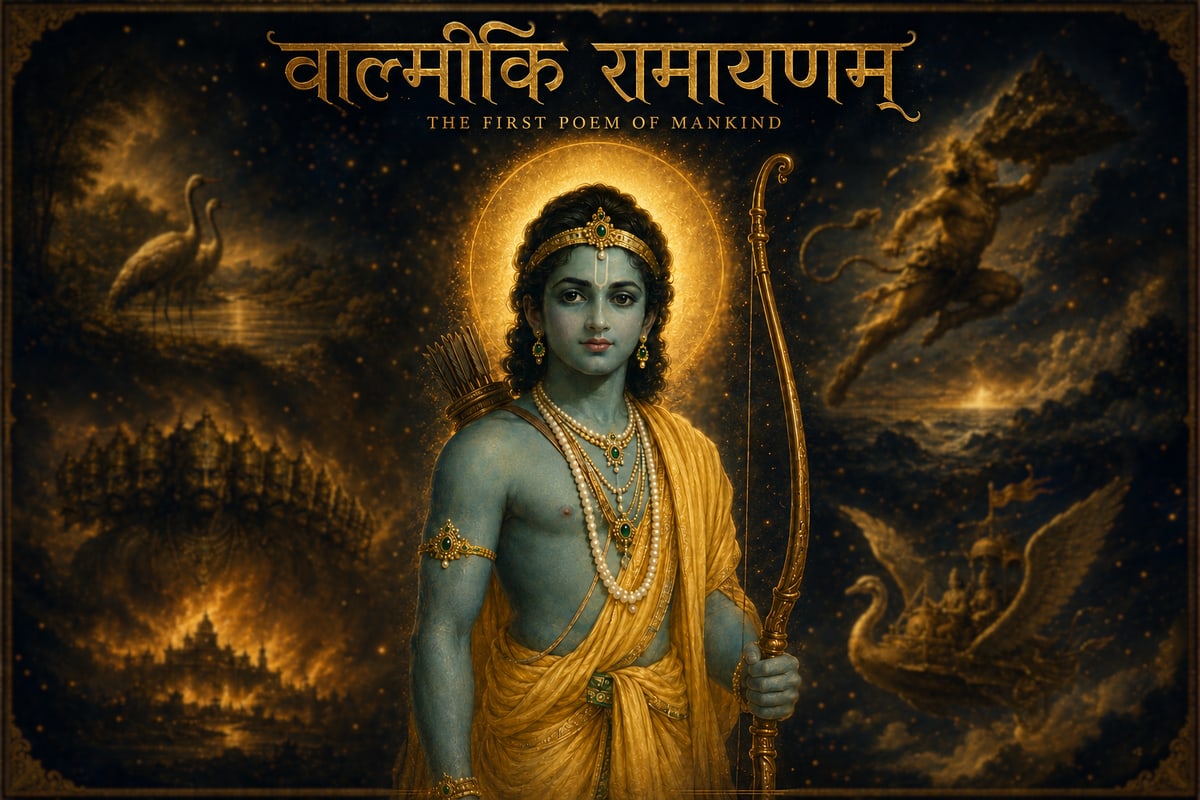
रामायणRamayan
जहाँ धर्म पृथ्वी पर चलता हैWhere dharma walks the earth — the first poem of mankind.
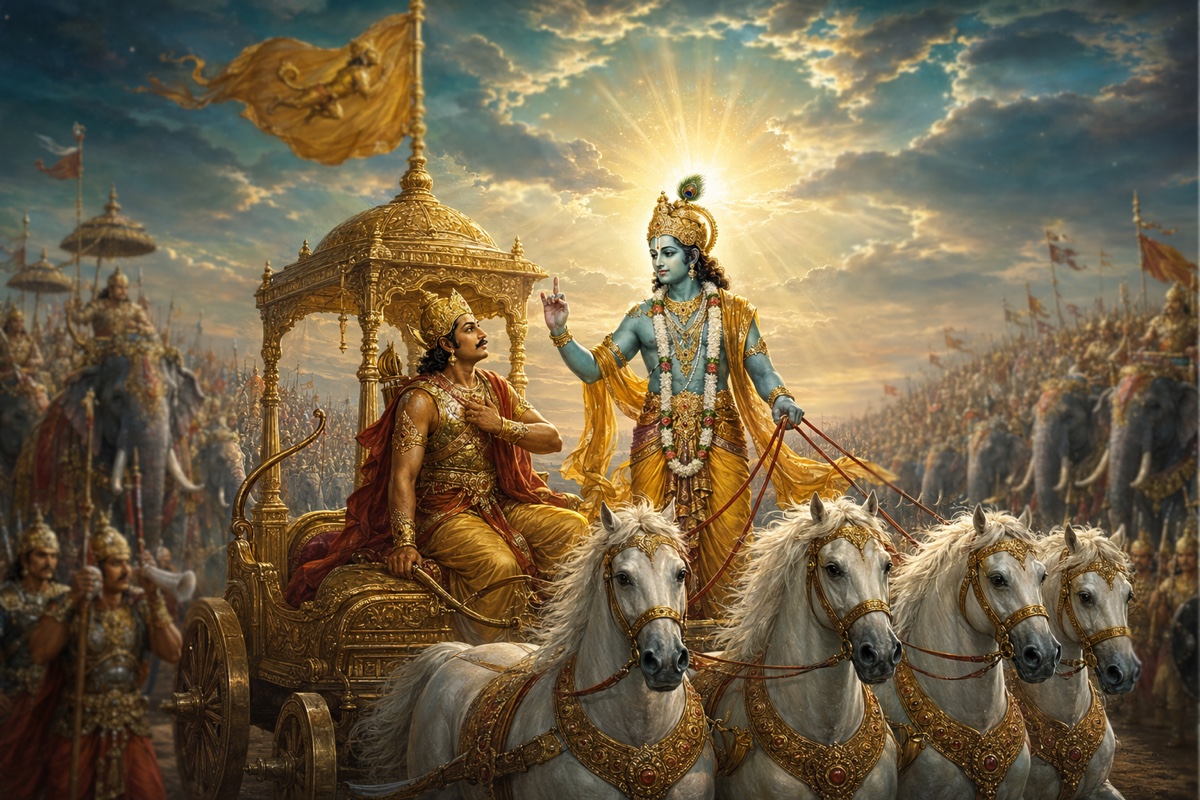
श्रीमद्भगवद्गीताBhagavad Gita
कर्म, प्रेम और मुक्ति का मार्गHow to act, to love, and to stay free — 700 verses, made plain.
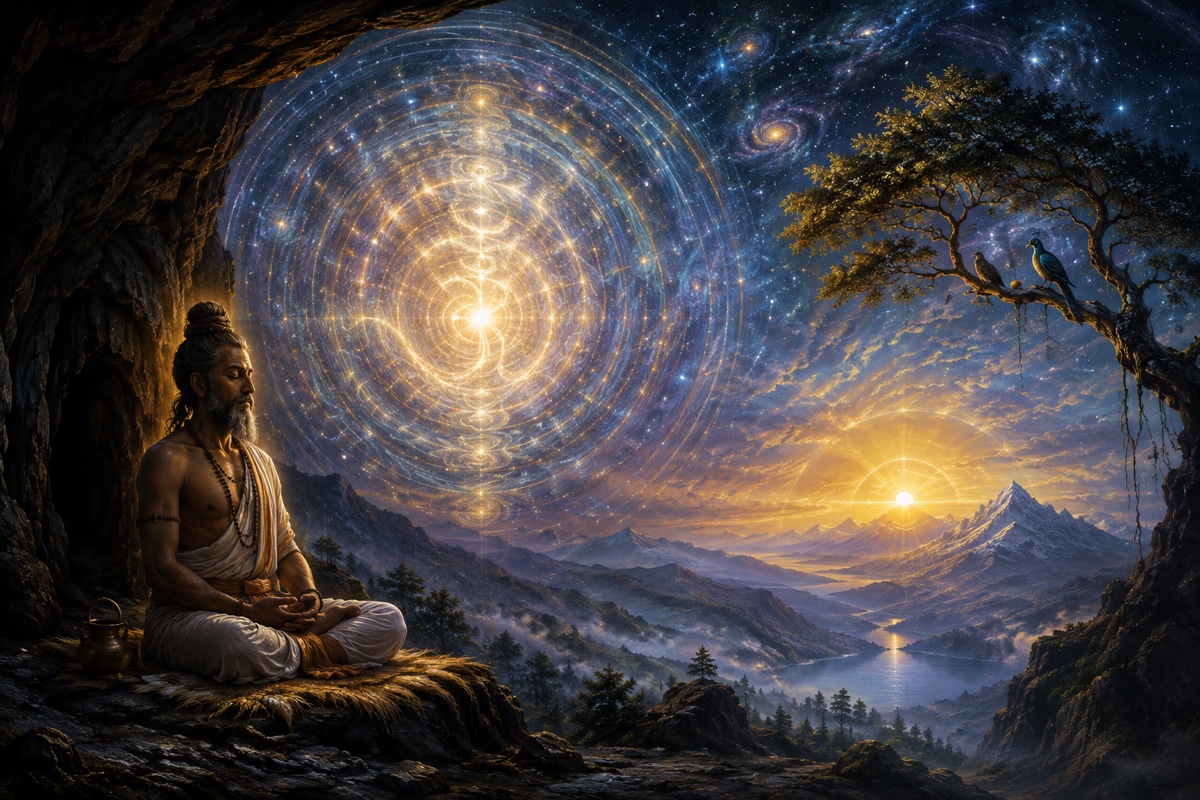
उपनिषद्Upanishads
तत्त्वमसि — तुम वही होTat tvam asi — the direct enquiry into who you really are.
विज्ञान भैरवVigyan Bhairav
चेतना में प्रवेश के ११२ द्वार112 doorways into the awareness behind the breath.
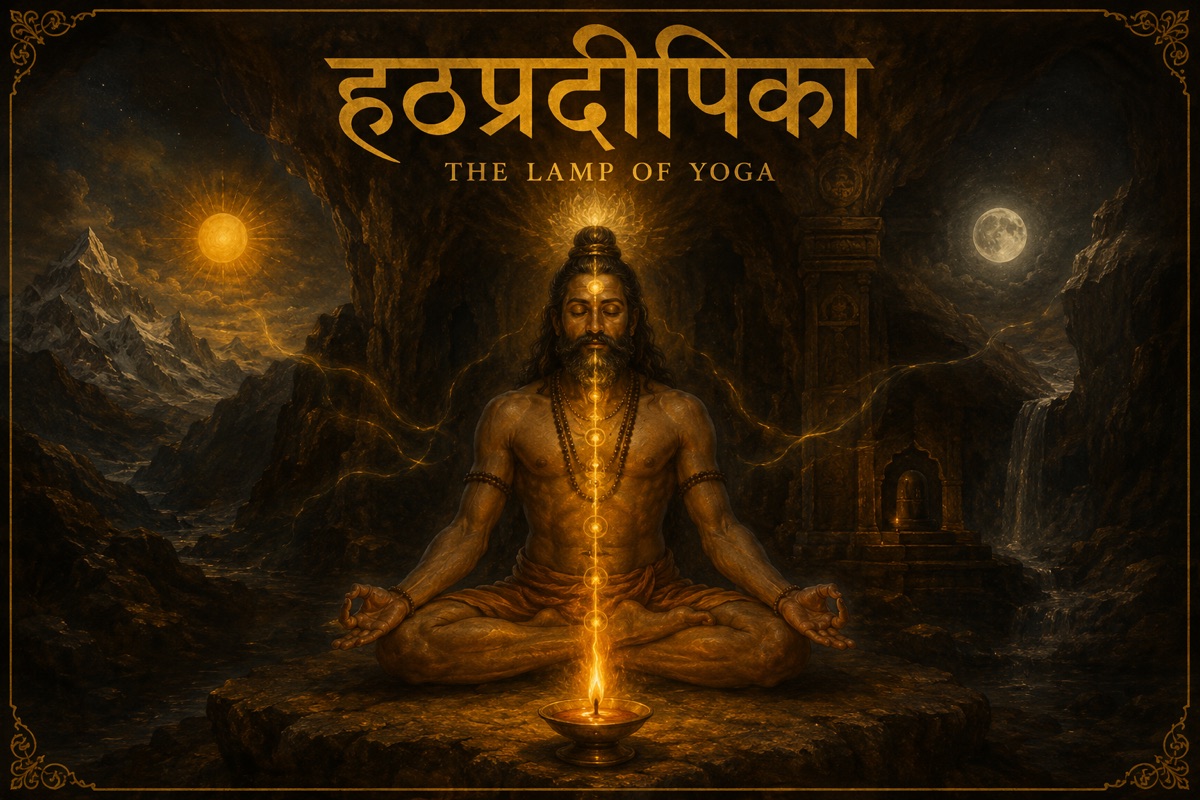
हठप्रदीपिकाHath Pradipika
शरीर और प्राण का दीपकThe lamp of the body's yog: breath, posture, the inner fire.
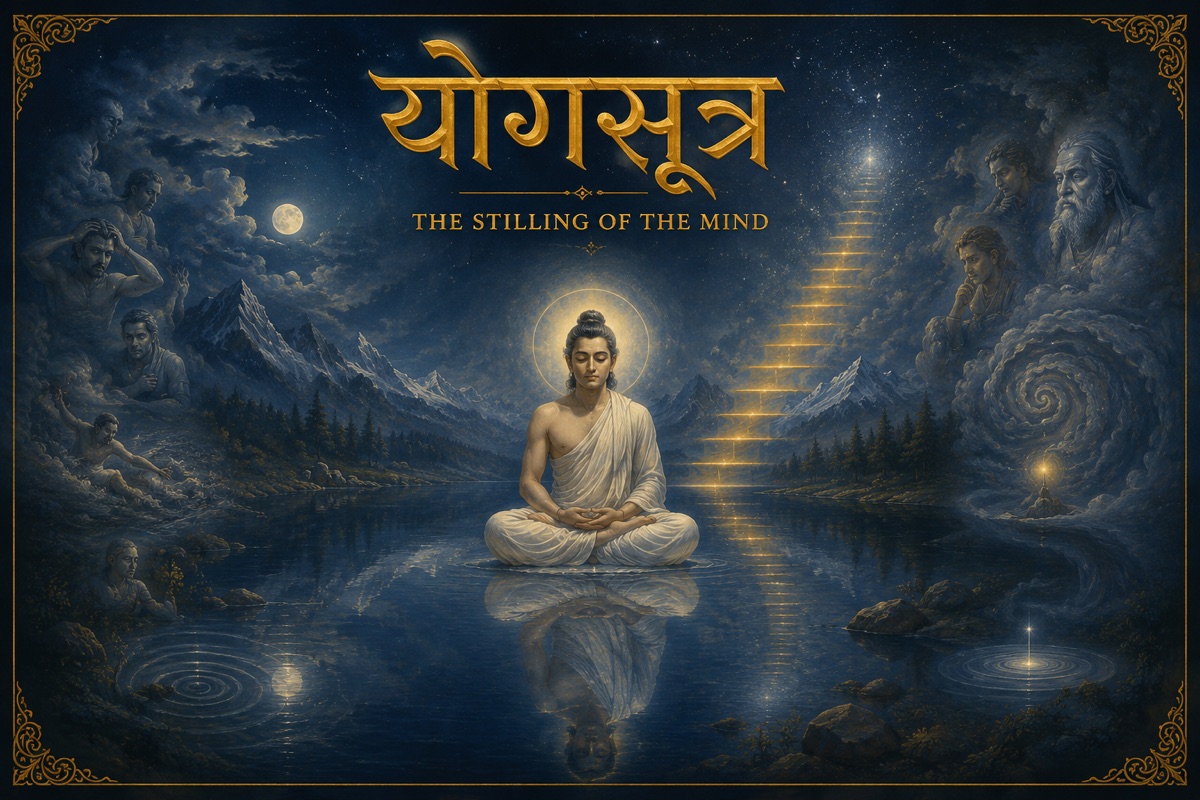
योगसूत्रYog Sutras
चित्तवृत्तिनिरोध की सीढ़ीPatanjali's ladder of stillness, the mind mapped and mastered.
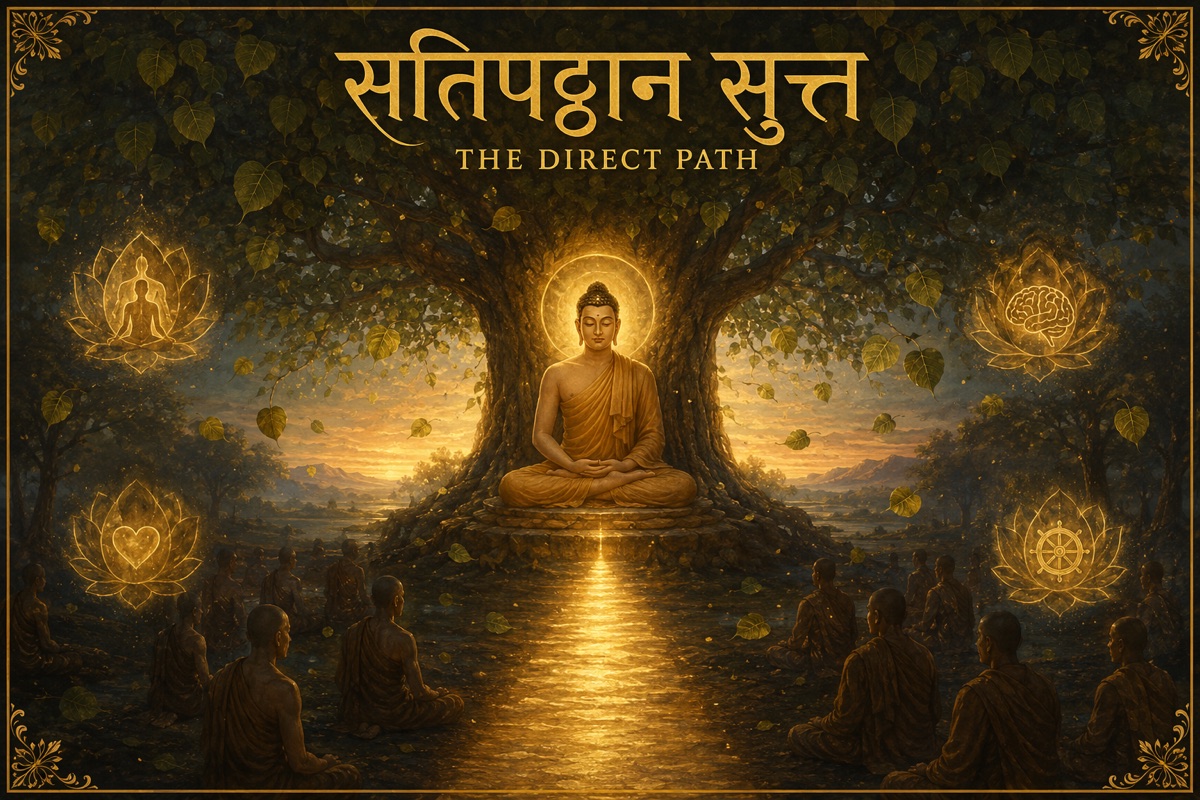
सतिपट्ठानSatipatthana Sutta
स्मृति की चार आधारशिलाएँThe Buddha's direct path, the four foundations of mindfulness.
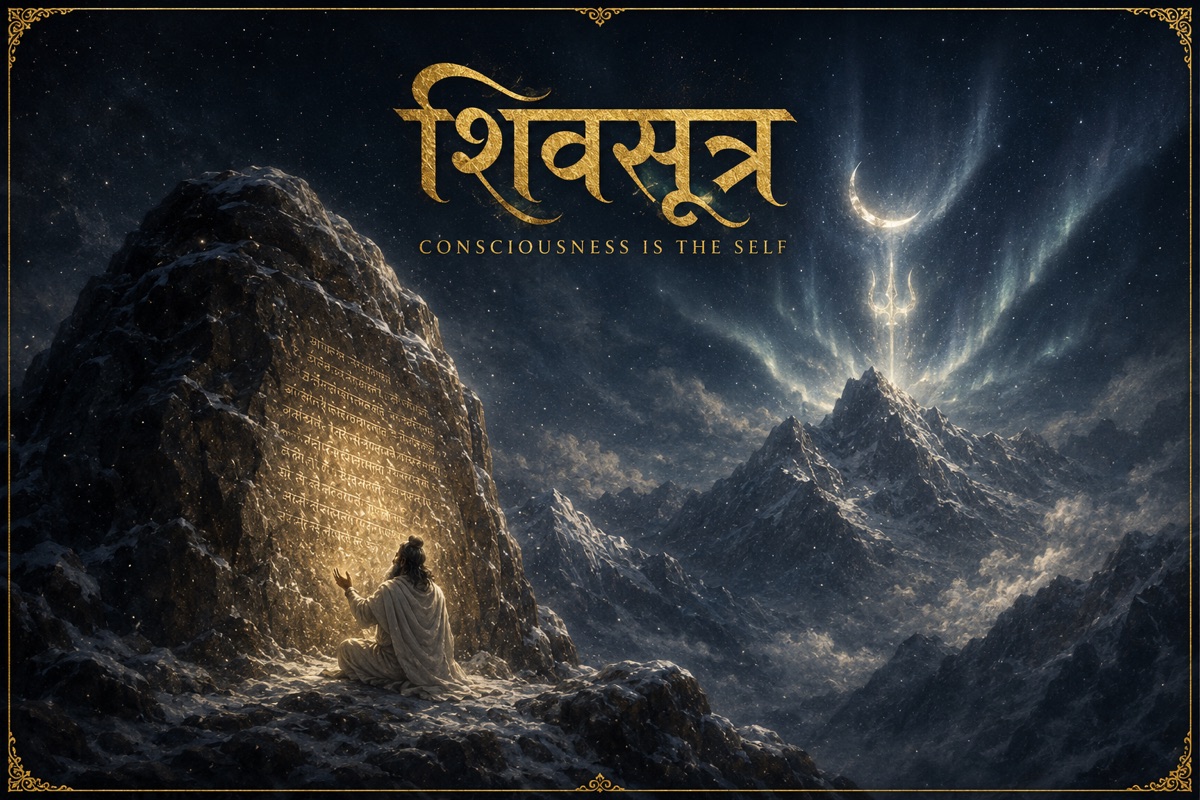
शिवसूत्रShiv Sutras
चैतन्यमात्मा — चेतना ही आत्माHow awareness becomes a person, and recognizes itself again.
क्यों · why this library exists
Be honest with yourself for a moment. Your phone is more advanced than everything NASA used to reach the Moon. And yet you cannot sit alone for ten minutes without reaching for it. We have built incredible instruments to study everything outside us.
The one instrument we actually live inside, the mind, nobody ever taught us to use.
There is even a name for the way we live now: continuous partial attention. Everywhere at once, nowhere in particular. A low hum of unease beneath everything. More information than any generation in history has held, and less peace.
And this is the part that is rarely said plainly. This exact problem was solved — not recently, and not vaguely. More than two thousand years ago, people studied the restless mind with the seriousness we reserve for physics, and they wrote down what works. What Patanjali called the turning of the mind and the Buddha called the monkey mind is the same loop you can catch in yourself right now: the voice that replays the past, frets the future, and calls that noise "you".
Quiet it, even for a single breath, and something in you loosens — and you need not take that on faith, because it is the very first thing these practices let you check.
So these books are not philosophy to frame on a wall. They are manuals. The Satipatthana Sutta teaches you to watch your own mind so closely that the knot of "me" loosens on its own. The Yog Sutras give the actual step-by-step method for letting the noise stop. The Gita shows you how to live and work while that happens. And no, the reward is not powers or wonders. The masters catalogued the powers themselves — and then warned that they are the subtlest trap of all.
The reward was always freedom.
Less fear. Less anger running the show. A steadiness that holds even when life refuses to cooperate.
Nothing here asks you to believe anything. Every room gives you the text exactly as it is, its meaning in plain words, a practice, and one invitation: try it in your own life and see what happens.
- Where honest science agrees, we say so.
- Where it does not, we say that too.
- And where a practice needs a living guru, we tell you plainly, instead of pretending a webpage can be one.
The world spends billions to study particles, and almost nothing to study the one who is looking. These books are the missing manual for the looker. That is why this library exists. Not to preserve old pages. To keep the working instructions for human freedom alive, and free, for anyone who wants to walk in.
एक क्षण के लिये अपने-आप से सच बोलिए। आपका फ़ोन उन सारे यन्त्रों से आगे है जिनसे मनुष्य चाँद तक पहुँचा था। फिर भी आप दस मिनट अकेले नहीं बैठ पाते, हाथ फ़ोन की ओर चला ही जाता है। बाहर की हर चीज़ नापने के अद्भुत यन्त्र हमने बना लिये।
पर जिस यन्त्र के भीतर हम जीते हैं, यह मन, उसे चलाना हमें किसी ने नहीं सिखाया।
आज हम जैसे जीते हैं, उसका एक नाम तक है: निरन्तर अधूरा ध्यान। एक साथ हर जगह, सच में कहीं नहीं। हर चीज़ के नीचे बेचैनी की एक धीमी गूँज। इतिहास की किसी भी पीढ़ी से अधिक जानकारी, और उससे कम शान्ति।
और यह बात लगभग कोई नहीं बताता: यह समस्या सुलझाई जा चुकी है — अभी हाल में नहीं, और अधूरे ढंग से भी नहीं। दो हज़ार वर्ष से भी पहले लोगों ने इस चंचल मन को उतनी ही गम्भीरता से परखा जितनी आज हम भौतिकी को देते हैं, और जो काम करता है उसे लिख गये। जिसे पतञ्जलि चित्त की वृत्ति कहते हैं और बुद्ध ने बन्दर जैसा मन कहा, वही चक्र आप अभी अपने भीतर पकड़ सकते हैं: वह आवाज़ जो बीते को दोहराती है, आने वाले की चिन्ता करती है, और उसी शोर को 'मैं' कह देती है। उसे एक श्वास भर के लिये भी थमने दें, और भीतर कुछ ढीला पड़ता है — और इसे मानना नहीं पड़ता, क्योंकि यही पहली बात है जिसे ये साधनाएँ आपको स्वयं जाँचने देती हैं।
इसलिये ये ग्रन्थ दीवार पर टाँगने का दर्शन नहीं हैं। ये विधि की पुस्तकें हैं। सतिपट्ठान सुत्त सिखाता है कि अपने मन को इतने पास से देखो कि 'मैं' की गाँठ अपने-आप ढीली पड़ने लगे। योगसूत्र शोर को थमने देने की सीधी, क्रम-से-क्रम विधि देते हैं। और गीता सिखाती है कि यह सब होते हुए जिया और काम किया कैसे जाये। और नहीं, इनाम कोई शक्तियाँ या चमत्कार नहीं हैं। गुरुओं ने स्वयं ये शक्तियाँ गिनाईं — और फिर चेताया कि ये सबसे सूक्ष्म जाल हैं।
इनाम सदा से मुक्ति ही थी।
कम डर। कम क्रोध का राज। एक ठहराव जो तब भी बना रहे जब ज़िन्दगी साथ न दे।
यहाँ कुछ भी मानने को नहीं कहा जाता। हर कक्ष आपको देता है: ग्रन्थ ज्यों-का-त्यों, अर्थ सीधी भाषा में, एक साधना, और एक निमन्त्रण: इसे अपने जीवन में आज़माओ और देखो क्या होता है।
- जहाँ ईमानदार विज्ञान सहमत है, हम कहते हैं।
- जहाँ नहीं है, वह भी कहते हैं।
- और जहाँ साधना को जीवित गुरु चाहिये, वहाँ साफ़ कह देते हैं, यह नहीं जताते कि कोई वेबसाइट गुरु बन सकती है।
दुनिया कणों को परखने पर अरबों लगाती है, और जो देख रहा है उस पर लगभग कुछ नहीं। ये ग्रन्थ उसी देखने वाले की खोई हुई पुस्तिका हैं। इसीलिये यह पुस्तकालय है। पुराने पन्ने सहेजने के लिये नहीं। मनुष्य की मुक्ति की काम करती हुई विधि को जीवित, और निःशुल्क, रखने के लिये। हर उस व्यक्ति के लिये जो भीतर आना चाहे।
कहाँ से आरम्भ करें · where to begin
Eight doors, one interior. You do not need all of them. You need the one that fits the seeker you are today. What are you drawn to?
Ramayan: Watch dharma walk in a human life. Let love for it come before theory.
Bhagavad Gita: The whole path in one book. Most seekers should begin here.
Upanishads: The direct enquiry into who you are.
Vigyan Bhairav: 112 small experiments in attention. Try one tonight.
Hath Pradipika: Prepare the vessel. A staircase to the higher yog.
Yog Sutras: Precise definitions, steps, stages. The engineer's door.
Satipatthana: Bare attention. Trust nothing you have not observed yourself.
Shiv Sutras: The recognition of what you are.
Choose one door. Keep practice small enough to do every day. Verify it in your own life.
Ramayan: If the heart moves first. Begin with story. Watch dharma walk in a human life, and let love for it come before theory.
Bhagavad Gita: If you want the whole path in one book: how to act, how to love, how to be still. Most seekers should begin here.
Upanishads: If your mind will not rest until it has the truth straight: who am I, what is all this. The direct enquiry.
Yog Sutras: If you want the systematic ladder: precise definitions, steps, stages, obstacles. The engineer's door into stillness.
Hath Pradipika: If the body is restless and the breath shallow. Prepare the vessel first; the text calls itself a staircase to the higher yog.
Vigyan Bhairav: If you learn by tasting, not reading: one hundred and twelve small experiments in attention. Open anywhere, try one tonight.
Satipatthana: If you trust nothing you have not observed yourself. Bare attention on four fields. No belief is asked of you at any point.
Shiv Sutras: After the others, or alongside them: the recognition of what you are, and why every one of these methods works at all.
आठ द्वार, भीतर एक ही। सबकी आवश्यकता नहीं है। आज तुम्हारा साधक-स्वभाव किस ओर खिंचता है?
रामायण: धर्म को मनुष्य-जीवन में चलते देखो।
भगवद्गीता: पूरा मार्ग एक ही ग्रन्थ में। अधिकांश साधकों को यहीं से आरम्भ करना चाहिये।
उपनिषद्: मैं कौन हूँ, यह सब क्या है। सीधी जिज्ञासा।
विज्ञान भैरव: ध्यान के ११२ छोटे प्रयोग।
हठप्रदीपिका: पहले शरीर और प्राण को सधने दो।
योगसूत्र: सटीक परिभाषाएँ और क्रमबद्ध सीढ़ी।
सतिपट्ठान: केवल उसी पर भरोसा जो स्वयं देखा हो।
शिवसूत्र: उसकी पहचान जो तुम वास्तव में हो।
एक द्वार चुनो। साधना को इतना छोटा रखो कि रोज़ हो सके। अपने जीवन में परखो।
रामायण: यदि पहले हृदय चलता है। कथा से आरम्भ करो। धर्म को एक मनुष्य-जीवन में चलते देखो; सिद्धान्त से पहले उससे प्रेम होने दो।
भगवद्गीता: यदि पूरा मार्ग एक ही ग्रन्थ में चाहिये: कर्म कैसे, प्रेम कैसे, स्थिरता कैसे, त्याग कैसे। अधिकांश साधकों को यहीं से आरम्भ करना चाहिये।
उपनिषद्: यदि मन सीधा सत्य लिये बिना मानता ही नहीं: मैं कौन हूँ, यह सब क्या है। सीधी जिज्ञासा का द्वार।
योगसूत्र: यदि क्रमबद्ध सीढ़ी चाहिये: सटीक परिभाषाएँ, चरण, अवस्थाएँ, विघ्न। स्थिरता में प्रवेश का अभियन्ता-द्वार।
हठप्रदीपिका: यदि शरीर चंचल है और श्वास उथली। पहले पात्र तैयार करो; ग्रन्थ स्वयं को ऊँचे योग तक की सीढ़ी कहता है।
विज्ञान भैरव: यदि तुम पढ़कर नहीं, चखकर सीखते हो: ध्यान के एक सौ बारह छोटे प्रयोग। कहीं से भी खोलो, एक आज रात आज़माओ।
सतिपट्ठान: यदि तुम उसी पर भरोसा करते हो जो स्वयं देखा हो। चार क्षेत्रों पर शुद्ध ध्यान। कहीं भी कोई विश्वास नहीं माँगा जाता।
शिवसूत्र: सबके बाद, या साथ-साथ: उसकी पहचान जो तुम हो, और यह कि ये सारी विधियाँ काम ही क्यों करती हैं।
A widening library of the world's inner traditions — each given whole, with care.
शिव्या के लिए · ज्योतिष्मती भवfor Shivya — may you be full of light