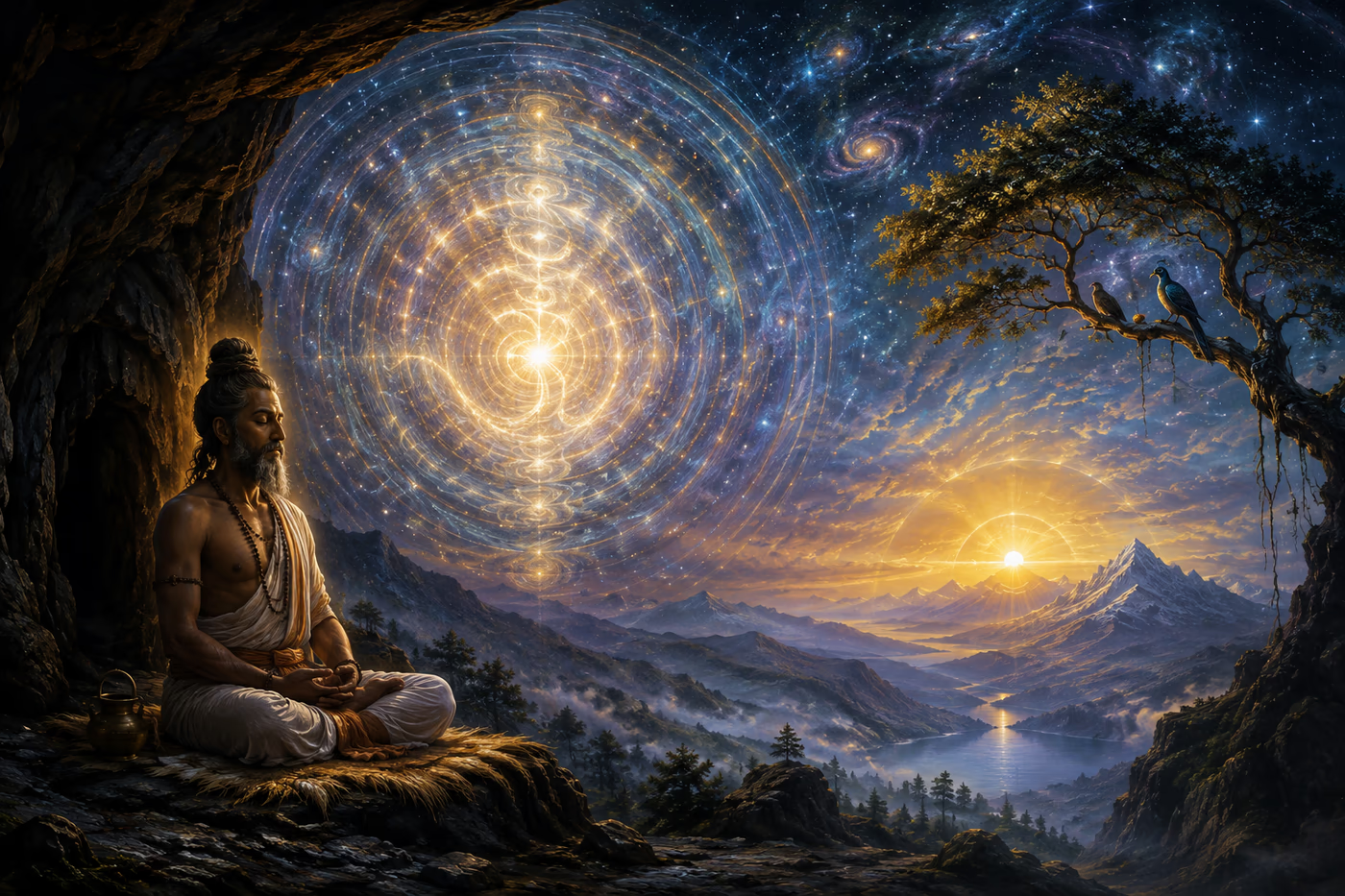
“आत्मविद्या — आँखों के पीछे जागने वाला कौन है”
At the far end of the Veda the sages fell quiet. They had asked the powers of nature for rain, for cattle, for long life — and then they turned to the one question hidden inside the one who asks: not what the world is made of, but who is awake behind the eyes. Seated near their teachers in the forest, they followed it inward — past the body, the breath, the restless mind — to the Self that all of it rests upon. And there they found the thing that startles still: that this innermost Self is not other than the ground of everything that is.
वेद के अन्तिम छोर पर ऋषि मौन हो गए। उन्होंने प्रकृति की शक्तियों से वर्षा, गौ और दीर्घ आयु माँगी थी — और फिर वे उस एक प्रश्न की ओर मुड़े जो पूछने वाले के ही भीतर छिपा है: यह नहीं कि जगत् किस वस्तु से बना है, बल्कि यह कि आँखों के पीछे जागने वाला कौन है। गुरु के समीप वन में बैठकर उन्होंने इसे भीतर-भीतर खोजा — शरीर, प्राण और चंचल मन के पार — उस आत्मा तक जिस पर यह सब टिका है। और वहाँ उन्होंने वह पाया जो आज भी चौंका देता है: कि यही अन्तरतम आत्मा समस्त सृष्टि के मूल से भिन्न नहीं है।
“आत्मविद्या — आँखों के पीछे जागने वाला कौन है”
असतो मा सद्गमय । तमसो मा ज्योतिर्गमय । मृत्योर्मामृतं गमय ॥
“Lead me from the unreal to the real, from darkness to light, from death to the deathless.”
— Bṛhadāraṇyaka Upaniṣad
“असत् से सत् की ओर मुझे ले चलो, अन्धकार से प्रकाश की ओर, मृत्यु से अमरता की ओर।”
— बृहदारण्यक उपनिषद्
These are the eleven the tradition holds closest — the principal Upaniṣads, the ones Śaṅkara himself took up and expounded. Each begins in stillness and arrives, from a new side, at the same recognition. Read them gently, one mantra at a time.
ये वे ग्यारह हैं जिन्हें परम्परा सबसे निकट रखती है — मुख्य उपनिषद्, जिन्हें स्वयं शङ्कराचार्य ने ग्रहण कर व्याख्यायित किया। प्रत्येक शान्ति से आरम्भ होता है और हर बार एक नए मार्ग से उसी एक पहचान पर पहुँचता है। इन्हें धीरे-धीरे, एक-एक मन्त्र करके पढ़ें।