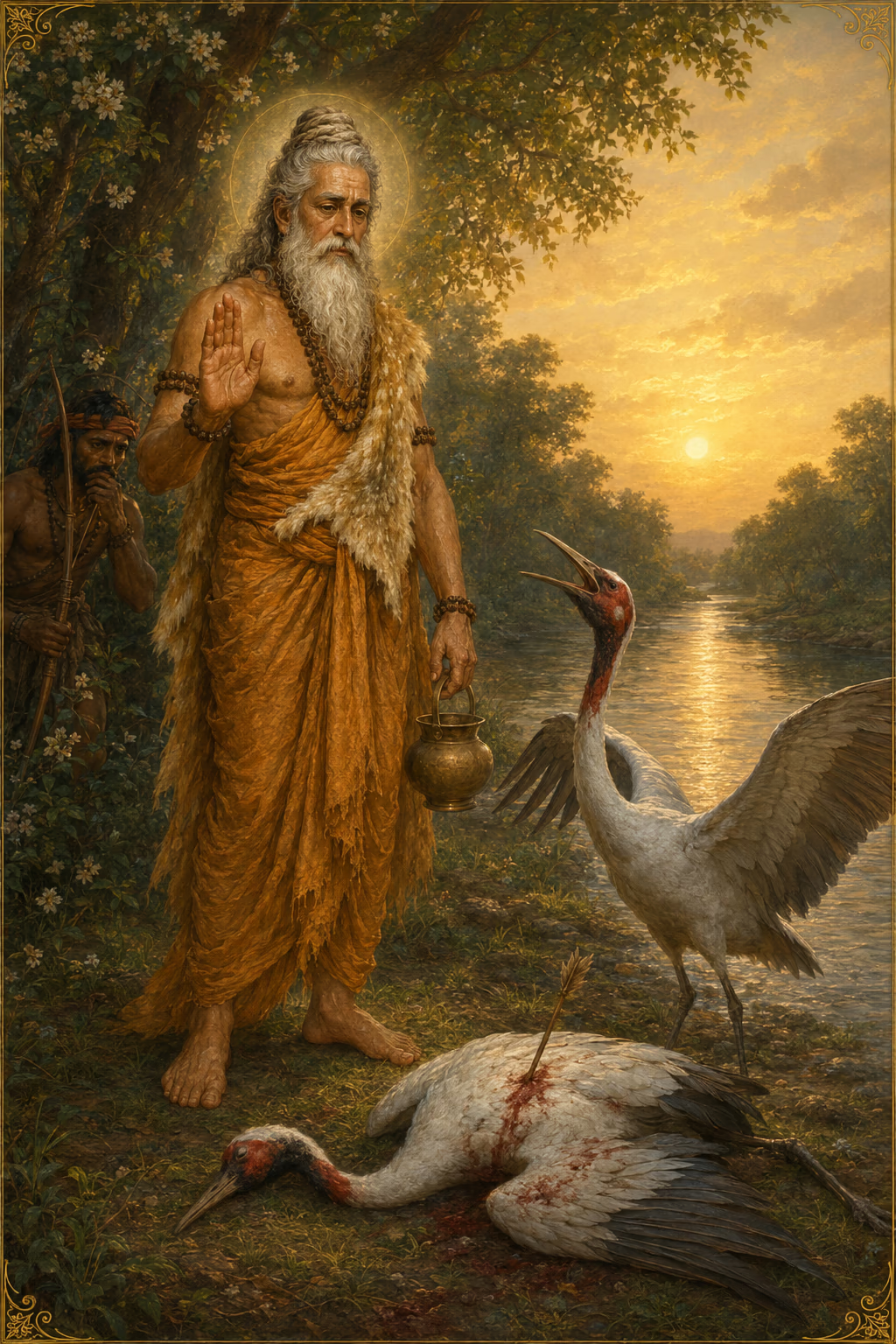
“क्रौञ्चवध — जहाँ कविता का जन्म हुआ”
॥ १ · २ · ९–१५ ॥
On the banks of the Tamasā, the sage Vālmīki watches a pair of krauñca birds in their joy — when a hunter's arrow finds the male. From the sage's grief, something the world has never heard is about to be born.
तमसा के तट पर महर्षि वाल्मीकि क्रौंच पक्षियों के जोड़े को आनन्द में निहार रहे हैं — तभी एक निषाद का बाण नर पक्षी को बेध देता है। ऋषि के शोक से कुछ ऐसा जन्म लेने वाला है, जो संसार ने पहले कभी नहीं सुना।
“क्रौञ्चवध — जहाँ कविता का जन्म हुआ”
॥ १ · २ · ९–१५ ॥
tasmāt tu mithunād ekaṁ pumāṁsaṁ pāpaniścayaḥ ।
jaghāna vairanilayo niṣādas tasya paśyataḥ ॥
उसी समय पापपूर्ण विचार रखनेवाले एक निषाद ने, जो समस्त जन्तुओं का अकारण वैरी था, वहाँ आकर पक्षियों के उस जोड़े में से एक — नर पक्षी को मुनि के देखते-देखते बाण से मार डाला।
A hunter, of cruel resolve and a dwelling-place of enmity, struck down the male of that pair of birds — while Vālmīki looked on.
Grief rises in the sage — and leaves his lips already in meter. The first śloka. The seed of the whole Rāmāyaṇa.
ऋषि के हृदय में शोक उमड़ता है — और होंठों से निकलते ही छन्द बन जाता है। पहला श्लोक। सम्पूर्ण रामायण का बीज।
mā niṣāda pratiṣṭhāṁ tvam agamaḥ śāśvatīḥ samāḥ ।
yat krauñcamithunād ekam avadhīḥ kāmamohitam ॥
✦ tap a glowing wordचमकते शब्द छुएँ ✦
"निषाद! तुझे नित्य-निरन्तर — कभी भी शान्ति न मिले; क्योंकि तूने इस क्रौञ्च के जोड़े में से एक को, जो काम से मोहित हो रहा था, बिना किसी अपराध के ही हत्या कर डाली।"
No — hunter, may you never find rest for endless years: for you struck down one of this pair of krauñca birds, lost in its moment of love.
शोकः श्लोकत्वम् आगतः
“Grief itself became verse.”
— and from this verse, Brahmā bade Vālmīki sing the whole life of Rāma.
“शोक ही श्लोक बन गया।”
— और इसी श्लोक से ब्रह्मा जी ने वाल्मीकि से सम्पूर्ण राम-चरित गाने को कहा।