चौथा अध्याय कर्म के पीछे की गहरी दृष्टि खोलता है। श्रीकृष्ण बताते हैं कि यह योग प्राचीन है — एक लम्बी परम्परा से चला आया और अब अर्जुन के लिए फिर से प्रकट किया गया — और जब-जब धर्म की हानि होती है, तब-तब वे स्वयं युग-युग में अवतार लेते हैं (४·७-८)। वे कर्म की पहेली सुलझाते हैं: ज्ञानी 'कर्म में अकर्म और अकर्म में कर्म' देखता है (४·१८) — पूरी तरह कर्मरत, फिर भी भीतर से मुक्त। अनेक प्रकार के यज्ञ बताए गए हैं, और इन सबमें श्रेष्ठ है ज्ञान-यज्ञ, क्योंकि 'ज्ञान की अग्नि समस्त कर्मों को भस्म कर देती है' (४·३७)। और वे उस ज्ञान को पाने का शाश्वत उपाय देते हैं: ज्ञानी के पास विनम्रता, सच्ची जिज्ञासा और सेवा से जाना (४·३४)।
Chapter 4 reveals the deeper vision behind action. Krishna discloses that this yoga is ancient — handed down a long lineage and now renewed for Arjuna — and that He Himself descends, age after age, whenever dharma declines (the avatāra, 4.7–8). He resolves the riddle of action: the wise see 'action in inaction, and inaction in action' (4.18) — fully engaged, yet inwardly free. Many forms of sacrifice (yajña) are named, and crowning them all is the sacrifice of knowledge, for 'the fire of knowledge burns all karma to ashes' (4.37). And He gives the timeless method for receiving that knowledge: approach a knower with humility, sincere questioning, and service (4.34).
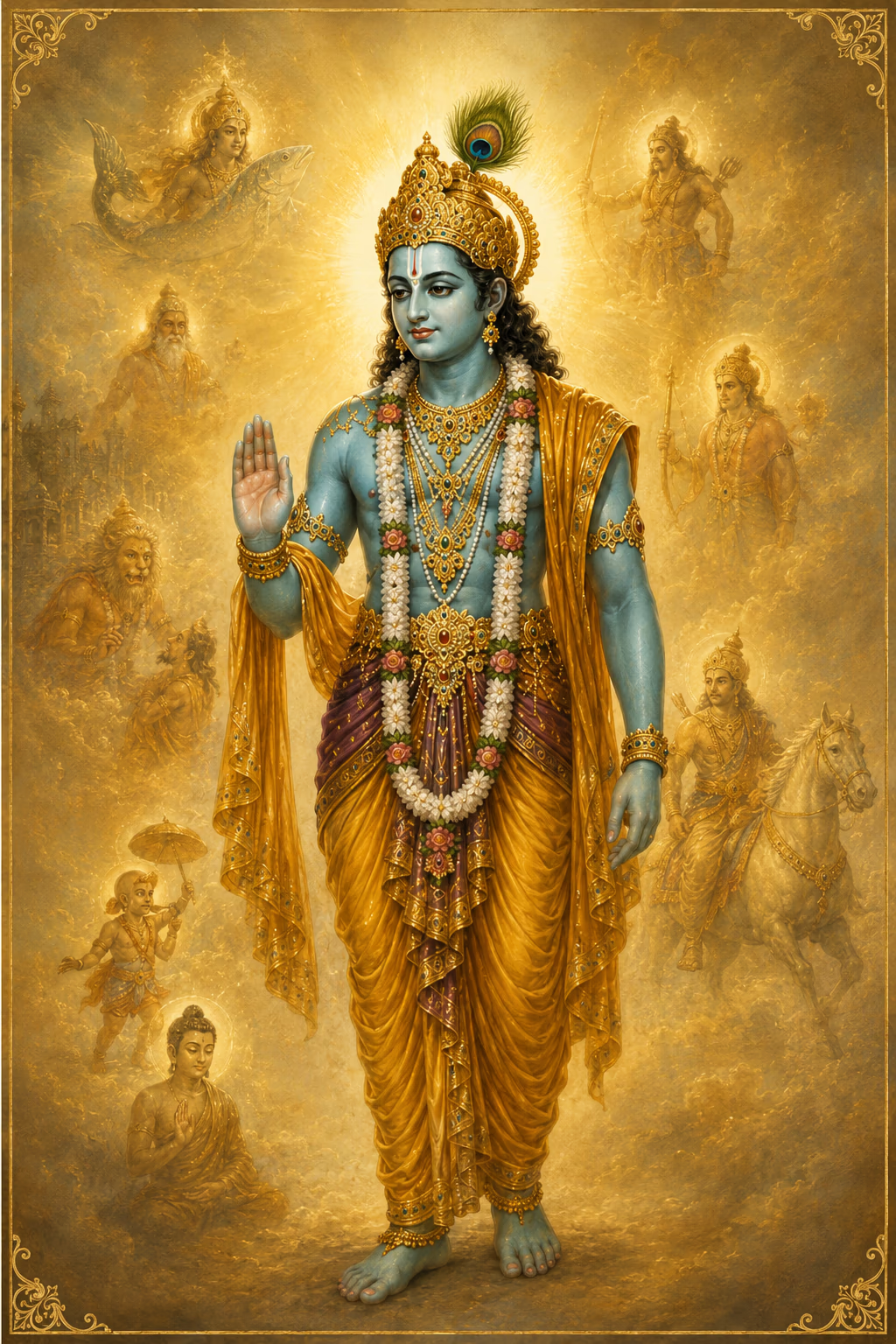
“अवतार — यदा यदा हि धर्मस्य ग्लानिः” ॥ ७–८ ॥ · मूल चित्र — इस परियोजना हेतु
दिव्य स्वर्ण-प्रकाश में तेजोमय श्रीकृष्ण अभय-मुद्रा में खड़े हैं; पीछे युगों-युगों के अवतारों की कोमल आभा प्रकाश में घुली हुई।
Haloed in golden light, the radiant Krishna stands in the gesture of reassurance; behind him the divine descents of every age dissolve softly into light.
श्री भगवान् बोले—मैंने इस अविनाशी योग को सूर्य से कहा था, सूर्य ने अपने पुत्र वैवस्वत मनु से कहा और मनु ने अपने पुत्र इक्ष्वाकु से कहा
The Blessed Lord said: I taught this imperishable yoga to Vivasvān, the sun-god; Vivasvān told it to Manu, and Manu spoke it to Ikṣvāku.
सरल अर्थ: श्रीभगवान् कहते हैं — इस अविनाशी योग को मैंने सबसे पहले सूर्यदेव विवस्वान् को सिखाया था। विवस्वान् ने इसे अपने पुत्र मनु को बताया, और मनु ने इसे राजा इक्ष्वाकु को कहा। इस तरह यह ज्ञान गुरु-शिष्य परम्परा से एक के बाद एक चलता आया।In simple words: Krishna says this teaching is not new — He first gave it to the sun-god long ago, who passed it to Manu, who passed it to King Ikshvaku. It came down through an unbroken line of teacher to student.
हे परन्तप अर्जुन ! इस प्रकार परम्परा से प्राप्त इस योग को राजर्षियोंने जाना; किंतु उसके बाद वह योग बहुत काल से इस पृथ्वी लोक में लुप्तप्राय हो गया
Thus received through succession, the royal sages knew this yoga; but over the long course of time, O scorcher of foes, this yoga was lost in the world.
सरल अर्थ: इसी गुरु-परम्परा से प्राप्त इस योग को राजर्षि (राजा भी और ऋषि भी, ऐसे महापुरुष) जानते थे। परन्तु हे परंतप (अर्जुन)! बहुत लम्बा समय बीत जाने के कारण यह योग इस संसार में लुप्त-सा हो गया।In simple words: The saintly kings of old knew this yoga because it was handed down to them. But as a very long time passed, the teaching faded away and was nearly lost.
sa evāyaṁ mayā te'dya yogaḥ proktaḥ purātanaḥ । bhakto'si me sakhā ceti rahasyaṁ hyetaduttamam ॥
तू मेरा भक्त और प्रिय सखा है, इसलिये वही यह पुरातन योग आज मैंने तुझको कहा है; क्योंकि यह बड़ा ही उत्तम रहस्य है अर्थात् गुप्त रखने योग्य विषय है
That very same ancient yoga is today declared by Me to you, for you are My devotee and My friend; this is the supreme secret.
सरल अर्थ: वही प्राचीन योग आज मैंने तुझसे कहा है, क्योंकि तू मेरा भक्त है और मेरा प्रिय सखा भी है। यही तो वह सर्वोत्तम रहस्य है, जो योग्य और प्रेमी शिष्य को ही दिया जाता है।In simple words: Krishna tells Arjuna: that same age-old teaching I am now giving to you, because you are both My devotee and My dear friend. This is the highest secret — shared only with one who is ready and loving.
अर्जुन बोले—आपका जन्म तो अर्वाचीन—अभी हाल का है और सूर्य का जन्म बहुत पुराना है अर्थात् कल्प के आदि में हो चुका था; तब मैं इस बात को कैसे समझूँ कि आप ही ने कल्प के आदि में सूर्य से यह योग कहा था
Arjuna said: Your birth was later, and the birth of Vivasvān was earlier; how then am I to understand that You taught this in the beginning?
सरल अर्थ: अर्जुन पूछते हैं — आपका जन्म तो अभी हाल का है, और विवस्वान् (सूर्य) का जन्म तो बहुत पहले हुआ था। फिर मैं यह कैसे समझूँ कि सृष्टि के आरम्भ में आपने ही उन्हें यह योग बताया था?In simple words: Arjuna is puzzled: You were born recently, but the sun-god lived ages ago. So how can it be true that You taught this to him long, long back? It does not seem to add up.
bahūni me vyatītāni janmāni tava cārjuna । tānyahaṁ veda sarvāṇi na tvaṁ vettha parantapa ॥
श्रीभगवान् बोले—हे परन्तप अर्जुन ! मेरे और तेरे बहुत-से जन्म हो चुके हैं। उन सबको तू नहीं जानता, किंतु मैं जानता हूँ
The Blessed Lord said: Many births of Mine have passed, and of yours too, O Arjuna; I know them all, but you do not know them, O scorcher of foes.
सरल अर्थ: श्रीभगवान् कहते हैं — हे अर्जुन! मेरे और तेरे बहुत-से जन्म बीत चुके हैं। उन सब जन्मों को मैं जानता हूँ, परन्तु हे परंतप! तू उन्हें नहीं जानता। यही हम दोनों में अन्तर है।In simple words: Krishna answers: both you and I have lived through many past lives. The difference is — I remember every one of them, but you do not. That is why My appearing before the sun-god is no contradiction.
ajo'pi sannavyayātmā bhūtānāmīśvaro'pi san । prakṛtiṁ svāmadhiṣṭhāya sambhavāmyātmamāyayā ॥
मैं अजन्मा और अविनाशी स्वरूप होते हुए भी तथा समस्त प्राणियों का ईश्वर होते हुए भी अपनी प्रकृति को अधीन करके अपनी योगमाया से प्रकट होता हूँ
Though I am unborn and of imperishable nature, and though I am the Lord of all beings, yet abiding in My own Prakṛti I come into being through My own Māyā.
सरल अर्थ: यद्यपि मैं अजन्मा हूँ, मेरा स्वरूप अविनाशी है, और मैं समस्त प्राणियों का ईश्वर हूँ, फिर भी अपनी प्रकृति को अपने अधीन रखकर, अपनी ही योगमाया की शक्ति से मैं (अवतार रूप में) प्रकट होता हूँ।In simple words: Even though I am never born, never decay, and am the Lord of all creatures, I still take birth — not forced by karma like ordinary beings, but by My own free divine power (Maya), keeping My nature fully under My control.
हे भारत ! जब-जब धर्म की हानि और अधर्म की वृद्धि होती है, तब-तब ही मैं अपने रूप को रचता हूँ अर्थात् साकार रूप से लोगों के सम्मुख प्रकट होता हूँ
Whenever there is a decline of dharma, O Bhārata, and a rise of adharma, then I send forth Myself.
सरल अर्थ: हे भारत (अर्जुन)! जब-जब धर्म की हानि होती है और अधर्म बढ़ने लगता है, तब-तब मैं अपने आप को (अवतार के रूप में) रचता हूँ, अर्थात् स्वयं प्रकट होता हूँ।In simple words: Krishna gives the famous promise: in every age, whenever goodness and righteousness weaken and wrong-doing grows strong, I appear in the world Myself to set things right.
साधु पुरुषों का उद्धार करने के लिये, पाप-कर्म करने वालों का विनाश करने के लिये और धर्म की अच्छी तरह से स्थापना करने के लिये मैं युग-युग में प्रकट हुआ करता हूँ
For the protection of the good, for the destruction of the wicked, and for the firm establishing of dharma, I come into being age after age.
सरल अर्थ: साधु-पुरुषों की रक्षा करने के लिए, दुष्कर्म करने वालों का नाश करने के लिए, और धर्म को भलीभाँति स्थापित करने के लिए मैं हर युग में प्रकट होता रहता हूँ।In simple words: Why does He come? To protect the good and gentle, to remove those who do great harm, and to firmly re-establish righteousness — and He does this again and again, in every age.
janma karma ca me divyam evaṁ yo vetti tattvataḥ । tyaktvā dehaṁ punarjanma naiti mām eti so 'rjuna ॥
हे अर्जुन ! मेरे जन्म और कर्म दिव्य अर्थात् निर्मल और अलौकिक हैं—इस प्रकार जो मनुष्य तत्त्व से जान लेता है, वह शरीर को त्यागकर फिर जन्म को प्राप्त नहीं होता, किंतु मुझे ही प्राप्त होता है
My birth and My action are divine. One who knows this in truth, O Arjuna, is not born again on leaving the body — he comes to Me.
सरल अर्थ: मेरा जन्म और मेरे कर्म दिव्य हैं — साधारण मनुष्य की तरह नहीं। हे अर्जुन! जो इस सत्य को ठीक-ठीक जान लेता है, वह शरीर छोड़ने पर फिर जन्म नहीं लेता; वह मुझे ही प्राप्त कर लेता है। भगवान के अवतार और लीला को सही रूप में समझ लेना ही मुक्ति का द्वार है।In simple words: Krishna's coming into the world and His deeds are not ordinary — they are divine. Whoever truly understands this is freed from rebirth and reaches God. Rightly knowing the avatara is itself liberating.
पहले भी, जिनके राग, भय और क्रोध सर्वथा नष्ट हो गये थे और जो मुझ में अनन्य प्रेमपूर्वक स्थित रहते थे, ऐसे मेरे आश्रित रहने वाले बहुत से भक्त उपर्युक्त ज्ञानरूप तपसे पवित्र होकर मेरे स्वरूप को प्राप्त हो चुके हैं
Freed from attachment, fear, and anger, absorbed in Me and taking refuge in Me, purified by the austerity of knowledge, many have attained My state of being.
सरल अर्थ: जो आसक्ति, भय और क्रोध से रहित हो गए, जिनका मन मुझमें ही रम गया, जिन्होंने मेरा ही आश्रय लिया — ऐसे बहुत-से साधक ज्ञानरूपी तप से पवित्र होकर मेरे स्वरूप को प्राप्त हो चुके हैं। यह कोई नई बात नहीं; अनेक भक्त इसी मार्ग से मुझ तक पहुँचे हैं।In simple words: Many people before have reached God's own nature — by dropping clinging, fear and anger, by resting their mind wholly in Him, and by being purified through the 'fire' of true knowledge. This path is proven, not new.
ye yathā māṁ prapadyante tāṁs tathaiva bhajāmy aham । mama vartmānuvartante manuṣyāḥ pārtha sarvaśaḥ ॥
हे अर्जुन ! जो भक्त मुझे जिस प्रकार भजते हैं, मैं भी उनको उसी प्रकार भजता हूँ; क्योंकि सभी मनुष्य सब प्रकार से मेरे ही मार्ग का अनुसरण करते हैं
In whatever way people approach Me, in that very way do I accept them; for in all respects, O Partha, men follow My path.
सरल अर्थ: हे पार्थ! जो भक्त जिस भाव से मेरी शरण आते हैं, मैं भी उन्हें उसी भाव से अपनाता हूँ। मनुष्य सब प्रकार से मेरे ही मार्ग का अनुसरण करते हैं। भगवान सबकी भावना के अनुसार उन्हें फल देते हैं — किसी के प्रति पक्षपात नहीं।In simple words: God responds to each person exactly in the spirit in which they turn to Him. Whatever path people sincerely walk, it ultimately leads to Him. He gives back according to how we come — no favoritism.
इस मनुष्य लोक में कर्मों के फल को चाहने वाले लोग देवताओं का पूजन किया करते हैं; क्योंकि उनको कर्मों से उत्पन्न होने वाली सिद्धि शीघ्र मिल जाती है
Those who desire the fruits of their actions worship the gods here; for quickly, in this human world, success born of action is gained.
सरल अर्थ: जो लोग अपने कर्मों के फल की शीघ्र प्राप्ति चाहते हैं, वे इस लोक में देवताओं की पूजा करते हैं; क्योंकि मनुष्य-लोक में कर्म से उत्पन्न होने वाली सिद्धि (फल) जल्दी मिल जाती है। पर यह फल सीमित और नाशवान होता है।In simple words: People who want fast, worldly results worship various gods, because such action-based success comes quickly in the human world. But these rewards are limited and short-lived.
ब्राह्मण, क्षत्रिय, वैश्य और शूद्र—इन चार वर्णों का समूह, गुण और कर्मों के विभागपूर्वक मेरे द्वारा रचा गया है। इस प्रकार उस सृष्टि-रचनादि कर्म का कर्ता होने पर भी मुझ अविनाशी परमेश्वर को तू वास्तव में अकर्ता ही जान
The fourfold order was created by Me according to the divisions of quality and action. Though I am its creator, know Me to be the non-doer, the changeless.
सरल अर्थ: गुण और कर्म के विभाग के अनुसार चार वर्णों (समाज की व्यवस्था) की रचना मैंने ही की है। यद्यपि मैं इसका कर्ता हूँ, फिर भी मुझे अकर्ता और अविनाशी ही जानो। भगवान सृष्टि करते हुए भी कर्म से लिप्त नहीं होते — यह वर्ण जन्म से नहीं, गुण-कर्म से तय होता है।In simple words: Krishna says He arranged the four social classes based on inner qualities and the work people do — not by birth. Even though He is the maker, He stays untouched and unchanging, never bound by what He creates.
na māṁ karmāṇi limpanti na me karmaphale spṛhā । iti māṁ yo 'bhijānāti karmabhir na sa badhyate ॥
कर्मों के फल में मेरी स्पृहा नहीं है, इसलिये मुझे कर्म लिप्त नहीं करते—इस प्रकार जो मुझे तत्त्व से जान लेता है, वह भी कर्मों से नहीं बँधता
Actions do not taint Me, nor have I any longing for the fruit of action. One who knows Me thus is not bound by actions.
सरल अर्थ: कर्म मुझे लिप्त नहीं करते, क्योंकि मुझे कर्म के फल की कोई इच्छा ही नहीं है। जो मुझे इस प्रकार (फल की कामना से रहित) जान लेता है, वह भी कर्मों से नहीं बँधता। निष्काम भाव से किया कर्म बंधन का कारण नहीं बनता।In simple words: Because God has no craving for results, His actions never stain Him. Whoever understands this and works the same way — without selfish desire for the fruit — is also never tied down by their actions.
evaṁ jñātvā kṛtaṁ karma pūrvair api mumukṣubhiḥ । kuru karmaiva tasmāt tvaṁ pūrvaiḥ pūrvataraṁ kṛtam ॥
पूर्वकाल के मुमुक्षुओं ने भी इस प्रकार जानकर ही कर्म किये हैं। इसलिये तू भी पूर्वजों द्वारा सदा से किये जाने वाले कर्मों को ही कर
Knowing this, the ancient seekers of liberation also performed action. Therefore do you too perform action, as was done by the ancients in former times.
सरल अर्थ: इस तत्त्व को जानकर ही प्राचीन काल के मुमुक्षु (मोक्ष चाहने वाले) महापुरुषों ने भी कर्म किया है। इसलिए तू भी पूर्वजों द्वारा प्राचीन काल में किए गए ढंग से ही कर्म कर। ज्ञानी होने पर भी कर्म छोड़ना नहीं, बल्कि अनासक्त भाव से करते रहना है।In simple words: Even the wise ones of old who sought freedom kept acting, with this understanding. So Krishna tells Arjuna: you too should act, just as those before you did. Wisdom does not mean quitting work — it means working without attachment.
kiṁ karma kim akarmeti kavayo 'py atra mohitāḥ । tat te karma pravakṣyāmi yaj jñātvā mokṣyase 'śubhāt ॥
कर्म क्या है ? और अकर्म क्या है ?—इस प्रकार इसका निर्णय करने में बुद्धिमान् पुरुष भी मोहित हो जाते हैं। इसलिये वह कर्मतत्त्व मैं तुझे भलीभाँति समझाकर कहूँगा, जिसे जानकर तू अशुभ से अर्थात् कर्मबन्धन से मुक्त हो जायेगा
What is action and what is inaction? Even the wise are bewildered in this. I shall explain to you that action, knowing which you shall be freed from evil.
सरल अर्थ: कर्म क्या है और अकर्म (कर्म न करना) क्या है — इस विषय में बड़े-बड़े बुद्धिमान भी मोहित हो जाते हैं। इसलिए मैं तुझे वह कर्म-तत्त्व भली-भाँति बताऊँगा, जिसे जानकर तू अशुभ (संसार-बंधन) से मुक्त हो जाएगा। आगे श्रीकृष्ण कर्म का गूढ़ रहस्य खोलते हैं।In simple words: Telling apart real action from inaction confuses even clever, learned people. So Krishna promises to explain this deep truth about action — and understanding it frees one from harm and bondage. This sets up the famous teaching that follows.
कर्मका स्वरूप भी जानना चाहिये और अकर्म का स्वरूप भी जानना चाहिये; तथा निषिद्ध कर्म का स्वरूप भी जानना चाहिए; क्योंकि कर्म की गति गहन है
One must understand the nature of action, and also of forbidden action, and likewise of inaction; for the true path of action is profound and hard to fathom.
सरल अर्थ: कर्म का सच्चा स्वरूप समझना बहुत ज़रूरी है। ठीक कर्म कौन-सा है, निषिद्ध (मना किया हुआ) कर्म कौन-सा है, और अकर्म (कर्म न करना) क्या है — ये तीनों जानने योग्य हैं। कर्म की गति बहुत गहरी और रहस्यमयी है, इसे साधारण समझ से पकड़ पाना आसान नहीं।In simple words: You must clearly understand three things: what is right action, what is wrong (forbidden) action, and what counts as inaction. The truth about action is deep and subtle — not as simple as it looks on the surface.
karmaṇyakarma yaḥ paśyedakarmaṇi ca karma yaḥ । sa buddhimānmanuṣyeṣu sa yuktaḥ kṛtsnakarmakṛt ॥
जो मनुष्य कर्म में अकर्म देखता है और जो अकर्म में कर्म देखता है, वह मनुष्यों में बुद्धिमान् है और वह योगी समस्त कर्मों को करने वाला है
One who sees inaction in action, and action in inaction, is wise among men; he is a yogi, accomplished in all his works.
सरल अर्थ: जो मनुष्य कर्म करते हुए भी उसमें अकर्म देखता है (अर्थात् फल की आसक्ति और कर्तापन के अहंकार से मुक्त रहता है), और जो कर्म न करते हुए भी उसमें कर्म का सूक्ष्म रूप पहचानता है — वही सच्चा बुद्धिमान है। वही योगी है और सब कार्य करते हुए भी कृतकृत्य है।In simple words: The truly wise person sees freedom (inaction) even while busily acting — because he acts without ego or craving for results. And he recognizes that even sitting still can carry hidden action. Such a person is a real yogi and has done everything worth doing.
जिसके सम्पूर्ण शास्त्रसम्मत कर्म बिना कामना और संकल्प के होते हैं तथा जिसके समस्त कर्म ज्ञानरूप अग्नि के द्वारा भस्म हो गये हैं, उस महापुरुष को ज्ञानीजन भी पण्डित कहते हैं
He whose every undertaking is free from selfish desire and self-willed motive, whose actions are burned up in the fire of knowledge — him the wise call truly learned.
सरल अर्थ: जिस व्यक्ति के सभी कार्यों के आरम्भ कामना और स्वार्थपूर्ण संकल्प से रहित होते हैं, और जिसके सारे कर्म ज्ञान रूपी अग्नि में जलकर भस्म हो चुके होते हैं — ज्ञानीजन उसे ही सच्चा पण्डित कहते हैं।In simple words: When someone begins every task without selfish wanting or scheming, and his actions have been burned away in the fire of true knowledge, the wise call him a genuinely learned person — not just book-smart, but free.
जो पुरुष समस्त कर्मों में और उनके फल में आसक्ति का सर्वथा त्याग करके संसार के आश्रय से रहित हो गया है और परमात्मा में नित्यतृप्त है, वह कर्मों में भलीभाँति बर्तता हुआ भी वास्तव में कुछ भी नहीं करता
Having abandoned all attachment to the fruits of action, ever content and dependent on nothing, though fully engaged in action he does nothing at all.
सरल अर्थ: जो कर्मफल की आसक्ति को पूरी तरह त्याग चुका है, जो सदा अपने-आप में सन्तुष्ट रहता है और किसी बाहरी सहारे का मोहताज नहीं — वह कर्म में भलीभाँति लगा होने पर भी वास्तव में कुछ नहीं करता (कर्मबन्धन उसे नहीं बाँधते)।In simple words: When a person has dropped all clinging to results, stays inwardly content, and leans on nothing outside himself, then even though he is fully busy acting, he is not really 'doing' anything — because action no longer binds him.
जिसका अन्तःकरण और इन्द्रियों के सहित शरीर जीता हुआ है और जिसने समस्त भोगों की सामग्री का परित्याग कर दिया है, ऐसा आशारहित पुरुष केवल शरीर-सम्बन्धी कर्म करता हुआ भी पाप को नहीं प्राप्त होता
Free from expectation, his mind and self controlled, having renounced all sense of possession, performing action with the body alone, he incurs no sin.
सरल अर्थ: जो आशारहित है, जिसने अपने मन और अन्तःकरण को वश में कर लिया है, और जिसने सब प्रकार के संग्रह व ममता का त्याग कर दिया है — वह केवल शरीर से (शरीर-निर्वाह मात्र के लिए) कर्म करता हुआ कोई पाप नहीं कमाता।In simple words: A person who wants nothing for himself, has mastered his mind, and has given up the urge to hoard or own — when he acts only with the body (just to keep life going), he picks up no sin or karmic stain from it.
yadṛcchālābhasantuṣṭo dvandvātīto vimatsaraḥ । samaḥ siddhāvasiddhau ca kṛtvāpi na nibadhyate ॥
जिसमें ईर्ष्या का सर्वथा अभाव हो गया है, जो हर्ष-शोक आदि द्वन्द्वों से सर्वथा अतीत हो गया है—ऐसा सिद्धि और असिद्धि में सम रहने वाला कर्मयोगी कर्म करता हुआ भी उनसे नहीं बँधता
Content with whatever comes unsought, risen beyond the pairs of opposites, free from envy, even-minded in success and failure — though he acts, he is not bound.
सरल अर्थ: जो बिना माँगे, अपने-आप जो मिल जाए उसी में सन्तुष्ट रहता है, जो सुख-दुःख जैसे द्वन्द्वों से ऊपर उठ चुका है, जो ईर्ष्या से रहित है, और जो सफलता-असफलता दोनों में समान रहता है — वह कर्म करके भी उससे बँधता नहीं।In simple words: Someone who is happy with whatever comes on its own, who has gone beyond ups and downs like pleasure and pain, who feels no jealousy, and who stays balanced whether he succeeds or fails — even when he acts, the action does not tie him down.
जिसकी आसक्ति सर्वथा नष्ट हो गयी है, जो देहाभिमान और ममता से रहित हो गया है, जिसका चित्त निरन्तर परमात्मा के ज्ञान में स्थित रहता है—ऐसे केवल यज्ञ सम्पादन के लिये कर्म करने वाले मनुष्य के सम्पूर्ण कर्म भलीभाँति विलीन हो जाते हैं
For one who is free from attachment, liberated, his mind firmly fixed in knowledge, acting only as a sacrifice — all his action dissolves away entirely.
सरल अर्थ: जिसकी आसक्ति पूरी तरह मिट चुकी है, जो मुक्त है, जिसका चित्त ज्ञान में भलीभाँति स्थिर है, और जो केवल यज्ञ-भाव से (भगवान को अर्पण-बुद्धि से) कर्म करता है — उसका सम्पूर्ण कर्म पूरी तरह विलीन हो जाता है, कोई बन्धन शेष नहीं रहता।In simple words: When a person is free of attachment, inwardly liberated, with his mind steady in true knowledge, and he does everything purely as an offering (sacrifice) — then all his actions melt away completely and leave no binding trace behind.
जिस यज्ञ में अर्पण अर्थात् सुवा आदि भी ब्रह्म है और हवन किये जाने योग्य द्रव्य भी ब्रह्म है तथा ब्रह्मरूप कर्ता के द्वारा ब्रह्मरूप अग्नि में आहुति देना रूप क्रिया भी ब्रह्म है—उस ब्रह्म कर्म में स्थित रहने वाले योगी द्वारा प्राप्त किये जाने योग्य फल भी ब्रह्म ही हैं
The act of offering is Brahman, the oblation is Brahman, offered by Brahman into the fire of Brahman; Brahman alone is to be reached by one absorbed in action as Brahman.
सरल अर्थ: अर्पण करने का साधन (कलछी आदि) ब्रह्म है, हवन की सामग्री ब्रह्म है, अग्नि ब्रह्म है और हवन करने वाला कर्ता भी ब्रह्म है — इस प्रकार जो हर कर्म को ब्रह्ममय देखता है (ब्रह्म में समाधिस्थ रहता है), उसके द्वारा प्राप्त किया जाने वाला लक्ष्य भी ब्रह्म ही है।In simple words: For the one whose mind is fully absorbed in seeing God (Brahman) everywhere: the ladle of offering is God, the offered substance is God, the fire is God, and the one offering is God too. Since he sees everything as the Divine, what he finally reaches is the Divine itself.
दूसरे योगीजन देवताओं के पूजनरूप यज्ञ का ही भलीभाँति अनुष्ठान किया करते हैं और अन्य योगीजन परब्रह्म परमात्मा रूप अग्नि में अभेद दर्शन रूप यज्ञ के द्वारा ही आत्म रूप यज्ञ का हवन किया करते हैं
Some yogis perform sacrifice to the celestial gods alone, while others offer the sacrifice itself as an oblation into the fire of Brahman by means of sacrifice.
सरल अर्थ: कुछ योगी देवताओं की उपासना रूपी यज्ञ करते हैं — अर्थात् देवों को अपनी भक्ति-आहुति अर्पित करते हैं। दूसरे योगी ब्रह्मरूपी अग्नि में यज्ञ के द्वारा ही यज्ञ का हवन कर देते हैं, यानी सब कुछ ब्रह्म में अर्पित मानकर यज्ञ करते हैं। यहाँ श्रीकृष्ण बता रहे हैं कि यज्ञ केवल बाहरी हवन नहीं — साधना के अनेक रूप हैं।In simple words: Some worship the gods through ritual sacrifice. Others perform a higher 'sacrifice': they offer the very act of worship into the fire of the Absolute, surrendering everything to Brahman. Krishna is opening up the idea that sacrifice (yajna) has many forms, not just ritual fire.
अन्य योगीजन श्रोत्र आदि समस्त इन्द्रियों को संयम रूप अग्नियों में हवन किया करते हैं और दूसरे योगी लोग शब्दादि समस्त विषयों को इन्द्रिय रूप अग्नियों में हवन किया करते हैं
Some offer the senses, such as hearing, into the fires of restraint; others offer the sense-objects, such as sound, into the fires of the senses.
सरल अर्थ: कुछ साधक कान आदि इन्द्रियों को संयम रूपी अग्नि में हवन कर देते हैं — अर्थात् इन्द्रियों को विषयों से रोककर अपने वश में करते हैं। दूसरे साधक शब्द आदि विषयों को इन्द्रिय रूपी अग्नि में आहुति दे देते हैं — अर्थात् इन्द्रियों के द्वारा विषयों का सहज भोग भी ईश्वर-अर्पण-बुद्धि से करते हैं। दोनों ही अपने-अपने ढंग के यज्ञ हैं।In simple words: One group 'sacrifices' the senses by reining them in through self-control (sense-withdrawal). Another group 'sacrifices' the sense-objects by engaging the senses without attachment, as an offering. Both turn ordinary life into a kind of worship.
दूसरे योगीजन इन्द्रियों की सम्पूर्ण क्रियाओं को और प्राणों की समस्त क्रियाओं को ज्ञान से प्रकाशित आत्म संयम योग रूप अग्नि में हवन किया करते हैं
And others offer all the activities of the senses and the activities of the vital breath into the fire of the yoga of self-restraint, kindled by knowledge.
सरल अर्थ: और कुछ साधक अपनी सभी इन्द्रियों के कार्यों और प्राणों के कार्यों को ज्ञान से प्रकाशित आत्म-संयम-योग रूपी अग्नि में हवन कर देते हैं। अर्थात् ध्यान-समाधि के द्वारा मन और इन्द्रियों की सारी हलचल को शान्त करके आत्मा में स्थिर हो जाते हैं। यह ज्ञान की रोशनी में जलने वाली भीतरी अग्नि है।In simple words: Yet others quiet all sense-activity and even the movements of the life-breath, offering them into the inner 'fire' of self-mastery that knowledge lights up. This is the path of deep meditation, stilling the mind to rest in the Self.
dravyayajñās tapoyajñā yogayajñās tathāpare । svādhyāyajñānayajñāś ca yatayaḥ saṁśitavratāḥ ॥
कई पुरुष द्रव्य सम्बन्धी यज्ञ करने वाले हैं, कितने ही तपस्यारूप यज्ञ करने वाले हैं तथा दूसरे कितने ही योग रूप यज्ञ करने वाले हैं और कितने ही अहिंसादि तीक्ष्ण व्रतों से युक्त यत्नशील पुरुष स्वाध्याय रूप ज्ञान यज्ञ करने वाले हैं
Likewise others are sacrificers through wealth, through austerity, and through yoga; and there are ascetics of rigorous vows whose sacrifice is study of scripture and knowledge.
सरल अर्थ: इसी प्रकार कुछ लोग धन-दान को यज्ञ बनाते हैं, कुछ तपस्या को, और कुछ योग-साधना को यज्ञ बनाते हैं। तथा कठोर व्रत धारण करने वाले प्रयत्नशील साधक स्वाध्याय (शास्त्र-पाठ) और ज्ञान को अपना यज्ञ बनाते हैं। हर सच्चा प्रयास परमात्मा की ओर एक यज्ञ ही है।In simple words: Some make their sacrifice giving away wealth (charity), some through austerity, some through yoga practice. Strict-vowed seekers make scripture-study and knowledge their sacrifice. Every sincere effort can become an offering.
सरल अर्थ: दूसरे साधक प्राणायाम में लगे रहकर बाहर जाने वाली श्वास (प्राण) को भीतर आने वाली श्वास (अपान) में हवन करते हैं, और अपान को प्राण में। इस प्रकार दोनों श्वासों की गति को रोककर (कुम्भक करके) श्वास को ही यज्ञ बना लेते हैं। यह प्राणायाम की साधना है।In simple words: Those devoted to breath-control practice pranayama: they 'offer' the out-breath into the in-breath and the in-breath into the out-breath, holding the breath steady. For them, the very breath becomes the sacrifice.
दूसरे कितने ही योगी जन अपानवायु में प्राणवायु को हवन करते हैं, वैसे ही अन्य योगीजन प्राण वायु में अपान वायु का हवन करते हैं तथा अन्य कितने ही नियमित आहार करने वाले प्राणायाम परायण पुरुष प्राण और अपान की गति को रोककर प्राणों को प्राणों में ही हवन करते हैं। ये सभी साधक यज्ञों द्वारा पापों का नाश कर देने वाले और यज्ञों को जानने वाले हैं
Others, devoted to the control of breath, offer the outgoing breath into the incoming breath, and the incoming into the outgoing, restraining the courses of both. Others, with regulated diet, offer the vital airs into the vital airs. All these are knowers of sacrifice, and their impurities are destroyed by sacrifice.
सरल अर्थ: और कुछ साधक नियमित आहार (संयमित भोजन) रखते हुए प्राणों को प्राणों में ही हवन करते हैं। ये सब यज्ञ के जानने वाले हैं, और यज्ञ के द्वारा इनके सारे पाप-दोष नष्ट हो जाते हैं। तात्पर्य यह कि अनेक प्रकार की साधनाएँ हैं, पर सब अन्तःकरण को शुद्ध करती हैं।In simple words: Some practice controlled eating and offer the life-breaths into the life-breaths. All of these are 'knowers of sacrifice' — and through such sacrifice their faults and impurities are burned away. Many methods, one cleansing effect on the heart.
हे कुरुश्रेष्ठ अर्जुन ! यज्ञ से बचे हुए अमृत का अनुभव करने वाले योगी जन सनातन परब्रह्म परमात्मा को प्राप्त होते हैं । और यज्ञ न करने वाले पुरुष के लिये तो यह मनुष्य लोक भी सुखदायक नहीं है, फिर परलोक कैसे सुखदायक हो सकता है ?
Those who eat the nectar-like remnant of sacrifice go to the eternal Brahman. This world is not for the one who performs no sacrifice — how then the other, O best of the Kurus?
सरल अर्थ: जो साधक यज्ञ से बचे हुए अमृत-समान प्रसाद का भोग करते हैं, वे सनातन ब्रह्म को प्राप्त होते हैं। हे कुरुश्रेष्ठ अर्जुन! जो कोई यज्ञ नहीं करता उसके लिए तो यह लोक भी सुखद नहीं, फिर परलोक कैसे सुखद होगा? अर्थात् त्यागमय भाव से रहित जीवन व्यर्थ है।In simple words: Those who 'eat the leftovers' of sacrifice — living on what is left after offering, free of selfishness — reach the eternal Brahman. Krishna tells Arjuna: one who offers nothing has no happiness even here, let alone hereafter. A life with no spirit of offering is barren.
इसी प्रकार और भी बहुत तरह के यज्ञ वेद की वाणी में विस्तार से कहे गये हैं । उन सब को तू मन, इन्द्रिय और शरीर की क्रिया द्वारा सम्पन्न होने वाले जान, इस प्रकार तत्त्व से जानकर उनके अनुष्ठान द्वारा तू कर्मबन्धन से सर्वथा मुक्त हो जायेगा
Thus sacrifices of many kinds are spread out before the face of Brahman. Know them all to be born of action; knowing this, you shall be liberated.
सरल अर्थ: इस प्रकार अनेक प्रकार के यज्ञ ब्रह्म के मुख में, अर्थात् वेद-वाणी में विस्तार से बताए गए हैं। इन सबको कर्म से उत्पन्न हुआ जान (शरीर, इन्द्रिय या मन की क्रिया से उपजा हुआ) — आत्मा का कर्तापन नहीं। ऐसा तत्त्व जानकर तू कर्मबन्धन से मुक्त हो जाएगा।In simple words: So many kinds of sacrifice are laid out in the mouth of Brahman (in the Vedas). Understand that all of them arise from action — they are done by body, senses, and mind, not by the true Self. Knowing this rightly, you will be freed from bondage.
हे परन्तप अर्जुन ! द्रव्यमय यज्ञ की अपेक्षा ज्ञान यज्ञ अत्यन्त श्रेष्ठ है, तथा यावन्मात्र सम्पूर्ण कर्म ज्ञान में समाप्त हो जाते हैं
Better than any sacrifice of material things is the sacrifice of knowledge, O scorcher of foes. For all action, without exception, culminates in knowledge, O Partha.
सरल अर्थ: हे अर्जुन! धन-द्रव्य से किये जाने वाले यज्ञ की अपेक्षा ज्ञान-यज्ञ कहीं श्रेष्ठ है। बाहरी सामग्री से किया गया यज्ञ तो किसी फल तक सीमित रह जाता है, पर ज्ञान सबसे ऊँचा है। कारण यह कि सब प्रकार के कर्म अन्त में जाकर ज्ञान में ही पूर्णता पाते हैं — ज्ञान ही कर्म का अन्तिम लक्ष्य है।In simple words: A sacrifice made of knowledge is far greater than one made of material offerings. Why? Because every kind of action finally comes to rest, and finds its full meaning, in knowledge. Outer rituals have limited fruit; wisdom is the real goal toward which all action points.
tad viddhi praṇipātena paripraśnena sevayā । upadekṣyanti te jñānaṁ jñāninas tattvadarśinaḥ ॥
✦ tap a glowing wordचमकते शब्द छुएँ ✦
उस ज्ञान को तू तत्त्वदर्शी ज्ञानियों के पास जाकर समझ, उनको भलीभाँति दण्डवत् प्रणाम करने से, उनकी सेवा करने से और कपट छोड़कर सरलतापूर्वक प्रश्न करने से वे परमात्मतत्त्व को भलीभाँति जानने वाले ज्ञानी महात्मा तुझे उस तत्त्व ज्ञान का उपदेश करेंगे
Know this: by humble reverence, by sincere inquiry, and by service, the wise who have seen the truth will impart that knowledge to you.
सरल अर्थ: उस ज्ञान को तू इस प्रकार प्राप्त कर — विनम्र होकर गुरु के चरणों में प्रणाम करके, श्रद्धा से प्रश्न पूछकर, और निष्काम भाव से सेवा करके। जिन्होंने तत्त्व को स्वयं देख लिया है, ऐसे ज्ञानी महापुरुष तुझे वह ज्ञान सिखा देंगे। ज्ञान केवल पढ़ने से नहीं, नम्रता-जिज्ञासा-सेवा से जीवित गुरु से मिलता है।In simple words: To gain real knowledge, go to someone who has actually realized the truth. Approach them three ways: bow with humility, ask honest questions, and serve them. Such a knower will then teach you. Wisdom is received from a living teacher through respect and sincerity, not just from books.
ज्ञान कैसे पाएँ — विनम्रता, जिज्ञासा, सेवाHow to receive wisdom — humility, questioning, service
श्रीकृष्ण ज्ञान को सचमुच पाने का शाश्वत उपाय देते हैं (४·३४): तर्क या अहंकार से नहीं, बल्कि प्रणिपात (विनम्र श्रद्धा), परिप्रश्न (सच्ची, ईमानदार जिज्ञासा) और सेवा से। जीवित ज्ञान ज्ञानी से जिज्ञासु तक इसी प्रकार उतरता है — और यह किसी भी सच्चे गुरु, ग्रन्थ या परम्परा के साथ काम करता है।Krishna gives the timeless way to truly receive wisdom (4.34): not by argument or pride, but by praṇipāta (humble reverence), paripraśna (sincere, honest questioning), and sevā (service). This is how living knowledge passes from a knower to a seeker — and it works with any genuine teacher, text, or tradition.
एक ऐसी बात चुनो जिसे आप सचमुच समझना चाहते हैं, और एक ऐसा व्यक्ति या स्रोत जो उसे वास्तव में जानता हो।Pick one thing you genuinely want to understand, and one person or source that truly knows it.
प्रणिपात — विनम्रता से जाओ, 'मैं तो जानता ही हूँ' के भाव को छोड़कर। श्रद्धा वह द्वार खोलती है जिसे अहंकार बंद रखता है।praṇipāta — approach with humility, setting aside the need to already be right. Reverence opens the door that pride keeps shut.
परिप्रश्न — सच्चे प्रश्न पूछो, वही जो तुम सचमुच नहीं जानते, चतुर दिखने की चेष्टा बिना; जब तक स्पष्ट न हो, पूछते रहो।paripraśna — ask real questions, the ones you actually don't know, without trying to look clever; keep asking until it is clear.
सेवा — सेवा करो: कुछ लौटाओ — ध्यान, सहायता, अभ्यास। ज्ञान का सम्मान केवल लेने से नहीं, देने और करने से होता है।sevā — serve: offer something back — attention, help, practice. Knowledge is honored by what you give and do, not only by what you take.
क्या देखें: What to notice: ध्यान दो कि विनम्र होकर, ईमानदारी से पूछकर और कुछ लौटाकर आने पर कितना अधिक मिलता है — बनिस्बत तर्क करने या प्रभावित करने आने के। झुके हुए हृदय में शिक्षा अलग ही उतरती है।Notice how much more you receive when you come humble, ask honestly, and give back — versus when you come to argue or impress. The teaching lands differently in a heart that has bowed.
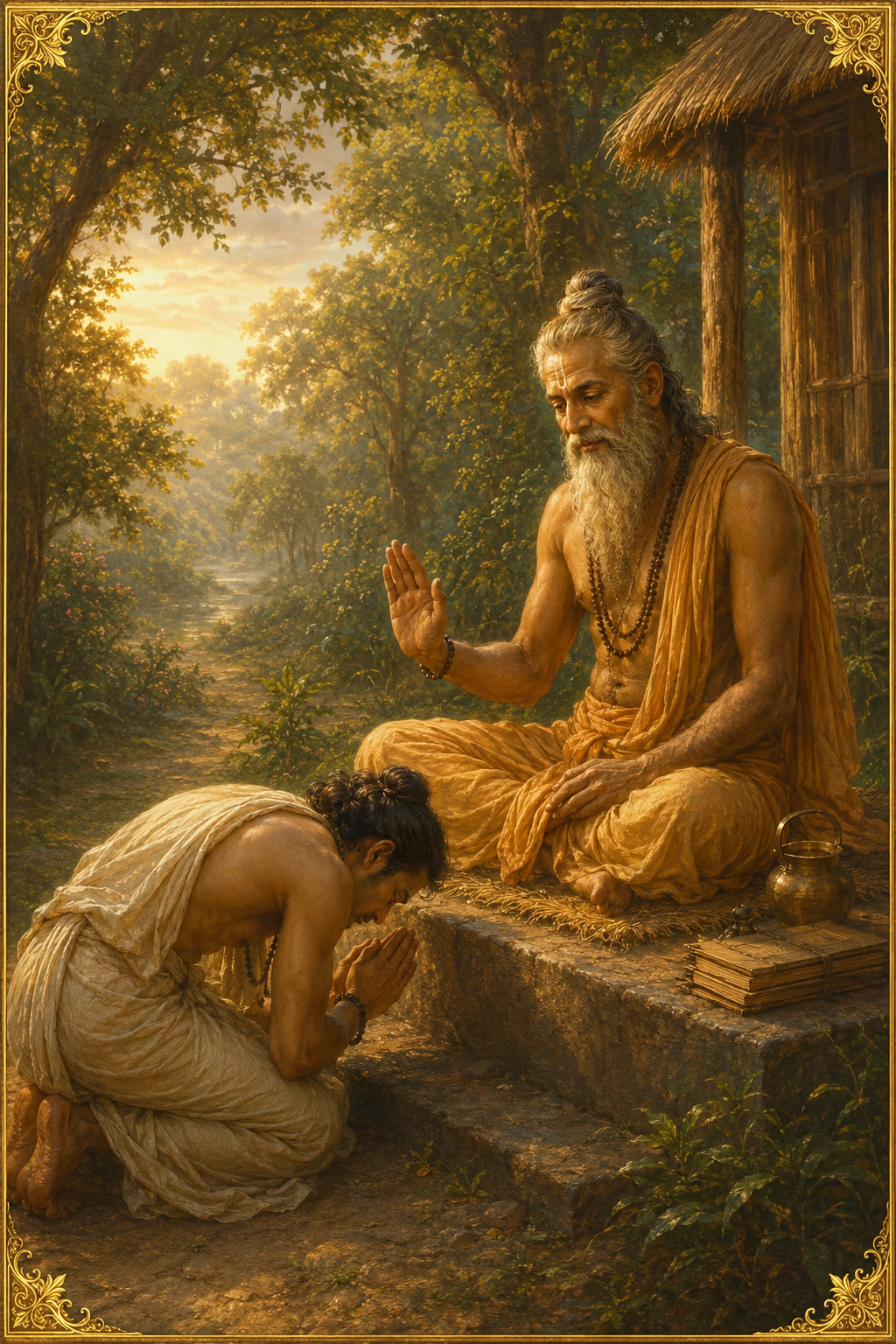
“गुरु-शिष्य — तद्विद्धि प्रणिपातेन” ॥ ३४ ॥ · मूल चित्र — इस परियोजना हेतु
भोर के आश्रम में एक साधक विनम्र प्रणाम में झुका है; ज्ञानी गुरु शान्ति से आशीर्वाद देते हुए ज्ञान का दीप देने को उद्यत हैं।
In a dawn hermitage a seeker bows in humble prostration; the realized sage, serene, raises a hand in blessing, about to impart the light of knowledge.
जिसको जानकर फिर तू इस प्रकार मोह को नहीं प्राप्त होगा तथा हे अर्जुन ! जिस ज्ञान के द्वारा तू सम्पूर्ण भूतों को निःशेष भाव से पहले अपने में और पीछे मुझ सच्चिदानन्दघन परमात्मा में देखेगा
Knowing which, O son of Pandu, you will never again fall into such delusion; and through it you will see all beings without exception within yourself, and then in Me.
सरल अर्थ: हे पाण्डुपुत्र! जिस ज्ञान को पा लेने पर तू फिर कभी इस प्रकार के मोह में नहीं पड़ेगा। उस ज्ञान के द्वारा तू समस्त प्राणियों को पहले अपने में — अपनी आत्मा में — और फिर मुझ परमात्मा में देखेगा। तब सबमें एक ही चेतना का अनुभव होने से भेद और मोह मिट जाते हैं।In simple words: Once you truly know this, you will never be confused like this again. Through that knowledge you will see every living being first within your own self, and then within Me, the Supreme. When you sense one consciousness in all, separation and delusion fall away.
api ced asi pāpebhyaḥ sarvebhyaḥ pāpakṛttamaḥ । sarvaṁ jñānaplavenaiva vṛjinaṁ santariṣyasi ॥
यदि तू अन्य सब पापियों से भी अधिक पाप करने वाला है; तो भी तू ज्ञान रूप नौका द्वारा निःसंदेह सम्पूर्ण पाप-समुद्र से भलीभाँति तर जायेगा
Even if you were the most sinful of all sinners, you would cross over the whole ocean of wrongdoing by the raft of knowledge alone.
सरल अर्थ: यदि तू सब पापियों में भी सबसे अधिक पाप करने वाला हो, तो भी निराश होने की आवश्यकता नहीं। ज्ञान रूपी नौका के सहारे ही तू समस्त पाप-समुद्र को भली-भाँति पार कर जायेगा। सच्चा आत्मज्ञान बड़े-से-बड़े पाप के बोझ को भी पार ले जाने की शक्ति रखता है।In simple words: Even if you were the worst wrongdoer of all, do not lose hope. With the boat of true knowledge you can cross the entire sea of your past sins. Real spiritual wisdom is powerful enough to carry you safely over even the heaviest burden of wrongdoing.
क्योंकि हे अर्जुन ! जैसे प्रज्वलित अग्नि ईंधनों को भस्ममय कर देता है, वैसे ही ज्ञानरूप अग्नि सम्पूर्ण कर्मों को भस्ममय कर देता है
As a blazing fire reduces firewood to ashes, O Arjuna, so does the fire of knowledge reduce all karma to ashes.
सरल अर्थ: हे अर्जुन! जैसे प्रज्वलित अग्नि लकड़ियों के ढेर को जलाकर राख कर देती है, वैसे ही ज्ञान रूपी अग्नि सम्पूर्ण कर्मों को — उनके बन्धन और संस्कार सहित — भस्म कर देती है। आत्मज्ञान जाग्रत होते ही कर्मों की बाँधने वाली शक्ति समाप्त हो जाती है।In simple words: Just as a well-lit fire burns a pile of wood completely to ashes, the fire of knowledge burns up all your accumulated karma. Once true self-knowledge awakens, actions lose their power to bind you, like fuel consumed in flames.
na hi jñānena sadṛśaṁ pavitram iha vidyate । tat svayaṁ yogasaṁsiddhaḥ kālenātmani vindati ॥
इस संसार में ज्ञान के समान पवित्र करने वाला निःसंदेह कुछ भी नहीं है । उस ज्ञान को कितने ही काल से कर्मयोग के द्वारा शुद्धान्तःकरण हुआ मनुष्य अपने-आप ही आत्मा में पा लेता है
Truly there is nothing in this world as purifying as knowledge. In time, one perfected in yoga finds that knowledge within his own self.
सरल अर्थ: इस संसार में ज्ञान के समान पवित्र करने वाला और कुछ भी नहीं है। ज्ञान सबसे बड़ा शुद्धिकर्ता है। जो साधक योग के अभ्यास से भली-भाँति सिद्ध हो जाता है, वह समय आने पर उस ज्ञान को बाहर कहीं नहीं, बल्कि अपने ही हृदय-अन्तःकरण में स्वयं पा लेता है।In simple words: Nothing in this world purifies you like knowledge does. And one who has matured through steady yoga practice eventually discovers that knowledge not somewhere outside, but within his own heart, in due time.
जितेन्द्रिय, साधनपरायण और श्रद्धावान् मनुष्य ज्ञान को प्राप्त होता है तथा ज्ञान को प्राप्त होकर वह बिना विलम्ब के—तत्काल ही भगवत्प्राप्ति रूप परम शान्ति को प्राप्त हो जाता है
The one who has faith, who is devoted to it, and who has mastered the senses gains this knowledge; and having gained knowledge, he swiftly attains supreme peace.
सरल अर्थ: जो मनुष्य श्रद्धावान् है, ज्ञान को ही अपना परम लक्ष्य बनाकर उसमें तत्पर रहता है, और जिसने अपनी इन्द्रियों को वश में कर लिया है, वही इस ज्ञान को प्राप्त करता है। और ज्ञान पा लेने पर वह बिना देर किये शीघ्र ही परम शान्ति को प्राप्त हो जाता है।In simple words: Three things bring this knowledge: faith, single-minded dedication to it, and control over the senses. Whoever has these gains the knowledge — and once gained, he reaches the highest peace very quickly, without long delay.
ajñaś cāśraddadhānaś ca saṁśayātmā vinaśyati । nāyaṁ loko 'sti na paro na sukhaṁ saṁśayātmanaḥ ॥
विवेकहीन और श्रद्धारहित संशययुक्त मनुष्य परमार्थ से अवश्य भ्रष्ट हो जाता है । ऐसे संशययुक्त मनुष्य के लिये न यह लोक है, न परलोक है और न सुख ही है
But the ignorant, the faithless, and the doubting soul perishes. For the doubting soul there is neither this world, nor the next, nor any happiness.
सरल अर्थ: इसके विपरीत जो अज्ञानी है, श्रद्धा से रहित है, और जिसका मन सदा संशय से भरा रहता है, वह नष्ट हो जाता है — अपने जीवन-लक्ष्य से गिर जाता है। ऐसे सदा सन्देह करने वाले मनुष्य के लिये न यह लोक सुखदायी है, न परलोक, और न ही उसे कहीं सच्चा सुख मिलता है।In simple words: On the other hand, a person who is ignorant, has no faith, and is full of constant doubt ruins himself. For such a doubting mind there is no happiness here in this world, none in the next, and no real contentment anywhere.
yogasaṁnyastakarmāṇaṁ jñānasañchinnasaṁśayam । ātmavantaṁ na karmāṇi nibadhnanti dhanañjaya ॥
हे धनंजय ! जिसने कर्मयोग की विधि से समस्त कर्मों का परमात्मा में अर्पण कर दिया है और जिसने विवेक द्वारा समस्त संशयों का नाश कर दिया है, ऐसे वश में किये हुए अन्तःकरण वाले पुरुष को कर्म नहीं बाँधते
One who has renounced action through yoga, whose doubts are sundered by knowledge, and who is established in the Self — such a one, O Dhananjaya, actions do not bind.
सरल अर्थ: हे धनंजय (अर्जुन)! जिस मनुष्य ने योग के द्वारा (कर्मफल की आसक्ति छोड़कर भगवान को अर्पण करके) अपने सारे कर्म ईश्वर के अर्पित कर दिये हैं, जिसके सब संशय ज्ञान से कट चुके हैं, और जो आत्मा में स्थित है — ऐसे मनुष्य को कर्म नहीं बाँधते। वह कर्म करते हुए भी निर्लेप रहता है।In simple words: When you offer all your actions to the Divine through yoga, when knowledge has cut away your doubts, and when you rest in your true Self, then actions no longer tie you down. You can act freely without being trapped by the results.
इसलिये हे भरतवंशी अर्जुन ! तू हृदय में स्थित इस अज्ञानजनित अपने संशयरूप विवेक ज्ञान रूप तलवार द्वारा छेदन करके समत्वरूप कर्मयोग में स्थित हो जा और युद्ध के लिये खड़ा हो जा
Therefore, with the sword of knowledge cut away this doubt born of ignorance that dwells in your heart, and take refuge in yoga. Arise, O Bharata!
सरल अर्थ: इसलिए हे भरतवंशी (अर्जुन)! तेरे हृदय में जो अज्ञान से उत्पन्न संशय बैठा है, उसे आत्मज्ञान रूपी तलवार से काट डाल और योग में स्थित होकर खड़ा हो जा — उठ, कर्तव्य कर्म के लिए तैयार हो जा।In simple words: So take the sharp sword of self-knowledge and cut down the doubt sitting in your heart — a doubt that comes only from not knowing. Steady yourself in yoga, then get up and do what you must do, Arjuna.
अनुभव · स्वयं देखेंAnubhava · see for yourself
इस सप्ताह किसी सच्चे गुरु, ग्रन्थ या परम्परा के साथ इस त्रिविध मार्ग (४·३४) को एक बार आज़माओ — विनम्रता से जाओ, अपना सबसे ईमानदार प्रश्न पूछो, और कुछ सेवा अर्पित करो। देखो क्या खुलता है। इस पुस्तकालय की गहरी, दीक्षा-योग्य साधनाएँ भी ठीक इसी भाव से, किसी जीवित ज्ञानी से ही पाने योग्य हैं।
Try the threefold way (4.34) once this week with a real teacher, text, or tradition — approach humbly, ask your most honest question, and offer some service. Notice what opens. This is also exactly how the deeper, initiatory practices of this library are meant to be received: from a living knower, in that very spirit.
ॐ तत्सदिति श्रीमद्भगवद्गीतासूपनिषत्सु ब्रह्मविद्यायां योगशास्त्रे श्रीकृष्णार्जुनसंवादे ज्ञानकर्मसंन्यासयोगो नाम चतुर्थोऽध्यायः ॥ ४ ॥
॥ इस प्रकार उपनिषद्, ब्रह्मविद्या तथा योगशास्त्र रूप श्रीमद्भगवद्गीता के श्रीकृष्ण-अर्जुन संवाद में 'ज्ञानकर्मसंन्यासयोग' नामक चौथा अध्याय पूर्ण हुआ ॥