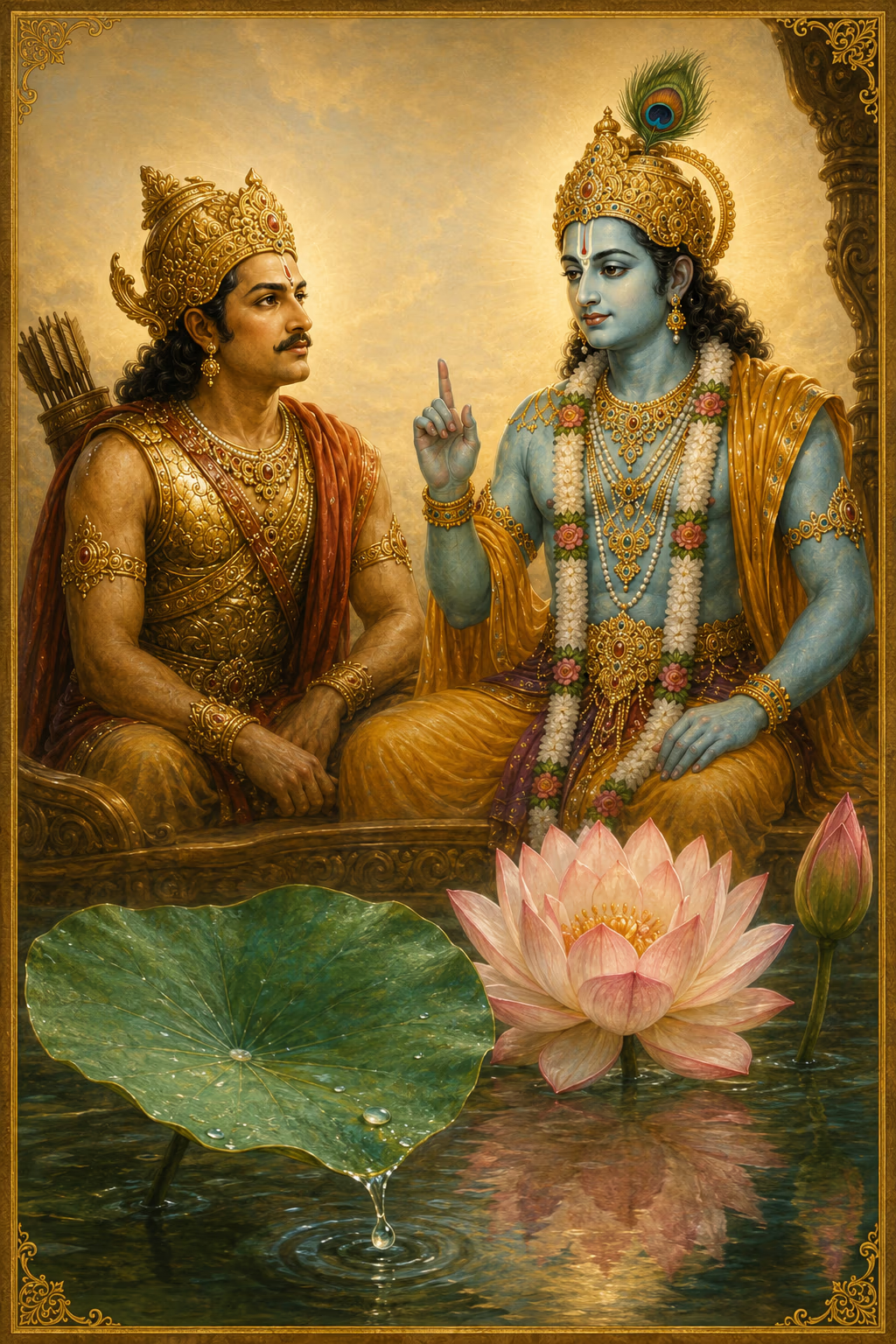
अर्जुन पूछते हैं: कर्म-संन्यास श्रेष्ठ है या कर्म? श्रीकृष्ण दोनों का मेल कराते हैं: संन्यास और कर्मयोग — दोनों ही एक ही लक्ष्य तक पहुँचाते हैं, पर कर्मयोग सुगम मार्ग है। जो रहस्य वे खोलते हैं वह भीतरी है: सब कुछ ब्रह्म को अर्पण करके, अनासक्त होकर कर्म करो — और तुम वैसे ही अलिप्त रहोगे, 'जैसे कमल का पत्ता जल से' (५·१०)। और भी गहरे — आत्मा को अकर्ता जानो: देखते, सुनते, खाते, साँस लेते हुए भी ज्ञानी मानता है 'मैं कुछ नहीं करता — इन्द्रियाँ ही अपने विषयों में बरत रही हैं' (५·८-९)। सब प्राणियों को समान दृष्टि से देखता हुआ वह ब्रह्म की शान्ति (ब्रह्मनिर्वाण) में स्थित होता है; और अध्याय ध्यान की पहली झलक (५·२७-२८) के साथ पूर्ण होता है।
Arjuna asks: which is better — to renounce action, or to act? Krishna reconciles them: both renunciation and the yoga of action lead to the same goal, but karma-yoga is the easier road. The secret he unfolds is inner: act offering everything to Brahman, unattached — and you stay untouched, 'as a lotus-leaf is untouched by water' (5.10). Deeper still, know the Self as the non-doer: even while seeing, hearing, eating, breathing, the wise one holds 'I do nothing at all — the senses move among their objects' (5.8-9). Seeing all beings with an equal eye, such a one rests in the peace of Brahman (brahma-nirvāṇa), and the chapter closes with a first glimpse of meditation (5.27-28).
“कमलपत्रमिवाम्भसा — निर्लेप कर्म” ॥ १० ॥ · मूल चित्र — इस परियोजना हेतु
श्रीकृष्ण अर्जुन को कर्म-में-संन्यास का रहस्य बताते हैं; स्वच्छ जल पर कमल-पत्र से जल की बूँद बिना छुए फिसल जाती है — कर्म करते हुए भी निर्लिप्त आत्मा।
Krishna teaches the secret of action-in-renunciation; on still water a drop rolls untouched off a lotus-leaf — the soul that acts yet stays unstained.
arjuna uvāca saṁnyāsaṁ karmaṇāṁ kṛṣṇa punar yogaṁ ca śaṁsasi । yac chreya etayor ekaṁ tan me brūhi suniścitam ॥
अर्जुन बोले—हे कृष्ण ! आप कर्मों के संन्यास की और फिर कर्मयोग की प्रशंसा करते हैं । इसलिये इन दोनों में से जो एक मेरे लिये भलीभाँति निश्चित कल्याणकारक साधन हो, उसको कहिये
Arjuna said: O Krishna, You praise the renunciation of actions, and again You praise the yoga of action. Tell me decisively which one of these two is the better.
सरल अर्थ: अर्जुन कहते हैं — हे कृष्ण, आप एक ओर तो कर्मों के त्याग (संन्यास) की प्रशंसा करते हैं और फिर कर्मयोग की भी। इन दोनों में से जो एक मेरे लिए श्रेष्ठ हो, वह निश्चित करके मुझे बताइए।In simple words: Arjuna is confused: Krishna seems to recommend both giving up action and doing action. He asks Krishna to clearly say which single path is better for him.
śrībhagavān uvāca saṁnyāsaḥ karmayogaś ca niḥśreyasakarāv ubhau । tayos tu karmasaṁnyāsāt karmayogo viśiṣyate ॥
श्रीभगवान् बोले—कर्म संन्यास और कर्मयोग—ये दोनों ही परम कल्याण के करने वाले हैं, परंतु उन दोनों में भी कर्म संन्यास से कर्मयोग साधन में सुगम होने से श्रेष्ठ है
The Blessed Lord said: Both renunciation and the yoga of action lead to the highest good; but of the two, the yoga of action is superior to the renunciation of action.
सरल अर्थ: श्रीभगवान् कहते हैं — कर्म-संन्यास और कर्मयोग, ये दोनों ही परम कल्याण करने वाले हैं; परन्तु इन दोनों में कर्मों के त्याग की अपेक्षा कर्मयोग श्रेष्ठ है।In simple words: Krishna answers: both paths lead to liberation, but of the two, actively doing your work selflessly (karma yoga) is the better and easier path.
jñeyaḥ sa nityasaṁnyāsī yo na dveṣṭi na kāṅkṣati । nirdvandvo hi mahābāho sukhaṁ bandhāt pramucyate ॥
हे अर्जुन ! जो पुरुष न किसी से द्वेष करता है और न किसी की आकांक्षा करता है, वह कर्मयोगी सदा संन्यासी ही समझने योग्य है, क्योंकि राग-द्वेषादि द्वन्द्वों से रहित पुरुष सुखपूर्वक संसार बन्धन से मुक्त हो जाता है
He who neither hates nor desires should be known as a perpetual renunciate; for, free from the pairs of opposites, O mighty-armed one, he is easily released from bondage.
सरल अर्थ: हे महाबाहो! जो मनुष्य न किसी से द्वेष करता है और न किसी की कामना करता है, उसे सदा संन्यासी ही जानना चाहिए; क्योंकि राग-द्वेष आदि द्वन्द्वों से रहित हुआ वह सुखपूर्वक बन्धन से मुक्त हो जाता है।In simple words: A true renunciate is one who has no hatred and no craving. Free from likes and dislikes, he easily escapes the bondage of worldly life.
उपर्युक्त संन्यास और कर्मयोग को मूर्ख लोग पृथक्-पृथक् फल देने वाले कहते हैं न कि पण्डित जन, क्योंकि दोनों में से एक में भी सम्यक् प्रकार से स्थित पुरुष दोनों के फलरूप परमात्मा को प्राप्त होता है
It is the childish, not the wise, who speak of Sankhya (the path of knowledge) and yoga (of action) as distinct; one who is well established in even one obtains the fruit of both.
सरल अर्थ: ज्ञान (सांख्य) और कर्मयोग को अलग-अलग फल देने वाले मूर्ख लोग कहते हैं, पण्डितजन नहीं; क्योंकि दोनों में से किसी एक में भी भलीभाँति स्थित हुआ मनुष्य दोनों का फल पा लेता है।In simple words: Only the immature think the path of knowledge and the path of action are separate and give different results. Anyone who fully follows even one of them gains the fruit of both.
yat sāṅkhyaiḥ prāpyate sthānaṁ tad yogair api gamyate । ekaṁ sāṅkhyaṁ ca yogaṁ ca yaḥ paśyati sa paśyati ॥
ज्ञानयोगियों द्वारा जो परमधाम प्राप्त किया जाता है, कर्मयोगियों द्वारा भी वही प्राप्त किया जाता है । इसलिये जो पुरुष ज्ञान योग और कर्मयोग को फलरूप में एक देखता है, वही. यथार्थ देखता है
The state that is attained by the followers of Sankhya is reached also by the followers of yoga. He who sees Sankhya and yoga as one, truly sees.
सरल अर्थ: ज्ञानयोगियों द्वारा जो परमपद प्राप्त किया जाता है, वही कर्मयोगियों द्वारा भी प्राप्त होता है। इसलिए जो मनुष्य ज्ञानयोग और कर्मयोग को (फल की दृष्टि से) एक ही देखता है, वही ठीक देखता है।In simple words: Both paths reach the very same goal. The person who understands that knowledge and action lead to one destination is the one who sees correctly.
परंतु हे अर्जुन ! कर्मयोग के बिना संन्यास अर्थात् मन, इन्द्रिय और शरीर द्वारा होने वाला सम्पूर्ण कर्मों में कर्तापन का त्याग, प्राप्त होना कठिन है और भगवत्स्वरूप को मनन करने वाला कर्मयोगी परब्रह्म परमात्मा को शीघ्र ही प्राप्त हो जाता है
But renunciation, O mighty-armed one, is hard to attain without the yoga of action; the sage who is devoted to yoga attains Brahman before long.
सरल अर्थ: हे महाबाहो! कर्मयोग के बिना संन्यास, अर्थात् मन-इन्द्रियों सहित कर्मों का त्याग, प्राप्त होना कठिन है; परन्तु कर्मयोग में लगा हुआ मननशील साधक शीघ्र ही ब्रह्म को प्राप्त कर लेता है।In simple words: True renunciation is difficult to reach without first practicing selfless action. But the thoughtful person who does his work as yoga reaches the Supreme quickly.
yogayukto viśuddhātmā vijitātmā jitendriyaḥ । sarvabhūtātmabhūtātmā kurvann api na lipyate ॥
जिसका मन अपने वश में है, जो जितेन्द्रिय एवं विशुद्ध अन्तःकरण वाला है और सम्पूर्ण प्राणियों का आत्मरूप परमात्मा ही जिसका आत्मा है, ऐसा कर्मयोगी कर्म करता हुआ भी लिप्त नहीं होता
He who is devoted to yoga, whose mind is purified, who has conquered the self and subdued the senses, whose own self has become the Self of all beings, is not tainted even while acting.
सरल अर्थ: जिसका अन्तःकरण शुद्ध है, जिसने मन और इन्द्रियों को जीत लिया है, और जिसकी आत्मा समस्त प्राणियों की आत्मा के साथ एकरूप हो गई है, ऐसा कर्मयोगी कर्म करता हुआ भी उनमें लिप्त नहीं होता।In simple words: The yogi with a pure mind, full control over himself and his senses, who sees his own Self in all beings, stays untouched even while he keeps acting.
सरल अर्थ: तत्त्व को जानने वाला योगी देखते, सुनते, छूते, सूँघते, खाते, चलते, सोते और साँस लेते हुए भी ऐसा माने कि 'मैं कुछ भी नहीं करता'।In simple words: The one who knows the truth realizes that the real Self does nothing. Even while seeing, hearing, touching, smelling, eating, walking, sleeping and breathing, he understands it is only the senses at work, not the Self.
तत्त्व को जानने वाला सांख्य योगी तो देखता हुआ, सुनता हुआ, स्पर्श करता हुआ, सूँघता हुआ, भोजन करता हुआ, गमन करता हुआ, सोता हुआ, श्वास लेता हुआ, बोलता हुआ, त्यागता हुआ, ग्रहण करता हुआ तथा आँखों को खोलता और मूँदता हुआ भी सब इन्द्रियाँ अपने-अपने अर्थों में बरत रही हैं—इस प्रकार समझकर निःसन्देह ऐसा माने कि मैं कुछ भी नहीं करता हूँ
The knower of truth, steadfast in yoga, should think "I do nothing at all"—even while seeing, hearing, touching, smelling, eating, moving, sleeping, and breathing. While speaking, releasing, grasping, opening and closing the eyes — he holds firmly that it is only the senses moving among the objects of the senses.
सरल अर्थ: ज्ञानी पुरुष भले ही बोलता हो, कुछ छोड़ता या पकड़ता हो, आँखें खोलता या बन्द करता हो — फिर भी वह यही समझता है कि सब इन्द्रियाँ ही अपने विषयों में बरत रही हैं, मैं कुछ नहीं करता।In simple words: Even while talking, letting go, taking hold, or blinking, the wise person stays clear that it is just the senses doing their work among sense-objects — not the true Self acting.
brahmaṇy ādhāya karmāṇi saṅgaṁ tyaktvā karoti yaḥ । lipyate na sa pāpena padmapatram ivāmbhasā ॥
✦ tap a glowing wordचमकते शब्द छुएँ ✦
जो पुरुष सब कर्मों को परमात्मा में अर्पण करके और आसक्ति को त्याग कर कर्म करता है, वह पुरुष जल से कमल के पत्ते की भाँति पाप से लिप्त नहीं होता
One who acts, offering all actions to Brahman and giving up attachment, is untouched by sin, as a lotus leaf is untouched by water.
सरल अर्थ: जो मनुष्य सब कर्म ब्रह्म को अर्पण करके और आसक्ति छोड़कर कर्म करता है, वह पाप से वैसे ही लिप्त नहीं होता जैसे कमल का पत्ता जल से नहीं भीगता।In simple words: If you do your work as an offering to God and drop attachment to the results, no sin sticks to you — just as water rolls off a lotus leaf without wetting it.
कर्मयोगी ममत्वबुद्धिरहित केवल इन्द्रिय, मन, बुद्धि और शरीर द्वारा भी आसक्ति को त्यागकर अन्तःकरण की शुद्धि के लिये कर्म करते हैं
With the body, the mind, the intellect, or even merely the senses, the yogis perform action, abandoning attachment, for the purification of the self.
सरल अर्थ: योगीजन आसक्ति छोड़कर, केवल अन्तःकरण की शुद्धि के लिए, शरीर, मन, बुद्धि और इन्द्रियों के द्वारा कर्म करते रहते हैं।In simple words: Yogis keep doing their work — with body, mind, intellect, or just the senses — but without clinging, doing it only to make the heart pure.
कर्मयोगी कर्मों के फलका त्याग करके भगवत्प्राप्ति रूप शान्ति को प्राप्त होता है और सकामपुरुष कामना की प्रेरणा से फल में आसक्त होकर बँधता है
The disciplined one, abandoning the fruit of action, attains lasting peace; the undisciplined one, driven by desire and attached to the fruit, becomes bound.
सरल अर्थ: समत्वबुद्धि वाला योगी कर्मफल को छोड़कर स्थायी शान्ति पाता है; परन्तु अयुक्त मनुष्य कामना की प्रेरणा से फल में आसक्त होकर बँध जाता है।In simple words: The steady person lets go of the reward and finds deep, lasting peace. The restless one, pushed by desire and hooked on results, only gets tied down.
sarvakarmāṇi manasā sannyasyāste sukhaṁ vaśī । navadvāre pure dehī naiva kurvan na kārayan ॥
अन्तःकरण जिसके वश में है, ऐसा सांख्ययोग का आचरण करने वाला पुरुष न करता हुआ और न करवाता हुआ ही नवद्वारों वाले शरीर रूप घर में सब कर्मों को मन से त्यागकर आनन्दपूर्वक सच्चिदानन्दघन परमात्मा के स्वरूप में स्थित रहता है
Mentally renouncing all actions, the self-controlled embodied being rests happily in the city of nine gates, neither acting nor causing action.
सरल अर्थ: अपने वश में किया हुआ देही पुरुष मन से सब कर्मों का त्याग करके, नौ द्वारों वाले शरीररूपी नगर में सुखपूर्वक स्थित रहता है — न तो स्वयं कुछ करता है और न कराता है।In simple words: The self-mastered person mentally gives up the sense of doing, and lives contentedly within this body (the 'city of nine gates'), neither acting nor making others act.
na kartṛtvaṁ na karmāṇi lokasya sṛjati prabhuḥ । na karmaphalasaṁyogaṁ svabhāvas tu pravartate ॥
परमेश्वर मनुष्यों के न तो कर्तापन की, न कर्मों की और न कर्म फल के संयोग की ही रचना करते हैं; किंतु स्वभाव ही बर्त रहा है
The Lord creates neither the sense of doership, nor actions, nor the union of action with its fruit for the world; it is one's own nature that operates.
सरल अर्थ: परमेश्वर मनुष्यों के न तो कर्तापन की, न कर्मों की, और न कर्मफल के संयोग की रचना करते हैं; यह सब तो स्वभाव (प्रकृति) ही करता है।In simple words: God does not hand out the feeling of 'I am the doer,' nor the actions, nor the link between action and its result. All of that runs on one's own nature.
nādatte kasyacit pāpaṁ na caiva sukṛtaṁ vibhuḥ । ajñānenāvṛtaṁ jñānaṁ tena muhyanti jantavaḥ ॥
सर्वव्यापी परमेश्वर भी न किसी के पाप कर्म को और न किसी के शुभ कर्म को ही ग्रहण करता है; किंतु अज्ञान के द्वारा ज्ञान ढका हुआ है, उसी से सब अज्ञानी मनुष्य मोहित हो रहे हैं
The all-pervading Lord takes on no one's sin, nor anyone's good deed; knowledge is veiled by ignorance, and by that beings are deluded.
सरल अर्थ: सर्वव्यापी परमेश्वर न किसी के पाप को और न किसी के पुण्य को ग्रहण करते हैं; ज्ञान अज्ञान से ढका हुआ है, इसी से जीव मोहित होते हैं।In simple words: The all-pervading Lord does not take on anyone's bad or good deeds. People get confused only because their inner knowing is covered over by ignorance.
jñānena tu tad ajñānaṁ yeṣāṁ nāśitam ātmanaḥ । teṣām ādityavaj jñānaṁ prakāśayati tatparam ॥
परन्तु जिसका वह अज्ञान परमात्मा के तत्त्व ज्ञान द्वारा नष्ट कर दिया गया है, उनका वह ज्ञान सूर्य के सदृश उस सच्चिदानन्दघन परमात्मा को प्रकाशित कर देता है
But for those whose ignorance is destroyed by knowledge of the Self, that knowledge, like the sun, reveals the Supreme.
सरल अर्थ: परन्तु जिनका वह अज्ञान आत्मज्ञान के द्वारा नष्ट हो गया है, उनका वह ज्ञान सूर्य के समान उस परमतत्त्व को प्रकाशित कर देता है।In simple words: But for those whose ignorance has been burned away by Self-knowledge, that knowledge shines like the sun and lights up the Supreme Reality.
जिनका मन तद्रूप हो रहा है, जिनकी बुद्धि तद्रूप हो रही है और सच्चिदानन्दघन परमात्मा में ही जिनकी निरन्तर एकीभाव से स्थिति है, ऐसे तत्परायण पुरुष ज्ञान के द्वारा पापरहित होकर अपुनरावृत्ति को अर्थात् परमगति को प्राप्त होते हैं
Those whose intellect is fixed on That, whose very self is absorbed in That, who are firmly established in That and hold That as their supreme goal — their impurities washed away by knowledge — go forth never to return.
सरल अर्थ: जिनकी बुद्धि परमात्मा में ही लगी है, जिनका मन उसी में डूबा है, जो उसी में स्थित हैं और उसी को सबसे ऊँचा लक्ष्य मानते हैं — ज्ञान से उनके सारे पाप-दोष धुल जाते हैं और वे ऐसी मुक्ति पाते हैं जहाँ से फिर लौटकर जन्म नहीं लेना पड़ता।In simple words: When your mind, your sense of self, your footing, and your goal are all set on the Supreme, knowledge burns off your faults and you reach a freedom you never fall back from.
वे ज्ञानीजन विद्या और विनययुक्त ब्राह्मण में तथा गौ, हाथी, कुत्ते और चाण्डाल में भी समदर्शी ही होते हैं
In a learned and humble brāhmaṇa, in a cow, in an elephant, and even in a dog and in an outcaste who cooks dogs — the wise see the same.
सरल अर्थ: विद्या और विनय से युक्त ब्राह्मण हो, गाय हो, हाथी हो, कुत्ता हो या कुत्ते का मांस पकाने वाला चांडाल हो — ज्ञानी पुरुष सबमें एक ही आत्मा को समान दृष्टि से देखते हैं, ऊँच-नीच का भेद नहीं करते।In simple words: A scholar, a cow, an elephant, a dog, even the lowest outcaste — the truly wise see the same Self shining equally in all of them, without ranking one above another.
ihaiva tair jitaḥ sargo yeṣāṁ sāmye sthitaṁ manaḥ । nirdoṣaṁ hi samaṁ brahma tasmād brahmaṇi te sthitāḥ ॥
जिनका मन समभाव में स्थित है, उनके द्वारा इस जीवित अवस्था में ही सम्पूर्ण संसार जीत लिया गया है, क्योंकि सच्चिदानन्दघन परमात्मा निर्दोष और सम है, इससे वे सच्चिदानन्दघन परमात्मा में ही स्थित हैं
Even here, birth and death are conquered by those whose mind rests in equanimity; for Brahman is flawless and the same in all, therefore they are established in Brahman.
सरल अर्थ: जिनका मन समता में स्थिर हो गया है, उन्होंने इसी जीवन में जन्म-मृत्यु के चक्र को जीत लिया है। क्योंकि ब्रह्म निर्दोष है और सबमें एक-सा है, इसलिए ऐसे समदर्शी पुरुष ब्रह्म में ही स्थित माने जाते हैं।In simple words: If your mind stays steady and even-minded, you have already won over the cycle of birth and death right here. Since Brahman is faultless and equal everywhere, such a balanced person already lives in Brahman.
जो पुरुष प्रिय को प्राप्त होकर हर्षित नहीं हो और अप्रिय को प्राप्त होकर उद्विग्न न हो, वह स्थिर बुद्धि संशयरहित ब्रह्मवेत्ता पुरुष सच्चिदानन्दघन परब्रह्म परमात्मा में एकीभाव से नित्य स्थित है
One should neither rejoice on obtaining what is pleasant nor recoil on meeting what is unpleasant; with steady intellect, free from delusion, the knower of Brahman abides in Brahman.
सरल अर्थ: प्रिय वस्तु पाकर फूले नहीं और अप्रिय पाकर घबराए या दुखी न हो — जिसकी बुद्धि स्थिर है, जो मोह से रहित है, वही ब्रह्म को जानने वाला पुरुष ब्रह्म में स्थित रहता है।In simple words: Don't get giddy when something nice comes, don't get upset when something unpleasant comes. Stay steady and clear-headed; one who lives like this knows Brahman and rests in it.
बाहर के विषयों में आसक्ति रहित अन्तःकरण वाला साधक, आत्मा में स्थित जो ध्यान जनित सात्त्विक आनन्द है, उसको प्राप्त होता है; तदनन्तर वह सच्चिदानन्दघन परब्रह्म परमात्मा के ध्यान रूप योग में अभिन्नभाव से स्थित पुरुष अक्षय आनन्द का अनुभव करता है
With the self unattached to outer contacts, one finds the happiness that is within the Self; that one, the self united with Brahman through yoga, enjoys imperishable bliss.
सरल अर्थ: जो बाहरी विषयों के स्पर्श-सुखों में आसक्त नहीं होता, उसे अपनी ही आत्मा में रहने वाला सुख मिल जाता है। वह पुरुष ब्रह्म के ध्यान-योग से जुड़कर अक्षय (कभी न समाप्त होने वाले) सुख का अनुभव करता है।In simple words: When you stop clinging to pleasures coming from outside, you discover the happiness that is already inside you. Joined with Brahman through yoga, you taste a bliss that never runs out.
ye hi saṁsparśajā bhogā duḥkhayonaya eva te । ādyantavantaḥ kaunteya na teṣu ramate budhaḥ ॥
जो ये इन्द्रिय तथा विषयों के संयोग से उत्पन्न होने वाले सब भोग हैं, वे यद्यपि विषयी पुरुषों को सुख रूप भासते हैं तो भी दुःख के ही हेतु हैं और आदि अन्त वाले अर्थात् अनित्य हैं । इसलिये हे अर्जुन ! बुद्धिमान् विवेकी पुरुष उनमें नहीं रमता
The enjoyments born of sense-contact are indeed only wombs of suffering; they have a beginning and an end, O son of Kuntī, and the wise do not delight in them.
सरल अर्थ: हे कुंती-पुत्र! विषयों के संपर्क से जो भोग पैदा होते हैं, वे वास्तव में दुःख के ही कारण हैं। इनका आदि और अंत होता है (ये आते-जाते रहते हैं), इसलिए बुद्धिमान पुरुष इनमें रमता नहीं — सुख नहीं ढूँढता।In simple words: Pleasures that come from sense-contact are actually breeding grounds for pain — they start and they end. So a wise person does not get hooked on them or look there for lasting joy.
śaknotīhaiva yaḥ soḍhuṁ prāk śarīravimokṣaṇāt । kāmakrodhodbhavaṁ vegaṁ sa yuktaḥ sa sukhī naraḥ ॥
जो साधक इस मनुष्य शरीर में, शरीर का नाश होने से पहले-पहले ही काम-क्रोध से उत्पन्न होने वाले वेग को सहन करने में समर्थ हो जाता है, वही पुरुष योगी है और वही सुखी है
One who is able, here and now, before being freed from the body, to withstand the impulse arising from desire and anger — that person is a yogi, that person is happy.
सरल अर्थ: जो मनुष्य इसी जीवन में, शरीर छूटने से पहले ही, काम और क्रोध से उठने वाले वेग को सह लेने (रोक लेने) में समर्थ हो जाता है, वही सच्चा योगी है और वही सुखी है।In simple words: Whoever can hold back the surge of craving and anger while still alive in this body — that is the person who is truly joined in yoga, and that is the person who is truly happy.
yo'ntaḥsukho'ntarārāmas tathāntarjyotir eva yaḥ । sa yogī brahmanirvāṇaṁ brahmabhūto'dhigacchati ॥
जो पुरुष अन्तरात्मा में ही सुखवाला है, आत्मा में ही रमण करने वाला है तथा जो आत्मा में ही ज्ञान वाला है, वह सच्चिदानन्दघन परब्रह्म परमात्मा के साथ एकीभाव को प्राप्त सांख्ययोगी शान्त ब्रह्म को प्राप्त होता है
One who finds happiness within, who delights within, and whose light is within — that yogi, having become Brahman, attains the bliss of Brahman, the peace of nirvāṇa.
सरल अर्थ: जो अपने भीतर ही सुख पाता है, भीतर ही रमता है, और जिसका प्रकाश भी भीतर ही है — वह योगी ब्रह्मरूप होकर ब्रह्म-निर्वाण (परम शांति और मुक्ति) को प्राप्त कर लेता है।In simple words: The yogi whose happiness, whose delight, and whose inner light all come from within — having become one with Brahman, reaches the peace and freedom of Brahman itself.
जिनके सब पाप नष्ट हो गये हैं, जिनके सब संशय ज्ञान के द्वारा निवृत्त हो गये हैं, जो सम्पूर्ण प्राणियों के हित में रत हैं और जिनका जीता हुआ मन निश्चल भाव से परमात्मा में स्थित है, वे ब्रह्मवेत्ता पुरुष शान्त ब्रह्म को प्राप्त होते हैं
The seers whose sins are destroyed, whose doubts are dispelled, whose minds are mastered, and who delight in the welfare of all beings, attain liberation in Brahman.
सरल अर्थ: जिन ऋषियों के सब पाप नष्ट हो गए हैं, जिनके सारे संशय मिट गए हैं, जिनका मन वश में है और जो सब प्राणियों के हित में लगे रहते हैं — वे ब्रह्म में लीन हो जाते हैं, यानी परम शान्ति (मोक्ष) पा लेते हैं।In simple words: Sages who are free of sin, free of doubt, in control of their minds, and devoted to the good of all living beings reach liberation, becoming one with Brahman.
काम-क्रोध से रहित, जीते हुए चित्तवाले, परब्रह्म परमात्मा का साक्षात्कार किये हुए ज्ञानी पुरुषों के लिये सब ओर से शान्त परब्रह्म परमात्मा ही परिपूर्ण हैं
For those self-controlled renunciants who are freed from desire and anger, whose minds are disciplined, and who have realized the Self, liberation in Brahman lies all around — both here and hereafter.
सरल अर्थ: जो साधक काम और क्रोध से छूट गए हैं, जिनका मन वश में है और जिन्होंने अपने आत्मस्वरूप को जान लिया है — उनके लिए ब्रह्म-निर्वाण (मोक्ष की शान्ति) चारों ओर मौजूद है, अभी इसी जीवन में भी और मरने के बाद भी।In simple words: Those who have let go of craving and anger, who have steady minds and know their true Self, are surrounded by liberation everywhere — they live free both now and after death.
सरल अर्थ: बाहर के विषय-स्पर्शों को बाहर ही छोड़कर (मन से दूर रखकर), दोनों भौंहों के बीच दृष्टि टिकाकर, और नासिका में चलने वाले प्राण (बाहर जाती श्वास) तथा अपान (भीतर आती श्वास) को सम करके —In simple words: He keeps outside sense-contacts out of the mind, steadies his gaze between the eyebrows, and evens out the in-breath and out-breath flowing through the nostrils.
बाहर के विषय-भोगों को न चिन्तन करता हुआ बाहर ही त्यागकर और नेत्रों की दृष्टि को भृकुटी के बीच में स्थित करके तथा नासिका में विचरनेवाले प्राण और अपानवायु को सम करके, जिसकी इन्द्रियाँ, मन और बुद्धि जीती हुई हैं—ऐसा जो मोक्षपरायण मुनि इच्छा, भय और क्रोध से रहित हो गया है, वह सदा मुक्त ही है
Shutting out external contacts, fixing the gaze between the eyebrows, and balancing the inward and outward breaths that move within the nostrils, the sage whose senses, mind, and intellect are controlled, who is intent on liberation, and who is free from desire, fear, and anger — he is forever liberated indeed.
सरल अर्थ: जिस मुनि की इन्द्रियाँ, मन और बुद्धि वश में हैं, जो मोक्ष को ही अपना परम लक्ष्य मानता है, और जो इच्छा, भय तथा क्रोध से रहित हो गया है — वह तो सदा मुक्त ही है।In simple words: The sage whose senses, mind, and intellect are mastered, who aims only at liberation, and who has no desire, fear, or anger is already free, always.
मेरा भक्त मुझको सब यज्ञ और तपों का भोगने वाला, सम्पूर्ण लोकों के ईश्वरों का भी ईश्वर तथा सम्पूर्ण भूत-प्राणियों का सुहृद् अर्थात् स्वार्थरहित दयालु और प्रेमी, ऐसा तत्त्व से जानकर शान्ति को प्राप्त होता है
Knowing Me as the enjoyer of all sacrifices and austerities, the great Lord of all the worlds, and the loving friend of all beings, one attains peace.
सरल अर्थ: मुझे ही सब यज्ञों और तपस्याओं का भोक्ता, सम्पूर्ण लोकों का महान् ईश्वर, और सब प्राणियों का निःस्वार्थ हितैषी मित्र — ऐसा जानकर मनुष्य परम शान्ति को प्राप्त कर लेता है।In simple words: Whoever truly knows Me as the one who receives all sacrifices and austerities, the supreme Lord of every world, and the selfless friend of all beings, finds lasting peace.
नैव किञ्चित् करोमि — कुछ न करने वाला साक्षीNaiva kiñcit karomi — the witness who does nothing
श्रीकृष्ण ज्ञानी का भाव देते हैं (५·८-९): देखते, सुनते, खाते, चलते, साँस लेते हुए भी यह शान्त बोध बनाए रखो — 'इन्द्रियाँ ही अपने विषयों में बरत रही हैं; मैं, आत्मा, कुछ नहीं करता।' तुम पूरी तरह कर्म करते हो, फिर भी कर्म के पीछे अविचल साक्षी की तरह स्थित रहते हो। यह 'मैं ही कर्ता हूँ' की उस गाँठ को ढीला करता है जो चुपचाप बाँधती है।Krishna gives the knower's stance (5.8-9): even while seeing, hearing, eating, walking, breathing, hold the quiet recognition — 'the senses are moving among their objects; I, the Self, do nothing.' You act fully, yet rest as the unmoved witness behind the action. This loosens the knot of 'I am the doer' that quietly binds.
एक सरल चलता हुआ काम चुनो — चलना, खाना, बर्तन धोना।Pick a simple ongoing activity — walking, eating, washing up.
करते हुए कोमलता से देखो कि इन्द्रियाँ स्वयं काम कर रही हैं: आँखें देखती हैं, हाथ चलता है, साँस आती-जाती है।As you do it, gently notice the senses at work on their own: the eyes see, the hand moves, the breath comes and goes.
उस एक की तरह स्थित हो जो यह सब केवल देखता है, कर्ता हुए बिना — मौन में: 'इन्द्रियाँ करती हैं; मैं साक्षी हूँ।' (नैव किञ्चित् करोमि)Rest as the one who simply watches it all, without being the doer — silently: 'the senses act; I am the witness.' (naiva kiñcit karomi)
जब-जब 'मैं यह कर रहा हूँ' फिर कसे, साक्षी पर लौट आओ। काम सहजता से चलता रहता है; कर्ता की गाँठ ढीली होती है।Each time 'I'm doing this' tightens again, return to the witness. The work continues smoothly; the doer-knot loosens.
क्या देखें: What to notice: ध्यान दो कि जब तुम तनावग्रस्त 'कर्ता' होने से पीछे हटते हो तो एक सूक्ष्म राहत मिलती है — कर्म बहता रहता है, पर तुम हल्के अनुभव करते हो, एक स्थिर केन्द्र से देखते हुए।Notice the subtle relief as you step back from being the strained 'doer' — the action keeps flowing, but you feel lighter, watching from a still center.
अनुभव · स्वयं देखेंAnubhava · see for yourself
एक दिन कोई नित्य का काम साक्षी-भाव से करो — 'इन्द्रियाँ करती हैं; मैं कुछ नहीं करता।' उस शाम पूछो: क्या तुम्हारे और कर्म के बीच थोड़ा अधिक अवकाश, थोड़ा कम तनाव था? वही अन्तराल आत्मा का चुपचाप अपने को प्रकट करना है।
For one day, do a routine task as the witness — 'the senses act; I do nothing.' That evening, ask: was there a little more space, a little less strain, between you and the doing? That gap is the Self quietly revealing itself.
ॐ तत्सदिति श्रीमद्भगवद्गीतासूपनिषत्सु ब्रह्मविद्यायां योगशास्त्रे श्रीकृष्णार्जुनसंवादे कर्मसंन्यासयोगो नाम पञ्चमोऽध्यायः ॥ ५ ॥
॥ इस प्रकार उपनिषद्, ब्रह्मविद्या तथा योगशास्त्र रूप श्रीमद्भगवद्गीता के श्रीकृष्ण-अर्जुन संवाद में 'कर्मसंन्यासयोग' नामक पाँचवाँ अध्याय पूर्ण हुआ ॥