छठा अध्याय 'आत्मसंयमयोग' (ध्यानयोग) है — पूरी गीता का व्यावहारिक हृदय। यहाँ श्रीकृष्ण केवल बताते नहीं, सिखाते हैं: ध्यान के लिए कैसे बैठो, शरीर और मन को कैसे साधो, और बार-बार भटकते मन को कैसे लौटाओ। नीचे के श्लोक (६·१०–१५) वही बैठने की विधि हैं; अध्याय के अन्त में दी गई 'साधना' उन्हें एक सरल, करने-योग्य अभ्यास में पिरो देती है।
The sixth chapter, Atma-Samyama Yoga — better known as Dhyana Yoga — is the practical heart of the whole Gita. Here Krishna does not merely describe; he teaches: how to sit for meditation, how to steady body and mind, and how to keep returning the wandering mind. The verses below (6.10–15) are that very method of sitting; the 'Practice' card at the end weaves them into one simple, doable exercise.
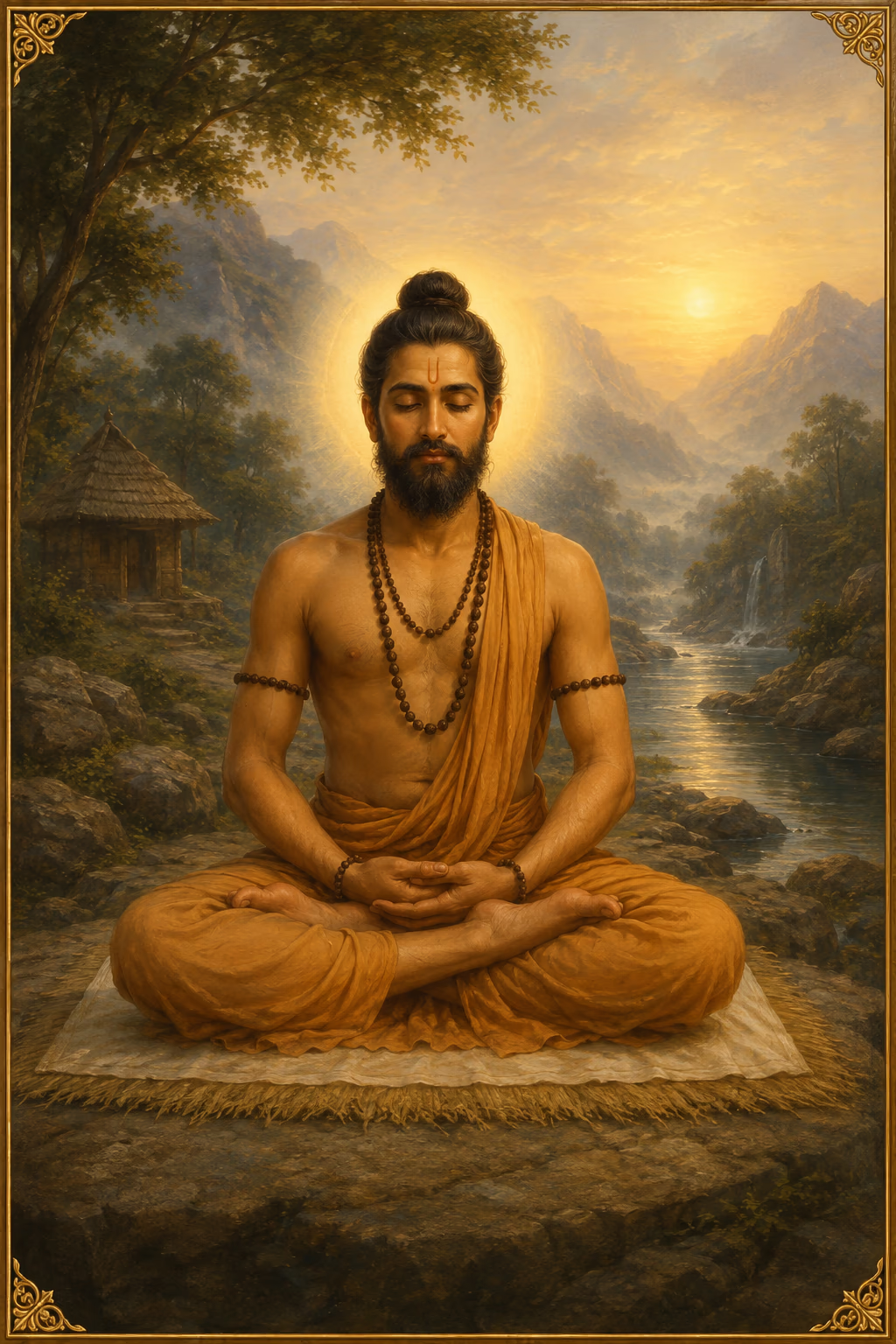
“ध्यानयोग — समं कायशिरोग्रीवम्” ॥ ११–१४ ॥ · मूल चित्र — इस परियोजना हेतु
पर्वत के एकान्त आश्रम में एक योगी पद्मासन में स्थिर है — काय, शिर, ग्रीवा एक सीध में, दृष्टि भीतर की ओर, मन पूर्णतः समाहित।
In a still mountain hermitage a yogī sits erect in padmāsana — body, head and neck in one line, gaze turned inward, the mind utterly gathered.
anāśritaḥ karmaphalaṃ kāryaṃ karma karoti yaḥ । sa saṃnyāsī ca yogī ca na niragnirna cākriyaḥ ॥
श्रीभगवान् बोले—जो पुरुष कर्मफल का आश्रय न लेकर करने योग्य कर्म करता है, वह संन्यासी तथा योगी है; और केवल अग्नि का त्याग करने वाला संन्यासी नहीं है तथा केवल क्रियाओं का त्याग करने वाला योगी नहीं है
The Blessed Lord said: He who performs the work that ought to be done without depending on its fruit — he is the renunciate and the yogi; not he who lights no sacred fire and does no work.
सरल अर्थ: श्रीभगवान् कहते हैं — जो मनुष्य कर्म के फल का आश्रय न लेकर, अर्थात् फल की इच्छा छोड़कर, अपना करने योग्य कर्तव्य-कर्म करता है, वही सच्चा संन्यासी और योगी है। केवल अग्निहोत्र आदि अग्नि का त्याग कर देने वाला या कोई कर्म ही न करने वाला संन्यासी-योगी नहीं होता।In simple words: Krishna says the real renunciate and yogi is the one who does his duty without craving the reward — not someone who simply quits all rituals or stops working altogether.
हे अर्जुन ! जिसको संन्यास ऐसा कहते हैं, उसी को तू योग जान । क्योंकि संकल्पों का त्याग न करने वाला कोई भी पुरुष योगी नहीं होता
Know, O son of Pandu, that what they call renunciation is the same as yoga; for no one becomes a yogi who has not renounced selfish intention.
सरल अर्थ: हे पाण्डव! जिसको संन्यास कहते हैं, उसी को तू योग समझ; क्योंकि जिसने संकल्पों (फल और भोगों की कामना) का त्याग नहीं किया, वह कोई भी मनुष्य योगी नहीं बन सकता।In simple words: True renunciation and yoga are one and the same. No one can become a yogi until he gives up his selfish desires and personal motives.
योग में आरूढ़ होने की इच्छा वाले मननशील पुरुष के लिये योग की प्राप्ति में निष्काम भाव से कर्म करना ही हेतु कहा जाता है और योगारूढ़ हो जाने पर उस योगारूढ़ पुरुष का जो सर्वसंकल्पों का अभाव है वही कल्याण में हेतु कहा जाता है
For the sage who wishes to climb to yoga, action is said to be the means; for the same sage who has attained yoga, serenity is said to be the means.
सरल अर्थ: योग पर आरूढ़ होने की इच्छा रखने वाले मननशील पुरुष के लिए (निष्काम) कर्म ही साधन कहा जाता है; और जो योग पर आरूढ़ हो चुका है, उसी के लिए सर्व-संकल्पों का अभाव रूप शम (शान्ति) ही साधन कहा जाता है।In simple words: For someone still climbing toward yoga, doing selfless action is the way up. For one who has already reached it, quiet stillness of mind is the way forward.
yadā hi nendriyārtheṣu na karmasvanuṣajjate । sarvasaṃkalpasaṃnyāsī yogārūḍhastadocyate ॥
जिस काल में न तो इन्द्रियों के भोगों में और न कर्मों में ही आसक्त होता है, उस काल में सर्वसंकल्पों का त्यागी पुरुष योगारूढ़ कहा जाता है
When one is attached neither to the objects of the senses nor to actions, having renounced all selfish intentions, then he is said to have attained yoga.
सरल अर्थ: जिस समय मनुष्य न तो इन्द्रियों के विषयों में और न कर्मों में आसक्त होता है, उस समय सम्पूर्ण संकल्पों का त्यागी वह पुरुष योगारूढ़ कहा जाता है।In simple words: When a person is no longer clinging to sense-pleasures or to actions, and has dropped all selfish plans, that is when he has truly reached yoga.
अपने द्वारा अपना संसार-समुद्र से उद्धार करे और अपने को अधोगति में न डाले, क्योंकि यह मनुष्य आप ही तो अपना मित्र है और आप ही अपना शत्रु है
Let a man lift himself up by his own self; let him not degrade himself. For the self alone is the friend of the self, and the self alone is the enemy of the self.
सरल अर्थ: मनुष्य अपने आपके द्वारा अपना उद्धार करे और अपने को अधोगति में न डाले; क्योंकि यह मनुष्य आप ही तो अपना मित्र है, और आप ही अपना शत्रु है।In simple words: Lift yourself up by your own effort; never drag yourself down. You alone are your own best friend, and you alone are your own worst enemy.
जिस जीवात्मा द्वारा मन और इन्द्रियों सहित शरीर जीता हुआ है, उस जीवात्मा का तो वह आप ही मित्र है और जिसके द्वारा मन तथा इन्द्रियों सहित शरीर नहीं जीता गया है, उसके लिये वह आप ही शत्रु के सदृश शत्रुता में बर्तता है
For one who has conquered the self by the self, the self is a friend; but for one who has not mastered himself, the very self remains hostile, like an enemy.
सरल अर्थ: जिस मनुष्य ने अपने मन और इन्द्रियों सहित शरीर को जीत लिया है, उसके लिए तो वह स्वयं अपना मित्र है; परन्तु जिसने अपने को नहीं जीता, उस अजितात्मा के लिए वह अपना ही आप शत्रु के समान शत्रुता में बर्ताव करता है।In simple words: If you have mastered yourself, you are your own friend. But if you haven't, your own mind acts against you like an enemy would.
सरदी-गरमी और सुख-दुःखादि में तथा मान और अपमान में जिसके अन्तःकरण की वृत्तियाँ भलीभाँति शान्त हैं, ऐसे स्वाधीन आत्मावाले पुरुष के ज्ञान में सच्चिदानन्दघन परमात्मा सम्यक् प्रकार से स्थित हैं अर्थात् उसके ज्ञान में परमात्मा के सिवा अन्य कुछ है ही नहीं
For one who has conquered himself and is fully at peace, the Supreme Self remains steady and undisturbed — in cold and heat, in pleasure and pain, as well as in honour and dishonour.
सरल अर्थ: जिसने अपने आपको जीत लिया है और जो परम शान्त है, ऐसे पुरुष का परमात्मा सर्दी-गर्मी, सुख-दुःख तथा मान-अपमान में भी सदा एकरूप समाहित रहता है; अर्थात् ये द्वन्द्व उसे विचलित नहीं करते।In simple words: Someone who has mastered himself and is calm stays steady in his deepest Self through all opposites — cold or heat, pleasure or pain, honour or insult.
जिसका अन्तःकरण ज्ञान-विज्ञान से तृप्त है, जिसकी स्थिति विकाररहित है, जिसकी इन्द्रियाँ भलीभाँति जीती हुई हैं और जिसके लिये मिट्टी, पत्थर और सुवर्ण समान हैं, वह योगी युक्त अर्थात् भगवत्-प्राप्त है, ऐसे कहा जाता है
The yogi whose self is satisfied with knowledge and realization, who is unshakeable and has subdued the senses, to whom a clod of earth, a stone, and gold are alike — he is said to be steadfast in yoga.
सरल अर्थ: जिसका अन्तःकरण ज्ञान और विज्ञान से तृप्त है, जो विकाररहित होकर अचल (कूटस्थ) है, जिसने इन्द्रियों को भलीभाँति जीत लिया है, और जिसके लिए मिट्टी का ढेला, पत्थर और सोना समान है — ऐसा योगी 'युक्त' अर्थात् भगवत्प्राप्त कहा जाता है।In simple words: A yogi whose mind is fulfilled by knowledge and direct realization, who stays unshaken, controls his senses, and sees a lump of dirt, a stone, and gold as the same — he is called firmly established in yoga.
suhṛn-mitrāry-udāsīna-madhyastha-dveṣya-bandhuṣu । sādhuṣv api ca pāpeṣu sama-buddhir viśiṣyate ॥
सुहृद्, मित्र, वैरी, उदासीन, मध्यस्थ, द्वेष्य और बन्धुगणों में, धर्मात्माओं में और पापियों में भी समान भाव रखने वाला अत्यंत श्रेष्ठ है
One who regards with equal mind well-wishers, friends, foes, the indifferent, neutrals, the hateful, and relatives, as well as the righteous and the sinful, excels.
सरल अर्थ: जो मनुष्य हितैषी, मित्र, शत्रु, उदासीन, मध्यस्थ, द्वेष करने योग्य और बन्धु-बान्धव में, तथा धर्मात्माओं और पापियों में भी समान भाव रखता है, वही सबसे श्रेष्ठ है। ऐसा साधक किसी को अपना या पराया नहीं मानता, सबको एक दृष्टि से देखता है।In simple words: The best person is the one who keeps an even mind toward everyone — friend or enemy, good or bad, stranger or relative. He does not play favorites; he sees all with equal heart.
मन और इन्द्रियों सहित शरीर को वश में रखने वाला, आशारहित और संग्रहरहित योगी अकेला ही एकान्त स्थान में स्थित होकर आत्मा को निरन्तर परमात्मा में लगावे
Let the yogi constantly engage the mind in union with the Self, remaining in a solitary place, alone, with body and mind controlled, free from desires and free from any sense of possession.
सरल अर्थ: योगी को चाहिए कि वह एकान्त स्थान में अकेला रहकर, मन और शरीर को वश में करके, इच्छाओं तथा संग्रह की भावना से रहित होकर निरन्तर अपने मन को परमात्मा में लगाए। मन को बार-बार ध्यान में जोड़ने का अभ्यास करता रहे।In simple words: A meditator should sit alone in a quiet spot, keep mind and body under control, let go of wants and the urge to hoard, and steadily keep training the mind to rest in God.
शुद्ध भूमि में, जिसके ऊपर क्रमशः कुशा, मृगछाला और वस्त्र बिछे हैं, जो न बहुत ऊँचा है और न बहुत नीचा, ऐसे अपने आसन को स्थिर स्थापन करके—
In a clean place let him establish a firm seat for himself, neither too high nor too low, covered with cloth, deerskin and kusha grass, one over the other.
सरल अर्थ: स्वच्छ भूमि पर, जो न बहुत ऊँची हो न बहुत नीची, अपने लिए एक स्थिर आसन बनाए। उस पर क्रमशः कुश, मृगचर्म और वस्त्र बिछाकर ध्यान के लिए स्थान तैयार करे।In simple words: Pick a clean spot and set up a steady seat — not too high, not too low. Lay down kusha grass, then a deerskin, then a cloth on top, and use that as your meditation seat.
उस आसन पर बैठकर चित्त और इन्द्रियों की क्रियाओं को वश में रखते हुए मन को एकाग्र करके अन्तःकरण की शुद्धि के लिये योग का अभ्यास करे
There, seated on that seat, making the mind one-pointed and controlling the activity of mind and senses, let him practice yoga for the purification of the self.
सरल अर्थ: उस आसन पर बैठकर, मन को एकाग्र करके तथा मन और इन्द्रियों की क्रियाओं को वश में करके, अन्तःकरण की शुद्धि के लिए योग का अभ्यास करे।In simple words: Sitting on that seat, gather your scattered mind to a single point, hold the mind and senses still, and practice meditation to purify your inner being.
काया, सिर और गले को समान एवं अचल धारण करके और स्थिर होकर, अपनी नासिका के अग्रभाग पर दृष्टि जमा कर, अन्य दिशाओं को न देखता हुआ—
Holding the trunk, head and neck erect and still, steady, gazing at the tip of his own nose and not looking around in any direction;
सरल अर्थ: शरीर, सिर और गर्दन को सीधा, अचल और स्थिर रखते हुए, अपनी नासिका के अग्रभाग पर दृष्टि टिकाकर, इधर-उधर दिशाओं की ओर न देखता हुआ बैठे।In simple words: Keep your back, head and neck straight and still, sit steady, fix your gaze gently at the tip of your nose, and do not let your eyes wander around.
ब्रह्मचारी के व्रत में स्थित, भयरहित तथा भलीभाँति शान्त अन्तःकरण वाला सावधान योगी मन को रोककर मुझ में चित्तवाला और मेरे परायण होकर स्थित होवे
With a tranquil mind, free from fear, firm in the vow of celibacy, restraining the mind and fixing it on Me, let him sit, disciplined, devoted to Me as the supreme goal.
सरल अर्थ: शान्त अन्तःकरण वाला, भयरहित, ब्रह्मचर्य के व्रत में स्थित साधक मन को संयमित करके, मुझमें चित्त लगाकर, मुझे ही परम लक्ष्य मानकर योग में स्थित होकर बैठे।In simple words: With a calm and fearless mind, holding firm to self-restraint, rein in the mind, fix your thoughts on Me, and sit in meditation taking Me as your highest goal.
वश में किये हुए मन वाला योगी इस प्रकार आत्मा को निरन्तर मुझ परमेश्वर के स्वरूप में लगाता हुआ मुझ में रहने वाली परमानन्द की पराकाष्ठारूप शान्ति को प्राप्त होता है
Ever keeping the mind thus engaged, the yogi of disciplined mind attains the peace that culminates in liberation and abides in Me.
सरल अर्थ: इस प्रकार अपने मन को सदा परमात्मा में लगाते हुए, जिसका मन वश में है ऐसा योगी मुझमें स्थित रहने वाली, मोक्षरूप परम शान्ति को प्राप्त कर लेता है।In simple words: By constantly keeping the mind united with God in this way, the yogi whose mind is fully under control reaches the supreme peace of liberation, which rests in Me.
nāty-aśnatas tu yogo 'sti na caikāntam anaśnataḥ । na cāti-svapna-śīlasya jāgrato naiva cārjuna ॥
हे अर्जुन ! यह योग न तो बहुत खाने वाले का, न बिलकुल न खाने वाले का, न बहुत शयन करने के स्वभाव वाले का और न सदा जागने वाले का ही सिद्ध होता है
Yoga is not for one who eats too much, nor for one who does not eat at all; nor for one given to too much sleep, nor for one who keeps awake too much, O Arjuna.
सरल अर्थ: हे अर्जुन! यह योग न तो अधिक खाने वाले को सिद्ध होता है और न बिलकुल न खाने वाले को, तथा न अधिक सोने वाले को और न सदा जागते रहने वाले को ही सिद्ध होता है। अर्थात् हर बात में संयम और संतुलन आवश्यक है।In simple words: Arjuna, meditation does not work for someone who overeats or who starves himself, nor for someone who sleeps too much or stays awake too much. Balance in everything is the key.
दुःखों का नाश करने वाला योग तो यथा योग्य आहार-विहार करने वाले का, कर्मों में यथा योग्य चेष्टा करने वाले का और यथा योग्य सोने तथा जागने वाले का ही सिद्ध होता है
For one who is moderate in eating and recreation, balanced in all actions, and regulated in sleep and wakefulness, yoga becomes the destroyer of all sorrow.
सरल अर्थ: जिसका खाना-पीना, घूमना-फिरना और काम-काज सब संतुलित है, और जिसका सोना-जागना भी नियमित है, उसके लिए योग दुःखों का नाश करने वाला बन जाता है। न बहुत ज़्यादा, न बहुत कम — हर चीज़ में नाप-तौल रखो।In simple words: If you keep balance in how much you eat, rest, work, sleep, and stay awake — not too much, not too little — then yoga becomes the thing that ends your suffering. The middle path works; extremes do not.
अत्यन्त वश में किया हुआ चित्त जिस काल में परमात्मा में ही भलीभाँति स्थित हो जाता है, उस काल में सम्पूर्ण भोगों से स्पृहारहित पुरुष योग युक्त है, ऐसा कहा जाता है
When the fully disciplined mind rests in the Self alone, free from longing for all desires, then one is said to be established in yoga.
सरल अर्थ: जब अच्छी तरह वश में किया हुआ मन केवल अपनी आत्मा में ही टिक जाता है, और सब इच्छाओं की चाह छूट जाती है, तब उस व्यक्ति को योगी (योग में स्थित) कहा जाता है।In simple words: When your trained mind settles into your own true Self and stops craving anything outside, that is when you are truly 'in yoga' — joined, settled, complete.
जिस प्रकार वायुरहित स्थान में स्थित दीपक चलायमान नहीं होता, वैसी ही उपमा परमात्मा के ध्यान में लगे हुए योगी के जीते हुए चित्त की कही गयी है
As a lamp in a windless place does not flicker — that is the simile remembered for the yogi of controlled mind, practicing the yoga of the Self.
सरल अर्थ: जैसे हवा रहित जगह में रखा दीपक नहीं हिलता, वैसी ही उपमा उस योगी के मन की दी गई है, जिसने अपने चित्त को वश में करके आत्मा के ध्यान में लगा रखा है। उसका मन स्थिर लौ की तरह अडोल रहता है।In simple words: Picture a candle flame in a room with no draft — it stands perfectly still. That is what the meditating yogi's mind is like: steady, unflickering, fixed on the Self.
योग के अभ्यास से निरुद्ध चित्त जिस अवस्था में उपराम हो जाता है, और जिस अवस्था में परमात्मा के ध्यान से शुद्ध हुई सूक्ष्म बुद्धि द्वारा परमात्मा को साक्षात् करता हुआ सच्चिदानन्दघन परमात्मा में ही सन्तुष्ट रहता है
When the mind, restrained by the practice of yoga, comes to rest; and when, beholding the Self by the Self, one rejoices in the Self —
सरल अर्थ: योग के अभ्यास से रोका गया मन जिस अवस्था में शांत होकर ठहर जाता है, और जहाँ साधक शुद्ध बुद्धि से आत्मा के द्वारा आत्मा को देखकर अपनी आत्मा में ही संतुष्ट हो जाता है —In simple words: Through steady practice the mind finally quiets down and stops running. In that stillness you 'see' your own Self by your own inner sight, and you become content right there within yourself.
sukham ātyantikaṁ yat tad buddhi-grāhyam atīndriyam । vetti yatra na chaivāyaṁ sthitaś chalati tattvataḥ ॥ 21 ॥
इन्द्रियों से अतीत, केवल शुद्ध हुई सूक्ष्म बुद्धि द्वारा ग्रहण करने योग्य जो अनन्त आनन्द है, उसको जिस अवस्था में अनुभव करता है और जिस अवस्था में स्थित यह योगी परमात्मा के स्वरूप से विचलित होता ही नहीं
Where one knows that boundless joy which is grasped by the purified intellect and lies beyond the senses; and being established therein, one never departs from the truth —
सरल अर्थ: जिस अवस्था में साधक उस अनंत सुख को जान लेता है, जो शुद्ध बुद्धि से ही पकड़ में आता है और इंद्रियों की पहुँच से परे है; और उसमें स्थित होकर वह फिर कभी तत्त्व (सच्चे स्वरूप) से नहीं डिगता —In simple words: There is a joy here that no sense organ can touch — only the cleansed mind catches it. Once you taste it and settle into it, you never slip away from the truth again.
परमात्मा की प्राप्तिरूप जिस लाभ को प्राप्त होकर उससे अधिक दूसरा कुछ भी लाभ नहीं मानता और परमात्म प्राप्ति रूप जिस अवस्था में स्थित योगी बड़े भारी दुःख से भी चलायमान नहीं होता;
Having gained which, one considers no other gain greater than it; and being established in which, one is not shaken even by the heaviest sorrow.
सरल अर्थ: जिस लाभ को पाकर मनुष्य उससे बढ़कर किसी और लाभ को नहीं मानता, और जिसमें स्थित होने पर वह बड़े से बड़े दुःख से भी विचलित नहीं होता।In simple words: Once you have this, no other gain feels bigger or better. And standing firm in it, even the heaviest grief cannot knock you off balance.
जो दुःख रूप संसार के संयोग से रहित है तथा जिसका नाम योग है, उसको जानना चाहिये । वह योग न उकताये हुए अर्थात् धैर्य और उत्साह युक्त चित्त से निश्चयपूर्वक करना कर्तव्य है
Let that severance from union with sorrow be known by the name of yoga. This yoga is to be practiced with determination and an undespairing heart.
सरल अर्थ: दुःख के संयोग से सर्वथा छूट जाने का नाम ही योग है — ऐसा जानना चाहिए। उस योग का अभ्यास निश्चयपूर्वक और बिना उकताए (हताश न होने वाले) मन से करना चाहिए।In simple words: This breaking of all contact with sorrow is exactly what is called yoga. Practice it with firm resolve and a heart that does not get discouraged or give up.
संकल्प से उत्पन्न होने वाली सम्पूर्ण कामनाओं को निःशेष रूप से त्याग कर और मन के द्वारा इन्द्रियों के समुदाय को सभी ओर से भलीभाँति रोककर—
Abandoning without exception all desires born of mental resolve, and restraining the whole host of senses on every side by the mind alone —
सरल अर्थ: संकल्प से पैदा होने वाली सारी इच्छाओं को पूरी तरह, बिना बाकी छोड़े त्याग दे; और मन के द्वारा ही इंद्रियों के समूह को सब ओर से भली-भाँति रोक ले —In simple words: Let go of every desire that springs from the mind's planning — all of them, leaving none behind. Then use the mind itself to rein in the whole crowd of senses from every direction.
śanaiḥ śanair uparamed buddhyā dhṛti-gṛhītayā । ātma-saṁsthaṁ manaḥ kṛtvā na kiñcid api cintayet ॥
क्रम-क्रम से अभ्यास करता हुआ उपरति को प्राप्त हो तथा धैर्य युक्त बुद्धि के द्वारा मन को परमात्मा में स्थित करके परमात्मा के सिवा और कुछ भी चिन्तन न करे
Little by little let him come to rest, by means of the intellect held firm with steadfastness; having fixed the mind upon the Self, let him think of nothing whatsoever.
सरल अर्थ: धीरे-धीरे, धैर्य से थामी हुई बुद्धि के द्वारा मन को शांत करता जाए। मन को आत्मा में स्थिर करके फिर और कुछ भी न सोचे।In simple words: Step by step, using an intellect held firm with patience, quiet the mind. Settle it on the Self and let it think of nothing else.
yato yato niścarati manaś cañcalam asthiram । tatas tato niyamyaitad ātmany eva vaśaṁ nayet ॥
यह स्थिर न रहने वाला और चञ्चल मन जिस-जिस शब्दादि विषय के निमित्त से संसार में विचरता है, उस विषय से रोककर यानी हटाकर इसे बार-बार परमात्मा में निरुद्ध करे
By whatever cause the restless, unsteady mind wanders away, from that very place let him restrain it and bring it back under the control of the Self alone.
सरल अर्थ: यह चंचल और अस्थिर मन जहाँ-जहाँ भटके, वहाँ-वहाँ से उसे रोककर बार-बार आत्मा के ही वश में ले आए।In simple words: Wherever the restless, wobbly mind runs off to, gently pull it back from there each time and bring it under the Self's control.
क्योंकि जिसका मन भली प्रकार शान्त है, जो पाप से रहित है और जिसका रजोगुण शान्त हो गया है, ऐसे इस सच्चिदानन्दघन ब्रह्म के साथ एकीभाव हुए योगी को उत्तम आनन्द प्राप्त होता है
For supreme happiness comes to this yogi whose mind is fully at peace, whose passion is stilled, who is free from taint and has become one with Brahman.
सरल अर्थ: जिस योगी का मन भली-भाँति शांत है, जिसका रजोगुण शांत हो गया है, जो निष्पाप होकर ब्रह्म से एक हो गया है—ऐसे योगी को सर्वोत्तम सुख प्राप्त होता है।In simple words: The yogi whose mind is fully calm, whose restless drive has settled, who is faultless and one with Brahman, reaches the highest happiness.
वह पाप रहित योगी इस प्रकार निरन्तर आत्मा को परमात्मा में लगाता हुआ सुखपूर्वक परब्रह्म परमात्मा की प्राप्ति रूप अनन्त आनन्द का अनुभव करता है
Thus ever keeping himself in union, the yogi freed from taint easily attains the boundless happiness of contact with Brahman.
सरल अर्थ: इस प्रकार सदा अपने को आत्मा में जोड़ते हुए, पापरहित हुआ योगी सहज ही ब्रह्म के स्पर्श रूप अनंत सुख को प्राप्त कर लेता है।In simple words: By steadily keeping himself joined to the Self, the sinless yogi easily enjoys the endless happiness of touching Brahman.
सर्वव्यापी अनन्त चेतन में एकी भाव से स्थिति रूप योग से युक्त आत्मा वाला तथा सबमें समभाव से देखने वाला योगी आत्मा को सम्पूर्ण भूतों में स्थित और सम्पूर्ण भूतों को आत्मा में कल्पित देखता है
One whose self is united through yoga, seeing the same everywhere, beholds the Self present in all beings and all beings present in the Self.
सरल अर्थ: योग से युक्त चित्तवाला, सर्वत्र समभाव से देखने वाला पुरुष अपनी आत्मा को सब प्राणियों में स्थित और सब प्राणियों को अपनी आत्मा में स्थित देखता है।In simple words: The one whose mind is steadied by yoga sees evenly everywhere: the Self in all beings, and all beings within the Self.
yo māṁ paśyati sarvatra sarvaṁ ca mayi paśyati । tasyāhaṁ na praṇaśyāmi sa ca me na praṇaśyati ॥
जो पुरुष सम्पूर्ण भूतों में सबके आत्म रूप मुझ वासुदेव को ही व्यापक देखता है और सम्पूर्ण भूतों को मुझ वासुदेव के अन्तर्गत देखता है, उसके लिये मैं अदृश्य नहीं होता और वह मेरे लिये अदृश्य नहीं होता
For one who sees Me everywhere and sees all things in Me, I am never lost to him, nor is he ever lost to Me.
सरल अर्थ: जो पुरुष मुझे सर्वत्र देखता है और सबको मुझमें देखता है, उसके लिए मैं कभी ओझल नहीं होता और वह भी मुझसे कभी ओझल नहीं होता।In simple words: Whoever sees Me everywhere and sees everything in Me—I am never lost to him, and he is never lost to Me.
sarva-bhūta-sthitaṁ yo māṁ bhajaty ekatvam āsthitaḥ । sarvathā vartamāno 'pi sa yogī mayi vartate ॥
जो पुरुष एकीभाव में स्थित होकर सम्पूर्ण भूतों में आत्मरूप से स्थित मुझ सच्चिदानन्दघन वासुदेव को भजता है, वह योगी सब प्रकार से बरतता हुआ भी मुझ में ही बरतता है
The yogi who, established in oneness, worships Me as dwelling in all beings, abides in Me however he may be living.
सरल अर्थ: जो योगी एकत्व में स्थित होकर सब प्राणियों में स्थित मुझको भजता है, वह सब प्रकार से रहता हुआ भी मुझमें ही रहता है।In simple words: The yogi who, settled in oneness, worships Me present in all beings lives in Me no matter how he is living.
ātmaupamyena sarvatra samaṁ paśyati yo 'rjuna । sukhaṁ vā yadi vā duḥkhaṁ sa yogī paramo mataḥ ॥
हे अर्जुन ! जो योगी अपनी भाँति सम्पूर्ण भूतों में सम देखता है और सुख अथवा दुःख को भी सबमें सम देखता है, वह योगी परम श्रेष्ठ माना गया है
O Arjuna, the yogi who, by comparison with himself, sees everywhere as equal, whether in pleasure or in pain, is deemed the highest.
सरल अर्थ: हे अर्जुन! जो योगी अपने ही समान सबको देखता है, सुख हो या दुःख—सब अवस्थाओं में सबको अपने समान समझता है, वही योगी श्रेष्ठ माना गया है।In simple words: Arjuna, the yogi who judges everyone by comparison with himself—feeling others' joy and pain as his own—is regarded as the very best.
अर्जुन बोले—हे मधुसूदन ! जो यह योग आपने समभाव से कहा है, मन के चञ्चल होने से मैं इसकी नित्य स्थिति को नहीं देखता हूँ
Arjuna said: This yoga of equanimity that You have described, O Madhusūdana — because of the restlessness of the mind, I do not see how it can stand firm and enduring.
सरल अर्थ: अर्जुन कहते हैं — हे मधुसूदन (कृष्ण), समभाव वाला यह योग जो आपने बताया, मन की चंचलता के कारण मुझे इसकी स्थिर स्थिति टिकती हुई दिखाई नहीं देती।In simple words: Arjuna says: the calm, even-minded yoga you taught sounds good, but my mind is so restless that I cannot see how it could ever stay steady.
क्योंकि हे श्रीकृष्ण ! यह मन बड़ा चञ्चल, प्रमथन स्वभाव वाला, बड़ा दृढ़ और बलवान् है। इसलिये उसका वश में करना मैं वायु के रोकने की भाँति अत्यन्त दुष्कर मानता हूँ
For the mind is restless, O Kṛṣṇa, turbulent, strong and obstinate. To control it, I think, is as hard as controlling the wind.
सरल अर्थ: क्योंकि हे कृष्ण, मन बड़ा चंचल है, हलचल मचाने वाला, बलवान और हठीला है। इसको वश में करना मुझे तो हवा को रोकने के समान अत्यन्त कठिन जान पड़ता है।In simple words: He explains why: the mind is jumpy, pushy, strong and stubborn. Reining it in feels as impossible as trying to hold back the wind.
śrībhagavān uvāca asaṃśayaṃ mahābāho mano durnigrahaṃ calam । abhyāsena tu kaunteya vairāgyeṇa ca gṛhyate ॥
श्रीभगवान् बोले—हे महाबाहो ! निःसन्देह मन चञ्चल और कठिनता से वश में होने वाला है; परंतु हे कुन्ती पुत्र अर्जुन ! यह अभ्यास और वैराग्य से वश में होता है
The Blessed Lord said: Without doubt, O mighty-armed one, the mind is hard to restrain and unsteady; but by practice, O son of Kuntī, and by dispassion it is brought under control.
सरल अर्थ: श्रीभगवान कहते हैं — हे महाबाहो, इसमें संदेह नहीं कि मन चंचल और कठिनता से वश में होने वाला है; परन्तु हे कुन्तीपुत्र, अभ्यास और वैराग्य के द्वारा यह वश में हो जाता है।In simple words: Krishna agrees: yes, the mind is hard to tame and never sits still. But two things slowly tame it — steady practice (doing it again and again) and letting go of cravings.
asaṃyatātmanā yogo duṣprāpa iti me matiḥ । vaśyātmanā tu yatatā śakyo'vāptum upāyataḥ ॥
जिसका मन वश में किया हुआ नहीं है, ऐसे पुरुष द्वारा योग दुष्प्राप्य है और वश में किये हुए मनवाले प्रयत्नशील पुरुष द्वारा साधन से उसका प्राप्त होना सहज है—यह मेरा मत है
Yoga is hard to attain, in My view, by one whose self is uncontrolled; but by one who strives, whose self is mastered, it can be attained through the right means.
सरल अर्थ: मेरा मत है कि जिसका मन वश में नहीं है, उसके लिए योग पाना कठिन है; परन्तु जिसने अपने मन को जीत लिया है और जो प्रयत्न करता है, वह उचित उपाय से इसे प्राप्त कर सकता है।In simple words: Krishna adds: if you never discipline your mind, yoga stays out of reach. But if you master your mind and keep trying, you can reach it by the proper methods.
अर्जुन बोले—हे श्रीकृष्ण ! जो योग में श्रद्धा रखने वाला है, किंतु संयमी नहीं है, इस कारण जिसका मन अन्तकाल में योग से विचलित हो गया है, ऐसा साधक योग की सिद्धि को अर्थात् भगवत्साक्षात्कार को न प्राप्त होकर किस गति को प्राप्त होता है ?
Arjuna said: One endowed with faith but lacking effort, whose mind wanders away from yoga and who fails to reach perfection in yoga — what end does he meet, O Kṛṣṇa?
सरल अर्थ: अर्जुन कहते हैं — हे कृष्ण, जो श्रद्धावान तो है पर पूरा प्रयत्न नहीं कर पाता, और जिसका मन योग से डिग जाता है — ऐसा व्यक्ति योग की सिद्धि न पाकर किस गति को प्राप्त होता है?In simple words: Arjuna asks: suppose someone has faith but doesn't try hard enough, their mind drifts away, and they die before reaching the goal — what happens to such a person?
हे महाबाहो ! क्या वह भगवत्प्राप्ति के मार्ग में मोहित और आश्रयरहित पुरुष छिन्न-भिन्न बादल की भाँति दोनों ओर से भ्रष्ट होकर नष्ट तो नहीं हो जाता ?
Fallen from both, without support, does he not perish like a scattered cloud, O mighty-armed one, bewildered on the path to Brahman?
सरल अर्थ: हे महाबाहो, क्या वह दोनों ओर से भ्रष्ट होकर, बिना किसी आश्रय के, ब्रह्म के मार्ग में मोहित हुआ छिन्न-भिन्न बादल की भाँति नष्ट तो नहीं हो जाता?In simple words: Arjuna's worry: having missed both worldly success and spiritual success, does such a person just fall apart and vanish like a torn-up cloud, lost on the path to God?
etan me saṃśayaṃ kṛṣṇa chettum arhasy aśeṣataḥ । tvad-anyaḥ saṃśayasyāsya chettā na hy upapadyate ॥
हे श्रीकृष्ण ! मेरे इस संशय को सम्पूर्ण रूप से छेदन करने के लिये आप ही योग्य हैं, क्योंकि आपके सिवा दूसरा इस संशय का छेदन करनेवाला मिलना सम्भव नहीं है
This doubt of mine, O Kṛṣṇa, You alone are fit to dispel completely; for none other than You can be found to remove this doubt.
सरल अर्थ: हे कृष्ण, मेरे इस संशय को आप ही पूरी तरह से काटने में समर्थ हैं; क्योंकि आपके सिवा इस संशय को मिटाने वाला और कोई नहीं मिल सकता।In simple words: Arjuna appeals: only you can fully clear up this doubt, Krishna — there's nobody else who can settle it for me.
śrībhagavān uvāca pārtha naiveha nāmutra vināśas tasya vidyate । na hi kalyāṇa-kṛt kaścid durgatiṃ tāta gacchati ॥
श्रीभगवान् बोले—हे पार्थ ! उस पुरुष का न तो इस लोक में नाश होता है और न परलोक में ही, क्योंकि हे प्यारे ! आत्मोद्धार के लिये अर्थात् भगवत्प्राप्ति के लिये कर्म करने वाला कोई भी मनुष्य दुर्गति को प्राप्त नहीं होता
The Blessed Lord said: O Pārtha, neither in this world nor in the next is there destruction for him; for never, dear one, does anyone who does good come to a bad end.
सरल अर्थ: श्रीभगवान कहते हैं — हे पार्थ, उसका न तो इस लोक में और न परलोक में नाश होता है; क्योंकि हे प्यारे, कल्याण का काम करने वाला कोई भी मनुष्य कभी दुर्गति को प्राप्त नहीं होता।In simple words: Krishna reassures: such a seeker is not destroyed here or hereafter. Anyone who does good, my dear, never comes to a bad end.
योगभ्रष्ट पुरुष पुण्यवानों के लोकों को अर्थात् स्वर्गादि उत्तम लोकों को प्राप्त होकर उनमें बहुत वर्षों तक निवास करके फिर शुद्ध आचरण वाले श्रीमानों के घर में जन्म लेता है
Having attained the worlds of the righteous and dwelt there for countless years, the one who has fallen from yoga is born again in the house of the pure and the prosperous.
सरल अर्थ: जो साधक योग पूरा किए बिना ही चल बसता है, वह पुण्य करने वालों के उत्तम लोकों को पाता है। वहाँ बहुत वर्षों तक रहकर फिर पवित्र और धनी लोगों के घर में जन्म लेता है। यानी उसकी की हुई साधना व्यर्थ नहीं जाती।In simple words: Even a yogi who dies before completing the path is not lost. He first enjoys the heavenly worlds earned by his good deeds, and then takes birth in a pure, well-off family where he can continue his spiritual journey.
athavā yoginām eva kule bhavati dhīmatām । etad dhi durlabhataraṃ loke janma yad īdṛśam ॥
अथवा वैराग्यवान् पुरुष उन लोकों में न जाकर ज्ञानवान् योगियों के ही कुल में जन्म लेता है। परन्तु इस प्रकार का जो यह जन्म है सो संसार में निःसन्देह अत्यन्त दुर्लभ है
Or else he is born into a family of wise yogis; such a birth as this is very hard to obtain in this world.
सरल अर्थ: अथवा वह विवेकी योगियों के कुल में ही जन्म लेता है। ऐसा जन्म इस संसार में मिलना बहुत ही दुर्लभ है, क्योंकि वहाँ बचपन से ही अच्छे संस्कार और साधना का वातावरण मिलता है।In simple words: Or, even better, he may be born into a family of wise yogis. Such a birth is extremely rare and precious, because there the spiritual atmosphere and good influences are present from the very start.
tatra taṃ buddhisaṃyogaṃ labhate paurvadehikam । yatate ca tato bhūyaḥ saṃsiddhau kurunandana ॥
वहाँ उस पहले शरीर में संग्रह किये हुए बुद्धि-संयोग को अर्थात् समबुद्धि रूप योग के संस्कारों को अनायास ही प्राप्त हो जाता है और हे कुरुनन्दन ! उसके प्रभाव से वह फिर परमात्मा की प्राप्ति रूप सिद्धि के लिये पहले से भी बढ़कर प्रयत्न करता है
There he regains the spiritual understanding developed in his former body, and from that point he strives once more, O joy of the Kurus, toward perfection.
सरल अर्थ: हे कुरुनन्दन! वहाँ उस जन्म में उसे अपने पिछले जन्म की कमाई हुई बुद्धि और समझ फिर से मिल जाती है, और उसी से वह सिद्धि (पूर्णता) के लिए पहले से भी अधिक प्रयत्न करता है।In simple words: In that new life he naturally recovers the spiritual wisdom he had earned in his past life. Picking up from where he left off, he tries even harder than before to reach the goal of perfection.
pūrvābhyāsena tenaiva hriyate hy avaśo'pi saḥ । jijñāsur api yogasya śabdabrahmātivartate ॥
वह श्रीमानों के घर में जन्म लेने वाला योगभ्रष्ट पराधीन हुआ भी उस पहले के अभ्यास से ही निस्सन्देह भगवान् की ओर आकर्षित किया जाता है, तथा समबुद्धि रूप योग का जिज्ञासु भी वेद में कहे हुए सकामकर्मों के फल को उल्लंघन कर जाता है
By that very practice of his former life he is carried onward even against his will. And merely wishing to know yoga, he rises beyond the ritual word of the Vedas.
सरल अर्थ: पिछले जन्म के अभ्यास के बल से वह बिना चाहे भी, अपने वश में न रहकर, योग की ओर खिंच जाता है। योग को जानने की इच्छा मात्र से ही वह वेदों में बताए सकाम कर्मकाण्ड के फल से ऊपर उठ जाता है।In simple words: The force of his past spiritual practice pulls him toward yoga, almost automatically, even if he is not consciously trying. Just the sincere desire to learn yoga lifts him beyond mere ritual reward-seeking.
prayatnād yatamānas tu yogī saṃśuddhakilbiṣaḥ । anekajanmasaṃsiddhas tato yāti parāṃ gatim ॥
परन्तु प्रयत्नपूर्वक अभ्यास करने वाला योगी तो पिछले अनेक जन्मों के संस्कार बल से इसी जन्म में संसिद्ध होकर सम्पूर्ण पापों से रहित हो फिर तत्काल ही परमगति को प्राप्त हो जाता है
But the yogi striving with diligence, cleansed of all impurities and perfected through many births, then reaches the supreme goal.
सरल अर्थ: किन्तु जो योगी पूरे यत्न से लगन के साथ अभ्यास करता है, वह सब पापों से शुद्ध होकर, अनेक जन्मों के अभ्यास से सिद्ध होकर, अन्त में परम गति (मोक्ष) को प्राप्त कर लेता है।In simple words: The yogi who keeps trying with steady effort gradually washes away all his faults. Perfected over many lifetimes of practice, he finally reaches the highest goal of all.
योगी तपस्वियों से श्रेष्ठ है, शास्त्रज्ञानियों से भी श्रेष्ठ माना गया है और सकामकर्म करने वालों से भी योगी श्रेष्ठ है; इससे हे अर्जुन ! तू योगी हो
The yogi is greater than the ascetics, and is held to be greater even than the men of knowledge, and greater than those devoted to rituals; therefore, O Arjuna, be a yogi.
सरल अर्थ: योगी तपस्या करने वालों से बढ़कर है, शास्त्र-ज्ञानियों से भी श्रेष्ठ माना गया है और सकाम कर्म करने वालों से भी ऊँचा है। इसलिए हे अर्जुन! तू योगी बन।In simple words: Krishna ranks the yogi above the harsh ascetic, above the mere scholar, and above the ritual-performer. So He tells Arjuna plainly: become a yogi.
yoginām api sarveṣāṃ madgatenāntarātmanā । śraddhāvān bhajate yo māṃ sa me yuktatamo mataḥ ॥
सम्पूर्ण योगियों में भी जो श्रद्धावान् योगी मुझ में लगे हुए अन्तरात्मा से मुझ को निरन्तर भजता है, वह योगी मुझे परम श्रेष्ठ मान्य है
And of all yogis, the one who worships Me with faith, his inmost self absorbed in Me, him I consider the most deeply united with Me.
सरल अर्थ: और सब योगियों में भी जो श्रद्धावान भक्त अपने अन्तरात्मा को मुझमें लगाकर मेरा भजन करता है, उसे मैं सबसे श्रेष्ठ योगी मानता हूँ। यानी प्रेमपूर्ण भक्ति सबसे ऊँची है।In simple words: Among all kinds of yogis, the very best, Krishna says, is the devotee who turns his heart fully toward God and worships Him with loving faith. Devotion is held as the highest form of yoga.
ध्यान — स्थिर होकर बैठो, मन को एकाग्र करो, धीरे से लौटाओDhyāna — sit still, gather the mind, return it gently
यहाँ श्रीकृष्ण ध्यान की पूरी विधि देते हैं: कैसे बैठें, शरीर को कैसे रखें, और भटकते मन को बार-बार कैसे लौटाएँ — ताकि मन शान्त होकर अपने ही स्रोत में स्थिर हो जाए।Here Krishna gives the full method of meditation: how to sit, how to hold the body, and how to keep bringing the wandering mind back — until the mind grows still and rests in its own source.
पूर्व तैयारी: Before you begin: बस इतना कि आप कुछ मिनट सीधे और सुखपूर्वक बैठ सकें।Only that you can sit upright and at ease for a few minutes.
एक स्वच्छ, एकान्त स्थान चुनो। न बहुत ऊँचा, न बहुत नीचा — एक स्थिर आसन लगाकर उस पर बैठो (६·११)।Choose a clean, quiet spot. Set a steady seat — neither too high nor too low — and sit on it (6.11).
शरीर, सिर और गर्दन को सीधा, अचल और सहज रखो; दृष्टि को कोमलता से नासिका के अग्रभाग पर टिकाओ (या आँखें धीरे से बन्द कर लो), इधर-उधर मत देखो (६·१३)।Hold body, head and neck erect, still and relaxed; let the gaze rest softly at the tip of the nose (or eyes gently closed), not wandering about (6.13).
मन को एक ही बिन्दु पर एकाग्र करो, इन्द्रियों और विचारों की दौड़ को शान्त करते हुए (६·१२)।Gather the mind to a single point, quieting the rush of the senses and of thought (6.12).
शान्त एवं निर्भय मन से, हृदय को परमात्मा की ओर मोड़कर बैठो (६·१४)।With a calm, fearless mind, sit with the heart turned toward the Divine (6.14).
जब-जब चंचल मन कहीं भी भटके — तब-तब उसे वहीं से लौटाकर फिर अपने लक्ष्य पर ले आओ। यही धैर्यपूर्ण लौटाना ही असली अभ्यास है (६·२६)।Whenever the restless mind strays — wherever it goes — bring it back each time and rest it again on its aim. This patient bringing-back is the real practice (6.26).
अवधि: Duration: आरम्भ में ५–१० मिनट; जैसे-जैसे सहज हो, धीरे-धीरे बढ़ाओ।Begin with 5–10 minutes; lengthen gradually as it grows comfortable.
क्या देखें: What to notice: देखो कि मन कितनी बार भागता है — और ध्यान दो कि बिना झुँझलाए हर बार उसे लौटाना ही वह कौशल है जो सध रहा है। समय के साथ भटकाव घटता है और एक गहरी शान्ति उतरती है (६·१५)।Watch how often the mind runs off — and notice that each gentle return, without irritation, is itself the skill being built. Over time the straying lessens and a deep stillness settles in (6.15).
सावधानी: Take care: यह सौम्य ध्यान सबके लिए सुरक्षित है। यदि कोई चोट या स्वास्थ्य-समस्या हो तो सहजता से बैठें। यह तीव्र प्राणायाम या कुण्डलिनी-क्रिया नहीं है — वे उग्र साधनाएँ किसी जीवित गुरु के बिना न करें।This gentle sitting is safe for everyone. If you have an injury or health condition, simply sit comfortably. This is not forceful breath-control or kuṇḍalinī work — those more intense practices should not be attempted without a living teacher.
अनुभव · स्वयं देखेंAnubhava · see for yourself
एक सप्ताह तक रोज़ उसी समय, उसी आसन पर बैठो। सातवें दिन देखो — क्या मन पहले दिन की तुलना में थोड़ा जल्दी शान्त होता है? यही आपका अपना प्रमाण है, अपने ही जीवन में बटोरा हुआ। गीता विश्वास नहीं माँगती; वह देखने को कहती है।
For one week, sit at the same time and in the same seat. On the seventh day, notice — does the mind settle a little sooner than it did on the first? That is your own evidence, gathered in your own life. The Gita is not asking you to believe; it is asking you to look.
ॐ तत्सदिति श्रीमद्भगवद्गीतासूपनिषत्सु ब्रह्मविद्यायां योगशास्त्रे श्रीकृष्णार्जुनसंवादे आत्मसंयमयोगो नाम षष्ठोऽध्यायः ॥ ६ ॥
॥ इस प्रकार उपनिषद्, ब्रह्मविद्या तथा योगशास्त्र रूप श्रीमद्भगवद्गीता के श्रीकृष्ण-अर्जुन संवाद में 'आत्मसंयमयोग' नामक छठा अध्याय पूर्ण हुआ ॥