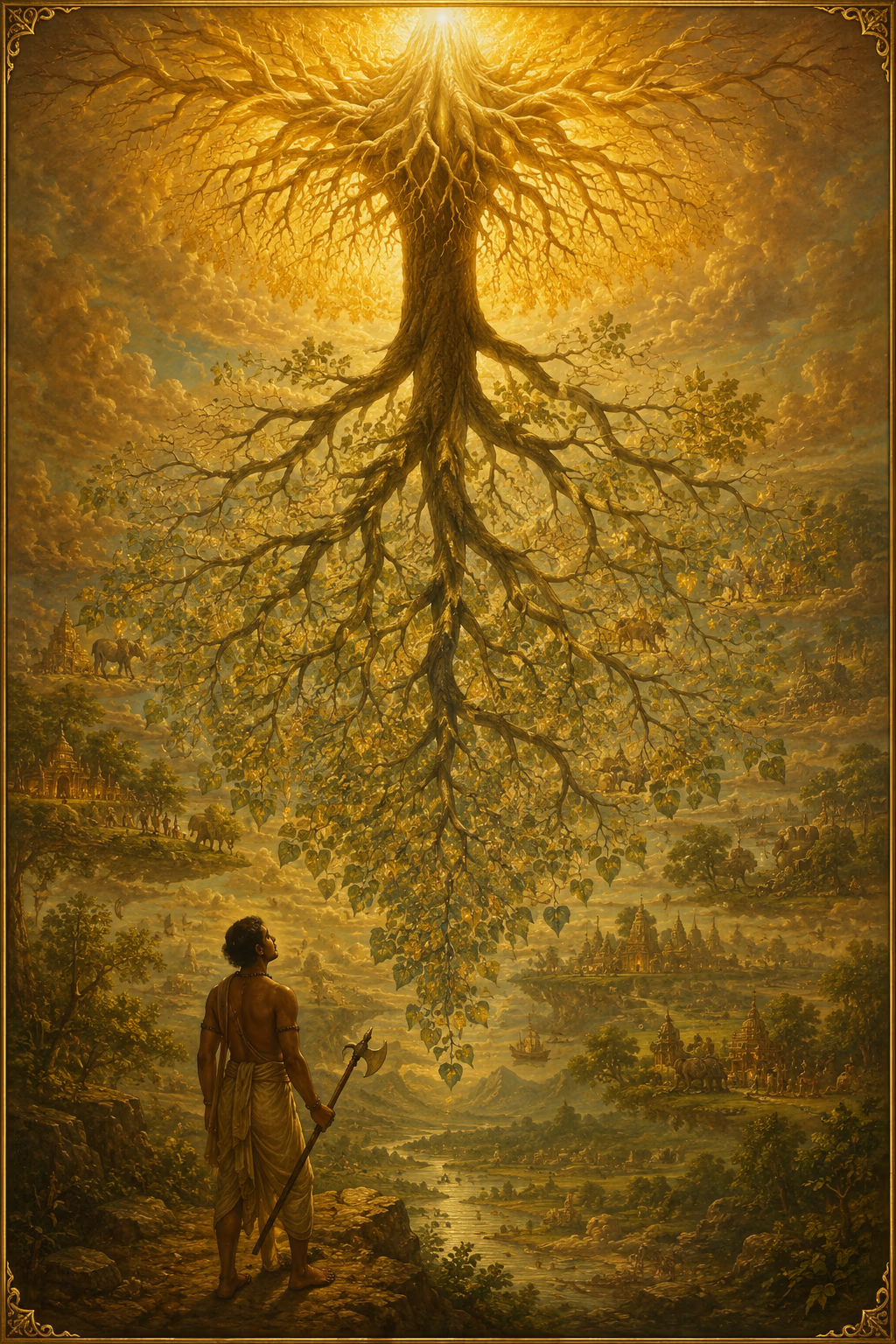
पन्द्रहवाँ अध्याय, सबसे छोटे और सबसे देदीप्यमान अध्यायों में से एक, पूरी गीता को संक्षेप में दे देता है — श्रीकृष्ण स्वयं इसे 'सबसे गुह्य शास्त्र' कहते हैं (१५·२०)। यह एक चौंका देने वाले चित्र से खुलता है: संसार एक उलटा पीपल का वृक्ष है — जड़ें ऊपर परमात्मा में, शाखाएँ नीचे लोकों में फैली हुई, गुणों से सिंचित, विषय-भोग जिसकी कोंपलें, वेद-मन्त्र जिसके पत्ते (१५·१-२)। इसके भीतर फँसा कोई इसका असली रूप नहीं देख सकता; इसलिये 'वैराग्य रूपी दृढ़ कुल्हाड़ी से इस दृढ़-मूल वृक्ष को काटकर' उस आदिपुरुष को खोजो, वह लक्ष्य जहाँ से कोई नहीं लौटता (१५·३-४)। फिर अध्याय का कोमल हृदय: 'मेरा ही सनातन अंश इस जीवलोक में जीवात्मा बनता है' (ममैवांशो, १५·७) — मन सहित इन्द्रियों को एक शरीर से दूसरे में वायु पर गन्ध की भाँति ले जाता हुआ (१५·८)। सूर्य, चन्द्र और अग्नि का प्रकाश उन्हीं का है; वे पृथ्वी और चन्द्र रूप से सबका पोषण करते हैं और भीतर की अग्नि रूप से पचाते हैं (१५·१२-१४); और 'मैं सबके हृदय में स्थित हूँ; मुझसे स्मृति, ज्ञान और उनका अभाव होता है; सब वेदों से जानने योग्य मैं ही हूँ' (१५·१५)। अन्ततः शिखर: क्षर (सब प्राणी) और अक्षर से परे है **पुरुषोत्तम**, वह परम पुरुष जो तीनों लोकों में व्याप्त होकर उन्हें धारण करता है — 'क्योंकि मैं क्षर से अतीत और अक्षर से भी उत्तम हूँ, इसलिये पुरुषोत्तम कहलाता हूँ' (१५·१६-१८)। उन्हें इस प्रकार जानना ही सम्पूर्ण भाव से उनका भजन करना है (१५·१९)।
Chapter 15, one of the shortest and most luminous, gives the whole Gita in miniature — Krishna Himself calls it 'the most secret teaching' (15.20). It opens with a startling image: the world is an aśvattha (pīpal) tree turned upside-down — roots above in the Divine, branches spreading downward into the worlds, fed by the guṇas, its twigs the sense-objects, its leaves the Vedic hymns (15.1–2). No one trapped inside it can see its true form; so 'with the strong axe of non-attachment, cut this firmly-rooted tree' and seek the original Person, the goal from which none return (15.3–4). Then the chapter's tender heart: 'an eternal fragment of My own Self becomes the living soul in the world' (mamaivāṁśo, 15.7) — carrying the senses and mind from body to body like fragrance on the wind (15.8). The light in sun, moon and fire is His; He nourishes all as earth and moon, and digests as the inner fire (15.12–14); and 'I am seated in the hearts of all; from Me come memory, knowledge, and their loss; I alone am to be known by all the Vedas' (15.15). Finally the summit: beyond the perishable (kṣara, all beings) and the imperishable (akṣara) is the **Puruṣottama**, the Supreme Person who pervades and upholds the three worlds — 'because I transcend the perishable and surpass even the imperishable, I am known as Puruṣottama' (15.16–18). To know Him thus is to worship Him with one's whole being (15.19).
“अश्वत्थ — ऊर्ध्वमूल संसार-वृक्ष” ॥ १–३ ॥ · मूल चित्र — इस परियोजना हेतु
एक तेजोमय पीपल उलटा उगता है — जड़ें ऊपर दिव्य स्वर्ण-आकाश (मूल स्रोत) में, शाखाएँ नीचे लोकों में फैली; तल पर लघु साधक वैराग्य की कुल्हाड़ी लिए ऊपर देखता है।
A luminous pīpal grows upside-down — roots reaching up into the golden divine sky (the Source), branches spreading into the worlds below; at its base a small seeker gazes up, the axe of non-attachment in hand.
śrībhagavānuvāca ūrdhvamūlamadhaḥśākhamaśvatthaṁ prāhuravyayam । chandāṁsi yasya parṇāni yastaṁ veda sa vedavit ॥
✦ tap a glowing wordचमकते शब्द छुएँ ✦
श्रीभगवान् बोले—आदि पुरुष परमेश्वर रूप मूल वाले और ब्रह्मा रूप मुख्य शाखा वाले जिस संसार रूप पीपल के वृक्ष को अविनाशी कहते हैं; तथा वेद जिसके पत्ते कहे गये हैं—उस संसार रूप वृक्ष को जो पुरुष मूल सहित तत्त्व से जानता है, वह वेद के तात्पर्य को जानने वाला है
The Blessed Lord said: They speak of an imperishable aśvattha tree with its root above and branches below, whose leaves are the Vedic hymns. He who knows it is a knower of the Vedas.
सरल अर्थ: श्रीभगवान् बोले — ज्ञानी लोग इस संसार को एक अविनाशी पीपल के वृक्ष के समान बताते हैं, जिसकी जड़ ऊपर (परमेश्वर में) और शाखाएँ नीचे (संसार में) फैली हुई हैं, और वेदों के मन्त्र जिसके पत्ते हैं। जो इस संसाररूपी वृक्ष को (इसके वास्तविक स्वरूप सहित) जान लेता है, वही सच्चा वेदज्ञ है।In simple words: The Lord describes the universe as an upside-down pipal (sacred fig) tree: its root is up in God, its branches spread down into the world, and the Vedic verses are its leaves. Whoever truly understands this tree understands the Vedas.
उस संसार वृक्ष की तीनों गुणों रूप जल के द्वारा बढ़ी हुई एवं विषय भोग रूप कोंपलों वाली देव, मनुष्य और तिर्यक् आदि योनि रूप शाखाएँ नीचे और ऊपर सर्वत्र फैली हुई हैं तथा मनुष्य लोक में कर्मों के अनुसार बाँधने वाली अहंता, ममता और वासना रूप जड़ें भी नीचे और ऊपर सभी लोकों में व्याप्त हो रही हैं
Below and above spread its branches, nourished by the guṇas, with sense-objects for their twigs; and below, its roots stretch forth, binding to action in the world of men.
सरल अर्थ: इस संसाररूपी वृक्ष की शाखाएँ नीचे और ऊपर—दोनों ओर फैली हुई हैं; वे तीनों गुणों (सत्त्व-रज-तम) से बढ़ी हुई हैं और विषय-भोग ही उनकी कोंपलें (नये कोमल पत्ते) हैं। तथा कर्मों के बन्धन में बाँधने वाली इसकी जड़ें (वासनाएँ) नीचे की ओर मनुष्यलोक में फैली हुई हैं।In simple words: The tree's branches spread both downward and upward; they grow fed by the three guṇas (qualities of nature), and sense-pleasures are their sprouting shoots. Its secondary roots also reach downward into the human world, tying beings to their actions.
na rūpamasyeha tathopalabhyate nānto na cādirna ca sampratiṣṭhā । aśvatthamenaṁ suvirūḍhamūlaṁ asaṅgaśastreṇa dṛḍhena chittvā ॥
इस संसार वृक्ष का स्वरूप जैसा कहा है वैसा यहाँ विचार-काल में नहीं पाया जाता है। क्योंकि न तो इसका आदि है, न अन्त है तथा न इसकी अच्छी प्रकार से स्थिति ही है। इसलिये इस अहंता, ममता और वासना रूप अति दृढ मूलों वाले संसार रूप पीपल के वृक्ष को दृढ वैराग्य रूप शस्त्र द्वारा काटकर—
Its form is not perceived here as such — neither its end, nor its beginning, nor its foundation. Having cut down this aśvattha, whose roots are firmly grown, with the strong axe of non-attachment —
सरल अर्थ: इस संसाररूपी वृक्ष का स्वरूप जैसा कहा गया है, वैसा यहाँ (विचार किये बिना) दिखाई नहीं देता; न इसका अन्त जाना जाता है, न आदि और न इसकी स्थिति (आधार)। इस दृढ़ मूलों वाले पीपल के वृक्ष को वैराग्यरूपी मजबूत शस्त्र (कुल्हाड़ी) के द्वारा भलीभाँति काटकर —In simple words: From within the world we cannot really see this tree as it is — its end, its beginning, and its base all stay hidden. One must cut down this deeply-rooted pipal tree with the firm weapon of detachment — (the sentence continues into the next verse).
उसके पश्चात् उस परम पद रूप परमेश्वर को भलीभाँति खोजना चाहिये, जिसमें गये हुए पुरुष फिर लौटकर संसार में नहीं आते और जिस परमेश्वर से इस पुरातन संसार-वृक्ष की प्रवृत्ति विस्तार को प्राप्त हुई है, उसी आदि पुरुष नारायण के मैं शरण हूँ—इस प्रकार दृढ निश्चय करके उस परमेश्वर का मनन और निदिध्यासन करना चाहिये
— thereafter that state is to be sought, reaching which they return no more; thinking, "I take refuge in that very Primal Person, from whom the ancient activity of creation streamed forth."
सरल अर्थ: — इसके पश्चात् उस परमपद की भलीभाँति खोज करनी चाहिए, जहाँ पहुँच जाने पर मनुष्य फिर (संसार में) लौटकर नहीं आते। और (इस भाव से कि) 'जिस आदिपुरुष से यह सनातन सृष्टि-प्रवृत्ति फैली है, उसी आदिपुरुष की मैं शरण लेता हूँ' — इस प्रकार उसकी शरण लेनी चाहिए।In simple words: After cutting the tree, one should search out that supreme goal — once reached, no one comes back to this world. He should surrender, feeling: "I take refuge in that very first Person, the original Being from whom this age-old flow of creation came forth."
nirmānamohā jitasaṅgadoṣā adhyātmanityā vinivṛttakāmāḥ । dvandvairvimuktāḥ sukhaduḥkhasaṁjñairgacchantyamūḍhāḥ padamavyayaṁ tat ॥
जिनका मान और मोह नष्ट हो गया है, जिन्होंने आसक्ति रूप दोष को जीत लिया है, जिनकी परमात्मा के स्वरूप में नित्य स्थिति है और जिनकी कामनाएँ पूर्ण रूप से नष्ट हो गयी हैं—वे सुख-दुःख नामक द्वन्द्वों से विमुक्त ज्ञानीजन उस अविनाशी परमपद को प्राप्त होते हैं
Free from pride and delusion, having conquered the evil of attachment, ever dwelling in the Self, with desires turned away, released from the dualities known as pleasure and pain — the undeluded reach that imperishable state.
सरल अर्थ: जो मान और मोह से रहित हैं, जिन्होंने आसक्ति के दोष को जीत लिया है, जो निरन्तर परमात्मा के स्वरूप में स्थित हैं, जिनकी कामनाएँ पूर्णतया शान्त हो गई हैं और जो सुख-दुःख नामक द्वन्द्वों से छूट चुके हैं — ऐसे मोहरहित ज्ञानी पुरुष उस अविनाशी परमपद को प्राप्त होते हैं।In simple words: Those who are free of pride and confusion, who have overcome the fault of attachment, who stay rooted in the Self, whose cravings have died down, and who are released from the opposites called pleasure and pain — these clear-seeing ones reach that imperishable, eternal goal.
na tadbhāsayate sūryo na śaśāṅko na pāvakaḥ । yadgatvā na nivartante taddhāma paramaṁ mama ॥
जिस परमपद को प्राप्त होकर मनुष्य लौटकर संसार में नहीं आते, उस स्वयं प्रकाश परमपद को न सूर्य प्रकाशित कर सकता है, न चन्द्रमा और न अग्नि ही, वही मेरा परमधाम है
Neither the sun illumines it, nor the moon, nor fire; that is My supreme abode, reaching which they do not return.
सरल अर्थ: उस परमपद को न सूर्य प्रकाशित करता है, न चन्द्रमा और न अग्नि; जहाँ पहुँचकर मनुष्य फिर लौटकर संसार में नहीं आते, वही मेरा परम धाम (सर्वोच्च निवास) है। (वह स्वयं-प्रकाश है, उसे किसी बाहरी प्रकाश की आवश्यकता नहीं।)In simple words: That supreme abode is not lit by the sun, the moon, or fire — it shines by its own light. Reaching it, beings never come back to this world. That is God's highest dwelling-place.
इस देह में यह सनातन जीवात्मा मेरा ही अंश है और वही इन प्रकृति में स्थित मन और पाँचों इन्द्रियों को आकर्षण करता है
An eternal fragment of My very Self, having become the living being in the world of the living, draws to itself the senses, of which the mind is the sixth, abiding in Nature.
सरल अर्थ: इस जीवलोक में सनातन जीवात्मा मेरा ही अंश है। वही जीव प्रकृति में स्थित मन सहित छहों इन्द्रियों (पाँच ज्ञानेन्द्रियाँ तथा छठा मन) को अपनी ओर आकर्षित करता है (अर्थात् इन्हें ग्रहण करके भोग करता है)।In simple words: The eternal living self in this world is a part of God's own being. That individual soul draws to itself the five senses together with the mind as the sixth — all of which belong to material nature — and works through them.
वायु गन्ध के स्थान से गन्ध को जैसे ग्रहण करके ले जाता है, वैसे ही देहादि का स्वामी जीवात्मा भी जिस शरीर का त्याग करता है, उससे इन मनसहित इन्द्रियों को ग्रहण करके फिर जिस शरीर को प्राप्त होता है, उसमें जाता है
When the lord of the body acquires a body, and likewise when it departs from one, it goes carrying these (the senses and the mind) along with it, as the wind carries fragrances from their source.
सरल अर्थ: यह जीवात्मा अपने शरीर का स्वामी है। जैसे वायु फूलों के पास से उनकी सुगन्ध को साथ ले जाती है, वैसे ही जब यह जीव एक शरीर को छोड़कर दूसरा शरीर ग्रहण करता है, तब वह इन मन सहित छहों इन्द्रियों को अपने साथ लेकर जाता है। अर्थात् मृत्यु के समय जीव अकेला नहीं जाता, अपने सूक्ष्म इन्द्रिय-मन के संस्कारों को साथ लेकर ही नया शरीर पाता है।In simple words: The soul is the master of the body. Just as the wind carries the scent of flowers away with it, when the soul leaves one body and takes up another, it carries the mind and the senses along with it. So at death the soul does not go empty-handed; it takes its subtle impressions to its next body.
śrotraṁ cakṣuḥ sparśanaṁ ca rasanaṁ ghrāṇameva ca । adhiṣṭhāya manaścāyaṁ viṣayānupasevate ॥
यह जीवात्मा श्रोत्र, चक्षु और त्वचा को तथा रसना, घ्राण और मन को आश्रय करके अर्थात् इन सबके सहारे से ही विषयों का सेवन करता है
Presiding over the ear, the eye, the sense of touch, the tongue, and the nose, as well as the mind, this soul experiences the objects of the senses.
सरल अर्थ: यह जीव कान, आँख, त्वचा, जिह्वा और नाक — इन पाँच इन्द्रियों तथा मन का आश्रय लेकर, उनके द्वारा शब्द, रूप, स्पर्श, रस और गन्ध आदि विषयों को भोगता है। अर्थात् आत्मा स्वयं तो निर्लिप्त है, पर इन्द्रियों और मन के माध्यम से ही संसार के सुख-दुःख का अनुभव करती है।In simple words: Through the ear, eye, skin, tongue, and nose, together with the mind, the soul takes in sound, form, touch, taste, and smell. The self itself is untouched, yet it experiences the world's pleasures and pains by means of these instruments.
शरीर को छोड़कर जाते हुए को अथवा शरीर में स्थित हुए को अथवा विषयों को भोगते हुए को इस प्रकार तीनों गुणों से युक्त हुए को भी अज्ञानी जन नहीं जानते, केवल ज्ञान रूप नेत्रों वाले विवेकशील ज्ञानी ही तत्त्व से जानते हैं
The deluded do not perceive it as it departs, or as it dwells in the body, or as it experiences objects in association with the qualities of nature; but those who possess the eye of knowledge do see it.
सरल अर्थ: यह जीवात्मा जब शरीर को छोड़कर जाती है, या शरीर में रहती है, या गुणों के संग से विषयों को भोगती है — इस सूक्ष्म आत्मा को मूढ़ अज्ञानी लोग नहीं देख पाते। केवल वे ही इसे देख पाते हैं जिनके पास ज्ञान-रूपी नेत्र हैं। अर्थात् आत्मा को स्थूल आँख से नहीं, विवेक-ज्ञान की दृष्टि से ही पहचाना जा सकता है।In simple words: Whether the soul is leaving the body, living in it, or enjoying sense-objects through nature's qualities, foolish people cannot perceive it. Only those who have the eye of wisdom can see it. The self is recognized not by the physical eye but by the insight of true knowledge.
यत्न करने वाले योगी जन भी अपने हृदय में स्थित इस आत्मा को तत्त्व से जानते हैं; किंतु जिन्होंने अपने अन्तःकरण को शुद्ध नहीं किया है, ऐसे अज्ञानीजन तो यत्न करते रहने पर भी इस आत्मा को नहीं जानते
The yogis who strive behold it seated within themselves; but those of unrefined minds, lacking discernment, do not behold it even though they strive.
सरल अर्थ: जो योगी प्रयत्न करते हैं, वे इस आत्मा को अपने ही हृदय में स्थित देख लेते हैं। परन्तु जिनका अन्तःकरण शुद्ध नहीं हुआ और जो विवेकहीन हैं, वे प्रयत्न करते हुए भी इस आत्मा को नहीं देख पाते। अर्थात् आत्म-दर्शन के लिए केवल प्रयास ही नहीं, मन की शुद्धि और सही दृष्टि भी आवश्यक है।In simple words: Yogis who make sincere effort see this self residing within their own heart. But those whose minds are impure and who lack discernment fail to see it even when they try. Self-realization needs not just effort, but also a purified mind and the right inner vision.
सूर्य में स्थित जो तेज सम्पूर्ण जगत् को प्रकाशित करता है तथा जो तेज चन्द्रमा में है और जो अग्नि में है—उसको तू मेरा ही तेज जान
Know that the light which resides in the sun and illumines the whole world, and that which is in the moon and in fire — that radiance is Mine.
सरल अर्थ: जो तेज सूर्य में रहकर सम्पूर्ण जगत् को प्रकाशित करता है, और जो प्रकाश चन्द्रमा में तथा अग्नि में है — उस सबको तुम मेरा ही तेज जानो। अर्थात् संसार में जो भी प्रकाश और चमक दिखाई देती है, उसका मूल स्रोत एक भगवान् ही हैं।In simple words: The light in the sun that brightens the entire world, and the light found in the moon and in fire — know all of it to be God's own radiance. Every glow and brilliance in the universe has the one Lord as its source.
और मैं ही पृथ्वी में प्रवेश करके अपनी शक्ति से सब भूतों को धारण करता हूँ और रस स्वरूप अर्थात् अमृतमय चन्द्रमा होकर सम्पूर्ण ओषधियों को अर्थात् वनस्पतियों को पुष्ट करता हूँ
Entering the earth, I support all beings by My energy; and becoming the moon, full of sap, I nourish all the plants.
सरल अर्थ: मैं ही पृथ्वी में प्रवेश करके अपनी शक्ति से सब प्राणियों को धारण करता हूँ, और रस से भरा हुआ चन्द्रमा बनकर सब वनस्पतियों तथा ओषधियों को पुष्ट करता हूँ। अर्थात् धरती जो सबको थामे रखती है और चाँद की अमृतमयी किरणें जो पौधों को बढ़ाती हैं — यह सब भगवान् की ही शक्ति का काम है।In simple words: Entering the earth, God upholds all living things by His power; and becoming the sap-filled moon, He nourishes all plants and herbs. The earth that holds everything up and the moon's life-giving rays that make plants grow are both expressions of God's own power.
मैं ही सब प्राणियों के शरीर में स्थित रहने वाला प्राण और अपान से संयुक्त वैश्वानर अग्नि रूप होकर चार प्रकार के अन्न को पचाता हूँ
Becoming the fire Vaiśvānara and dwelling in the bodies of living beings, joined with the in-breath and the out-breath, I digest the four kinds of food.
सरल अर्थ: मैं ही वैश्वानर अग्नि (जठराग्नि) बनकर प्राणियों के शरीर में स्थित रहता हूँ, और प्राण तथा अपान वायु से युक्त होकर चार प्रकार के अन्न को पचाता हूँ। अर्थात् पेट में जो भोजन पचाने वाली अग्नि है, वह भी भगवान् की ही शक्ति है, जिससे शरीर का पोषण होता है।In simple words: Becoming the digestive fire (Vaishvanara) within the bodies of living beings, and working together with the in-breath and out-breath, God digests the four kinds of food. The fire in our stomach that digests what we eat is itself His power, sustaining the body.
मैं ही सब प्राणियों के हृदय में अन्तर्यामी रूप से स्थित हूँ तथा मुझसे ही स्मृति, ज्ञान और अपोहन होता है और सब वेदों द्वारा मैं ही जानने के योग्य हूँ तथा वेदान्त का कर्ता और वेदों को जानने वाला भी मैं ही हूँ
And I am seated in the hearts of all; from Me arise memory, knowledge, and their loss. I alone am that which is to be known by all the Vedas; I am indeed the author of the Vedānta and the knower of the Vedas.
सरल अर्थ: मैं ही सब प्राणियों के हृदय में अन्तर्यामी रूप से स्थित हूँ। स्मृति (याद रहना), ज्ञान और इन दोनों का अभाव (भूल जाना) — ये सब मुझसे ही होते हैं। समस्त वेदों के द्वारा जानने योग्य भी मैं ही हूँ; वेदान्त का रचयिता और वेदों का यथार्थ जानने वाला भी मैं ही हूँ।In simple words: God says: I dwell in the heart of every being. Memory, understanding, and the loss of them all come from Me. The real goal of all the Vedas is to know Me; I am the source of Vedanta and the true knower of the Vedas.
dvāvimau puruṣau loke kṣaraścākṣara eva ca । kṣaraḥ sarvāṇi bhūtāni kūṭastho'kṣara ucyate ॥
इस संसार में नाशवान् और अविनाशी भी, ये दो प्रकार के पुरुष हैं। इनमें सम्पूर्ण भूत प्राणियों के शरीर तो नाशवान् और जीवात्मा अविनाशी कहा जाता है
There are these two Persons in the world: the perishable and the imperishable. All beings are the perishable; the unchanging is called the imperishable.
सरल अर्थ: इस संसार में दो प्रकार के पुरुष हैं — एक नाशवान् (क्षर) और दूसरा अविनाशी (अक्षर)। सम्पूर्ण प्राणियों के शरीर तो क्षर (नाशवान्) हैं, और जो कूटस्थ (निर्विकार, अपरिवर्तनशील) है उसे अक्षर (अविनाशी) कहा जाता है।In simple words: There are two kinds of 'person' in the world: the changing and the unchanging. All the bodies of living beings are the perishable kind; the steady, never-altering one is called the imperishable.
uttamaḥ puruṣastvanyaḥ paramātmetyudāhṛtaḥ । yo lokatrayamāviśya bibhartyavyaya īśvaraḥ ॥
इन दोनों से उत्तम पुरुष तो अन्य ही है, जो तीनों लोकों में प्रवेश करके सबका धारण-पोषण करता है एवं अविनाशी परमेश्वर और परमात्मा—इस प्रकार कहा गया है
But the Supreme Person is yet another, spoken of as the Highest Self — the imperishable Lord who, entering the three worlds, sustains them.
सरल अर्थ: परन्तु उत्तम पुरुष तो इन दोनों से भिन्न (तीसरा) है, जो 'परमात्मा' कहलाता है। वह अविनाशी ईश्वर तीनों लोकों में प्रवेश करके सबका भरण-पोषण और धारण करता है।In simple words: But the Supreme Person is a third, different from both — called the Highest Self. He is the changeless Lord who enters the three worlds and supports and upholds them all.
yasmātkṣaramatīto'hamakṣarādapi cottamaḥ । ato'smi loke vede ca prathitaḥ puruṣottamaḥ ॥
क्योंकि मैं नाशवान् जडवर्ग-क्षेत्र से तो सर्वथा अतीत हूँ और अविनाशी जीवात्मा से भी उत्तम हूँ, इसलिये लोक में और वेद में भी पुरुषोत्तम नाम से प्रसिद्ध हूँ
Because I transcend the perishable and am higher even than the imperishable, therefore in the world and in the Veda I am celebrated as Puruṣottama, the Supreme Person.
सरल अर्थ: क्योंकि मैं नाशवान् (क्षर) से तो सर्वथा अतीत (परे) हूँ और अविनाशी (अक्षर) से भी श्रेष्ठ हूँ, इसलिए लोक में और वेद में मैं 'पुरुषोत्तम' (पुरुषों में उत्तम) नाम से प्रसिद्ध हूँ।In simple words: Since I am beyond the perishable and higher even than the imperishable, both ordinary speech and the Vedas know Me by the name Purushottama — the Supreme among all persons.
yo māmevamasammūḍho jānāti puruṣottamam । sa sarvavidbhajati māṁ sarvabhāvena bhārata ॥
✦ tap a glowing wordचमकते शब्द छुएँ ✦
हे भारत! जो ज्ञानी पुरुष मुझको इस प्रकार तत्त्व से पुरुषोत्तम जानता है, वह सर्वज्ञ पुरुष सब प्रकार से निरन्तर मुझ वासुदेव परमेश्वर को ही भजता है
He who, undeluded, thus knows Me as the Supreme Person — he, knowing all, worships Me with his whole being, O Bhārata.
सरल अर्थ: हे भारत (अर्जुन)! जो ज्ञानी पुरुष मोह से रहित होकर इस प्रकार मुझे पुरुषोत्तम जानता है, वह सब कुछ जानने वाला होकर सम्पूर्ण भाव से (अपने पूरे अन्तःकरण से) मेरा ही भजन करता है।In simple words: Whoever, free of delusion, knows Me in this way as the Supreme Person knows all that needs knowing; and he worships Me with his whole heart and being, Arjuna.
हे निष्पाप अर्जुन! इस प्रकार यह अति रहस्य युक्त गोपनीय शास्त्र मेरे द्वारा कहा गया, इसको तत्त्व से जानकर मनुष्य ज्ञानवान् और कृतार्थ हो जाता है
Thus this most secret teaching has been declared by Me, O sinless one. Understanding this, a man becomes wise and has fulfilled all that is to be done, O Bhārata.
सरल अर्थ: हे निष्पाप अर्जुन! इस प्रकार यह अत्यन्त गोपनीय (रहस्यमय) शास्त्र मैंने तुझसे कह दिया। हे भारत! इसको तत्त्व से जानकर मनुष्य ज्ञानवान् और कृतकृत्य (जिसके सब कर्तव्य पूरे हो गये हों, ऐसा) हो जाता है।In simple words: God concludes: O sinless Arjuna, I have now told you this most secret teaching. Whoever truly understands it becomes wise and has accomplished everything worth accomplishing in life.
अश्वत्थ-विवेक — संसार-वृक्ष को देखो, आसक्ति काटो, मूल को खोजोAśvattha-viveka — see the world-tree, cut the clinging, seek the root
पन्द्रहवाँ अध्याय अपनी साधना स्वयं बताता है (१५·३-४): संसार को स्पष्ट रूप से उस उलटे वृक्ष के रूप में देखो — जिसका असली मूल ऊपर, परमात्मा में है; जिसकी अनगिनत शाखाएँ वे परिस्थितियाँ, लोग और भोग हैं जिनमें हम खो जाते हैं — और 'वैराग्य रूपी दृढ़ कुल्हाड़ी' (असंग-शस्त्र) से उस आसक्ति को काटो जो तुम्हें शाखाओं में भटकाती रहती है, फिर मूल की ओर मुड़ो। यह विवेक और वैराग्य का चिन्तन है: जीवन का त्याग नहीं, बल्कि जो टिक नहीं सकता उसकी पकड़ ढीली करना, और स्रोत की ओर फिर से लक्ष्य साधना — १५·७ के साथ यह स्मरण रखते हुए कि तुम स्वयं उस स्रोत के ही अंश हो।Chapter 15 prescribes its own practice (15.3–4): see saṁsāra clearly as the upside-down tree — its real root above, in the Divine; its endless branches the situations, people and pleasures we get lost in — and 'with the strong axe of non-attachment' (asaṅga-śastra) cut the clinging that keeps you wandering its branches, then turn toward the Root. This is a contemplation in viveka (discernment) and vairāgya (non-attachment): not rejecting life, but loosening the grip of what cannot last, and re-aiming at the Source — remembering, with 15.7, that you are yourself a fragment of that Source.
बैठो और अपने जीवन को उस उलटे वृक्ष के रूप में देखो: शाखाएँ वह सब हैं जिनमें तुम उलझे हो — चिन्ताएँ, वस्तुएँ, सम्बन्ध, भोग, भय। बिना निर्णय किये बस पूरे विस्तार को देखो।Sit and picture your life as the inverted tree: the branches are everything you are entangled in — worries, possessions, relationships, pleasures, fears. Just see the whole spread, without judging it.
एक शाखा चुनो जिसमें तुम इस समय सबसे अधिक जकड़े हो। ईमानदारी से पूछो: क्या यह टिकेगा? यह मूल है या शाखा? अनुभव करो कि इससे चिपकना ही तुम्हें वृक्ष में झुलाता रहता है।Pick one branch you are most gripped by right now. Ask honestly: will this last? is it the root, or a branch? Feel how clinging to it keeps you swinging in the tree.
'वैराग्य की कुल्हाड़ी' लाओ: उससे घृणा करके या उसे फेंककर नहीं, बल्कि मौन में अपनी पकड़ छोड़कर — 'मैं इसे हल्के से थाम सकता हूँ; यह शाखा है, मेरा मूल नहीं।' मन की मुट्ठी ढीली होने दो।Bring the 'axe of non-attachment': not by hating or discarding it, but by silently releasing your grip — 'I can hold this lightly; it is a branch, not my root.' Let the knuckles of the mind loosen.
अब मूल की ओर मुड़ो — ऊपर का वह स्रोत, जिसमें वृक्ष लटका है और जिसके तुम अंश हो (१५·७)। कुछ श्वासों के लिये अपनी चाह को वहीं टिकाओ: 'मैं उस आदि-स्रोत को खोजता हूँ जहाँ से कोई नहीं लौटता।'Now turn toward the Root — the Source above, in which the tree hangs and of which you are a fragment (15.7). Rest your longing there for a few breaths: 'I seek the Origin from which none return.'
क्या देखें: What to notice: ध्यान दो कि एक आसक्ति ढीली करने से जीवन ठंडा नहीं होता — हल्का हो जाता है, और विचित्र रूप से अधिक उपस्थित। शाखा अब भी वहीं है; तुम बस अब उससे लटके नहीं हो। वही हल्कापन वैराग्य है — रुखापन नहीं, बल्कि मूल की ओर मुड़ी हुई स्वतन्त्रता।Notice that loosening one clinging doesn't make life colder — it makes it lighter, and oddly more present. The branch is still there; you are simply no longer hanging from it. That lightness is vairāgya — not coldness, but freedom turned toward the Root.
अनुभव · स्वयं देखेंAnubhava · see for yourself
आज एक वस्तु चुनो जिससे तुम चिपके हो — कोई परिणाम, कोई बैर, कोई तृष्णा — और कुछ घंटे उसे हल्के से थामने का अभ्यास करो: 'शाखा, मेरा मूल नहीं।' उस शाम पूछो: क्या उस एक पकड़ को ढीला करने से तुम अधिक स्वतन्त्र, और चुपचाप किसी गहरे की ओर मुड़े हुए अनुभव हुए? वही मूल की ओर मुड़ना १५·४ की यात्रा है, जो तुमने अपने ही दिन में चखी।
Today, pick one thing you're clinging to — an outcome, a grudge, a craving — and practise holding it lightly for a few hours: 'a branch, not my root.' That evening, ask: did loosening that one grip leave you freer, and quietly turned toward something deeper? That turning toward the Root is the journey of 15.4, tasted in your own day.
ॐ तत्सदिति श्रीमद्भगवद्गीतासूपनिषत्सु ब्रह्मविद्यायां योगशास्त्रे श्रीकृष्णार्जुनसंवादे पुरुषोत्तमयोगो नाम पञ्चदशोऽध्यायः ॥ १५ ॥
॥ इस प्रकार उपनिषद्, ब्रह्मविद्या तथा योगशास्त्र रूप श्रीमद्भगवद्गीता के श्रीकृष्ण-अर्जुन संवाद में 'पुरुषोत्तमयोग' नामक पन्द्रहवाँ अध्याय पूर्ण हुआ ॥