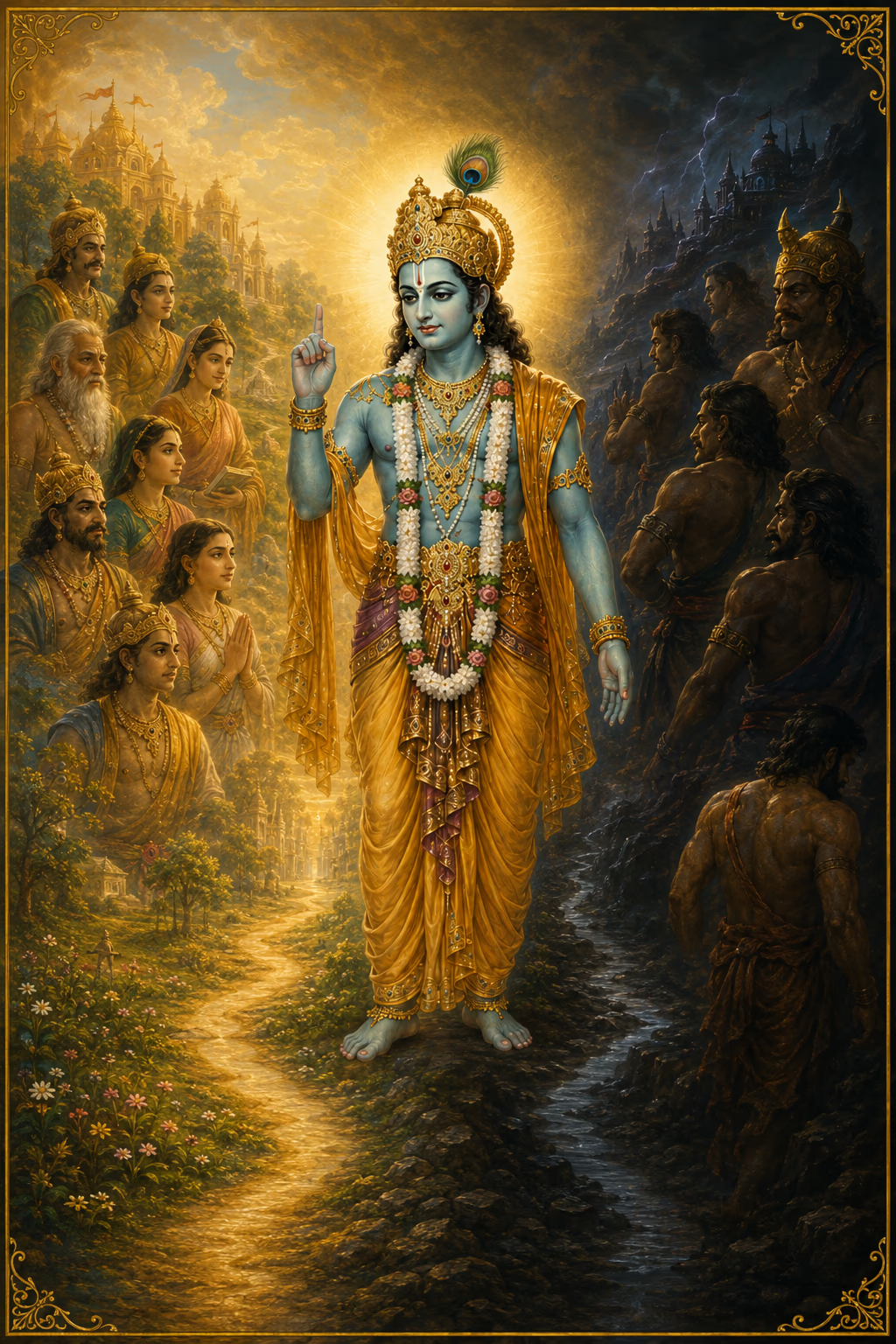
सोलहवाँ अध्याय समस्त मानव-स्वभाव को दो धाराओं में बाँटता है — दैवी सम्पदा ('दिव्य सम्पत्ति') और आसुरी सम्पदा ('आसुरी')। श्रीकृष्ण दैवी स्वभाव के एक देदीप्यमान चित्र से आरम्भ करते हैं (१६·१-३): अभय, अन्तःकरण की शुद्धि, ज्ञान में स्थिति, दान, इन्द्रिय-संयम, यज्ञ, स्वाध्याय, तप, सरलता; अहिंसा, सत्य, अक्रोध, त्याग, शान्ति, दया, कोमलता, लज्जा, और निन्दा व अभिमान से रहितता। इसके सामने आसुरी (१६·४): दम्भ, घमण्ड, अभिमान, क्रोध, कठोरता और अज्ञान। दैवी मुक्ति की ओर ले जाती है, आसुरी बन्धन की ओर — और श्रीकृष्ण आश्वासन देते हैं कि अर्जुन दैवी सम्पदा को प्राप्त है (१६·५-६)। फिर वे आसुरी मन का अविस्मरणीय चित्र खींचते हैं (१६·७-१८): जो कर्तव्य-अकर्तव्य का भेद नहीं जानते; जो कहते हैं संसार असत्य है, ईश्वर-रहित है, केवल काम से उत्पन्न है; जो सैकड़ों आशाओं में बँधे, काम-क्रोध के दास, किसी भी उपाय से धन बटोरते हैं और सोचते हैं 'मैं ही स्वामी हूँ, मैं ही भोक्ता हूँ, मैं ही सिद्ध हूँ' — और गिर जाते हैं। और अध्याय का व्यावहारिक सार, १६·२१: 'काम, क्रोध और लोभ — ये तीन नरक के द्वार हैं, जो आत्मा का नाश करते हैं; इसलिये इन तीनों को त्याग देना चाहिये।' इनसे मुक्त होकर मनुष्य श्रेष्ठ मार्ग पर चलता है (१६·२२); और कर्तव्य-अकर्तव्य में शास्त्र ही प्रमाण हो (१६·२३-२४)।
Chapter 16 sorts the whole of human character into two streams — the daivī sampad, the 'divine treasure', and the āsurī sampad, the 'demonic'. Krishna opens with a luminous portrait of the divine nature (16.1–3): fearlessness, purity of heart, steadfastness in knowledge, charity, self-control, sacrifice, study, austerity, straightness; non-violence, truth, freedom from anger, renunciation, peace, compassion, gentleness, modesty, freedom from malice and pride. Against it stands the demonic (16.4): hypocrisy, arrogance, conceit, anger, harshness, ignorance. The divine leads to liberation, the demonic to bondage — and Arjuna, Krishna reassures, is born to the divine (16.5–6). He then paints the demonic mind unforgettably (16.7–18): those who cannot tell right action from wrong; who say the world is without truth, without God, born only of desire; who, bound by a hundred hopes, slaves to lust and anger, amass wealth by any means and think 'I am the lord, I am the enjoyer, I am perfect' — and so fall. And the chapter's practical core, 16.21: 'Three are the gates of this hell, destroying the self — lust, anger and greed (kāma, krodha, lobha); therefore let one abandon these three.' Free of them, one walks the higher path (16.22); and let scripture be one's guide for what to do and not do (16.23–24).
“दैवी और आसुरी — प्रकाश बनाम छाया” ॥ ५ ॥ · मूल चित्र — इस परियोजना हेतु
मध्य में विभाजक प्रकाश-रूप श्रीकृष्ण; एक ओर स्वर्ण-आभा में शान्त, निर्भय, करुण दैवी सम्पद्, दूसरी ओर मन्द छाया में मुख फेरती आसुरी प्रवृत्ति — मुक्ति और बन्धन के दो मार्ग।
Krishna as the dividing light at the centre; on one side, in golden radiance, the calm, fearless, compassionate divine natures, on the other, turning into shadow, the demonic — the two paths of liberation and bondage.
श्रीभगवान् बोले—भय का सर्वथा अभाव, अन्तःकरण की पूर्ण निर्मलता, तत्त्वज्ञान के लिये ध्यान योग में निरन्तर दृढ़ स्थिति और सात्त्विक दान, इन्द्रियों का दमन, भगवान्, देवता और गुरुजनों की पूजा तथा अग्निहोत्र आदि उत्तम कर्मों का आचरण एवं वेद-शास्त्रों का पठन-पाठन तथा भगवान् के नाम और गुणों का कीर्तन, स्वधर्मपालन के लिये कष्ट सहन और शरीर तथा इन्द्रियों के सहित अन्तःकरण की सरलता,
The Blessed Lord said: Fearlessness, purity of heart, steadfastness in the yoga of knowledge, charity, control of the senses, sacrifice, study of scripture, austerity, and uprightness;
सरल अर्थ: श्रीभगवान् बोले — भय का सर्वथा अभाव, अन्तःकरण की पूर्ण निर्मलता, तत्त्वज्ञान के लिये ध्यानयोग में निरन्तर दृढ़ स्थिति, सात्त्विक दान, इन्द्रियों का दमन (वश में रखना), भगवान्-देवता-गुरुजनों का पूजन तथा यज्ञ आदि उत्तम कर्म, वेद-शास्त्रों का पठन-पाठन और भगवान् के नाम-गुणों का कीर्तन (स्वाध्याय), स्वधर्म-पालन के लिये कष्ट सहना (तप), तथा शरीर, इन्द्रियों और अन्तःकरण की सरलता (आर्जव) — (ये दैवी सम्पदा के लक्षण हैं, जो आगे के श्लोकों में भी चलते हैं)।In simple words: The Lord begins listing the divine treasure — the noble qualities of one born with a godly nature. They are: fearlessness, an utterly pure heart, firmly staying in the yoga of true knowledge, giving in charity, mastery over the senses, worship and sacrifice, study of scripture, austerity, and inner-and-outer straightforwardness (no crookedness). The list continues into the next verses.
मन, वाणी और शरीर से किसी प्रकार भी किसी को कष्ट न देना, यथार्थ और प्रिय भाषण, अपना अपकार करने वाले पर भी क्रोध का न होना, कर्मों में कर्तापन के अभिमान का त्याग, अन्तःकरण की उपरति अर्थात् चित्त की चञ्चलता का अभाव, किसी की भी निन्दादि न करना, सब भूतप्राणियों में हेतु रहित दया, इन्द्रियों का विषयों के साथ संयोग होने पर भी उनमें आसक्ति का न होना, कोमलता, लोक और शास्त्र से विरुद्ध आचरण में लज्जा और व्यर्थ चेष्टाओं का अभाव,
non-violence, truthfulness, absence of anger, renunciation, tranquillity, abstaining from slander, compassion towards all beings, freedom from greed, gentleness, modesty, and steadiness;
सरल अर्थ: मन, वाणी और शरीर से किसी प्राणी को कष्ट न देना (अहिंसा), यथार्थ और प्रिय बोलना (सत्य), अपना अपकार करने वाले पर भी क्रोध न करना (अक्रोध), कर्मों में कर्तापन के अभिमान का त्याग, अन्तःकरण की शान्ति यानी चित्त की चंचलता का अभाव, किसी की भी निन्दा न करना (अपैशुन), सब प्राणियों पर बिना कारण दया, इन्द्रियों के विषयों के संयोग में भी आसक्ति न होना (अलोलुप्त्व), कोमलता (मार्दव), लोक और शास्त्र के विरुद्ध आचरण में लज्जा (ह्री), और व्यर्थ चेष्टाओं का अभाव (अचापल)।In simple words: The divine qualities continue: harming no one in thought, word, or deed; speaking truthfully and kindly; not flaring into anger even at those who wrong you; letting go of the sense of doership; inner peace and a still mind; never backbiting or slandering; compassion for all creatures; freedom from craving even when the senses meet their objects; gentleness; a sense of shame at doing wrong; and not fidgeting about in useless, restless activity.
तेज, क्षमा, धैर्य, बाहर की शुद्धि एवं किसी में भी शत्रुभाव का न होना और अपने में पूज्यता के अभिमान का अभाव—ये सब तो हे अर्जुन ! दैवी सम्पदा को लेकर उत्पन्न हुए पुरुष के लक्षण हैं
vigour, forgiveness, fortitude, purity, freedom from malice, and absence of excessive pride — these belong, O Bhārata, to one born to the divine endowment.
सरल अर्थ: तेज (प्रभावशाली ओज), क्षमा, धैर्य (धृति), बाहर की शुद्धि (शौच), किसी भी प्राणी के साथ शत्रुभाव या द्रोह का न होना (अद्रोह), और अपने में पूज्यता का अभिमान न होना (नातिमानिता) — हे भारत (अर्जुन)! ये सब दैवी सम्पदा को लेकर उत्पन्न हुए पुरुष के लक्षण हैं।In simple words: Completing the list of divine qualities: inner radiance and energy, the power to forgive, steady patience, cleanliness, bearing no ill-will or hatred towards anyone, and not being puffed up with self-importance. Arjuna, all of these are the marks of a person born with the divine nature.
हे पार्थ ! दम्भ, घमण्ड और अभिमान तथा क्रोध, कठोरता और अज्ञान भी—ये सब आसुरी-सम्पदाको लेकर उत्पन्न हुए पुरुष के लक्षण हैं
Hypocrisy, arrogance, conceit, anger, harshness, and ignorance too — these belong, O Pārtha, to one born to the demonic endowment.
सरल अर्थ: दम्भ (दिखावा, पाखण्ड), घमण्ड (दर्प), अभिमान, क्रोध, कठोरता (पारुष्य) और अज्ञान भी — हे पार्थ (अर्जुन)! ये सब आसुरी सम्पदा को लेकर उत्पन्न हुए पुरुष के लक्षण हैं।In simple words: Now the Lord names the demonic traits. Outward show and hypocrisy, arrogance, conceit, anger, harshness of speech and conduct, and ignorance — Arjuna, these are the marks of a person born with the demonic nature.
दैवी-सम्पदा मुक्ति के लिये और आसुरी-सम्पदा बाँधने के लिये मानी गयी है। इसलिये हे अर्जुन ! तू शोक मत कर, क्योंकि तू दैवी-सम्पदा को लेकर उत्पन्न हुआ है
The divine endowment is held to lead to liberation, the demonic to bondage. Grieve not, O Pāṇḍava; you are born to the divine endowment.
सरल अर्थ: दैवी सम्पदा मुक्ति के लिये और आसुरी सम्पदा बन्धन के लिये मानी गयी है। इसलिये हे अर्जुन (पाण्डव)! तू शोक मत कर, क्योंकि तू दैवी सम्पदा को लेकर ही उत्पन्न हुआ है।In simple words: The godly qualities lead a person towards freedom (moksha), while the demonic ones bind him to the cycle of birth and death. So do not worry, Arjuna — you were born with the divine nature, not the demonic one.
dvau bhūtasargau loke'smindaiva āsura eva ca । daivo vistaraśaḥ prokta āsuraṁ pārtha me śṛṇu ॥
हे अर्जुन ! इस लोक में भूतों की सृष्टि यानी मनुष्य समुदाय दो ही प्रकार का है, एक तो दैवी प्रकृतिवाला और दूसरा आसुरी प्रकृतिवाला। उनमें से दैवी प्रकृतिवाला तो विस्तारपूर्वक कहा गया, अब तू आसुरी प्रकृतिवाला मनुष्य-समुदाय को भी विस्तारपूर्वक मुझसे सुन
There are two orders of created beings in this world: the divine and the demonic. The divine has been described at length; now hear from Me, O Pārtha, about the demonic.
सरल अर्थ: हे अर्जुन! इस लोक में प्राणियों की सृष्टि (मनुष्य-समुदाय) दो ही प्रकार की है — एक दैवी प्रकृति वाली और दूसरी आसुरी प्रकृति वाली। उनमें से दैवी प्रकृति वाले का तो विस्तार से वर्णन कर दिया गया; अब हे पार्थ! तू आसुरी प्रकृति वाले को भी मुझसे विस्तारपूर्वक सुन।In simple words: In this world there are two kinds of created beings: those of divine nature and those of demonic nature. The Lord says: I have already described the divine type in detail; now, Arjuna, listen as I describe the demonic type fully.
pravṛttiṁ ca nivṛttiṁ ca janā na vidurāsurāḥ । na śaucaṁ nāpi cācāro na satyaṁ teṣu vidyate ॥
आसुरी स्वभाव वाले मनुष्य प्रवृत्ति और निवृत्ति—इन दोनों को ही नहीं जानते। इसलिये उनमें न तो बाहर-भीतर की शुद्धि है, न श्रेष्ठ आचरण है और न सत्यभाषण ही है
Demonic people know neither right action nor right abstention; in them there is found no purity, no good conduct, and no truth.
सरल अर्थ: आसुरी स्वभाव वाले मनुष्य यह नहीं जानते कि किस काम में प्रवृत्त होना चाहिए (क्या करना उचित है) और किस काम से हटना चाहिए (क्या छोड़ना उचित है)। उनमें न तो बाहर-भीतर की पवित्रता होती है, न श्रेष्ठ आचरण होता है और न ही सत्य का व्यवहार होता है।In simple words: People of a demonic nature do not understand what they should do and what they should avoid. They have no purity, no proper conduct, and no truthfulness in them.
asatyamapratiṣṭhaṁ te jagadāhuranīśvaram । aparasparasambhūtaṁ kimanyatkāmahaitukam ॥
वे आसुरी प्रकृति वाले मनुष्य कहा करते हैं कि जगत् आश्रय रहित, सर्वथा असत्य और बिना ईश्वर के, अपने-आप केवल स्त्री-पुरुष के संयोग से उत्पन्न है, अतएव केवल काम ही इसका कारण है। इसके सिवा और क्या है ?
They say the world is without truth, without moral basis, without a God; that it arises from mutual union alone, brought about by nothing but lust — what else?
सरल अर्थ: वे आसुरी लोग कहते हैं कि यह जगत् असत्य है, इसका कोई आधार (धर्म-मर्यादा) नहीं है, और इसका कोई ईश्वर भी नहीं है। यह संसार बस स्त्री-पुरुष के परस्पर संयोग से उत्पन्न हुआ है, और इसका कारण केवल काम (भोग-वासना) ही है — इसके अतिरिक्त और क्या कारण है? (अर्थात् वे केवल भोग को ही जीवन का उद्देश्य मानते हैं।)In simple words: These demonic people claim that the world is unreal, has no moral foundation, and has no God ruling it. They say it comes about merely from the union of male and female, driven by nothing but desire — what other cause could there be? In other words, they treat sense-pleasure as the only purpose of life.
इस मिथ्या ज्ञान को अवलम्बन करके—जिनका स्वभाव नष्ट हो गया है तथा जिनकी बुद्धि मन्द है, वे सबका अपकार करने वाले क्रूरकर्मी मनुष्य केवल जगत् के नाश के लिये ही समर्थ होते हैं
Clinging to this view, these ruined souls of little understanding, of cruel deeds, rise up as enemies of the world for its destruction.
सरल अर्थ: ऐसी (नास्तिक एवं भोगवादी) दृष्टि का सहारा लेकर वे नष्ट-स्वभाव वाले (आत्मा को न मानने वाले), अल्पबुद्धि और क्रूर कर्म करने वाले मनुष्य संसार के शत्रु बनकर, जगत् के नाश के लिए ही उत्पन्न होते हैं और प्रबल होते हैं।In simple words: Holding on to this kind of godless, pleasure-seeking outlook, these spiritually ruined people — dull in understanding and given to cruel deeds — rise up as enemies of the world, working only for its destruction.
वे दम्भ, मान और मद से युक्त मनुष्य किसी प्रकार भी पूर्ण न होने वाली कामनाओं का आश्रय लेकर, अज्ञान से मिथ्या सिद्धान्तों को ग्रहण करके और भ्रष्ट आचरणों को धारण करके संसार में विचरते हैं
Given over to insatiable lust, filled with hypocrisy, pride, and arrogance, holding false notions through delusion, they act with impure resolves.
सरल अर्थ: वे आसुरी लोग कभी पूरी न होने वाली कामनाओं का आश्रय लेकर, दम्भ, अभिमान और मद से भरे रहते हैं। मोह के कारण मिथ्या सिद्धान्तों (झूठी धारणाओं) को पकड़कर, भ्रष्ट संकल्पों के साथ अपवित्र आचरण करते हुए संसार में व्यवहार करते हैं।In simple words: Surrendering to cravings that can never be fully satisfied, full of show, pride, and intoxication of power, deluded into clutching false ideas, they go through life acting on impure intentions.
cintāmaparimeyāṁ ca pralayāntāmupāśritāḥ । kāmopabhogaparamā etāvaditi niścitāḥ ॥
तथा वे मृत्यु पर्यन्त रहने वाली असंख्य चिन्ताओं का आश्रय लेने वाले, विषय भोगों के भोगने में तत्पर रहने वाले और 'इतना ही सुख है' इस प्रकार मानने वाले होते हैं
Beset by immeasurable anxiety that ends only with death, holding the enjoyment of desires to be the highest aim, convinced that this is all there is —
सरल अर्थ: वे मृत्युपर्यन्त बनी रहने वाली असंख्य (अपार) चिन्ताओं का आश्रय लिये रहते हैं। विषय-भोगों को भोगना ही उनके जीवन का परम लक्ष्य होता है, और वे यह निश्चय किये बैठे हैं कि बस इतना ही (भोग ही) सब कुछ है — इससे आगे कुछ नहीं।In simple words: They are gripped by countless worries that last right up to the moment of death. For them, indulging in sense-pleasures is the highest goal of life, and they are firmly convinced that this enjoyment is everything there is.
वे आशा की सैकड़ों फाँसियों से बँधे हुए मनुष्य काम-क्रोध के परायण होकर विषय-भोगों के लिये अन्यायपूर्वक धनादि पदार्थों को संग्रह करने की चेष्टा करते रहते हैं
Bound by hundreds of fetters of hope, devoted to lust and anger, they strive to amass hoards of wealth by unjust means for the enjoyment of their desires.
सरल अर्थ: वे सैकड़ों आशाओं के बन्धनों (फंदों) में बँधे रहते हैं और काम तथा क्रोध के ही परायण (वश में) रहते हैं। विषय-भोगों को भोगने के लिए वे अन्याय के मार्ग से धन का ढेर इकट्ठा करने की चेष्टा करते रहते हैं।In simple words: Tied up by a hundred cords of hope and ruled by lust and anger, they keep struggling to pile up wealth through dishonest means, all in order to satisfy their cravings for enjoyment.
idam adya mayā labdham imaṁ prāpsye manoratham । idam astīdam api me bhaviṣyati punar dhanam ॥
वे सोचा करते हैं कि मैंने आज यह प्राप्त कर लिया है और अब इस मनोरथ को प्राप्त कर लूँगा। मेरे पास यह इतना धन है और फिर भी यह हो जायेगा
"This much have I gained today; this longing of my heart I shall yet attain. This wealth is mine already, and this too shall be mine in time to come."
सरल अर्थ: यहाँ से आसुरी प्रकृति के मनुष्य की भीतरी सोच दिखायी गयी है। वह सोचता है — 'इतना धन मैंने आज पा लिया, अब इस मनचाही वस्तु को भी पा लूँगा। इतना तो मेरे पास है ही, और भी इतना धन आगे मुझे मिल जायेगा।' उसका मन निरन्तर पाने और जोड़ने की कल्पनाओं में ही उलझा रहता है।In simple words: Here Krishna shows the running inner monologue of the demonic person. His mind is a constant ledger of getting and hoarding: what he has grabbed today, what he means to grab next, what is already his, what more will come. There is no rest in him, only an endless reaching for more.
वह शत्रु मेरे द्वारा मारा गया और उन दूसरे शत्रुओं को भी मैं मार डालूँगा। मैं ईश्वर हूँ, ऐश्वर्य को भोगने वाला हूँ। मैं सब सिद्धियों से युक्त हूँ और बलवान् तथा सुखी हूँ
"That foe I have slain, and others too I shall slay. I am the lord, I am the enjoyer; I am perfect, mighty, and happy."
सरल अर्थ: वह अभिमान से सोचता है — 'उस शत्रु को तो मैंने मार डाला, बाकियों को भी मार दूँगा। मैं ही स्वामी हूँ, मैं ही भोगने वाला हूँ, मैं सिद्ध हूँ, बलवान् हूँ, सुखी हूँ।' अपने को ही सब कुछ मानकर वह दूसरों को तुच्छ और मारने योग्य समझता है।In simple words: The demonic mind crowns itself: rivals are things to be destroyed, and the self is god, master, and enjoyer of all. 'I am the lord, I am perfect, I am powerful' — every sentence begins and ends with 'I.' This swollen sense of self is the very root of his cruelty toward others.
सरल अर्थ: वह घमंड से कहता है — 'मैं धनी हूँ, ऊँचे कुल का हूँ; भला मेरे समान दूसरा कौन है? मैं यज्ञ करूँगा, दान दूँगा, मौज करूँगा।' अपने धन और कुल पर इतराने वाले ये लोग अज्ञान से ठीक तरह मोहित हुए रहते हैं — उनका यज्ञ-दान भी केवल दिखावे और अहंकार के लिये होता है।In simple words: Even his charity and worship become boasts. 'I am wealthy, well-born; who is my equal? I will sacrifice, I will give, I will revel' — the giving is not generosity but display, another way of saying 'look at me.' Krishna sums it up plainly: such people are wholly deluded by ignorance.
मैं बड़ा धनी और बड़े कुटुम्ब वाला हूँ। मेरे समान दूसरा कौन है? मैं यज्ञ करूँगा, दान दूँगा और आमोद-प्रमोद करूँगा। इस प्रकार अज्ञान से मोहित रहने वाले तथा अनेक प्रकार से भ्रमित चित्त वाले मोहरूप जाल से समावृत और विषय भोगों में अत्यन्त आसक्त आसुरलोग महान् अपवित्र नरक में गिरते हैं
"I am rich, and high-born; who else is there equal to me? I shall sacrifice, I shall give gifts, I shall rejoice" — thus are they deluded by ignorance. Bewildered by many a stray thought, caught in the net of delusion, addicted to the gratification of desires, they fall into a foul hell.
सरल अर्थ: अनेक प्रकार की भटकती हुई कल्पनाओं से उनका चित्त चंचल रहता है, वे मोह के जाल में पूरी तरह फँसे हुए और विषय-भोगों में आसक्त रहते हैं। ऐसे लोग अन्त में अपवित्र नरक में जा गिरते हैं। तृष्णाओं का यही जाल उन्हें नीचे की ओर खींच ले जाता है।In simple words: All those scattered cravings finally exact their price. A mind pulled a hundred ways, wrapped in delusion as in a net, hooked on pleasure after pleasure — such a life has only one downward direction. It sinks into an impure hell, dragged there by its own appetites.
ātma-sambhāvitāḥ stabdhā dhana-māna-madānvitāḥ । yajante nāma-yajñais te dambhenāvidhi-pūrvakam ॥
वे अपने-आपको ही श्रेष्ठ मानने वाले घमण्डी पुरुष धन और मान के मद से युक्त होकर केवल नाम मात्र के यज्ञों द्वारा पाखण्ड से शास्त्र विधि रहित यजन करते हैं
Self-conceited, stubborn, filled with the pride and intoxication of wealth, they perform sacrifices in name only, in hypocrisy and contrary to the rules.
सरल अर्थ: अपने आप को ही बड़ा मानने वाले, अकड़ से भरे हुए, धन और मान के मद में चूर ये लोग केवल नाममात्र के यज्ञ करते हैं — दिखावे के लिये, शास्त्र की विधि का पालन किये बिना। उनके यज्ञ में न श्रद्धा होती है, न नियम, केवल अहंकार और पाखंड होता है।In simple words: Their worship is empty of worship. Puffed up in their own eyes, rigid, drunk on money and status, they hold 'sacrifices' that are sacrifices in name alone — done for show, with no faith and no regard for the rules. The outer form is there; the inner reverence is missing.
वे अहंकार, बल, घमण्ड, कामना और क्रोधादि के परायण और दूसरों की निन्दा करने वाले पुरुष अपने और दूसरों के शरीर में स्थित मुझ अन्तर्यामी से द्वेष करने वाले होते हैं
Given over to egotism, force, arrogance, desire, and anger, these spiteful people hate Me dwelling in their own bodies and in the bodies of others.
सरल अर्थ: अहंकार, बल, घमंड, काम और क्रोध के सहारे जीने वाले ये द्वेषी मनुष्य अपने और दूसरों के शरीर में बसे हुए मुझ परमात्मा से ही द्वेष करते हैं और दूसरों के गुणों में दोष ढूँढ़ते हैं। जो प्रभु सबके भीतर बसे हैं, उन्हीं का अनादर करना इनका स्वभाव बन जाता है।In simple words: Leaning on ego, brute strength, arrogance, lust, and anger, they become haters and fault-finders. And what they truly hate is the Divine itself — for Krishna says He dwells in their own bodies and in everyone else's. To despise others is, in the end, to despise the one Self seated in all.
उन द्वेष करने वाले पापाचारी और क्रूरकर्मी नराधमों को मैं संसार में बार-बार आसुरी योनियों में ही डालता हूँ
Those haters, cruel and vile among men, the lowest of mankind and ever inauspicious, I hurl perpetually into the cycles of birth, into none but demonic wombs.
सरल अर्थ: श्रीभगवान् कहते हैं — जो लोग (मुझसे और दूसरों से) द्वेष करने वाले, क्रूर स्वभाव के, पापी और मनुष्यों में नीच हैं, उन अशुभ लोगों को मैं बार-बार संसार में आसुरी योनियों में ही गिराता रहता हूँ। अर्थात् ऐसे क्रूर और द्वेषी मनुष्य फिर-फिर आसुरी (राक्षसी, पशु आदि नीच) योनियों में ही जन्म लेते रहते हैं।In simple words: Krishna says that people full of hatred, cruelty, and sin — the lowest among human beings — are repeatedly cast back into the world, taking birth again and again only in demonic, lowly wombs. Their own evil nature keeps dragging them down.
हे अर्जुन ! वे मूढ़ मुझको न प्राप्त होकर जन्म-जन्म में आसुरी योनिको प्राप्त होते हैं, फिर उससे भी अति नीच गति को ही प्राप्त होते हैं अर्थात् घोर नरकों में पड़ते हैं
Fallen into demonic wombs, those deluded ones, birth after birth, failing utterly to reach Me, O son of Kuntī, sink from there to a still lower state.
सरल अर्थ: हे कुन्तीपुत्र अर्जुन! वे मूढ़ (अज्ञानी) मनुष्य जन्म-जन्म में आसुरी योनि को प्राप्त होते हैं और मुझे न पाकर (मेरी ओर न मुड़कर) वहाँ से भी और अधिक नीच गति को चले जाते हैं। अर्थात् वे क्रमशः और अधिक गिरते चले जाते हैं और परमात्मा से दूर ही दूर होते जाते हैं।In simple words: Born into demonic wombs life after life, these foolish people never turn toward God, and so they keep falling to even lower and more wretched conditions. Instead of rising, they sink further away from the Divine each time.
काम, क्रोध तथा लोभ—ये तीन प्रकार के नरक के द्वार आत्मा का नाश करने वाले अर्थात् उसको अधोगति में ले जाने वाले हैं । अतएव इन तीनों को त्याग देना चाहिये
Threefold is this gate of hell, the ruin of the self — lust, anger, and greed; therefore one should abandon these three.
सरल अर्थ: इस नरक का द्वार तीन प्रकार का है, जो आत्मा का नाश करने वाला (अधोगति में ले जाने वाला) है — काम (वासना), क्रोध और लोभ। इसलिये इन तीनों को (मनुष्य को) त्याग देना चाहिए। ये ही तीन दोष मनुष्य को पतन की ओर ले जाते हैं।In simple words: There are three doors that lead into hell and destroy a person: lust, anger, and greed. Because these three drag the soul down to ruin, one should give them up. They are the root cause of a person's downfall.
हे अर्जुन ! इन तीनों नरक के द्वारों से मुक्त पुरुष अपने कल्याण का आचरण करता है, इससे वह परमगति को जाता है अर्थात् मुझको प्राप्त हो जाता है
Freed from these three gates of darkness, O son of Kuntī, a man practises what is good for his own self, and thereby reaches the supreme goal.
सरल अर्थ: हे कुन्तीपुत्र अर्जुन! इन तीनों नरक के द्वारों (काम, क्रोध और लोभ) रूपी अन्धकार से मुक्त हुआ मनुष्य अपने कल्याण का आचरण करता है, और उससे वह परम गति (परमात्मा की प्राप्ति) को प्राप्त होता है। अर्थात् इन दोषों से छूटकर ही मनुष्य अपना सच्चा हित साध सकता है।In simple words: When a person becomes free from these three dark gates of lust, anger, and greed, he begins to act for his own real welfare, and in this way he reaches the highest goal. Only after letting go of these faults can one truly do what is good for oneself.
yaḥ śāstravidhimutsṛjya vartate kāmakārataḥ । na sa siddhimavāpnoti na sukhaṁ na parāṁ gatim ॥
✦ tap a glowing wordचमकते शब्द छुएँ ✦
जो पुरुष शास्त्र विधि को त्याग कर अपनी इच्छा से मनमाना आचरण करता है, वह न सिद्धि को प्राप्त होता है, न परमगति को और न सुख को ही
He who, casting aside the injunctions of scripture, acts under the impulse of desire, attains neither perfection, nor happiness, nor the supreme goal.
सरल अर्थ: जो मनुष्य शास्त्र की विधि (नियम) को छोड़कर अपनी मनमानी से (इच्छा के वश में होकर) बरतता है, वह न तो सिद्धि (अन्तःकरण की शुद्धि या साधना की पूर्णता) को प्राप्त होता है, न सुख को और न परम गति को। अर्थात् शास्त्र को छोड़कर मनमाने आचरण से मनुष्य का कोई लाभ नहीं होता।In simple words: Whoever ignores the guidance of scripture and acts merely as his own desires push him will gain nothing real: no inner perfection, no true happiness, and not the highest goal. Acting on mere whim, against scripture, leads nowhere.
tasmācchāstraṁ pramāṇaṁ te kāryākāryavyavasthitau । jñātvā śāstravidhānoktaṁ karma kartumihārhasi ॥
इससे तेरे लिये इस कर्तव्य और अकर्तव्य की व्यवस्था में शास्त्र ही प्रमाण है । ऐसा जानकर तू शास्त्रविधि से नियत कर्म ही करने योग्य है
Therefore let scripture be your authority in deciding what should and should not be done; knowing the action declared by the ordinance of scripture, you ought to perform it here in this world.
सरल अर्थ: इसलिये तेरे लिये कर्तव्य (करने योग्य) और अकर्तव्य (न करने योग्य) कर्म का निर्णय करने में शास्त्र ही प्रमाण है। ऐसा जानकर तुझे शास्त्र-विधि में कहे हुए कर्म को ही इस लोक में करना चाहिए। अर्थात् क्या करना चाहिए और क्या नहीं — इसका आधार अपनी मनमानी नहीं, बल्कि शास्त्र होना चाहिए।In simple words: So, in deciding what you should do and what you should not do, let scripture be your guide. Understanding the action that scripture prescribes, you should carry it out here in this life. What is right and wrong should be settled by scripture, not by personal whim.
तीन द्वार — काम, क्रोध, लोभ से सावधानी (१६·२१)The three gates — guarding against kāma, krodha, lobha (16.21)
सोलहवाँ अध्याय हृदय का एक तीखा, उपयोगी नक्शा देता है — दिव्य गुण जो मुक्त करते हैं, आसुरी जो बाँधते हैं — और फिर उन तीन द्वारों को नाम देता है जिनसे आसुरी प्रवेश करके जीवन का नाश करती है: काम (तृष्णा), क्रोध और लोभ (१६·२१)। यह अभ्यास उन तीन द्वारों पर एक सरल दैनिक पहरा है: तीनों को उठते ही पकड़ना, उनसे प्रेरित होकर कर्म न करना, और जान-बूझकर हर एक का उत्तर उसके दिव्य विपरीत से देना।Chapter 16 gives a sharp, usable map of the heart — divine qualities that free, demonic ones that bind — and then names the three doorways through which the demonic enters and ruins a life: lust/craving (kāma), anger (krodha), and greed (lobha) (16.21). This practice is a simple daily watch at those three gates: catching the three as they arise, declining to act from them, and deliberately answering each with its divine opposite.
दिनभर तीन द्वारों पर एक मौन पहरा रखो। जैसे ही कोई उठे, बस उसे नाम दो: 'यह काम (तृष्णा) है', 'यह क्रोध है', 'यह लोभ है।' नाम देना ही उस पर आँख मूँदकर कर्म करने का जादू तोड़ देता है।Through the day, keep a quiet watch at the three gates. The moment one stirs, simply name it: 'this is kāma (craving)', 'this is krodha (anger)', 'this is lobha (greed).' Naming breaks the spell of acting on it blindly.
उस द्वार पर, कर्म करने से पहले रुको। श्रीकृष्ण इन्हें नरक के द्वार इसीलिये कहते हैं क्योंकि ये हमें शीघ्र कर्म करने और धीरे पछताने को धकेलते हैं। एक साँस का ठहराव ही पूरा युद्ध है।At that gate, pause before acting. Krishna calls these the gates of hell precisely because they push us to act fast and regret slowly. One breath of pause is the whole battle.
फिर दिव्य विपरीत से उत्तर दो (१६·१-३): तृष्णा का सामना सन्तोष और दान से, क्रोध का क्षमा और कोमलता से, लोभ का उदारता से करो। तुम केवल एक दोष का विरोध नहीं कर रहे; तुम उसके सद्गुण को पोषित कर रहे हो।Then answer with the divine opposite (16.1–3): meet craving with contentment and giving, anger with patience and gentleness, greed with generosity. You are not just resisting a vice; you are feeding its virtue.
दिन के अन्त में ईमानदारी से पीछे देखो: कहाँ कोई द्वार खुला, और उससे क्या आया? कोई आत्म-दण्ड नहीं — केवल कल के लिये स्पष्ट दृष्टि। यही वह आत्म-ज्ञान है जिसे अध्याय दैवी सम्पदा कहता है।At day's end, glance back honestly: where did a gate open, and what came through? No self-punishment — only clearer sight for tomorrow. This is the self-knowledge the chapter calls the divine treasure.
क्या देखें: What to notice: ध्यान दो कि जो बाद में तुम्हें दुःख देता है, उसका कितना भाग इन्हीं तीन द्वारों से भीतर आया — और कि नाम-देकर-रुकने का एक क्षण परिणाम बदल देता है। समय के साथ द्वार शान्त होते जाते हैं, और दिव्य गुण प्रयास कम, अपना स्वभाव अधिक लगने लगते हैं।Notice how much of what later hurts you entered through one of these three gates — and how a single second of naming-and-pausing changes the outcome. Over time the gates grow quieter, and the divine qualities feel less like effort and more like your own nature.
अनुभव · स्वयं देखेंAnubhava · see for yourself
आज एक द्वार को खुलते ही पकड़ो — क्रोध की एक चमक, तृष्णा का एक खिंचाव, लोभ की एक पकड़ — उसे नाम दो, एक साँस लो, और एक बार भी उसका दिव्य विपरीत चुनो। उस शाम पूछो: क्या द्वार पर रुकने से तुम किसी ऐसी बात से बच गये जिसका पछतावा होता? द्वार से न घसीटे जाने की वही शक्ति १६·२२ की स्वतन्त्रता है, जो तुमने अपने ही दिन में चखी।
Today, catch one gate as it opens — a flash of anger, a pull of craving, a grip of greed — name it, take one breath, and choose its divine opposite even once. That evening, ask: did pausing at the gate spare you something you'd have regretted? That power to not be dragged through the gate is the freedom of 16.22, tasted in your own day.
ॐ तत्सदिति श्रीमद्भगवद्गीतासूपनिषत्सु ब्रह्मविद्यायां योगशास्त्रे श्रीकृष्णार्जुनसंवादे दैवासुरसम्पद्विभागयोगो नाम षोडशोऽध्यायः ॥ १६ ॥
॥ इस प्रकार उपनिषद्, ब्रह्मविद्या तथा योगशास्त्र रूप श्रीमद्भगवद्गीता के श्रीकृष्ण-अर्जुन संवाद में 'दैवासुरसम्पद्विभागयोग' नामक सोलहवाँ अध्याय पूर्ण हुआ ॥