दूसरा अध्याय 'साङ्ख्ययोग' है — यहीं गीता का हृदय पहली बार खुलता है। शोक में डूबे अर्जुन को श्रीकृष्ण पहले आत्मा की अमरता समझाते हैं, फिर 'कर्मयोग' का वह रहस्य देते हैं जो पूरी गीता को थामे रखता है: कर्म करो, पर फल की पकड़ छोड़ दो। इसी का बीज है यह सबसे प्रसिद्ध श्लोक — २·४७।
The second chapter, Sankhya Yoga, is where the heart of the Gita first opens. To grief-struck Arjuna, Krishna reveals the deathlessness of the Self, and then gives the secret of karma-yoga that holds the whole Gita together: do your work, but release your grip on its fruit. Its seed is this most famous of all verses, 2.47.
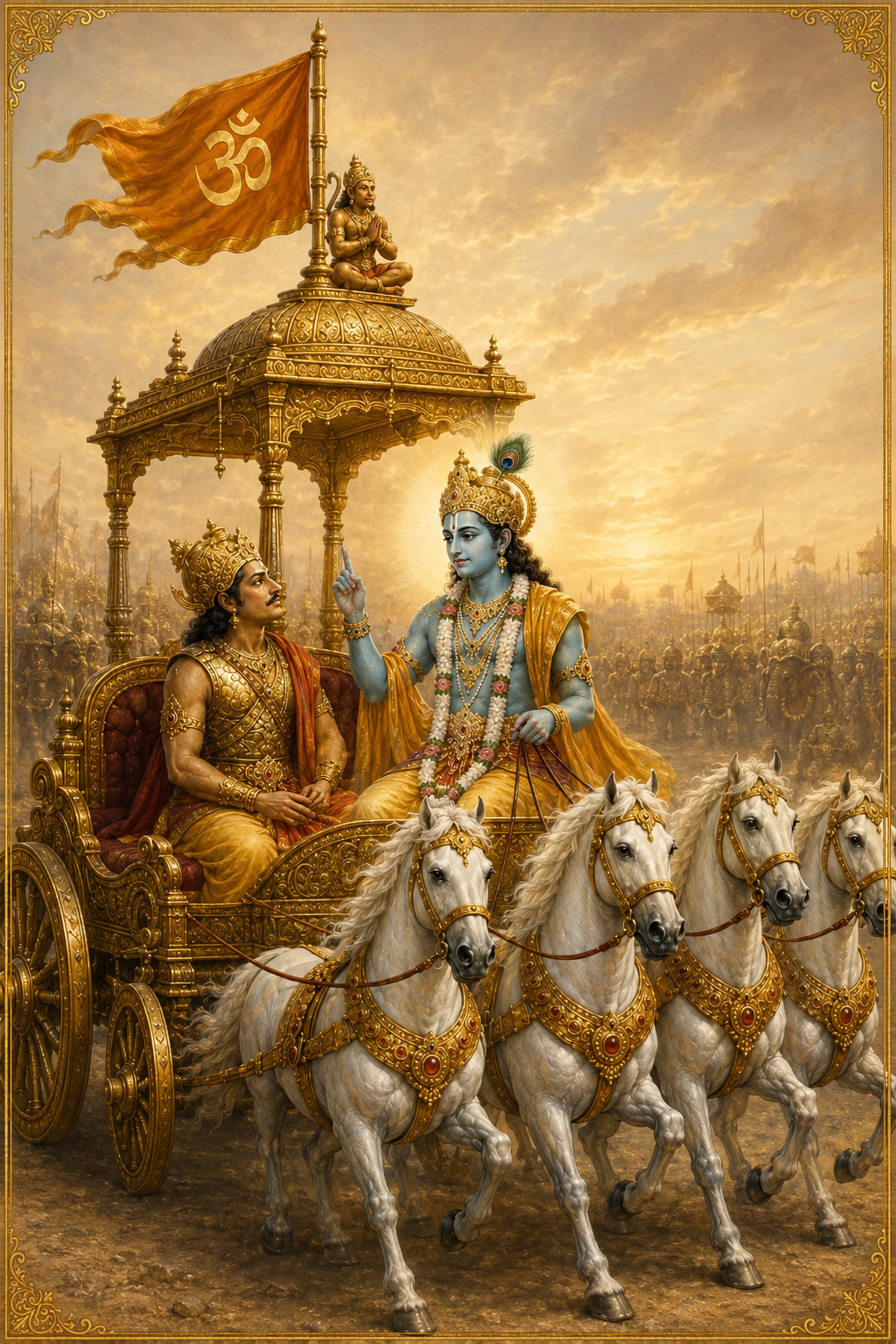
“गीता का आरम्भ — अशोच्यान् अन्वशोचस्त्वम्” ॥ ११ ॥ · मूल चित्र — इस परियोजना हेतु
स्थिर कुरुक्षेत्र पर रथ में श्रीकृष्ण अर्जुन की ओर मुड़ते हैं और अविनाशी आत्मा का ज्ञान कहना आरम्भ करते हैं; अर्जुन विषाद छोड़ नम्रता से सुनते हैं।
On the stilled field, Krishna turns to Arjuna and begins the teaching of the deathless Self; his despair set aside, Arjuna listens with humble attention.
सञ्जय बोले—उस प्रकार करुणा से व्याप्त और आँसुओं से पूर्ण तथा व्याकुल नेत्रों वाले शोकयुक्त उस अर्जुन के प्रति भगवान् मधुसूदन ने यह वचन कहा
Sañjaya said: To him who was thus overcome by pity, his eyes filled with tears and distressed, despairing, Madhusūdana (Kṛṣṇa) spoke these words.
सरल अर्थ: संजय धृतराष्ट्र को बताते हैं — अर्जुन का मन करुणा से भर आया था, आँखें आँसुओं से डबडबाई थीं और वह व्याकुल हो उठा था; ऐसे शोक-संतप्त अर्जुन से श्रीकृष्ण ये वचन कहने लगे।In simple words: Sanjay is narrating to the blind king. Arjun has just collapsed inwardly — flooded with pity, eyes brimming, spirit sinking. It is to a man in exactly this broken state that Krishna begins to speak. The whole teaching is addressed to someone in real crisis, not a calm student.
श्रीभगवान् बोले—हे अर्जुन ! तुझे इस असमय में यह मोह किस हेतु से प्राप्त हुआ ? क्योंकि न तो यह श्रेष्ठ पुरुषों द्वारा आचरित है, न स्वर्ग को देने वाला है और न कीर्तिको करने वाला ही है
The Blessed Lord said: Whence has this faintheartedness come upon you in this hour of peril, O Arjuna — ignoble, shutting out heaven, bringing only disgrace?
सरल अर्थ: श्रीकृष्ण कहते हैं — हे अर्जुन, इस संकट की घड़ी में तुम्हारे भीतर यह कायरता और मोह कहाँ से आ गया? यह न तो श्रेष्ठ पुरुषों को शोभा देता है, न स्वर्ग दिलाता है और न ही यश; यह तो तुम्हें छोटा बना देगा।In simple words: Krishna's opening move is not comfort but a jolt. 'Where did this collapse suddenly come from, at the worst possible moment?' He names it plainly: this kind of weakness doesn't fit a noble person, leads nowhere good, and earns only shame. He is shaking Arjun awake, not coddling him.
इसलिये हे अर्जुन ! नपुंसकता को मत प्राप्त हो, तुझमें यह उचित नहीं जान पड़ती। हे परन्तप ! हृदय की तुच्छ दुर्बलता को त्याग कर युद्ध के लिये खड़ा हो जा
Yield not to unmanliness, O Pārtha; it does not befit you. Cast off this petty weakness of heart and arise, O scorcher of foes.
सरल अर्थ: हे पार्थ, इस नपुंसकता को मत अपनाओ — यह तुम्हें शोभा नहीं देती। हृदय की इस तुच्छ दुर्बलता को त्यागकर उठ खड़े हो जाओ, हे शत्रुओं को तपाने वाले वीर!In simple words: Krishna refuses to let Arjun stay down. He calls the collapse what it is — a small, low weakness of the heart — and tells him to drop it and stand up. Notice he addresses Arjun by his heroic name 'scorcher of foes': a reminder of who he really is beneath this momentary failure of nerve.
अर्जुन बोले—हे मधुसूदन ! मैं रणभूमि में किस प्रकार बाणों से भीष्म पितामह और द्रोणाचार्य के विरुद्ध लड़ूँगा ? क्योंकि हे अरिसूदन ! वे दोनों ही पूजनीय हैं
Arjuna said: How, O Madhusūdana, shall I fight with arrows in battle against Bhīṣma and Droṇa, who are worthy of worship, O slayer of foes?
सरल अर्थ: अर्जुन कहते हैं — हे मधुसूदन, भीष्म और द्रोण जैसे पूज्य गुरुजन तो मेरे आदरणीय हैं; भला युद्ध में मैं उन पर बाणों से कैसे प्रहार करूँ?In simple words: Arjun pushes back. His problem isn't lack of courage — it's that the men across the field are his grandfather Bhishma and his teacher Drona, people he reveres and would normally bow to. How do you shoot arrows at someone you worship? This is a genuine ethical knot, not mere fear.
gurūn ahatvā hi mahānubhāvān śreyo bhoktuṁ bhaikṣyam apīha loke । hatvārthakāmāṁs tu gurūn ihaiva bhuñjīya bhogān rudhirapradigdhān ॥
इसलिये इन महानुभाव गुरुजनों को न मारकर मैं इस लोक में भिक्षा का अन्न भी खाना कल्याणकारक समझता हूँ; क्योंकि गुरुजनों को मारकर भी इस लोक में रुधिर से सने हुए अर्थ और कामरूप भोगों को ही तो भोगूँगा
Better indeed to live in this world even on a beggar's alms than to slay these noble elders. For if I kill these teachers, even though they seek worldly gain, the very pleasures I enjoy here would be smeared with their blood.
सरल अर्थ: इन महान गुरुजनों को मारने से तो भीख माँगकर जीना भी कहीं अच्छा है। इन्हें मारकर जो भोग और सुख मिलेंगे, वे तो इनके खून से सने होंगे — ऐसे सुख से मुझे क्या लेना?In simple words: Arjun would rather beg in the streets than win a kingdom by killing his elders. Even granting that they've sided with the wrong camp out of self-interest, he can't stomach it: any comfort gained this way would be soaked in their blood. Victory built on such killing feels poisoned to him before it's even won.
na caitad vidmaḥ kataran no garīyo yad vā jayema yadi vā no jayeyuḥ । yān eva hatvā na jijīviṣāmas te 'vasthitāḥ pramukhe dhārtarāṣṭrāḥ ॥
हम यह भी नहीं जानते कि हमारे लिये युद्ध करना और न करना—इन दोनों में से कौन-सा श्रेष्ठ है, अथवा यह भी नहीं जानते कि उन्हें हम जीतेंगे या हमको वे जीतेंगे। और जिन को मारकर हम जीना भी नहीं चाहते, वे ही हमारे आत्मीय धृतराष्ट्र के पुत्र हमारे मुकाबले में खड़े हैं
Nor do we know which is better for us — that we should conquer them, or that they should conquer us. The sons of Dhṛtarāṣṭra, whom having slain we would not wish to live, stand arrayed against us.
सरल अर्थ: मुझे तो यह भी समझ नहीं आता कि हमारे लिए क्या बेहतर है — उन्हें जीतना या उनसे हारना। जिन्हें मारकर हम जीना ही नहीं चाहेंगे, वही धृतराष्ट्र के पुत्र हमारे सामने खड़े हैं।In simple words: Arjun's confusion deepens into a no-win trap. He can't even say whether winning or losing is better — because the enemy is his own cousins. Kill them and life loses its meaning anyway; the very people he'd have to destroy are the ones who make life worth living. Every path looks like loss.
kārpaṇyadoṣopahatasvabhāvaḥ pṛcchāmi tvāṁ dharmasammūḍhacetāḥ । yac chreyaḥ syān niścitaṁ brūhi tan me śiṣyas te 'haṁ śādhi māṁ tvāṁ prapannam ॥
इसलिये कायरता रूप दोष से उपहत हुए स्वभाव वाला तथा धर्म के विषय में मोहित चित्त हुआ मैं आपसे पूछता हूँ जो साधन निश्चित कल्याण कारक हो, वह मेरे लिये कहिये; क्योंकि मैं आपका शिष्य हूँ, इसलिये आपके शरण हुए मुझको शिक्षा दीजिये
My very nature overpowered by the taint of faintheartedness, my mind bewildered about duty, I ask You: tell me decisively what is best. I am Your disciple; instruct me, who have taken refuge in You.
सरल अर्थ: करुणा ने मेरे स्वभाव को दबा दिया है और धर्म के विषय में मेरा मन उलझ गया है। इसीलिए मैं आपसे पूछता हूँ — जो सचमुच मेरे लिए कल्याणकारी हो, वह निश्चित करके मुझे बताइए; मैं आपका शिष्य हूँ, आपकी शरण में आया हूँ, मुझे शिक्षा दीजिए।In simple words: This is the turning point of the whole Gita. Arjun stops arguing and admits he's lost — his usual strength has failed him and he genuinely can't tell right from wrong here. He surrenders, asking Krishna to be his teacher, not just his friend. Real learning begins only when he humbly says 'I don't know — teach me.'
na hi prapaśyāmi mamāpanudyād yac chokam ucchoṣaṇam indriyāṇām । avāpya bhūmāv asapatnam ṛddhaṁ rājyaṁ surāṇām api cādhipatyam ॥
क्योंकि भूमि में निष्कण्टक, धन-धान्य सम्पन्न राज्य को और देवताओं के स्वामीपने को प्राप्त होकर भी मैं उस उपाय को नहीं देखता हूँ, जो मेरी इन्द्रियों के सुखाने वाले शोक को दूर कर सके
For I do not see what could drive away this grief that withers my senses, even were I to gain unrivalled and prosperous dominion over the earth, or even lordship over the gods.
सरल अर्थ: मुझे ऐसा कोई उपाय नहीं दिखता जो मेरे इस सुखाने वाले शोक को मिटा सके — फिर चाहे मुझे धन-धान्य से भरा निष्कंटक राज्य मिल जाए, या स्वर्ग के देवताओं का सा आधिपत्य ही क्यों न मिले।In simple words: Arjun's grief is so deep it has dried up his very senses. And he's honest about something important: no external prize can fix it. Even winning the whole earth, or ruling heaven itself, wouldn't touch this sorrow. He's sensing — without yet understanding — that the problem is inner, and so the cure must be inner too. That sets up everything Krishna teaches next.
evam uktvā hṛṣīkeśaṁ guḍākeśaḥ parantapa । na yotsya iti govindam uktvā tūṣṇīṁ babhūva ha ॥
सञ्जय बोले—हे राजन् ! निद्रा को जीतने वाले अर्जुन अन्तर्यामी श्रीकृष्ण महाराज के प्रति इस प्रकार कहकर फिर श्रीगोविन्द भगवान् से 'युद्ध नहीं करूँगा' यह स्पष्ट कहकर चुप हो गये
Sañjaya said: Having spoken thus to Hṛṣīkeśa, Arjuna, the conqueror of sleep and scorcher of foes, said to Govinda, "I will not fight," and fell silent.
सरल अर्थ: संजय धृतराष्ट्र से कहते हैं — इस प्रकार अपने मन की बात कहकर अर्जुन ने श्रीकृष्ण से 'मैं युद्ध नहीं करूँगा' इतना कह दिया और फिर चुप होकर बैठ गए।In simple words: Sañjaya is reporting the scene to the blind king. Arjuna has poured out all his arguments against fighting, and now he stops — "I will not fight" — and goes quiet. The great warrior is so overwhelmed by inner conflict that he simply shuts down. This silence is the doorway: it is exactly here that Krishna's teaching begins.
हे भरतवंशी धृतराष्ट्र ! अन्तर्यामी श्रीकृष्ण महाराज दोनों सेनाओं के बीच में शोक करते हुए उस अर्जुन को हँसते हुए-से यह वचन बोले
O Bhārata, to him thus despairing, in the midst of both armies, Hṛṣīkeśa, as if smiling, spoke these words.
सरल अर्थ: हे धृतराष्ट्र, दोनों सेनाओं के बीच शोक में डूबे हुए उस अर्जुन को देखकर श्रीकृष्ण मानो हल्के-से मुस्कुराते हुए ये वचन कहने लगे।In simple words: Picture the setting: Arjuna collapsed in grief, right between two armies waiting for battle. Krishna begins to teach — and almost smiles. That faint smile isn't mockery; it's the calm of a teacher who sees that his friend's breakdown is actually the perfect moment for awakening. The whole Gita flows from this point.
aśocyān anvaśocas tvaṁ prajñā-vādāṁś ca bhāṣase । gatāsūn agatāsūṁś ca nānuśocanti paṇḍitāḥ ॥
श्रीभगवान् बोले—हे अर्जुन ! तू न शोक करने योग्य मनुष्यों के लिये शोक करता है और पण्डितों के से वचनों को कहता है; परन्तु जिनके प्राण चले गये हैं, उनके लिये और जिनके प्राण नहीं गये हैं, उनके लिये भी पण्डितजन शोक नहीं करते
The Blessed Lord said: You grieve for those who should not be grieved for, yet you speak words of wisdom. The wise do not mourn for the living or the dead.
सरल अर्थ: श्रीकृष्ण कहते हैं — तू उनके लिए शोक कर रहा है जिनके लिए शोक करना ही नहीं चाहिए, और ऊपर से ज्ञान की बातें भी कर रहा है। पर सच तो यह है कि जो सचमुच समझदार हैं, वे न जीवित के लिए शोक करते हैं और न मरे हुए के लिए।In simple words: Krishna cuts straight to the root. Arjuna had been talking like a philosopher, quoting duty and consequences — but his grief gives him away. Krishna says: you mourn what doesn't need mourning. The truly wise don't grieve for either the living or the dead, because what is real in everyone — the self — never actually dies. This is the first teaching of the Gita's heart.
na tv evāhaṁ jātu nāsaṁ na tvaṁ neme janādhipāḥ । na caiva na bhaviṣyāmaḥ sarve vayam ataḥ param ॥
न तो ऐसा ही है कि मैं किसी काल में नहीं था या तू नहीं था अथवा ये राजा लोग नहीं थे और न ऐसा ही है कि इससे आगे हम सब नहीं रहेंगे
Never was there a time when I did not exist, nor you, nor these kings; nor shall any of us ever cease to be hereafter.
सरल अर्थ: ऐसा कभी नहीं था कि मैं न रहा हूँ, या तू न रहा हो, या ये सब राजा न रहे हों; और ऐसा भी नहीं कि आगे हम सब न रहेंगे। हम सब पहले भी थे और सदा रहेंगे।In simple words: Krishna states the eternity of the self plainly. There was never a time when 'I', 'you', or any of these kings did not exist — and there will never be a time when we stop existing. The self is not born and does not perish; only bodies come and go. Birth and death are events for the body, not for the one who truly is.
dehino 'smin yathā dehe kaumāraṁ yauvanaṁ jarā । tathā dehāntara-prāptir dhīras tatra na muhyati ॥
जैसे जीवात्मा की इस देह में बालक पन, जवानी और वृद्धावस्था होती है, वैसे ही अन्य शरीर की प्राप्ति होती है; उस विषय में धीर पुरुष मोहित नहीं होता
Just as the embodied self passes, within this body, through childhood, youth, and old age, so does it pass into another body. The steady one is not bewildered by this.
सरल अर्थ: जैसे इसी एक देह में आत्मा बचपन, जवानी और बुढ़ापे से होकर गुज़रती है, वैसे ही मृत्यु के बाद वह दूसरा शरीर पा लेती है। यह बात धीर-समझदार व्यक्ति को मोह में नहीं डालती।In simple words: A simple, powerful image. Your body has already changed completely — from a child's, to a youth's, to an aging one — yet the 'you' inside stayed continuous through all of it. Death is just one more such change: the self moves from one body to another. Seeing this, a steady person isn't thrown by death; it loses its terror.
हे कुन्तीपुत्र ! सर्दी-गर्मी और सुख — दुःख को देने वाले इन्द्रिय और विषयों के संयोग तो उत्पत्ति, विनाशशील और अनित्य हैं; इसलिये हे भारत ! उनको तू सहन कर
Contacts of the senses with their objects, O son of Kuntī, give rise to cold and heat, pleasure and pain. They come and go and are impermanent; endure them, O Bhārata.
सरल अर्थ: हे कुन्तीपुत्र, सर्दी-गर्मी और सुख-दुःख का अनुभव तो इन्द्रियों के विषयों से होने वाला आना-जाना है — ये क्षणभंगुर हैं, आते हैं और चले जाते हैं। इसलिए हे भारत, इन्हें सहन करना सीख।In simple words: Heat and cold, pleasure and pain — all of these arise simply when the senses meet the world, and every one of them is temporary: it arrives and then it passes. Krishna's instruction is not to suppress them or chase them, but to bear them patiently. Don't let passing sensations run your life; let them come and go like waves while you stay steady.
yaṁ hi na vyathayanty ete puruṣaṁ puruṣarṣabha । sama-duḥkha-sukhaṁ dhīraṁ so 'mṛtatvāya kalpate ॥
क्योंकि हे पुरुष श्रेष्ठ ! दुःख-सुख को समान समझने वाले जिस धीर पुरुष को ये इन्द्रियां और विषयों के संयोग व्याकुल नहीं करते, वह मोक्ष के योग्य होता है
The person whom these do not disturb, O best of men — steady, the same in pain and pleasure — he is fit for immortality.
सरल अर्थ: हे पुरुषश्रेष्ठ, जो धीर मनुष्य इन सुख-दुःख से विचलित नहीं होता, जिसके लिए दोनों एक समान हैं, वही अमरता के योग्य बनता है।In simple words: The one who isn't shaken by these ups and downs — who meets pain and pleasure with the same evenness — becomes ready for the deathless. The point is freedom: as long as your inner state is at the mercy of what happens outside, you are bound. When your peace no longer depends on circumstances, you are on the path to liberation.
nāsato vidyate bhāvo nābhāvo vidyate sataḥ । ubhayor api dṛṣṭo 'ntas tv anayos tattva-darśibhiḥ ॥
असत् वस्तु की तो सत्ता नहीं है और सत् का अभाव नहीं है। इस प्रकार इन दोनों को ही तत्त्वज्ञानी पुरुषों द्वारा देखा गया है
Of the unreal there is no being; of the real there is no ceasing to be. The truth of both has been perceived by the seers of reality.
सरल अर्थ: जो असत् है — नाशवान है — उसका कोई स्थायी अस्तित्व नहीं, और जो सत् है — शाश्वत है — उसका कभी अभाव नहीं होता। इन दोनों का यह रहस्य तत्त्व को देखने वाले ज्ञानियों ने भलीभाँति जान लिया है।In simple words: A foundational truth: whatever is unreal (changing, temporary) has no lasting existence, and whatever is real (the eternal self) can never be destroyed. Those who actually see the nature of things have settled this conclusion — they can tell apart what merely passes from what truly abides. So grieving over the perishable body misses what never dies.
avināśi tu tad viddhi yena sarvam idaṁ tatam । vināśam avyayasyāsya na kaścit kartum arhati ॥
नाशरहित तो तू उसको जान, जिससे यह सम्पूर्ण जगत्—दृश्य वर्ग व्याप्त है। इस अविनाशीका विनाश करने में कोई भी समर्थ नहीं है
Know that to be indestructible by which all this is pervaded. No one is able to bring about the destruction of this imperishable.
सरल अर्थ: जान लो कि जो इस सारे शरीर और संसार में व्याप्त है, वह आत्मा अविनाशी है। इस नित्य तत्त्व का नाश करना किसी के भी सामर्थ्य में नहीं है।In simple words: There is something that pervades your whole body and gives it life — call it the Self or consciousness. That cannot be destroyed. Nothing and no one has the power to wipe it out.
इस नाशरहित, अप्रमेय, नित्यस्वरूप जीवात्मा के सब शरीर नाशवान् कहे गये हैं। इसलिये हे भरतवंशी अर्जुन ! तू युद्ध कर
These bodies of the eternal embodied one — indestructible and immeasurable — are said to come to an end. Therefore fight, O Bharata.
सरल अर्थ: ये शरीर तो नश्वर हैं और एक दिन समाप्त हो ही जाते हैं, परंतु इनके भीतर बसने वाली आत्मा शाश्वत, अविनाशी और अप्रमेय है। इसलिए हे अर्जुन, उठ और युद्ध कर।In simple words: The body has a shelf life — it ends. But the one who wears the body never ends and can't even be measured. So the real you is never at stake. Stop grieving and do your duty.
ya enaṁ vetti hantāraṁ yaś cainaṁ manyate hatam । ubhau tau na vijānīto nāyaṁ hanti na hanyate ॥
जो आत्मा को मारने वाला समझता है तथा जो इसको मारा मानता है, वे दोनों ही नहीं जानते; क्योंकि यह आत्मा वास्तव में न तो किसी को मारता है और न किसी के द्वारा मारा जाता है
He who thinks this one a slayer, and he who thinks this one slain — neither of them understands. This one neither slays nor is slain.
सरल अर्थ: जो यह मानता है कि आत्मा किसी को मारती है या आत्मा मारी जाती है — वे दोनों ही सच्चाई नहीं जानते। आत्मा न तो किसी को मारती है और न ही स्वयं मरती है।In simple words: Whoever thinks 'I am the killer' and whoever thinks 'I am being killed' — both have missed the point. The real Self does neither; it stands beyond killing and being killed.
na jāyate mriyate vā kadācin nāyaṁ bhūtvā bhavitā vā na bhūyaḥ । ajo nityaḥ śāśvato 'yaṁ purāṇo na hanyate hanyamāne śarīre ॥
यह आत्मा किसी काल में भी न तो जन्मता है और न मरता ही है तथा न यह उत्पन्न होकर फिर होने वाला ही है; क्योंकि यह अजन्मा, नित्य, सनातन और पुरातन है, शरीर के मारे जाने पर भी यह नहीं मारा जाता
It is never born, nor does it ever die; nor, having once been, does it cease to be again. Unborn, eternal, everlasting, ancient — it is not slain when the body is slain.
सरल अर्थ: आत्मा कभी जन्म नहीं लेती और न ही कभी मरती है। यह न पहले कभी अनस्तित्व में थी, न आगे कभी मिटेगी — यह अजन्मा, नित्य, शाश्वत और पुरातन है; शरीर के मारे जाने पर भी इसका नाश नहीं होता।In simple words: The Self was never born and never dies. It isn't something that pops into existence and then vanishes. It's unborn, timeless, ever-present. When the body dies, it is untouched.
vedāvināśinaṁ nityaṁ ya enam ajam avyayam । kathaṁ sa puruṣaḥ pārtha kaṁ ghātayati hanti kam ॥
हे पृथापुत्र अर्जुन ! जो पुरुष इस आत्मा को नाशरहित, नित्य, अजन्मा और अव्यय जानता है, वह पुरुष कैसे किसको मरवाता है और कैसे किसको मारता है
He who knows this one to be indestructible, eternal, unborn, and undecaying — how can such a person, O Partha, cause anyone to be slain, or slay anyone?
सरल अर्थ: हे अर्जुन, जो मनुष्य आत्मा को अविनाशी, अजन्मा और अव्यय रूप में जान लेता है, वह भला किसी को कैसे मरवा सकता है या स्वयं किसी की हत्या कैसे कर सकता है?In simple words: Once you truly grasp that the Self can't be destroyed and never really dies, the whole idea of 'killing someone' falls apart. How can you destroy what was never destructible to begin with?
जैसे मनुष्य पुराने वस्त्रों को त्याग कर दूसरे नये वस्त्रों को ग्रहण करता है, वैसे ही जीवात्मा पुराने शरीरों को त्याग कर दूसरे नये शरीरों को प्राप्त होता है
As a person casts off worn-out garments and takes on others that are new, so the embodied one casts off worn-out bodies and enters into others that are new.
सरल अर्थ: जैसे मनुष्य पुराने वस्त्र उतारकर नए वस्त्र पहन लेता है, वैसे ही आत्मा पुराने-जर्जर शरीरों को छोड़कर नए शरीर धारण कर लेती है। मृत्यु तो बस वस्त्र बदलने जैसी है।In simple words: Death is like changing clothes. Just as you drop a worn-out shirt and put on a fresh one, the Self drops a worn-out body and steps into a new one. The wearer stays the same.
nainaṁ chindanti śastrāṇi nainaṁ dahati pāvakaḥ । na cainaṁ kledayanty āpo na śoṣayati mārutaḥ ॥
इस आत्मा को शस्त्रादि नहीं काट सकते, इसको आग नहीं जला सकती, इसको जल नहीं गला सकता और वायु नहीं सुखा सकता
Weapons do not cut this one, fire does not burn it, water does not wet it, and wind does not dry it.
सरल अर्थ: इस आत्मा को न शस्त्र काट सकते हैं, न आग जला सकती है, न पानी भिगो सकता है और न हवा सुखा सकती है। यह हर प्रहार से परे है।In simple words: No physical force can touch the Self. Blades can't cut it, fire can't burn it, water can't soak it, wind can't dry it. It is simply beyond the reach of matter.
acchedyo 'yam adāhyo 'yam akledyo 'śoṣya eva ca । nityaḥ sarvagataḥ sthāṇur acalo 'yaṁ sanātanaḥ ॥
क्योंकि यह आत्मा अच्छेद्य है, यह आत्मा अदाह्य, अक्लेद्य और निःसन्देह अशोष्य है तथा यह आत्मा नित्य, सर्वव्यापी, अचल, स्थिर रहनेवाला और सनातन है
This one cannot be cut, cannot be burned, cannot be wetted, and cannot be dried. It is eternal, all-pervading, stable, unmoving, and primeval.
सरल अर्थ: यह आत्मा अछेद्य, अदाह्य, अक्लेद्य और अशोष्य है — इसे काटा, जलाया, गीला या सुखाया नहीं जा सकता। यह नित्य, सर्वव्यापी, स्थिर, अचल और सदा एकरस रहने वाली है।In simple words: Pulling it together: the Self can't be cut, burned, soaked, or dried. It is permanent, everywhere at once, rock-steady, unmoving, and without beginning — always was, always will be.
यह आत्मा अव्यक्त है, यह आत्मा अचिन्त्य है और यह आत्मा विकाररहित कहा जाता है। इससे हे अर्जुन! इस आत्मा को उपर्युक्त प्रकार से जानकर तू शोक करने के योग्य नहीं है अर्थात् तुझे शोक करना उचित नहीं है
This Self is said to be unmanifest, inconceivable, and unchanging. Therefore, knowing it to be such, you ought not to grieve.
सरल अर्थ: यह आत्मा अव्यक्त है, इसे न तो आँखों से देखा जा सकता है, न मन से सोचकर समझा जा सकता है, और यह कभी बदलती भी नहीं। इसलिए इसके असली स्वरूप को जानकर तुम्हें शोक करना उचित नहीं।In simple words: The real Self can't be seen with the eyes, can't be grasped by the mind, and never changes. Once you truly understand that it's beyond destruction, grieving over it makes no sense — you cannot lose what cannot be lost.
किंतु यदि तू इस आत्मा को सदा जन्मने वाला तथा सदा मरनेवाला मानता हो, तो भी हे महाबाहो! तू इस प्रकार शोक करने को योग्य नहीं है
But even if you suppose this Self to be perpetually born and perpetually dying, even then, O mighty-armed one, you ought not to grieve like this.
सरल अर्थ: और हे अर्जुन, अगर तुम मान भी लो कि यह आत्मा बार-बार जन्म लेती और मरती रहती है, तब भी तुम्हें इस तरह दुःख नहीं करना चाहिए।In simple words: Krishna grants the opposite view for argument's sake: even if you don't believe the Self is eternal, and instead think it's constantly born and dying — there's still no reason to grieve, as the next verse explains. Either way you look at it, mourning isn't justified.
jātasya hi dhruvo mṛtyur dhruvaṁ janma mṛtasya ca । tasmād aparihārye 'rthe na tvaṁ śocitum arhasi ॥
क्योंकि इस मान्यता के अनुसार जन्मे हुए की मृत्यु निश्चित है और मरे हुए का जन्म निश्चित है। इससे भी इस बिना उपाय वाले विषय में तू शोक करने के योग्य नहीं है
For one who is born, death is certain, and for one who has died, birth is certain. Therefore, over this unavoidable matter you ought not to grieve.
सरल अर्थ: जो जन्मा है उसकी मृत्यु निश्चित है, और जो मरा है उसका जन्म भी निश्चित है। जब यह क्रम टाला ही नहीं जा सकता, तो इस पर शोक करना व्यर्थ है।In simple words: Whatever is born must die, and whatever dies will be born again — this cycle stops for no one. When something simply cannot be avoided, grieving over it is pointless. The wise response to the inevitable is acceptance, not sorrow.
avyaktādīni bhūtāni vyaktamadhyāni bhārata । avyaktanidhanāny eva tatra kā paridevanā ॥
हे अर्जुन! सम्पूर्ण प्राणी जन्म से पहले अप्रकट थे और मरने के बाद भी अप्रकट हो जाने वाले हैं, केवल बीच में प्रकट हैं; फिर ऐसी स्थिति में क्या शोक करना है?
All beings are unmanifest in their beginning, manifest in the middle, and unmanifest again at their end, O Bhārata. What occasion is there for lament in this?
सरल अर्थ: हे अर्जुन, सभी प्राणी जन्म से पहले अदृश्य थे और मृत्यु के बाद फिर अदृश्य हो जाएँगे, केवल बीच के समय में ही दिखाई देते हैं। फिर इसमें शोक करने की क्या बात है?In simple words: Before birth, every being was unseen; for a brief while in life it becomes visible; after death it becomes unseen again. The visible stretch we cling to is just a passing phase between two invisible states. If appearing and disappearing is simply the nature of things, why wail over it?
āścaryavat paśyati kaścid enam āścaryavad vadati tathaiva cānyaḥ । āścaryavac cainam anyaḥ śṛṇoti śrutvāpy enaṁ veda na caiva kaścit ॥
कोई एक महापुरुष ही इस आत्मा को आश्चर्य की भाँति देखता है और वैसे ही दूसरा कोई महापुरुष ही इसके तत्त्व का आश्चर्य की भाँति वर्णन करता है तथा दूसरा कोई अधिकारी पुरुष ही इसे आश्चर्य की भाँति सुनता है और कोई-कोई तो सुनकर भी इसको नहीं जानता
One sees this Self as a wonder; another likewise speaks of it as a wonder; another hears of it as a wonder; yet even after hearing, no one truly knows it.
सरल अर्थ: कोई विरला ही इस आत्मा को आश्चर्य की तरह देख पाता है, कोई इसे आश्चर्य की तरह बताता है और कोई आश्चर्य की तरह सुनता है — फिर भी अधिकांश लोग सुनकर भी इसे सचमुच जान नहीं पाते।In simple words: The Self is so subtle that it's rare even to glimpse it as a wonder, rare to speak of it, rare to truly hear of it — and rarer still to actually grasp it, since most people don't understand it even after hearing. It points to something that has to be realized in direct experience, not just learned with the intellect.
हे अर्जुन! यह आत्मा सब के शरीरों में सदा ही अवध्य है। इस कारण सम्पूर्ण प्राणियों के लिये तू शोक करने को योग्य नहीं है
This embodied Self, dwelling in the body of every being, is forever indestructible, O Bhārata. Therefore you ought not to grieve for any being.
सरल अर्थ: हे अर्जुन, हर शरीर में बसने वाली यह आत्मा सदा अमर है, इसे कोई मार ही नहीं सकता। इसलिए किसी भी प्राणी के लिए तुम्हें शोक नहीं करना चाहिए।In simple words: The Self living inside every body can never be slain — and this holds equally for all beings, not just one. So there's no one, whether dear or distant, for whom grief is warranted. This verse caps off the whole teaching on the deathless Self that began back in verse 11.
svadharmam api cāvekṣya na vikampitum arhasi । dharmyād dhi yuddhāc chreyo 'nyat kṣatriyasya na vidyate ॥
तथा अपने धर्म को देखकर भी तू भय करने योग्य नहीं है यानी तुझे भय नहीं करना चाहिये; क्योंकि क्षत्रिय के लिये धर्मयुक्त युद्ध से बढ़कर दूसरा कोई कल्याणकारी कर्तव्य नहीं है
And looking to your own duty as well, you ought not to waver; for there is nothing better for a warrior than a righteous battle.
सरल अर्थ: और अपने क्षत्रिय-धर्म को देखते हुए भी तुम्हें घबराना नहीं चाहिए, क्योंकि एक योद्धा के लिए धर्म की रक्षा हेतु लड़े गए न्यायपूर्ण युद्ध से बढ़कर कोई कल्याणकारी कर्म नहीं है।In simple words: Having argued from the soul's standpoint, Krishna now turns to Arjuna's own role in life. As a warrior, fighting a just war in defence of righteousness is the highest action available to him. So he shouldn't flinch — abandoning one's rightful duty is not the noble path here.
हे पार्थ! अपने-आप प्राप्त हुए और खुले हुए स्वर्ग के द्वार रूप इस प्रकार के युद्ध को भाग्यवान् क्षत्रिय लोग ही पाते हैं
Fortunate are the warriors, O Pārtha, who obtain such a battle, come of its own accord, an open gateway to heaven.
सरल अर्थ: हे अर्जुन, ऐसा धर्मयुक्त युद्ध अपने आप सामने आ जाना तो स्वर्ग का खुला द्वार है। ऐसा सौभाग्य भाग्यशाली क्षत्रियों को ही मिलता है।In simple words: A just war that arrives unsought, on its own, is like a heaven's gate flung open. Such an opportunity doesn't come to everyone — the warriors who get it are genuinely lucky. Krishna is reframing the battle for Arjuna: not a burden to dread, but a rare and honourable opening.
atha cet tvam imaṁ dharmyaṁ saṅgrāmaṁ na kariṣyasi । tataḥ svadharmaṁ kīrtiṁ ca hitvā pāpam avāpsyasi ॥
किंतु यदि तू इस धर्म युक्त युद्ध को नहीं करेगा तो स्वधर्म और कीर्तिको खोकर पाप को प्राप्त होगा
But if you will not wage this righteous war, then, forsaking your own duty and your honour, you will incur sin.
सरल अर्थ: श्रीकृष्ण कहते हैं — परन्तु यदि तुम इस धर्मयुक्त युद्ध को नहीं लड़ोगे, तो अपने क्षत्रिय-धर्म और कीर्ति को खोकर पाप के भागी बनोगे।In simple words: Krishna's point: this is a just war, and fighting it is your rightful role. To walk away isn't neutral — it means abandoning your own duty and your good name, and actually taking on wrongdoing rather than escaping it.
तथा सब लोग तेरी बहुत काल तक रहने वाली अपकीर्ति का भी कथन करेंगे और माननीय पुरुष के लिये अपकीर्ति मरण से भी बढ़कर है
People too will speak of your lasting disgrace; and for one held in honour, dishonour is worse than death.
सरल अर्थ: और संसार के लोग सदा तुम्हारी अपकीर्ति की चर्चा करते रहेंगे। एक सम्मानित व्यक्ति के लिए ऐसी बदनामी तो मृत्यु से भी अधिक कष्टदायक होती है।In simple words: The world will keep retelling your shame for ages. And for someone respected, public dishonour cuts deeper than death itself. History will remember you — you're choosing in what way.
और जिनकी दृष्टि में तू पहले बहुत सम्मानित होकर अब लघुता को प्राप्त होगा, वे महारथी लोग तुझे भय के कारण युद्ध से हटा हुआ मानेंगे
The great warriors will think you withdrew from the battle out of fear; and those who once esteemed you highly will hold you cheap.
सरल अर्थ: जो महारथी अब तक तुम्हें वीर मानते थे, वे सोचेंगे कि तुम डरकर युद्ध से भाग गए, और जिनकी नज़रों में तुम ऊँचे थे, उन्हीं की दृष्टि में तुच्छ हो जाओगे।In simple words: The mighty warriors won't think you spared them out of compassion — they'll assume you fled in fear. The very people who admire you now will start to look down on you.
avācyavādāṁś ca bahūn vadiṣyanti tavāhitāḥ । nindantas tava sāmarthyaṁ tato duḥkhataraṁ nu kim ॥
तेरे वैरी लोग तेरे सामर्थ्य की निन्दा करते हुए तुझे बहुत-से न कहने योग्य वचन भी कहेंगे; उससे अधिक दुःख और क्या होगा
Your enemies will hurl many unspeakable words, scorning your strength. What could be more painful than that?
सरल अर्थ: तुम्हारे शत्रु तुम्हारी सामर्थ्य की निन्दा करते हुए न कहने योग्य कठोर बातें कहेंगे। इससे बढ़कर दुःख की बात भला और क्या होगी?In simple words: Your foes will sling insults too vile to repeat, mocking your very ability as a fighter. Few things sting more than hearing your own competence ridiculed by those you could have defeated.
या तो तू युद्ध में मारा जाकर स्वर्ग को प्राप्त होगा अथवा संग्राम में जीतकर पृथ्वी का राज्य भोगेगा । इस कारण हे अर्जुन ! तू युद्ध के लिये निश्चय करके खड़ा हो जा
Slain, you will attain heaven; victorious, you will enjoy the earth. Therefore rise up, O son of Kunti, resolved to fight.
सरल अर्थ: देखो, दोनों ओर ही तुम्हारा लाभ है — यदि युद्ध में मारे गए तो स्वर्ग पाओगे, और यदि जीत गए तो पृथ्वी का राज्य भोगोगे। इसलिए हे अर्जुन, निश्चय करके युद्ध के लिए खड़े हो जाओ।In simple words: Either way you win: fall in a just fight and you reach heaven; prevail and you rule the earth. So stand up, Arjuna, mind made up. When the action itself is right, there's no losing outcome.
sukhaduḥkhe same kṛtvā lābhālābhau jayājayau । tato yuddhāya yujyasva naivaṁ pāpam avāpsyasi ॥
जय-पराजय, लाभ-हानि और सुख-दुःख को समान समझ कर, उसके बाद युद्ध के लिये तैयार हो जा; इस प्रकार युद्ध करने से तू पाप को नहीं प्राप्त होगा
Holding pleasure and pain alike, gain and loss, victory and defeat, then engage in battle — thus you will incur no sin.
सरल अर्थ: सुख-दुःख, लाभ-हानि और जय-पराजय को एक समान मानकर युद्ध के लिए तैयार हो जाओ। ऐसा करने पर तुम्हें कोई पाप नहीं लगेगा।In simple words: Treat pleasure and pain as equal, win or lose, gain or loss — and then act. When you fight from that inner evenness, the action leaves no stain on you. The key isn't the result, it's the balanced mind behind the deed.
हे पार्थ ! यह बुद्धि तेरे लिये ज्ञान योग के विषय में कही गयी और अब तू इसको कर्मयोग के विषय में सुन कि जिस बुद्धि से युक्त हुआ तू कर्मों के बन्धन को भलीभाँति त्याग देगा यानि सर्वथा नष्ट कर डालेगा
This wisdom has been declared to you in terms of Sankhya; now hear it in terms of Yoga, by which understanding, O Partha, you will cast off the bondage of action.
सरल अर्थ: श्रीकृष्ण कहते हैं — अब तक मैंने तुझे ज्ञान (सांख्य) का यह दृष्टिकोण बताया; अब कर्मयोग की वह बुद्धि सुन, जिसे धारण करने पर तू कर्मों के बन्धन से पूरी तरह मुक्त हो जाएगा।In simple words: So far Krishna has spoken from the Sankhya angle — the truth that the self never dies. Now he shifts to Yoga: how to act in practice. Grasp this, and your actions will stop binding you to their consequences.
nehābhikramanāśo'sti pratyavāyo na vidyate । svalpam apy asya dharmasya trāyate mahato bhayāt ॥
इस कर्मयोग में आरम्भ का अर्थात् बीज का नाश नहीं है और उलटा फलरूप दोष भी नहीं है; बल्कि इस कर्मयोग रूप धर्म का थोड़ा सा भी साधन जन्म-रूप महान् भय से रक्षा कर लेता है
On this path no effort is ever lost, and no harm comes; even a little of this practice protects one from great fear.
सरल अर्थ: इस कर्मयोग के मार्ग में न तो कोई आरम्भ किया हुआ प्रयत्न व्यर्थ जाता है और न ही कोई हानि या उलटा फल होता है। इसका थोड़ा-सा अभ्यास भी जन्म-मृत्यु के बड़े भय से रक्षा कर लेता है।In simple words: On this path, no beginning you make is ever wasted, and there's no risk of it backfiring. Even a small amount of this practice shields you from the great fear — the deep insecurity of life and death. Spiritual effort is never a loss.
vyavasāyātmikā buddhir ekeha kuru-nandana । bahu-śākhā hy anantāś ca buddhayo 'vyavasāyinām ॥
हे अर्जुन ! इस कर्मयोग में निश्चयात्मिका बुद्धि एक ही होती है; किंतु अस्थिर विचार वाले विवेकहीन सकाम मनुष्यों की बुद्धियाँ निश्चय ही बहुत भेदोंवाली और अनन्त होती हैं
Here, O joy of the Kurus, the resolute intellect is single and one-pointed; but the thoughts of the irresolute are many-branched and endless.
सरल अर्थ: इस मार्ग पर चलने वाले की बुद्धि एक ही लक्ष्य पर टिकी रहती है — स्थिर और एकाग्र। पर जिनका मन डाँवाडोल है, उनकी इच्छाएँ अनगिनत दिशाओं में बिखर जाती हैं और कभी ठहरती नहीं।In simple words: When your purpose is clear and settled, your mind becomes one steady pointed thing. But when you can't make up your mind, your thoughts splinter off in countless directions — endless wants and doubts — and nothing gets done well. Krishna is praising the calm, decided mind.
सरल अर्थ: जो लोग विवेकहीन हैं, वे वेदों के फूल जैसे मीठे शब्दों पर मुग्ध होकर कहते हैं कि इससे बढ़कर और कुछ है ही नहीं। ऐसे लोग बस यही दोहराते रहते हैं।In simple words: Some shallow people fixate only on the showy, pleasure-promising parts of scripture — rituals that win heaven and enjoyment — and insist that's all there is. Their talk is pretty and tempting like flowers, but it misses the deeper goal entirely.
kāmātmānaḥ svarga-parā janma-karma-phala-pradām । kriyā-viśeṣa-bahulāṁ bhogaiśvarya-gatiṁ prati ॥
संयुक्त अनुवाद ↓joint translation ↓
सरल अर्थ: भोग और ऐश्वर्य की कामना से भरे ये लोग स्वर्ग और सुख पाने की ही बातें करते हैं, और तरह-तरह के कर्मकांड बताते हैं जो आगे चलकर भोग और शक्ति का फल देते हैं।In simple words: These people are driven by desire and treat heaven as the highest prize. Their teaching is packed with elaborate rituals whose payoff is more pleasure, wealth, and power — and, ultimately, another birth. In other words, it keeps you spinning inside the cycle of the world rather than freeing you from it.
bhogaiśvarya-prasaktānāṁ tayāpahṛta-cetasām । vyavasāyātmikā buddhiḥ samādhau na vidhīyate ॥
॥ ४२–४४ ॥
हे अर्जुन ! जो भोगों में तन्मय हो रहे हैं, जो कर्मफल के प्रशंसक वेद-वाक्यों में प्रीति रखते हैं, जिनकी बुद्धि में स्वर्ग ही परम प्राप्य वस्तु है और जो स्वर्ग से बढ़कर दूसरी कोई वस्तु ही नहीं है—ऐसा कहने वाले हैं—वे अविवेकीजन इस प्रकार की जिस पुष्पित यानी दिखाऊ शोभायुक्त वाणी को कहा करते हैं जो कि जन्म रूप कर्म फल देने वाली एवं भोग तथा ऐश्वर्य की प्राप्ति के लिये नाना प्रकार की बहुत-सी क्रियाओं का वर्णन करने वाली है, उस वाणी द्वारा जिनका चित्त हर लिया गया है, जो भोग और ऐश्वर्य में अत्यन्त आसक्त हैं, उन पुरुषों की परमात्मा में निश्चयात्मिका बुद्धि नहीं होती
The unwise utter this flowery speech, O Partha, delighting in the letter of the Vedas and declaring that there is nothing more than this. Full of desires, intent on heaven, they offer rebirth as the fruit of action — a speech crowded with elaborate rites, aimed at enjoyment and power. For those attached to enjoyment and power, whose minds are carried away by that speech, the resolute intellect fixed in deep absorption is never formed.
सरल अर्थ: जिनका मन भोग और ऐश्वर्य में ही उलझा रहता है, उनकी बुद्धि कभी एकाग्र होकर परमात्मा में समाधि नहीं पा सकती।In simple words: If your heart is stuck on pleasure and power, and your mind has been seduced by all that glittering talk, you can never develop the steady, one-pointed intellect needed for deep meditation. A mind pulled in many directions simply can't settle into stillness.
हे अर्जुन ! वेद उपर्युक्त प्रकार से तीनों गुणों के कार्यरूप समस्त भोगों एवं उनके साधनों का प्रतिपादन करने वाले हैं; इसलिये तू उन भोगों एवं उनके साधनों, आसक्तिहीन, हर्ष-शोकादि द्वन्द्वों से रहित, नित्यवस्तु परमात्मा में स्थित योगक्षेमको न चाहने वाला और स्वाधीन अन्तःकरणवाला हो
The Vedas deal with the three gunas; rise above the three gunas, O Arjuna. Be free of the pairs of opposites, ever poised in purity, free of acquiring and keeping, established in the Self.
सरल अर्थ: श्रीकृष्ण कहते हैं — वेद तीनों गुणों के संसार की बातें करते हैं; तू इन गुणों के पार चला जा, अर्जुन। द्वंद्वों से ऊपर उठ, नित्य सत्त्व में स्थित रह, पाने-बचाने की चिंता छोड़ और अपने आत्मा में टिक जा।In simple words: Much of ritual scripture revolves around nature's three qualities and the pleasures they bring. Krishna says: rise above all of that, Arjuna. Stop being tossed about by opposites like pleasure-and-pain or gain-and-loss; rest steadily in inner clarity and peace, drop the anxiety of getting and hoarding, and stay rooted in your true Self.
सब ओर से परिपूर्ण जलाशय के प्राप्त हो जाने पर छोटे जलाशय में मनुष्य का जितना प्रयोजन रहता है, ब्रह्म को तत्त्व से जानने वाले ब्राह्मण का समस्त वेदों में उतना ही प्रयोजन रह जाता है
As much use as there is in a well when there is a flood of water on all sides, so much use is there in all the Vedas for the knowing brahmana who has realized Brahman.
सरल अर्थ: जैसे जब चारों ओर जल का विशाल सरोवर हो, तो छोटे कुएँ की कोई खास ज़रूरत नहीं रहती — वैसे ही जो ब्रह्म को जान लेता है, उसके लिए वेदों के सारे कर्मकांडों का प्रयोजन उतना ही रह जाता है।In simple words: When you already have a vast flood of water all around you, a little well isn't of much use — the flood gives everything the well could and far more. In the same way, once someone has truly realized the infinite (Brahman), the limited rewards of all the rituals are already fulfilled in that realization; they no longer need them.
karmaṇy evādhikāras te mā phaleṣu kadācana । mā karma-phala-hetur bhūr mā te saṅgo 'stv akarmaṇi ॥
✦ tap a glowing wordचमकते शब्द छुएँ ✦
तेरा कर्म करने में ही अधिकार है, उसके फलों में कभी नहीं। इसलिये तू कर्मों के फलका हेतु मत हो तथा तेरी कर्म न करने में भी आसक्ति न हो
Your right is to action alone, never to its fruits. Let not the fruits of action be your motive, nor let your attachment be to inaction.
सरल अर्थ: तेरा अधिकार केवल अपना कर्म करने पर है, उसके फल पर कभी नहीं। इसलिए न तो फल की चाह से कर्म कर, और न ही कर्म छोड़ने का मोह पाल।In simple words: This is the Gita's most famous line. You control your effort — your action — but never the outcome. So don't let chasing results be the reason you act, and don't swing the other way into giving up and doing nothing either. Do your duty wholeheartedly, then release your grip on how it turns out.
निष्काम कर्म — पूरे मन से कर्म, फल की पकड़ छोड़करNiṣkāma karma — act fully, release the result
चिंता का मूल है फल से चिपकना। यह अभ्यास सिखाता है कि कर्म पूरे मन से करो, पर उसके परिणाम पर पकड़ ढीली कर दो — ताकि काम तो हो, पर मन हल्का और स्वतन्त्र रहे।Anxiety is born of clinging to outcomes. This practice trains you to give your work your whole effort while loosening your grip on its result — so the work still gets done, but the mind stays light and free.
आज एक ऐसा काम चुनो जिसे लेकर आप प्रायः चिंतित रहते हैं, परिणाम पर नज़र गड़ाए हुए — एक ईमेल, एक बातचीत, एक छोटा काम।Pick one task today that you usually approach anxiously, with your eyes fixed on the outcome — an email, a conversation, a chore.
शुरू करने से पहले मन में कहो: 'मेरा अधिकार केवल परिश्रम पर है, फल पर कभी नहीं।' (कर्मण्येवाधिकारस्ते मा फलेषु कदाचन)Before you begin, say inwardly: 'My right is to the effort alone, never to the fruit.' (karmaṇy-evādhikāras te mā phaleṣu kadācana)
अब वह काम पूरे ध्यान और कुशलता से करो — मानो वह एक अर्पण हो — पर सफलता या असफलता के चित्र मन में मत चलने दो।Now do the task with full attention and care — as if it were an offering — but do not let pictures of success or failure run in the mind.
जब-जब मन आगे भागे — 'इसका क्या होगा?' — धीरे से उसे वापस केवल इसी क्षण के सामने रखे कर्म पर ले आओ।Each time the mind runs ahead to 'what will come of this?', gently bring it back to just the act in front of you, in this moment.
काम पूरा होने पर परिणाम को छोड़ दो: कहो 'जो होना है, हो' — और उसे ढोए बिना अगले काम की ओर बढ़ जाओ।When it is finished, let the result go: say 'whatever comes, comes,' and move on to the next thing without carrying it.
अवधि: Duration: एक काम जितना समय ले — दिनभर में जितनी बार याद रहे, दोहराओ।As long as one task takes — repeat as often as you remember through the day.
क्या देखें: What to notice: ध्यान दो कि जैसे ही आप फल की पकड़ ढीली करते हैं, छाती की जकड़न और चिंता घटती है — और काम अक्सर पहले से अच्छा होता है, क्योंकि मन डर से नहीं, उपस्थिति से कर्म करता है।Notice that the moment you loosen your grip on the result, the tightness and worry in the chest ease — and the work often comes out better, because the mind is acting from presence, not from fear.
अनुभव · स्वयं देखेंAnubhava · see for yourself
आज जब आप यह अभ्यास करें, एक क्षण रुककर देखो: फल की पकड़ छोड़ते ही मन में क्या बदला? वही छोटा-सा, बार-बार दोहराया जा सकने वाला बदलाव — अपनी छाती में महसूस किया हुआ — गीता का जीवित प्रमाण है। विश्वास नहीं, अनुभव।
After you try this today, pause for a moment and look: what shifted in the mind when you let go of the result? That small, repeatable shift — felt in your own chest — is the Gita, proven in your own life. Not belief; experience.
yoga-sthaḥ kuru karmāṇi saṅgaṁ tyaktvā dhanañjaya । siddhy-asiddhyoḥ samo bhūtvā samatvaṁ yoga ucyate ॥
✦ tap a glowing wordचमकते शब्द छुएँ ✦
हे धनञ्जय ! तू आसक्ति को त्याग कर तथा सिद्धि और असिद्धि में समान बुद्धिवाला होकर योग में स्थित हुआ कर्तव्य कर्मों को कर, समत्व ही योग कहलाता है
Established in yoga, perform your actions, O Dhananjaya, abandoning attachment, even-minded in success and failure; this evenness of mind is called yoga.
सरल अर्थ: अर्जुन, आसक्ति छोड़कर, सफलता-असफलता दोनों में समान रहकर अपना कर्म कर। मन की यही समता ही असली योग है।In simple words: Krishna defines yoga here: do your work from a place of inner steadiness. Let go of clinging to results, and stay equally calm whether you succeed or fail. That balanced, unshaken state of mind — staying level through ups and downs — is what he means by yoga.
समत्व — सफलता-असफलता में सम भावSamatva — even-minded in success and failure
श्रीकृष्ण द्वारा दी गई योग की परिभाषा: भीतर की स्थिरता से कर्म करना, और काम के सफल या असफल होने — दोनों में समान रूप से शान्त रहना। यह समता — उदासीनता नहीं, बल्कि अडिग सन्तुलन — ही वह योग है जो कर्म को चिन्ता से मुक्त करता है।Krishna's own definition of yoga: act from inner steadiness, equally poised whether the work succeeds or fails. This evenness — not indifference, but unshaken balance — is the yoga that frees action from anxiety.
किसी ऐसे काम से पहले जिसका परिणाम आपके वश में नहीं, संकल्प लो: 'इसमें अपना पूरा कौशल लगाऊँगा; फल छोड़ देता हूँ।'Before a task whose outcome you can't control, set your intention: 'I give this my full skill; the result I leave.'
काम को पूरे ध्यान और कुशलता से करो — श्रीकृष्ण कुशलतापूर्वक किए गए कर्म को ही योग कहते हैं (२·५०)।Do the work with full care and skill — Krishna calls skill in action itself yoga (2.50).
जब परिणाम आए — सफलता हो या असफलता — दोनों को एक-सी स्थिर साँस से स्वीकार करो। न सफलता में फूलो, न असफलता में डूबो।When the result arrives — success or failure — meet both with the same steady breath. Don't ride the high or sink with the low.
हर बार खिंचाव को पहचानो — 'यह उल्लास है', 'यह निराशा है' — और दोनों के नीचे बसे सम-केन्द्र पर लौट आओ।Name the pull each time — 'this is elation,' 'this is disappointment' — and return to the even center beneath both.
अवधि: Duration: दिनभर में, एक-एक परिणाम के साथ।One outcome at a time, across the day.
क्या देखें: What to notice: ध्यान दो कि जय-पराजय में जितना सम रहोगे, अगला कर्म उतना ही स्पष्ट और स्वतन्त्र होगा — समता निष्क्रियता नहीं, सामर्थ्य है।Notice that the steadier you stay across wins and losses, the clearer and freer your next action becomes — equanimity is not passivity, it is power.
इस समत्वरूप बुद्धियोग से सकाम कर्म अत्यन्त ही निम्न श्रेणी का है । इसलिये हे धनञ्जय ! तू समबुद्धि में ही रक्षा का उपाय ढूँढ़ अर्थात् बुद्धियोग का ही आश्रय ग्रहण कर; क्योंकि फल के हेतु बनने वाले अत्यन्त दीन हैं
Action driven by desire is far inferior to action done with the discipline of wisdom, O Dhanañjaya. Seek refuge in this wisdom; pitiable are those who act only for the sake of reward.
सरल अर्थ: श्रीकृष्ण कहते हैं — हे अर्जुन! फल की लालसा से किया गया सकाम कर्म इस समबुद्धि वाले निष्काम कर्मयोग से बहुत ही निचले दर्जे का है। इसलिए तू समबुद्धि का आश्रय ले। जो लोग केवल फल पाने की कामना से ही काम करते हैं, वे तो दीन और कंगाल हैं।In simple words: Working just to grab a reward is a small, anxious way to live. Working with a steady, wise mind — doing your part well and leaving the outcome alone — is far higher. Take shelter in that clear-headed attitude instead of being a slave to results.
समबुद्धि युक्त पुरुष पुण्य और पाप दोनों को इसी लोक में त्याग देता है अर्थात् उनसे मुक्त हो जाता है। इससे तू समत्वरूप योग में लग जा; यह समत्व रूप योग ही कर्मों में कुशलता है अर्थात् कर्मबन्धन से छूटने का उपाय है
One united with wisdom casts off in this very life both good and bad deeds. Therefore devote yourself to yoga; yoga is skill in action.
सरल अर्थ: जिसके पास यह समबुद्धि है, वह इसी जीवन में अच्छे और बुरे — दोनों कर्मों के बंधन से छूट जाता है। इसलिए तू इस कर्मयोग में लग जा, क्योंकि कुशलतापूर्वक कर्म करना ही असली योग है।In simple words: When your mind stays balanced, your actions stop tying you down — you slip free of the karmic knots of both right and wrong deeds, right here in this life. So practice this skill. 'Yoga is skill in action' means doing your work with full care but without clinging to how it turns out.
क्योंकि समबुद्धि से युक्त ज्ञानी जन कर्मों से उत्पन्न होने वाले फल को त्याग कर जन्मरूप बन्धन से मुक्त हो निर्विकार परम पद को प्राप्त हो जाते हैं
The wise, united with this discipline of mind, give up the fruit born of action and, freed from the bondage of birth, reach the state beyond all suffering.
सरल अर्थ: जो ज्ञानी पुरुष इस समबुद्धि से युक्त होकर कर्मफल की आसक्ति को छोड़ देते हैं, वे जन्म-मरण के बंधन से मुक्त होकर उस परम पद को पा लेते हैं, जहाँ कोई दुःख नहीं रहता।In simple words: Wise people keep a steady mind and let go of their grip on results. By doing so, they break free from the cycle of repeated birth and reach a state that is utterly peaceful — beyond all pain and trouble.
yadā te moha-kalilaṁ buddhir vyatitariṣyati । tadā gantāsi nirvedaṁ śrotavyasya śrutasya ca ॥
जिस काल में तेरी बुद्धि मोहरूप दलदल को भलीभाँति पार कर जायेगी, उस समय तू सुने हुए और सुनने में आने वाले इस लोक और परलोक सम्बन्धी सभी भोगों से वैराग्य को प्राप्त हो जायेगा
When your intellect crosses beyond the thicket of delusion, then you will become indifferent to all that has been heard and all that is yet to be heard.
सरल अर्थ: जिस समय तेरी बुद्धि मोह रूपी इस दलदल को पूरी तरह पार कर लेगी, उसी समय तू सुने हुए और आगे सुनने योग्य — सब विषयों से विरक्त (उदासीन) हो जाएगा।In simple words: Right now confusion clouds your mind like a tangled thicket. Once your understanding cuts through it, you'll no longer be pulled this way and that by promises of rewards — whether from scriptures you've already heard or ones you might hear later. Inner clarity makes such lures lose their grip.
भाँति-भाँति के वचनों को सुनने से विचलित हुई तेरी बुद्धि जब परमात्मा में अचल और स्थिर ठहर जायेगी, तब तू योग को प्राप्त हो जायेगा अर्थात् तेरा परमात्मा से नित्य संयोग हो जायेगा
When your intellect, bewildered by what it has heard, stands unwavering and steady in absorption, then you will attain yoga.
सरल अर्थ: तरह-तरह के मतों को सुनकर भटकी हुई तेरी यह बुद्धि जब परमात्मा में अचल और स्थिर हो जाएगी, तब तू योग को प्राप्त कर लेगा — यानी परमात्मा से सदा के लिए जुड़ जाएगा।In simple words: Many teachings and opinions can leave the mind tossed about and bewildered. When your understanding stops wavering and settles down — calm, steady, fully absorbed — that is the moment you truly arrive at union, at yoga.
sthita-prajñasya kā bhāṣā samādhi-sthasya keśava । sthita-dhīḥ kiṁ prabhāṣeta kim āsīta vrajeta kim ॥
अर्जुन उवाच अर्जुन बोले—हे केशव! समाधि में स्थित परमात्मा को प्राप्त हुए स्थिर बुद्धि पुरुष का क्या लक्षण है? वह स्थिर बुद्धि पुरुष कैसे बोलता है, कैसे बैठता है और कैसे चलता है?
Arjuna said: What is the description of one of steady wisdom, who is settled in absorption, O Keśava? How does such a person of steady mind speak, how do they sit, how do they move?
सरल अर्थ: अर्जुन पूछते हैं — हे केशव! जो मनुष्य समाधि में स्थित और स्थिर बुद्धि वाला है, उसके क्या लक्षण होते हैं? ऐसा स्थिर मन वाला व्यक्ति कैसे बोलता है, कैसे बैठता है और कैसे चलता-फिरता है?In simple words: Arjuna asks a very practical question: what does a truly wise, inwardly steady person actually look like in daily life? How do they talk, sit, and walk around? He wants concrete signs by which such a self-realized person can be recognized.
श्रीभगवानुवाच श्री भगवान् बोले—हे अर्जुन! जिस काल में यह पुरुष मन में स्थित सम्पूर्ण कामनाओं को भलीभाँति त्याग देता है और आत्मा से आत्मा में ही सन्तुष्ट रहता है, उस काल में स्थित प्रज्ञ कहा जाता है
The Blessed Lord said: When a person gives up all the desires that arise in the mind, O Pārtha, and is content within the Self by the Self alone, then they are called one of steady wisdom.
सरल अर्थ: श्रीकृष्ण कहते हैं — हे अर्जुन! जब मनुष्य मन की सारी कामनाओं को पूरी तरह त्याग देता है और केवल अपनी आत्मा में ही संतुष्ट रहता है, तब वह स्थिर बुद्धि वाला (स्थितप्रज्ञ) कहलाता है।In simple words: Krishna answers: a person of steady wisdom is one who has dropped every craving stirring in the mind and found contentment within their own being. Their happiness no longer depends on outside things — they are full and satisfied in themselves.
दुःखों की प्राप्ति होने पर जिसके मन में उद्वेग नहीं होता, सुखों की प्राप्ति में जो सर्वथा निःस्पृह है तथा जिसके राग, भय और क्रोध नष्ट हो गये हैं, ऐसा मुनि स्थिर बुद्धि कहा जाता है
One whose mind is untroubled amid sorrows, who is free of longing amid pleasures, and from whom attachment, fear, and anger have departed — such a sage is called one of steady mind.
सरल अर्थ: जो व्यक्ति दुःख आने पर घबराता नहीं और सुख में उसकी चाह नहीं रखता, तथा जो राग, भय और क्रोध से पूरी तरह मुक्त हो गया है — ऐसा स्थिर मन वाला मुनि ही 'स्थितप्रज्ञ' कहा जाता है।In simple words: A truly steady person stays calm when troubles hit, and doesn't get greedy for more when good times come. Attachment, fear, and anger have left them. That even-keeled balance — unshaken in both pain and pleasure — is the mark of real wisdom.
yaḥ sarvatrānabhisnehas tat tat prāpya śubhāśubham । nābhinandati na dveṣṭi tasya prajñā pratiṣṭhitā ॥
जो पुरुष सर्वत्र स्नेहरहित हुआ उस-उस शुभ या अशुभ वस्तु को प्राप्त होकर न प्रसन्न होता है और न द्वेष करता है उसकी बुद्धि स्थिर है
One who is unattached in all circumstances, who neither rejoices on obtaining the good nor recoils on obtaining the bad — his wisdom stands firm.
सरल अर्थ: जो व्यक्ति हर परिस्थिति में आसक्ति से मुक्त रहता है — जिसे शुभ मिलने पर न तो अति प्रसन्नता होती है और अशुभ आने पर न द्वेष या क्षोभ — उसी की बुद्धि स्थिर और प्रतिष्ठित मानी जाती है। वह जीवन के उतार-चढ़ाव में सम रहता है।In simple words: The steady person isn't cold or indifferent — he just doesn't get swept away. Good news doesn't inflate him, bad news doesn't crush him. He meets both without clinging, and that even keel is the sign of settled wisdom.
जैसे कछुवा अपने सब अंगों को समेट लेता है, वैसे ही जिसने अपनी सब इन्द्रियों को हटा लिया है, उसकी बुद्धि स्थिर हो जाती है
And when he withdraws his senses from their objects on every side, as a tortoise draws in its limbs, his wisdom stands firm.
सरल अर्थ: जैसे कछुआ अपने अंगों को चारों ओर से समेटकर भीतर खींच लेता है, वैसे ही जो साधक अपनी इन्द्रियों को विषयों से समेटकर अपने भीतर ले आता है, उसकी बुद्धि स्थिर हो जाती है। इन्द्रियों पर ऐसा संयम ही स्थितप्रज्ञता की पहचान है।In simple words: Picture a tortoise pulling its limbs into its shell whenever it chooses. The wise person can do the same with the senses — withdraw them from their tempting targets at will. It's effortless self-command, not white-knuckle suppression, and that ability marks a steady mind.
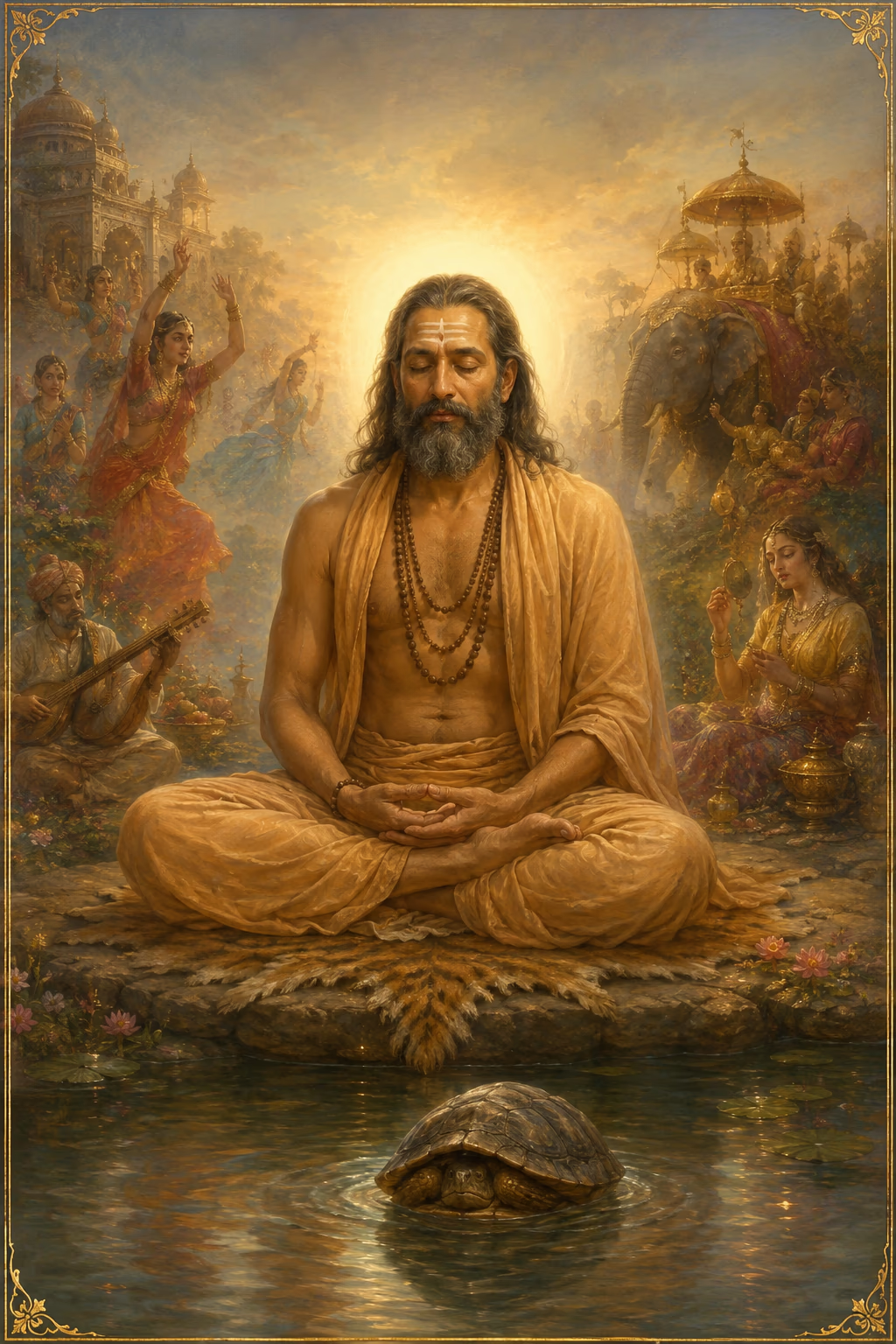
“स्थितप्रज्ञ — कच्छप की भाँति इन्द्रिय-संयम” ॥ ५८ ॥ · मूल चित्र — इस परियोजना हेतु
स्थिर बुद्धि का ज्ञानी ध्यान में अचल बैठा है; उसके समीप कछुआ अपने अंग समेट लेता है — संसार की चंचलता उसे विचलित नहीं कर पाती।
The sage of steady wisdom sits unshaken in meditation; beside him a tortoise draws in its limbs — the world's restlessness cannot disturb his inner calm.
इन्द्रियों के द्वारा विषयों को ग्रहण न करने वाले पुरुष के भी केवल विषय तो निवृत्त हो जाते हैं, परंतु उनमें रहने वाली आसक्ति निवृत्त नहीं होती
The objects of sense fall away from the embodied soul who abstains from feeding on them, but the taste for them remains; even that taste falls away when the Supreme is seen.
सरल अर्थ: उपवास या जबरन रोकने से विषय तो छूट जाते हैं, पर उनके प्रति भीतर का स्वाद, राग बना रहता है। परन्तु जब साधक को परमात्मा का अनुभव हो जाता है, तब वह राग जड़ से मिट जाता है — तभी सच्चा त्याग होता है।In simple words: Just starving yourself of pleasures forces them away on the outside, but the inner craving still lingers. That hidden hankering only truly dies when you've tasted something higher — a glimpse of the Supreme makes the old cravings lose their pull on their own.
yatato hy api kaunteya puruṣasya vipaścitaḥ । indriyāṇi pramāthīni haranti prasabhaṁ manaḥ ॥
हे अर्जुन! आसक्ति का नाश न होने के कारण ये प्रमथन स्वभाव वाली इन्द्रियाँ यत्न करते हुए बुद्धिमान् पुरुष के मन को बलात्कार से हर लेती हैं
For the turbulent senses, O son of Kunti, forcibly carry away the mind even of a discerning person who strives.
सरल अर्थ: श्रीकृष्ण कहते हैं — हे अर्जुन! इन्द्रियाँ इतनी प्रबल और मथ देने वाली हैं कि प्रयत्नशील, विवेकी पुरुष के मन को भी ये बलपूर्वक खींच ले जाती हैं। इसलिए इनसे सावधान रहना अत्यंत आवश्यक है।In simple words: Krishna gives a warning: the senses are powerful and restless. Even someone smart and sincerely working at it can get yanked off course in an unguarded moment. Don't underestimate them — control takes constant care, not a one-time effort.
इसलिये साधक को चाहिये कि वह उन सम्पूर्ण इन्द्रियों को वश में करके समाहित चित्त हुआ मेरे परायण होकर ध्यान में बैठे; क्योंकि जिस पुरुष की इन्द्रियाँ वश में होती हैं, उसी की बुद्धि स्थिर हो जाती है
Having restrained them all, one should sit, steadfast and intent on Me; for one whose senses are under control — his wisdom stands firm.
सरल अर्थ: इसलिए साधक को चाहिए कि वह अपनी सब इन्द्रियों को वश में करके, मुझ परमात्मा में मन लगाकर स्थिर बैठे। जिसकी इन्द्रियाँ वश में हैं, उसी की बुद्धि सचमुच स्थिर और प्रतिष्ठित होती है।In simple words: The practical move: rein in the senses and keep the mind anchored on the Divine. Control isn't about gritting your teeth in a vacuum — it works when the mind has a higher focus to rest on. Master the senses that way, and your wisdom holds steady.
विषयों का चिन्तन करने वाले पुरुष की उन विषयों में आसक्ति हो जाती है, आसक्ति से उन विषयों की कामना उत्पन्न होती है और कामना में विघ्न पड़ने से क्रोध उत्पन्न होता है
In a person dwelling on the objects of sense, attachment to them is born; from attachment springs desire, and from desire arises anger.
सरल अर्थ: जब मनुष्य बार-बार विषयों का चिन्तन करता है, तो उनमें आसक्ति पैदा हो जाती है; आसक्ति से कामना जन्म लेती है, और कामना के पूरा न होने पर क्रोध उपजता है। यहीं से पतन की सीढ़ी शुरू होती है।In simple words: It all starts with thinking. Keep replaying something you want in your mind, and attachment grows. Attachment turns into craving — and when the craving gets blocked, anger flares up. One innocent-looking thought is the first domino.
क्रोध से अत्यन्त मूढ़भाव उत्पन्न हो जाता है, मूढ़भाव से स्मृति में भ्रम हो जाता है, स्मृति में भ्रम हो जाने से बुद्धि अर्थात् ज्ञानशक्ति का नाश हो जाता है और बुद्धि का नाश हो जाने से यह पुरुष अपनी स्थिति से गिर जाता है
From anger comes delusion; from delusion, the confusion of memory; from the confusion of memory, the loss of intellect; and from the loss of intellect, he perishes.
सरल अर्थ: क्रोध से बुद्धि भ्रमित होती है, भ्रम से स्मृति यानी याददाश्त बिगड़ती है, स्मृति के नष्ट होने से बुद्धि (विवेक) मारी जाती है, और बुद्धि के नष्ट होते ही मनुष्य अपने ही सर्वनाश की ओर गिर पड़ता है।In simple words: Krishna traces the downhill slide: anger fogs the mind, the fog scrambles your memory of what matters, scrambled memory wrecks your judgment, and once judgment is gone you bring yourself to ruin. The whole collapse can be traced back to that first stray thought in the previous verse.
rāgadveṣaviyuktais tu viṣayān indriyaiś caran । ātmavaśyair vidheyātmā prasādam adhigacchati ॥
परंतु अपने अधीन किये हुए अन्तःकरणवाला साधक अपने वश में की हुई, राग-द्वेष से रहित इन्द्रियों द्वारा विषयों में विचरण करता हुआ अन्तःकरण की प्रसन्नता को प्राप्त होता है
But the self-controlled person, moving among the objects of sense with senses freed from longing and aversion and held in his own command, attains serenity.
सरल अर्थ: परन्तु जो साधक अपनी इन्द्रियों को वश में रखकर, राग-द्वेष से ऊपर उठकर विषयों के बीच विचरता है, वह अंतःकरण की प्रसन्नता और शान्ति को प्राप्त कर लेता है। संयमी रहकर संसार में रहना ही उसकी कुंजी है।In simple words: The good news after the warning: you don't have to run from the world. Live in it, use the senses — but keep them on your leash, without grabbing at things you like or pushing away things you don't. That inner balance is what brings real, lasting peace.
अन्तःकरण की प्रसन्नता होने पर इसके सम्पूर्ण दुःखों का अभाव हो जाता है और उस प्रसन्न चित्त वाले कर्मयोगी की बुद्धि शीघ्र ही सब ओर से हटकर एक परमात्मा में ही भलीभाँति स्थिर हो जाती है
In that serenity, all his sorrows come to an end; for the intellect of one whose mind is tranquil soon becomes firmly established.
सरल अर्थ: जब मन प्रसन्न और शांत हो जाता है, तब सारे दुख मिट जाते हैं। ऐसे प्रसन्नचित्त मनुष्य की बुद्धि बहुत जल्दी स्थिर और दृढ़ हो जाती है।In simple words: When the mind settles into a clear, contented calm, the weight of grief simply falls away. And a mind that calm doesn't wobble — your judgment quickly becomes steady and grounded.
nāsti buddhir ayuktasya na cāyuktasya bhāvanā । na cābhāvayataḥ śāntir aśāntasya kutaḥ sukham ॥
न जीते हुए मन और इन्द्रियों वाले पुरुष में निश्चयात्मिका बुद्धि नहीं होती और उस अयुक्त मनुष्य के अन्तःकरण में भावना भी नहीं होती तथा भावनाहीन मनुष्य को शान्ति नहीं मिलती और शान्तिरहित मनुष्य को सुख कैसे मिल सकता है ?
For the unsteady there is no clear intellect, and for the unsteady no power of contemplation; for one without contemplation there is no peace, and for one without peace, how can there be happiness?
सरल अर्थ: जिसका मन इंद्रियों पर काबू में नहीं, उसकी बुद्धि स्थिर नहीं रहती और न ही उसके भीतर सही भाव टिकता है। भाव के बिना शांति नहीं, और जो अशांत है उसे सुख कहाँ?In simple words: A scattered, undisciplined mind can't think clearly or focus deeply. Without that inner focus there's no peace — and without peace, happiness has nowhere to land. It's a chain: discipline leads to clarity, clarity to peace, peace to true contentment.
indriyāṇāṁ hi caratāṁ yan mano 'nuvidhīyate । tad asya harati prajñāṁ vāyur nāvam ivāmbhasi ॥
क्योंकि जैसे जल में चलने वाली नाव को वायु हर लेती है, वैसे ही विषयों में विचरती हुई इन्द्रियों में से मन जिस इन्द्रिय के साथ रहता है वह एक ही इन्द्रिय इस अयुक्त पुरुष की बुद्धि को हर लेती है
For when the mind follows after the roaming senses, it carries away one's wisdom, as the wind carries off a boat upon the waters.
सरल अर्थ: जैसे पानी पर तैरती नाव को तेज़ हवा भटका देती है, वैसे ही भटकती इंद्रियों के पीछे दौड़ता मन मनुष्य की बुद्धि और विवेक को बहा ले जाता है।In simple words: Let the mind chase whatever the senses crave, and it quietly hijacks your good judgment — the way a single strong gust drags a boat off its course on open water. Even one unguarded sense is enough to pull you adrift.
इसलिये हे महाबाहो ! जिस पुरुष की इन्द्रियाँ इन्द्रियों के विषयों से सब प्रकार निग्रह की हुई हैं, उसी की बुद्धि स्थिर है
Therefore, O mighty-armed one, he whose senses are wholly withdrawn from their objects — his wisdom stands firmly established.
सरल अर्थ: इसलिए हे अर्जुन, जिसने अपनी इंद्रियों को उनके विषयों से पूरी तरह समेट लिया है, उसी की बुद्धि स्थिर और दृढ़ होती है।In simple words: So the conclusion: the person whose senses are fully reined in — not running out toward every tempting thing — is the one whose wisdom is truly settled and secure. Mastery over the senses is what makes inner steadiness real.
सम्पूर्ण प्राणियों के लिये जो रात्रि के समान है, उस नित्य ज्ञानस्वरूप परमानन्द की प्राप्ति में स्थितप्रज्ञ योगी जागता है और जिस नाशवान् सांसारिक सुख की प्राप्ति में सब प्राणी जागते हैं, परमात्मा के तत्त्व को जानने वाले मुनि के लिये वह रात्रि के समान है
What is night for all beings, in that the disciplined one is awake; and what beings are awake in, that is night for the seeing sage.
सरल अर्थ: जो सब प्राणियों के लिए रात के समान है (सांसारिक भोग से विमुख), उस आत्मज्ञान में स्थितप्रज्ञ जागता रहता है; और जिसमें सब लोग जागते हैं (विषय-भोग), वह ज्ञानी मुनि के लिए रात के समान है।In simple words: The sage and the worldly person are awake to opposite things. What the crowd is wide awake to — chasing pleasures and possessions — the wise one treats as 'night,' of no interest. And what the crowd is blind to, asleep to — the truth of the Self — is exactly where the disciplined one is fully awake.
āpūryamāṇam acalapratiṣṭhaṁ samudram āpaḥ praviśanti yadvat । tadvat kāmā yaṁ praviśanti sarve sa śāntim āpnoti na kāmakāmī ॥
जैसे नाना नदियों के जल सब ओर से परिपूर्ण, अचल प्रतिष्ठा वाले, समुद्र में उसको विचलित न करते हुए ही समा जाते हैं, वैसे ही सब भोग जिस स्थितप्रज्ञ पुरुष में किसी प्रकार का विकार उत्पन्न किये बिना ही समा जाते हैं, वही पुरुष शान्ति को प्राप्त होता है, भोगों को चाहने वाला नहीं
As waters enter the ocean — which, ever being filled, remains unmoved and steady — so the one into whom all desires enter attains peace, not the one who hankers after desires.
सरल अर्थ: जैसे नदियाँ लगातार समुद्र में मिलती रहती हैं फिर भी समुद्र अपनी सीमा में स्थिर और अडिग रहता है, वैसे ही जिसके भीतर सारी कामनाएँ समाकर शांत हो जाती हैं, वही सच्ची शांति पाता है — भोगों के पीछे भागने वाला नहीं।In simple words: Picture the ocean: rivers pour into it endlessly, yet it never overflows and never loses its level. The person at peace is like that — desires may arise and flow in, but they don't disturb his fullness. Peace comes to the one who stays steady amid wants, never to the one forever running after them.
जो पुरुष सम्पूर्ण कामनाओं को त्यागकर ममता रहित, अहंकार रहित और स्पृहारहित हुआ विचरता है वही शान्ति को प्राप्त होता है अर्थात् वह शान्ति को प्राप्त है
The person who, abandoning all desires, moves through life free from longing, without the sense of "mine" and without ego — he attains peace.
सरल अर्थ: जो मनुष्य सारी इच्छाओं को छोड़कर, बिना किसी लालसा, ममता और अहंकार के जीता है, वही सच्ची शांति को प्राप्त होता है।In simple words: The one who lays down craving, walks through life without grasping, and drops two deep habits — 'this is mine' (possessiveness) and 'I, me' (ego) — arrives at lasting peace. Letting go, not piling up, is the doorway.
हे अर्जुन ! यह ब्रह्म को प्राप्त पुरुष की स्थिति है, इसको प्राप्त होकर योगी कभी मोहित नहीं होता और अन्त काल में भी इस ब्राह्मी स्थिति में स्थित होकर ब्रह्मानन्द को प्राप्त हो जाता है
This is the state of Brahman, O Pārtha; attaining it, one is no longer deluded. Established in it, even at the hour of death, one reaches oneness with Brahman.
सरल अर्थ: हे अर्जुन, यही ब्रह्म में स्थित होने की अवस्था है; इसे पाकर मनुष्य फिर मोह में नहीं पड़ता। जो अंतिम समय में भी इसी स्थिति में रहता है, वह ब्रह्म के साथ एक होकर परम मुक्ति पा लेता है।In simple words: This is the settled state of one rooted in the Absolute. Once you reach it, confusion and delusion lose their grip for good. And if you can hold steady in it right up to your final breath, you merge into that boundless reality — the deepest freedom there is.
स्थितप्रज्ञ — कामना को साधकर मन को स्थिर करनाSthitaprajña — steadying the mind by mastering desire
श्रीकृष्ण दूसरे अध्याय के अन्त में स्थितप्रज्ञ — स्थिर बुद्धि वाले पुरुष — का वर्णन करते हैं: शान्त, आत्म-स्थित, कामना से अविचलित। वे यह भी बताते हैं कि शान्ति कैसे नष्ट होती है: विषय-चिन्तन → आसक्ति → कामना → क्रोध → सम्मोह → विनाश (२·६२-६३)। यह अभ्यास आपको वह श्रृंखला अपने भीतर देखने और उसे पहली कड़ी पर ही तोड़ने देता है।Krishna closes chapter 2 by describing the sthitaprajña — one of steady wisdom: calm, self-possessed, unshaken by craving. He also maps exactly how peace is lost: dwelling on objects → attachment → desire → anger → confusion → ruin (2.62–63). This practice lets you watch that chain in yourself and break it at the first link.
एक बार-बार उठने वाली कामना या चिढ़ चुनो (कोई नोटिफिकेशन, कोई भोजन, किसी का अनुमोदन)।Pick one recurring craving or irritation (a notification, a food, someone's approval).
जब वह उठे, न उस पर कर्म करो न उसे कुचलो — बस श्रृंखला देखो: मन उस पर ठहरता है, आसक्ति बनती है, कामना भड़कती है। पहली कड़ी — 'चिन्तन' — पर ही उसे पकड़ो (२·६२)।When it arises, neither act on it nor crush it — just watch the chain: the mind dwells on it, attachment forms, desire flares. Catch it at 'dwelling,' the first link (2.62).
कछुआ जैसे अपने अंग समेट लेता है, वैसे ही उससे अपना ध्यान खींच लो (२·५८) — कोमलता से, पूरी तरह, बिना संघर्ष के।Withdraw attention from it as a tortoise draws in its limbs (2.58) — gently, completely, without a fight.
कुछ क्षण साँस में टिको और देखो कि वेग उठकर शान्त हो जाता है — जैसे नदियाँ समुद्र में समाती हैं, वैसे ही उसे आने दो और बिना विचलित हुए समा जाने दो (२·७०)।Rest in the breath a few moments and watch the urge crest and pass — like rivers entering the sea, let it come and be absorbed without moving you (2.70).
अवधि: Duration: हर बार कामना उठने पर, एक-दो मिनट।A minute or two, each time a craving arises.
क्या देखें: What to notice: ध्यान दो कि जब आप श्रृंखला को पहली कड़ी पर पकड़ लेते हैं, तो क्रोध और पश्चाताप बनते ही नहीं — और एक शान्त, आत्म-स्थित स्थिरता बढ़ती जाती है। यही स्थितप्रज्ञ का स्वाद है: वह शान्ति जो मनचाहा पाने पर निर्भर नहीं (२·७०-७१)।Notice that when you catch the chain at the first link, anger and regret never form — and a quiet, self-possessed steadiness grows. This is the taste of sthitaprajña: a peace that does not depend on getting what you wanted (2.70–71).
सावधानी: Take care: यह सौम्य ध्यान-अभ्यास है, सबके लिए सुरक्षित — दमन नहीं। यदि कोई कामना किसी सच्ची आवश्यकता या पीड़ा की ओर इशारा करे तो उसका सम्मान करो; यह उन बाध्यकारी खिंचावों के लिए है जो आपकी शान्ति भंग करते हैं।This is gentle attention-training, safe for everyone — not suppression. If a craving points to a genuine need or distress, honor that; this is for the compulsive pulls that disturb your peace.
अनुभव · स्वयं देखेंAnubhava · see for yourself
एक सप्ताह तक, हर शाम एक ऐसा क्षण याद करो जब कामना-से-क्रोध की श्रृंखला शुरू हुई — और क्या तुमने उसे जल्दी पकड़ा। देखो कि 'जल्दी पकड़े' क्षणों की संख्या बढ़ती जाती है। वह बढ़ती संख्या ही तुम्हारी अपनी स्थिर बुद्धि का जड़ पकड़ना है — विश्वास से नहीं, अपने ही दिनों से मापी हुई।
For one week, each evening recall one moment the craving-to-anger chain began — and whether you caught it early. Watch the count of 'caught early' moments climb. That rising number is your own steady wisdom taking root — measured not by belief, but by your own days.
ॐ तत्सदिति श्रीमद्भगवद्गीतासूपनिषत्सु ब्रह्मविद्यायां योगशास्त्रे श्रीकृष्णार्जुनसंवादे साङ्ख्ययोगो नाम द्वितीयोऽध्यायः ॥ २ ॥
॥ इस प्रकार उपनिषद्, ब्रह्मविद्या तथा योगशास्त्र रूप श्रीमद्भगवद्गीता के श्रीकृष्ण-अर्जुन संवाद में 'साङ्ख्ययोग' नामक दूसरा अध्याय पूर्ण हुआ ॥