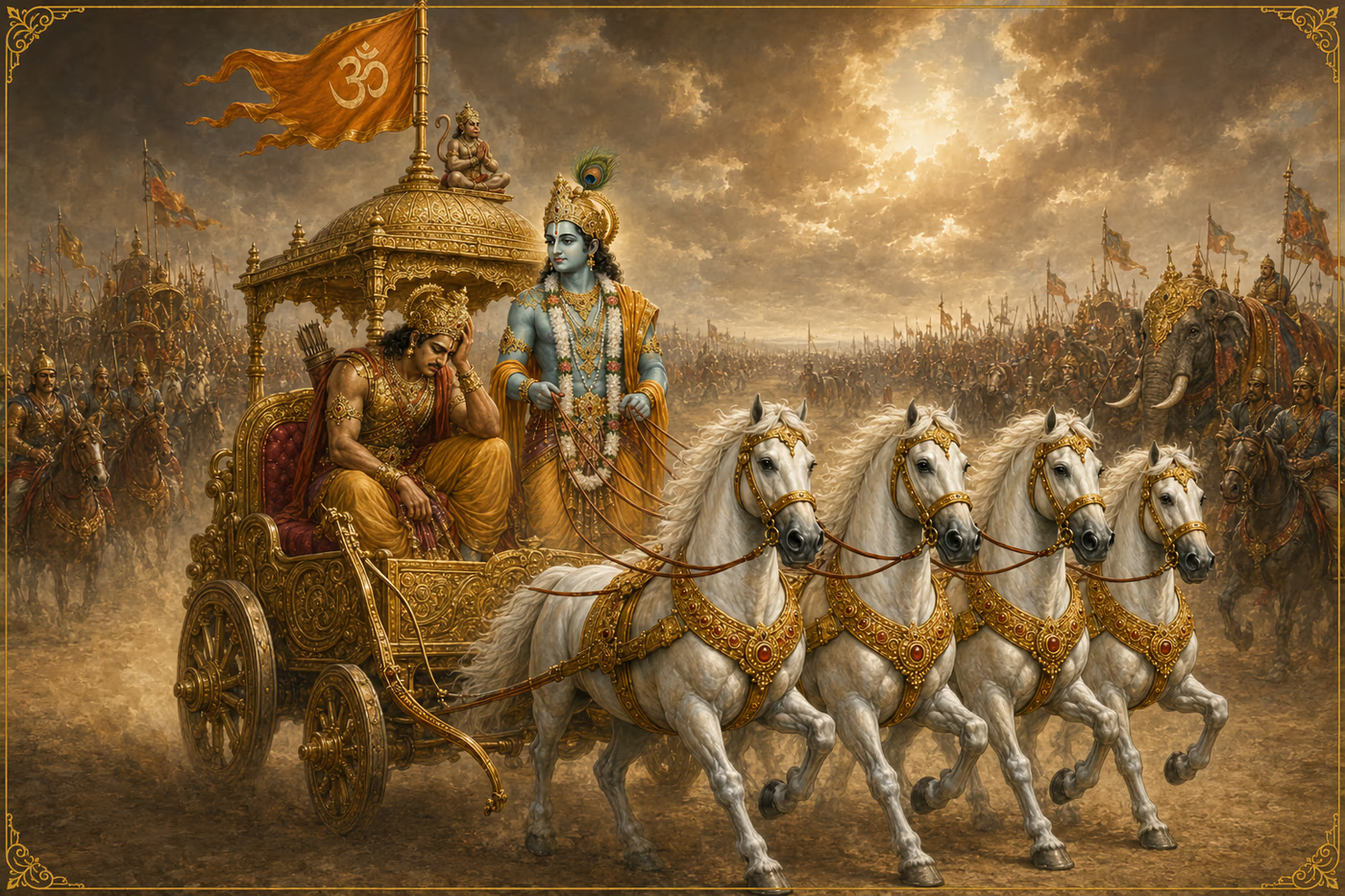
गीता का आरम्भ किसी उत्तर से नहीं, एक टूटन से होता है। कुरुक्षेत्र के मैदान में दो विशाल सेनाएँ आमने-सामने हैं; शंख गरज उठते हैं; और अर्जुन श्रीकृष्ण से कहते हैं कि रथ को दोनों सेनाओं के बीच ले चलें। वहाँ अपने ही गुरुजनों, बड़ों और कुटुम्बियों को युद्ध के लिए खड़ा देखकर वह महान् योद्धा भीतर से बिखर जाता है — अंग शिथिल हो जाते हैं, गाण्डीव धनुष हाथ से गिर पड़ता है, और वह शोक तथा मोह (विषाद) से अभिभूत होकर बैठ जाता है। यह पहला अध्याय मनुष्य के संकट का ईमानदार निदान है: वह क्षण जब हम कर्तव्यों के बीच जड़ हो जाते हैं और मार्ग नहीं सूझता। पूरी गीता इसी टूटन का उत्तर है — और वह उत्तर दूसरे अध्याय से आरम्भ होता है, उसी क्षण जब अर्जुन तर्क करना छोड़कर शिष्य-भाव से पूछता है।
The Gita opens not with an answer but with a collapse. On the field of Kurukṣetra two vast armies face each other; conch-shells roar; and Arjuna asks Krishna to drive his chariot into the gap between them. There, seeing his own teachers, elders and kinsmen arrayed to be killed, the great warrior breaks — his limbs fail, the bow Gāṇḍīva slips from his hand, and he sinks down overwhelmed by grief and moral confusion (viṣāda). This first chapter is the honest diagnosis of the human crisis: the moment we stand paralysed between duties, unable to see the way. The Gita's entire teaching is the answer to this collapse — and it begins in chapter 2, the instant Arjuna stops arguing and asks to be taught.
“अर्जुनविषाद — दोनों सेनाओं के मध्य धनुष गिर पड़ा” ॥ १–४७ ॥ · मूल चित्र — इस परियोजना हेतु
कुरुक्षेत्र की दो विशाल सेनाओं के बीच, रथ पर बैठे अर्जुन शोक और मोह से टूट जाते हैं; गाण्डीव हाथ से छूट जाता है, पास ही शान्त सारथि श्रीकृष्ण करुणा-भरी दृष्टि से देखते हैं।
Between the two vast armies on Kurukṣetra, Arjuna sinks down in the chariot, broken by grief; the great bow Gāṇḍīva slips from his hand as the serene charioteer Krishna looks on with infinite compassion.
धृतराष्ट्र बोले—हे सञ्जय ! धर्मभूमि कुरुक्षेत्र में एकत्रित, युद्ध की इच्छा वाले मेरे और पाण्डु के पुत्रों ने क्या किया ?
Dhṛtarāṣṭra said: O Sañjaya, gathered on the field of dharma, the field of Kurukṣetra, eager to fight — what did my sons and the sons of Pāṇḍu do?
सरल अर्थ: धृतराष्ट्र अपने सारथी संजय से पूछते हैं — हे संजय, धर्मभूमि कुरुक्षेत्र में युद्ध की इच्छा से इकट्ठा हुए मेरे पुत्रों (कौरवों) और पाण्डु के पुत्रों (पाण्डवों) ने क्या किया? यहाँ 'मामकाः' (मेरे लोग) कहकर वे अपने पुत्रों के प्रति आसक्ति और पक्षपात दिखा रहे हैं।In simple words: The blind king Dhṛtarāṣṭra opens the whole Gītā with a question. He asks his charioteer-narrator Sañjaya: now that both armies stand ready to fight at Kurukṣetra, what did my side and the Pāṇḍava side do? His word 'my sons' versus 'the sons of Pāṇḍu' already reveals his bias.
सञ्जय बोले—उस समय राजा दुर्योधन ने व्यूह रचनायुक्त पाण्डवों की सेना को देखकर और द्रोणाचार्य के पास जाकर यह वचन कहा
Sañjaya said: Seeing the army of the Pāṇḍavas drawn up in battle formation, King Duryodhana then approached his teacher Droṇa and spoke these words.
सरल अर्थ: संजय उत्तर देते हैं — उस समय पाण्डवों की सेना को व्यूह-रचना में खड़ी देखकर राजा दुर्योधन अपने गुरु द्रोणाचार्य के पास गया और यह वचन बोला। दुर्योधन का गुरु के पास जाना भीतर की बेचैनी का संकेत है।In simple words: Sañjaya begins his account. When Duryodhana saw the Pāṇḍava army arranged in a proper military formation, he went up to his teacher Droṇācārya and spoke. His going to the teacher hints at his hidden nervousness.
हे आचार्य ! आपके बुद्धिमान् शिष्य द्रुपदपुत्र धृष्टद्युम्न द्वारा व्यूहाकार खड़ी की हुई पाण्डु पुत्रों की इस बड़ी भारी सेना को देखिये
Behold, O teacher, this mighty army of the sons of Pāṇḍu, arrayed for battle by your own wise pupil, the son of Drupada.
सरल अर्थ: दुर्योधन कहता है — हे आचार्य! पाण्डु-पुत्रों की इस विशाल सेना को देखिए, जिसे आपके ही बुद्धिमान शिष्य द्रुपद-पुत्र धृष्टद्युम्न ने व्यूह-रूप में सजाया है। यह कहकर दुर्योधन गुरु को यह याद दिलाकर उकसाता है कि शत्रु-सेनापति उन्हीं का सिखाया हुआ है।In simple words: Duryodhana points out the opposing army to Droṇa: 'Look at this huge Pāṇḍava force, organized by your own clever student Dhṛṣṭadyumna, son of Drupada.' He is subtly needling his teacher — reminding him that the enemy commander was trained by Droṇa himself.
सरल अर्थ: इस सेना में बड़े-बड़े वीर और महान धनुर्धर हैं जो युद्ध में भीम और अर्जुन के समान हैं — जैसे युयुधान (सात्यकि), विराट और महारथी द्रुपद। दुर्योधन शत्रु-पक्ष के बलवान योद्धाओं को गिनाना शुरू करता है।In simple words: Duryodhana starts naming the strong fighters on the enemy side: great archers as powerful in war as Bhīma and Arjuna — Yuyudhāna (Sātyaki), Virāṭa, and Drupada, a 'mahāratha' (a top-class warrior who can fight many at once).
dhṛṣṭaketuś cekitānaḥ kāśirājaś ca vīryavān । purujit kuntibhojaś ca śaibyaś ca narapuṅgavaḥ ॥
संयुक्त अनुवाद ↓joint translation ↓
सरल अर्थ: (और देखिए —) धृष्टकेतु, चेकितान, पराक्रमी काशिराज, पुरुजित्, कुन्तिभोज और मनुष्यों में श्रेष्ठ शैब्य। दुर्योधन पाण्डव-सेना के और प्रमुख वीरों का नाम लेता है।In simple words: Duryodhana continues the list of Pāṇḍava champions: Dhṛṣṭaketu, Cekitāna, the brave king of Kāśi (Varanasi), Purujit, Kuntibhoja, and Śaibya — calling Śaibya 'a bull among men,' i.e. an outstanding man.
yudhāmanyuś ca vikrānta uttamaujāś ca vīryavān । saubhadro draupadeyāś ca sarva eva mahārathāḥ ॥
॥ ४–६ ॥
इस सेना में बड़े-बड़े धनुषों वाले तथा युद्ध में भीम और अर्जुन के समान शूरवीर सात्यकि और विराट तथा महारथी राजा द्रुपद, धृष्टकेतु और चेकितान तथा बलवान् काशिराज, पुरुजित्, कुन्तिभोज और मनुष्यों में श्रेष्ठ शैव्य, पराक्रमी युधामन्यु तथा बलवान् उत्तमौजा, सुभद्रा पुत्र अभिमन्यु एवं द्रौपदी के पाँचों पुत्र—ये सभी महारथी हैं
Here are heroes, mighty archers, equal in battle to Bhīma and Arjuna: Yuyudhāna, Virāṭa, and Drupada the great chariot-warrior. Dhṛṣṭaketu, Cekitāna, and the valiant king of Kāśi; Purujit, Kuntibhoja, and Śaibya, the bull among men. The valiant Yudhāmanyu and the mighty Uttamaujas; the son of Subhadrā and the sons of Draupadī — all of them great chariot-warriors.
सरल अर्थ: वीर युधामन्यु, पराक्रमी उत्तमौजा, सुभद्रा के पुत्र अभिमन्यु और द्रौपदी के पुत्र — ये सब के सब महारथी हैं। इस प्रकार दुर्योधन शत्रु-सेना के योद्धाओं की गिनती पूरी करता है।In simple words: He finishes naming the enemy warriors: the gallant Yudhāmanyu, the strong Uttamaujas, the son of Subhadrā (Abhimanyu), and the sons of Draupadī — and stresses that every one of them is a mahāratha, a great chariot-warrior.
asmākaṁ tu viśiṣṭā ye tān nibodha dvijottama । nāyakā mama sainyasya saṁjñārthaṁ tān bravīmi te ॥
हे ब्राह्मणश्रेष्ठ ! अपने पक्ष में भी जो प्रधान हैं, उनको आप समझ लीजिये । आपकी जानकारी के लिये मेरी सेना के जो-जो सेनापति हैं, उनको बतलाता हूँ
But know, O best of the twice-born, those who are the most distinguished among us, the leaders of my army; I name them for you, that you may recognize them.
सरल अर्थ: दुर्योधन कहता है — हे द्विजश्रेष्ठ (ब्राह्मणों में उत्तम आचार्य)! अब हमारी ओर के जो प्रमुख योद्धा हैं, उन्हें भी जान लीजिए। मेरी सेना के जो नायक हैं, उन्हें आपकी जानकारी के लिए बताता हूँ।In simple words: Turning to his own side, Duryodhana says to Droṇa (addressed as 'best of the twice-born / brāhmaṇas'): now let me also tell you who the outstanding warriors and commanders of my army are, so you may take note of them.
bhavān bhīṣmaś ca karṇaś ca kṛpaś ca samitiñjayaḥ । aśvatthāmā vikarṇaś ca saumadattis tathaiva ca ॥
आप—द्रोणाचार्य और पितामह भीष्म तथा कर्ण और संग्राम विजयी कृपाचार्य तथा वैसे ही अश्वत्थामा, विकर्ण और सोमदत्त पुत्र भूरिश्रवा
Yourself, and Bhīṣma, and Karṇa, and Kṛpa ever victorious in battle; Aśvatthāmā, Vikarṇa, and likewise the son of Somadatta.
सरल अर्थ: (हमारे प्रमुख वीर ये हैं —) स्वयं आप (द्रोणाचार्य), भीष्म, कर्ण, संग्राम-विजयी कृपाचार्य, अश्वत्थामा, विकर्ण और सोमदत्त के पुत्र भूरिश्रवा। दुर्योधन अपनी सेना के मुख्य योद्धाओं के नाम गिनाता है।In simple words: Duryodhana lists his own top warriors: Droṇa himself, the grandsire Bhīṣma, Karṇa, Kṛpa (always victorious in battle), Aśvatthāmā, Vikarṇa, and the son of Somadatta (Bhūriśravā).
और भी मेरे लिये जीवन की आशा त्याग देने वाले बहुत-से शूरवीर अनेक प्रकार के शस्त्रास्त्रों से सुसज्जित और सब-के-सब युद्ध में चतुर हैं
And there are many other heroes too, ready to lay down their lives for my sake, all of them armed with diverse weapons and all skilled in the arts of war.
सरल अर्थ: दुर्योधन कहता है — और भी बहुत-से शूरवीर हैं जो मेरे लिए अपने प्राण तक न्योछावर करने को तैयार हैं। वे सब तरह-तरह के शस्त्र-अस्त्र चलाने में निपुण हैं और युद्ध-कला में पूरी तरह दक्ष हैं।In simple words: Still addressing his teacher Drona, Duryodhana adds: besides the ones already named, many more brave warriors stand on our side, each willing to die for me, each carrying many kinds of weapons and each expert in fighting.
भीष्म पितामह द्वारा रक्षित हमारी वह सेना सब प्रकार से अजेय है और भीम द्वारा रक्षित इन लोगों की यह सेना जीतने में सुगम है
Our strength, guarded by Bhīṣma, is immeasurable; whereas the strength of these others, guarded by Bhīma, is limited.
सरल अर्थ: हमारी सेना भीष्म पितामह के संरक्षण में है, इसलिए वह अपार और अजेय है; परन्तु पाण्डवों की सेना, जो भीम के संरक्षण में है, सीमित और कम है। (कुछ आचार्य 'अपर्याप्त' को 'अपर्याप्त-अपूर्ण' अर्थ में भी लेते हैं — दुर्योधन की भीतरी आशंका झलकती है।)In simple words: Duryodhana compares the two armies: ours, led by Bhishma, seems boundless, while theirs, led by Bhima, is smaller. The word he uses is slightly ambiguous, and some read a flicker of his hidden worry in it.
ayaneṣu ca sarveṣu yathābhāgamavasthitāḥ । bhīṣmamevābhirakṣantu bhavantaḥ sarva eva hi ॥
इसलिये सब मोर्चों पर अपनी-अपनी जगह स्थित रहते हुए आप लोग सभी निःसन्देह भीष्म पितामह की ही सब ओर से रक्षा करें
Therefore, stationed each in his own position at every point of the formation, let all of you, without exception, guard Bhīṣma above all.
सरल अर्थ: इसलिए सभी मोर्चों पर अपने-अपने नियत स्थान पर डटे रहते हुए, आप सब लोग हर ओर से केवल भीष्म पितामह की ही रक्षा करें — यही दुर्योधन का सबसे बड़ा आग्रह है।In simple words: Duryodhana gives his order: hold your assigned places along the whole battle line, and above everything else, every one of you protect Bhishma, the army's mainstay.
कौरवों में वृद्ध बड़े प्रतापी पितामह भीष्म ने उस दुर्योधन के हृदय में हर्ष उत्पन्न करते हुए उच्च स्वर से सिंह की दहाड़ के समान गरजकर शंख बजाया
Then, to cheer Duryodhana, the valiant grandsire, the eldest of the Kurus, roared aloud like a lion and blew his conch.
सरल अर्थ: तब कुरुवंश के सबसे बुज़ुर्ग, प्रतापी पितामह भीष्म ने दुर्योधन का हर्ष बढ़ाते हुए सिंह के समान गरजकर ज़ोर से अपना शंख बजाया।In simple words: Sensing Duryodhana's mood, the mighty grandfather Bhishma, oldest of the Kurus, gave a lion-like roar and sounded his conch loudly to lift the prince's spirits.
tataḥ śaṅkhāśca bheryaśca paṇavānakagomukhāḥ । sahasaivābhyahanyanta sa śabdastumulo'bhavat ॥
इसके पश्चात् शंख और नगारे तथा ढोल, मृदंग और नरसिंघे आदि बाजे एक साथ ही बज उठे । उनका वह शब्द बड़ा भयंकर हुआ
Thereupon conches and kettledrums, tabors, drums, and cow-horn trumpets suddenly blared forth all at once, and the sound was tumultuous.
सरल अर्थ: इसके बाद शंख, नगाड़े, ढोल, मृदंग और रणसिंगे आदि सब वाद्य एक साथ अचानक बज उठे, और उनका वह सम्मिलित शब्द बहुत भयंकर और कोलाहलपूर्ण हो उठा।In simple words: At once a whole range of war instruments — conches, kettledrums, smaller drums, big drums, and horns — sounded together, and the combined roar was overwhelming.
इसके अनन्तर सफेद घोड़ों से युक्त उत्तम रथ में बैठे हुए श्रीकृष्ण महाराज और अर्जुन ने भी अलौकिक शंख बजाये
Then, seated in their great chariot yoked with white horses, Mādhava (Kṛṣṇa) and the son of Pāṇḍu (Arjuna) blew their divine conches.
सरल अर्थ: इसके बाद सफ़ेद घोड़ों से जुते हुए भव्य रथ पर बैठे हुए भगवान श्रीकृष्ण (माधव) और पाण्डुपुत्र अर्जुन ने अपने-अपने दिव्य शंख बजाए।In simple words: Now from the Pandava side: Krishna and Arjuna, standing in their grand chariot drawn by white horses, blew their heavenly conches in reply.
श्रीकृष्ण महाराज ने पाञ्चजन्य नामक, अर्जुन ने देवदत्त नामक और भयानक कर्म वाले भीमसेन ने पौण्ड्र नामक महाशंख बजाया
Hṛṣīkeśa (Kṛṣṇa) blew the Pāñcajanya and Dhanañjaya (Arjuna) the Devadatta; Vṛkodara (Bhīma), doer of fearsome deeds, blew his mighty conch Pauṇḍra.
सरल अर्थ: श्रीकृष्ण ने 'पाञ्चजन्य' नामक शंख बजाया, अर्जुन (धनंजय) ने 'देवदत्त' और भयंकर कर्म करने वाले भीम (वृकोदर) ने अपना 'पौण्ड्र' नामक महाशंख बजाया।In simple words: Each great conch has its own name: Krishna's is Panchajanya, Arjuna's is Devadatta, and Bhima — the fearsome fighter — blows his huge conch called Paundra.
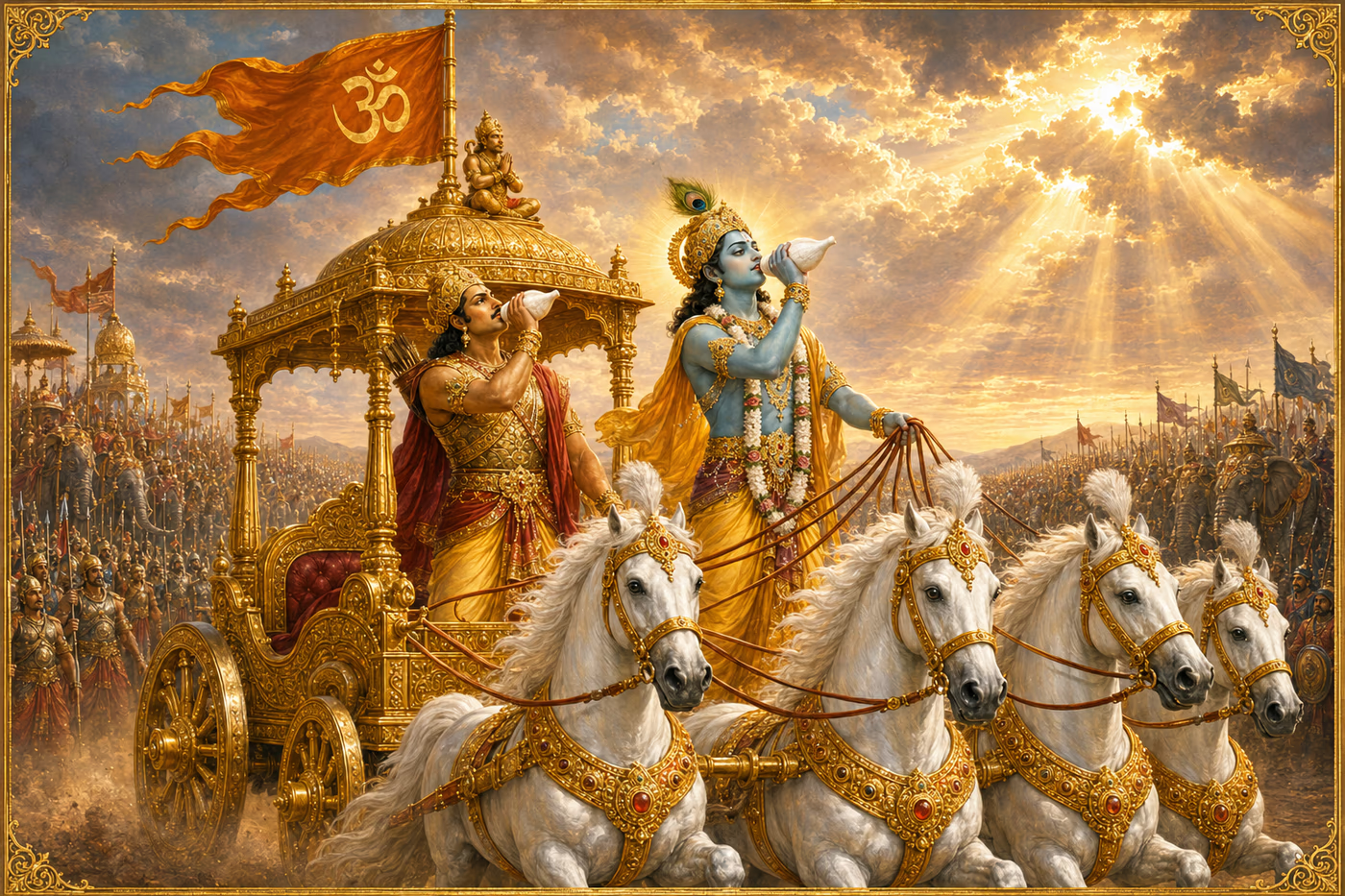
“दिव्य शंखनाद — युद्ध की भूमिका” ॥ १४–१५ ॥ · मूल चित्र — इस परियोजना हेतु
श्रीकृष्ण पाञ्चजन्य और अर्जुन देवदत्त शंख बजाते हैं; वह गर्जना आकाश-पृथ्वी को कँपा देती है और स्तब्ध सेनाएँ पीछे खड़ी हैं।
Krishna sounds his conch Pāñcajanya and Arjuna his Devadatta; the tremendous blast shakes heaven and earth as the awestruck armies stand behind.
कुन्ती पुत्र राजा युधिष्ठिर ने अनन्त विजय नामक और नकुल तथा सहदेव ने सुघोष और मणिपुष्पक नामक शंख बजाये
King Yudhiṣṭhira, the son of Kuntī, blew the Anantavijaya, while Nakula and Sahadeva blew the Sughoṣa and the Maṇipuṣpaka.
सरल अर्थ: कुन्तीपुत्र राजा युधिष्ठिर ने 'अनन्तविजय' नामक शंख बजाया, तथा नकुल और सहदेव ने क्रमशः 'सुघोष' और 'मणिपुष्पक' नामक अपने शंख बजाए।In simple words: The roll-call of conches continues: eldest brother King Yudhishthira sounds the Anantavijaya, and the twins Nakula and Sahadeva sound theirs, named Sughosha and Manipushpaka.
kāśyaśca parameṣvāsaḥ śikhaṇḍī ca mahārathaḥ । dhṛṣṭadyumno virāṭaśca sātyakiścāparājitaḥ ॥
संयुक्त अनुवाद ↓joint translation ↓
सरल अर्थ: और काशी के राजा, जो श्रेष्ठ धनुर्धर हैं, तथा महारथी शिखण्डी, धृष्टद्युम्न और विराट, एवं कभी न हारने वाले सात्यकि — ये सब वीर भी पाण्डव-पक्ष में डटे हैं।In simple words: Sanjaya keeps naming the great warriors on the Pandava side: the King of Kashi, a top archer; Shikhandi, a mighty chariot-fighter; Dhrishtadyumna; Virata; and Satyaki, who has never been defeated.
श्रेष्ठ धनुष वाले काशिराज और महारथी शिखण्डी एवं धृष्टद्युम्न तथा राजा विराट और अजेय सात्यकि, राजा द्रुपद एवं द्रौपदी के पाँचों पुत्र और बड़ी भुजावाले सुभद्रा पुत्र अभिमन्यु—इन सभी ने, हे राजन् ! सब ओर से अलग-अलग शंख बजाये
And the King of Kāśi, that supreme archer, and Śikhaṇḍī, the great chariot-warrior, Dhṛṣṭadyumna and Virāṭa, and Sātyaki the unconquered — Drupada and the sons of Draupadī, O Lord of the earth, and the mighty-armed son of Subhadrā — all of them, on every side, blew their conches, each his own.
सरल अर्थ: हे राजन्! राजा द्रुपद और द्रौपदी के पाँचों पुत्र, तथा महाबाहु सुभद्रापुत्र अभिमन्यु — इन सबने चारों ओर से अपने-अपने शंख अलग-अलग बजाए।In simple words: Sanjaya tells Dhritarashtra ("Lord of the earth"): King Drupada, Draupadi's five sons, and the strong-armed Abhimanyu (Subhadra's son) — every one of them, from all directions, blew his own conch.
और उस भयानक शब्द ने आकाश और पृथ्वी को भी गुँजाते हुए धार्तराष्ट्रों के यानी आपके पक्ष वालों के हृदय विदीर्ण कर दिये
That tumultuous uproar, resounding through both sky and earth, tore apart the hearts of Dhṛtarāṣṭra's sons.
सरल अर्थ: वह भयंकर शब्द आकाश और पृथ्वी दोनों को गुँजाता हुआ चारों ओर फैल गया, और उसने धृतराष्ट्र के पुत्रों के हृदयों को विदीर्ण कर दिया।In simple words: The huge roar of all those conches echoed across the sky and the earth, and it shattered the courage in the hearts of Dhritarashtra's sons (the Kauravas).
सरल अर्थ: हे राजन्! फिर, जिनके ध्वज पर हनुमान का चिह्न है उन अर्जुन ने, धृतराष्ट्र के पुत्रों को व्यूह में खड़ा देखकर — जब शस्त्र चलने ही वाले थे — अपना धनुष उठाया और हृषीकेश श्रीकृष्ण से ये वचन कहे।In simple words: Arjuna, whose chariot-flag carries the sign of Hanuman, sees the Kauravas standing ready for battle. As weapons are about to start flying, he lifts his bow and begins to speak to Krishna (the master of the senses). [This verse and the next run together as one sentence.]
हे राजन् ! इसके बाद कपिध्वज अर्जुन ने मोर्चा बाँधकर डटे हुए धृतराष्ट्र-सम्बन्धियों को देखकर, उस शस्त्र चलने की तैयारी के समय धनुष उठाकर हृषीकेश श्रीकृष्ण महाराज से यह वचन कहा—हे अच्युत ! मेरे रथ को दोनों सेनाओं के बीच में खड़ा कीजिये
Then, O Lord of the earth, seeing Dhṛtarāṣṭra's sons drawn up in array, as the clash of weapons was about to begin, the son of Pāṇḍu, whose banner bore the emblem of Hanumān, raised his bow and spoke these words to Kṛṣṇa, the Lord of the senses. Arjuna said: O Acyuta (Infallible One), place my chariot between the two armies, so that I may behold those standing here eager for battle —
सरल अर्थ: अर्जुन ने कहा — हे अच्युत! मेरे रथ को दोनों सेनाओं के बीच में खड़ा कीजिए, जिससे मैं युद्ध की इच्छा से डटे हुए इन योद्धाओं को भली-भाँति देख सकूँ।In simple words: Arjuna says: "O Krishna (the one who never falls), drive my chariot into the space between the two armies, so I can clearly look at these fighters who are standing here ready and eager for war."
और जब तक कि मैं युद्ध क्षेत्र में डटे हुए युद्ध के अभिलाषी इन विपक्षी योद्धाओं को भली प्रकार देख लूँ कि इस युद्ध रूप व्यापार में मुझे किन-किन के साथ युद्ध करना योग्य है, तब तक उसे खड़ा रखिये
— and that I may know with whom I must do battle in this enterprise of war.
सरल अर्थ: और यह भी देख सकूँ कि इस युद्ध के उद्योग में मुझे किन-किन के साथ लड़ना है।In simple words: Arjuna finishes his request: he also wants to see exactly whom he will have to fight against in this coming battle. [This line completes the sentence begun in the previous verse.]
yotsyamānānavekṣe'haṁ ya ete'tra samāgatāḥ । dhārtarāṣṭrasya durbuddheryuddhe priyacikīrṣavaḥ ॥
दुर्बुद्धि दुर्योधन का युद्ध में हित चाहने वाले जो-जो ये राजा लोग इस सेना में आये हैं, इन युद्ध करने वालों को मैं देखूँगा
I wish to observe those who stand ready to fight, who have gathered here intent on doing battle to please the evil-minded son of Dhṛtarāṣṭra.
सरल अर्थ: जो लोग यहाँ युद्ध करने के लिए एकत्र हुए हैं और दुर्बुद्धि दुर्योधन का युद्ध में हित करने की इच्छा रखते हैं, मैं उन लड़ने को तैयार खड़े योद्धाओं को देखना चाहता हूँ।In simple words: Arjuna says he wants to take a good look at the warriors lined up for battle here — all those who have assembled wanting to help the ill-minded Duryodhana win this war.
सरल अर्थ: संजय ने कहा — हे भारत (धृतराष्ट्र)! निद्रा को जीतने वाले अर्जुन के इस प्रकार कहने पर हृषीकेश श्रीकृष्ण ने उस श्रेष्ठ रथ को दोनों सेनाओं के बीच में लाकर खड़ा कर दिया।In simple words: Sanjaya tells Dhritarashtra: "When Arjuna (the one who has mastered sleep) spoke like this, Krishna (lord of the senses) brought that magnificent chariot and halted it right between the two armies."
सञ्जय बोले—हे धृतराष्ट्र ! अर्जुन द्वारा इस प्रकार कहे हुए महाराज श्रीकृष्ण चन्द्र ने दोनों सेनाओं के बीच में भीष्म और द्रोणाचार्य के सामने तथा सम्पूर्ण राजाओं के सामने उत्तम रथ को खड़ा करके इस प्रकार कहा कि हे पार्थ ! युद्ध के लिये जुटे हुए इन कौरवों को देख
Sañjaya said: Thus addressed by Guḍākeśa (Arjuna, conqueror of sleep), O Bhārata, Kṛṣṇa, the Lord of the senses, drew up that finest of chariots between the two armies, In front of Bhīṣma, Droṇa, and all the rulers of the earth, He said: "Pārtha, behold these Kurus gathered together."
सरल अर्थ: श्रीकृष्ण ने भीष्म, द्रोणाचार्य तथा संसार के समस्त राजाओं के सामने रथ खड़ा करके कहा — "हे पार्थ! एकत्र हुए इन कौरवों को देखो।"In simple words: Kṛṣṇa halts the chariot right before Bhīṣma, Droṇa, and all the assembled kings, and tells Arjuna: just look at these Kurus gathered here for war.
सरल अर्थ: वहाँ अर्जुन ने दोनों सेनाओं में खड़े अपने ही ताऊ-चाचा, दादा-परदादा, गुरुजन, मामा, भाई, पुत्र, पौत्र तथा मित्रों को देखा।In simple words: Looking out at both armies, Arjuna sees his own people standing there — fathers and grandfathers, teachers, uncles, brothers, sons, grandsons, and friends.
śvaśurān suhṛdaś caiva senayor ubhayor api । tān samīkṣya sa kaunteyaḥ sarvān bandhūn avasthitān ॥
संयुक्त अनुवाद ↓joint translation ↓
सरल अर्थ: तथा दोनों सेनाओं में खड़े अपने ससुर और सुहृद् (हितैषी मित्र) भी देखे। इन सब सम्बन्धियों को सामने खड़ा देखकर कुन्तीपुत्र अर्जुन —In simple words: He also sees fathers-in-law and well-wishers on both sides. Taking in all these relatives standing ready to fight, Kuntī's son is overcome.
सरल अर्थ: अत्यन्त करुणा से भर गया और शोकग्रस्त होकर यह बोला। अर्जुन ने कहा — हे कृष्ण! युद्ध की इच्छा से जुटे हुए इन अपने स्वजनों को देखकर,In simple words: Overwhelmed with pity and grief, Arjuna speaks. He says: Kṛṣṇa, seeing my own people standing here, keen for battle,
sīdanti mama gātrāṇi mukhaṁ ca pariśuṣyati । vepathuś ca śarīre me romaharṣaś ca jāyate ॥
॥ २६–२९ ॥
इसके बाद पृथापुत्र अर्जुन ने उन दोनों ही सेनाओं में स्थित ताऊ-चाचों को, दादों परदादों को, गुरुओं को, मामाओं को, भाइयों को, पुत्रों को, पौत्रों को तथा मित्रों को, ससुरों को और सुहृदों को भी देखा उन उपस्थित सम्पूर्ण बन्धुओं को देखकर वह कुन्ती पुत्र अर्जुन अत्यन्त करुणा से युक्त होकर शोक करते हुए यह वचन बोले अर्जुन बोले—हे कृष्ण ! युद्ध क्षेत्र में डटे हुए युद्ध के अभिलाषी इस स्वजन समुदाय को देखकर मेरे अंग शिथिल हुए जा रहे हैं और मुख सूखा जा रहा है तथा मेरे शरीर में कम्प एवं रोमाञ्च हो रहा है
There Pārtha saw, standing in their places, fathers and grandfathers, teachers, maternal uncles, brothers, sons, grandsons, and friends as well, fathers-in-law and well-wishers too, present in both armies. Seeing all these kinsmen arrayed before him, the son of Kuntī, filled with deep compassion and sorrowing, spoke these words. Arjuna said: O Kṛṣṇa, seeing these my own kinsmen drawn up, eager to fight, my limbs give way and my mouth goes dry, my body trembles, and my hair stands on end.
सरल अर्थ: मेरे अंग शिथिल हो रहे हैं और मुँह सूखा जा रहा है; मेरे शरीर में कँपकँपी हो रही है और रोंगटे खड़े हो रहे हैं।In simple words: His body fails him: limbs go weak, mouth dries up, the body shakes, and the hair stands on end — pure physical dread and grief.
gāṇḍīvaṁ sraṁsate hastāt tvak caiva paridahyate । na ca śaknomy avasthātuṁ bhramatīva ca me manaḥ ॥
हाथ से गाण्डीव धनुष गिर रहा है और त्वचा भी बहुत जल रही है तथा मेरा मन भ्रमित-सा हो रहा है, इसलिये मैं खड़ा रहने को भी समर्थ नहीं हूँ
The Gāṇḍīva bow slips from my hand, and my very skin burns all over; I am not able to stand steady, and my mind seems to be reeling.
सरल अर्थ: गाण्डीव धनुष मेरे हाथ से छूटा जा रहा है और त्वचा भी जल रही है; मैं खड़ा रहने में भी असमर्थ हूँ और मेरा मन मानो चक्कर खा रहा है।In simple words: His famous bow Gāṇḍīva slips from his grip, his skin feels like it is burning, he cannot stand firm, and his mind whirls in confusion.
nimittāni ca paśyāmi viparītāni keśava । na ca śreyo'nupaśyāmi hatvā svajanam āhave ॥
हे केशव ! मैं लक्षणों को भी विपरीत ही देख रहा हूँ। तथा युद्ध में स्वजन-समुदाय को मारकर कल्याण भी नहीं देखता
And I see omens that point to disaster, O Keśava; nor do I foresee any good in slaying my own kinsmen in battle.
सरल अर्थ: हे केशव! मुझे विपरीत (अमंगलकारी) लक्षण दिखाई दे रहे हैं; और युद्ध में अपने ही स्वजनों को मारकर मैं कोई कल्याण भी नहीं देखता।In simple words: Arjuna also reads bad omens all around, and tells Kṛṣṇa he sees nothing good coming from killing his own family in this war.
na kāṅkṣe vijayaṁ kṛṣṇa na ca rājyaṁ sukhāni ca । kiṁ no rājyena govinda kiṁ bhogair jīvitena vā ॥
हे कृष्ण ! मैं न तो विजय चाहता हूँ और न राज्य तथा सुखों को ही। हे गोविन्द ! हमें ऐसे राज्य से क्या प्रयोजन है अथवा ऐसे भोगों से और जीवन से भी क्या लाभ है ?
I do not desire victory, O Kṛṣṇa, nor kingdom, nor pleasures. What use is kingdom to us, O Govinda, what use are enjoyments, or even life?
सरल अर्थ: हे कृष्ण! मैं न तो विजय चाहता हूँ, न राज्य और न सुख ही। हे गोविन्द! हमें ऐसे राज्य से क्या प्रयोजन, और ऐसे भोगों अथवा जीवन से भी क्या लाभ?In simple words: Arjuna says he wants none of it — not victory, not a kingdom, not pleasures. If won this way, what is the point of kingdom, enjoyments, or even living?
yeṣām arthe kāṅkṣitaṁ no rājyaṁ bhogāḥ sukhāni ca । ta ime'vasthitā yuddhe prāṇāṁs tyaktvā dhanāni ca ॥
संयुक्त अनुवाद ↓joint translation ↓
सरल अर्थ: अर्जुन कहते हैं — जिनके लिए हम राज्य, भोग और सुख चाहते हैं, वे ही लोग तो यहाँ अपने प्राणों और धन की आशा छोड़कर युद्ध के लिए खड़े हैं। फिर ऐसे राज्य या सुख का क्या मूल्य?In simple words: Arjuna says: the very people for whose happiness one would want a kingdom and its pleasures are the ones standing on this field ready to die. So who is left to enjoy that kingdom?
हमें जिनके लिये राज्य, भोग और सुखादि अभीष्ट हैं, वे ही ये सब धन और जीवन की आशाको त्याग कर युद्ध में खड़े हैं। गुरुजन, ताऊ-चाचे, लड़के और उसी प्रकार दादे, मामे, ससुर, पौत्र, साले तथा और भी सम्बन्धी लोग हैं
Those for whose sake we desire kingdom, enjoyments, and pleasures — they stand here arrayed for battle, having renounced their very lives and wealth. Teachers, fathers, sons, and likewise grandfathers; maternal uncles, fathers-in-law, grandsons, brothers-in-law, and other kinsmen.
सरल अर्थ: अर्जुन गिनाते हैं कि सामने कौन-कौन खड़े हैं — गुरुजन, पिता समान बड़े-बूढ़े, पुत्र, दादा-परदादा, मामा, ससुर, पोते, साले और दूसरे संबंधी। ये सब अपने ही अपने हैं।In simple words: Arjuna lists who is standing across from him in battle: teachers, elders, sons, grandfathers, uncles, fathers-in-law, grandsons, brothers-in-law — all his own relatives and loved ones.
etān na hantum icchāmi ghnato'pi madhusūdana । api trailokyarājyasya hetoḥ kiṁ nu mahīkṛte ॥
हे मधुसूदन ! मुझे मारने पर भी अथवा तीनों लोकों के राज्य के लिये भी मैं इन सबको मारना नहीं चाहता; फिर पृथ्वी के लिये तो कहना ही क्या है ?
These I do not wish to kill, O Madhusūdana, even if they should kill me — not even for the sovereignty of the three worlds, how much less for the sake of the earth.
सरल अर्थ: हे मधुसूदन! ये मुझे मार भी डालें तो भी मैं इन्हें मारना नहीं चाहता। तीनों लोकों के राज्य के लिए भी नहीं, फिर इस धरती के लिए तो बात ही क्या है।In simple words: Arjuna tells Krishna: even if these men strike me down, I still don't want to kill them — not for the rule of all three worlds, let alone for a piece of land on this earth.
हे जनार्दन ! धृतराष्ट्र के पुत्रों को मारकर हमें क्या प्रसन्नता होगी ? इन आततायियों को मारकर तो हमें पाप ही लगेगा
What joy could be ours, O Janārdana, from slaying the sons of Dhṛtarāṣṭra? Only sin would cling to us were we to kill these aggressors.
सरल अर्थ: हे जनार्दन! धृतराष्ट्र के इन पुत्रों को मारकर हमें कौन-सा सुख मिलेगा? ये आततायी (हमला करने वाले) भले हों, फिर भी इन्हें मारने से तो हमें केवल पाप ही लगेगा।In simple words: Arjuna asks: what real happiness would we get from killing Dhritarashtra's sons? Even though they are aggressors, killing them would only bring sin upon us.
अतएव हे माधव ! अपने ही बान्धव धृतराष्ट्र के पुत्रों को मारने के लिये हम योग्य नहीं हैं; क्योंकि अपने ही कुटुम्ब को मारकर हम कैसे सुखी होंगे ?
Therefore we ought not to kill the sons of Dhṛtarāṣṭra, our own kinsmen; for how could we be happy, O Mādhava, after slaying our own people?
सरल अर्थ: इसलिए हे माधव! अपने ही बंधु-बांधव धृतराष्ट्रपुत्रों को मारना हमारे लिए उचित नहीं है। अपने ही लोगों को मारकर भला हम कैसे सुखी रह सकते हैं?In simple words: So, Arjuna concludes, it isn't right to kill the Kauravas — they are our own relatives. How could we ever be happy after killing our own family?
yady apy ete na paśyanti lobhopahatacetasaḥ । kulakṣayakṛtaṁ doṣaṁ mitradrohe ca pātakam ॥
संयुक्त अनुवाद ↓joint translation ↓
सरल अर्थ: अर्जुन कहते हैं — भले ही ये लोग, जिनकी बुद्धि लोभ से भ्रष्ट हो चुकी है, कुल के नाश से होने वाले दोष को और मित्रों से विश्वासघात के पाप को नहीं देख पाते।In simple words: Arjuna says: these Kauravas, blinded by greed, may not see anything wrong in destroying the family or in betraying friends. (This thought continues into the next verse.)
यद्यपि लोभ से भ्रष्टचित्त हुए ये लोग कुल के नाश से उत्पन्न दोष को और मित्रों से विरोध करने में पाप को नहीं देखते, तो भी हे जनार्दन ! कुल के नाश से उत्पन्न दोष को जानने वाले हम लोगों को इस पाप से हटने के लिये क्यों नहीं विचार करना चाहिये
Even if these men, their minds overpowered by greed, see no fault in the ruin of the family and no crime in treachery to friends — Why should we not know enough to turn back from this sin, O Janārdana — we who clearly see the evil in the destruction of the family?
सरल अर्थ: हे जनार्दन! परन्तु हम तो कुल के नाश से होने वाले दोष को स्पष्ट देख रहे हैं। फिर इस पाप से बचने का विचार हमें क्यों न करना चाहिए?In simple words: But, Arjuna continues, we do clearly see how wrong it is to destroy a family. So why shouldn't we be wise enough to step back from this sin?
कुल के नाश से सनातन कुलधर्म नष्ट हो जाते हैं, धर्म के नाश हो जाने पर सम्पूर्ण कुल में पाप भी बहुत फैल जाता है
With the ruin of the family, its ancient family traditions perish; and when righteousness is destroyed, unrighteousness overwhelms the whole family.
सरल अर्थ: जब कुल का नाश होता है, तो उसकी सनातन (पुरानी, चली आ रही) धर्म-परंपराएँ भी नष्ट हो जाती हैं। और धर्म के नष्ट हो जाने पर सारे कुल में अधर्म फैल जाता है।In simple words: When a family is destroyed, its age-old traditions and values die with it. And once those righteous traditions are gone, lawlessness takes over the entire family.
हे कृष्ण ! पाप के अधिक बढ़ जाने से कुल की स्त्रियाँ अत्यन्त दूषित हो जाती हैं और हे वार्ष्णेय ! स्त्रियों के दूषित हो जाने पर वर्णसंकर उत्पन्न होता है
When unrighteousness prevails, O Kṛṣṇa, the women of the family become corrupted; and when the women are corrupted, O descendant of Vṛṣṇi, the intermixing of varṇas arises.
सरल अर्थ: अर्जुन कहते हैं — हे कृष्ण, जब कुल में अधर्म फैल जाता है तो कुल की स्त्रियाँ दूषित हो जाती हैं; और हे वृष्णिवंशी, स्त्रियों के दूषित होने पर वर्णसंकर (अवांछित मिश्रित संतान) पैदा होती है।In simple words: Arjuna argues that when a family loses its moral order, its women lose their footing, and unwanted mixing of social orders follows — he sees the war unraveling the whole fabric of family duty.
वर्णसंकर कुलघातियों को और कुल को नरक में ले जाने के लिये ही होता है। लुप्त हुई पिण्ड और जल की क्रिया वाले अर्थात् श्राद्ध और तर्पण से वञ्चित इनके पितर लोग भी अधोगति को प्राप्त होते हैं
This intermixing leads only to hell, both for the destroyers of the family and for the family itself; for their ancestors fall, deprived of the offerings of rice-balls and water.
सरल अर्थ: यह वर्णसंकर कुल का नाश करने वालों को और कुल को नरक में ही ले जाता है। उनके पितर भी गिर जाते हैं, क्योंकि पिंड और जल देने की श्राद्ध-क्रिया लुप्त हो जाती है।In simple words: Arjuna says such confusion drags both the family and those who ruined it down to hell. Even the dead ancestors fall, because no one is left to perform the proper funeral offerings of food and water for them.
इन वर्णसंकरकारक दोषों से कुलघातियों के सनातन कुल-धर्म और जाति-धर्म नष्ट हो जाते हैं
By these misdeeds of the family-destroyers, which produce the intermixing of varṇas, the eternal duties of caste and the duties of the family are laid waste.
सरल अर्थ: कुल का नाश करने वालों के इन्हीं दोषों से, जो वर्णसंकर पैदा करते हैं, जाति के और कुल के सनातन धर्म नष्ट हो जाते हैं।In simple words: Arjuna continues: these wrongs, which cause social confusion, destroy the time-honoured duties and traditions of both caste and family that had stood for ages.
हे जनार्दन ! जिनका कुल-धर्म नष्ट हो गया है, ऐसे मनुष्यों का अनिश्चित काल तक नरक में वास होता है, ऐसा हम सुनते आये हैं
For men whose family duties have been destroyed, O Janārdana, a dwelling in hell for an indefinite time is ordained — so we have heard.
सरल अर्थ: हे जनार्दन! जिन मनुष्यों के कुल-धर्म नष्ट हो जाते हैं, उनका अनिश्चित काल तक नरक में वास होता है — ऐसा हमने (शास्त्रों और गुरुजनों से) सुना है।In simple words: Arjuna says he has heard from tradition that people whose family traditions are wiped out must dwell in hell for an unending stretch of time.
हा ! शोक ! हम लोग बुद्धिमान् होकर भी महान् पाप करने को तैयार हो गये हैं, जो राज्य और सुख के लोभ से स्वजनों को मारने के लिये उद्यत हो गये हैं
Alas! We are resolved to commit a great sin, in that, out of greed for the pleasures of kingship, we are prepared to slay our own kinsmen.
सरल अर्थ: हाय! बड़े दुःख की बात है कि हम एक महान पाप करने को तैयार हो गए हैं — कि राज्य और सुख के लोभ से अपने ही स्वजनों को मारने पर उतारू हैं।In simple words: Arjuna is struck with horror at himself: out of mere greed for a kingdom and its comforts, he and the others are ready to kill their own family — a terrible sin.
यदि मुझ शस्त्ररहित एवं सामना न करने वाले को शस्त्र हाथ में लिये हुए धृतराष्ट्र के पुत्र रण में मार डालें तो वह मरना भी मेरे लिये अधिक कल्याणकारक होगा
If the sons of Dhṛtarāṣṭra, weapons in hand, were to slay me in battle, unresisting and unarmed, that would be better for me.
सरल अर्थ: यदि शस्त्र हाथ में लिए हुए धृतराष्ट्र के पुत्र, मुझ निहत्थे और सामना न करने वाले को युद्ध में मार डालें, तो वह मेरे लिए अधिक कल्याणकारी होगा।In simple words: Arjuna says he would rather lay down his bow and let Duryodhana's armed brothers kill him while he stands defenceless — that, he feels, would be better than fighting his own people.
सञ्जय बोले—रणभूमि में शोक से उद्विग्न मन वाला अर्जुन इस प्रकार कहकर बाणसहित धनुष को त्यागकर रथ के पिछले भाग में बैठ गया
Sañjaya said: Having spoken thus on the field of battle, Arjuna cast aside his bow and arrows and sank down upon the seat of the chariot, his mind overwhelmed with grief.
सरल अर्थ: संजय बोले — युद्धभूमि में ऐसा कहकर अर्जुन बाण-सहित धनुष को त्यागकर, शोक से व्याकुल मन वाले होकर रथ के पिछले भाग में बैठ गए।In simple words: Sanjaya (narrating to the blind king) describes the moment of collapse: after saying all this, Arjuna drops his bow and arrows and slumps down in his chariot, his mind crushed by sorrow.
अनुभव · स्वयं देखेंAnubhava · see for yourself
अपने जीवन में आप कहाँ अर्जुन हैं — परस्पर विरोधी कर्तव्यों के बीच जड़, अभिभूत, कुछ कर पाने में असमर्थ? गीता उस जड़ता पर लज्जित नहीं करती; वह वहीं से आरम्भ होती है। अपने ऐसे किसी एक 'रणक्षेत्र' के साथ कुछ क्षण बैठो और उसे सुधारने की जल्दी किए बिना उसे ईमानदारी से नाम दो: 'यहाँ मैं अटका हूँ।' यही ईमानदार स्वीकार वही भाव है जहाँ से अर्जुन सीखने योग्य बनता है — और आगे का मार्ग अगले अध्याय में खुलता है।
Where in your own life are you Arjuna — frozen between conflicting duties, overwhelmed, unable to act? The Gita does not shame that paralysis; it begins there. Sit with one such 'battlefield' of yours and simply name it honestly, without rushing to fix it: 'here is where I am stuck.' That honest naming is the very posture from which Arjuna becomes ready to learn — and the way forward opens in the next chapter.
ॐ तत्सदिति श्रीमद्भगवद्गीतासूपनिषत्सु ब्रह्मविद्यायां योगशास्त्रे श्रीकृष्णार्जुनसंवादे अर्जुनविषादयोगो नाम प्रथमोऽध्यायः ॥ १ ॥
॥ इस प्रकार उपनिषद्, ब्रह्मविद्या तथा योगशास्त्र रूप श्रीमद्भगवद्गीता के श्रीकृष्ण-अर्जुन संवाद में 'अर्जुनविषादयोग' नामक पहला अध्याय पूर्ण हुआ ॥