नवाँ अध्याय गीता की भक्ति का हृदय है। श्रीकृष्ण इसे राजविद्या और राजगुह्य कहते हैं — विद्याओं तथा रहस्यों का राजा, 'परम पवित्र, प्रत्यक्ष अनुभव से जानने योग्य, धर्ममय, करने में सरल और अविनाशी' (९·२)। वे खोलते हैं कि किस प्रकार वे अपने अव्यक्त रूप से सारे जगत् में व्याप्त हैं, सब प्राणियों को धारण करते हुए भी उनसे अछूते रहते हैं (९·४-६); किस प्रकार सृष्टि कल्प-कल्प में रची और लीन होती है, पर वे अनासक्त साक्षी बने रहते हैं (९·७-१०)। मूर्ख लोग मनुष्य-रूप में उनका तिरस्कार करते हैं (९·११), पर महात्मा अनन्य हृदय से उनका भजन करते हैं (९·१३-१४)। फिर आते हैं अध्याय के परम प्रिय वचन: 'जो अनन्य भाव से मुझे भजते हैं, उनका योगक्षेम मैं स्वयं वहन करता हूँ' (योगक्षेमं वहाम्यहम्, ९·२२); 'पत्र, पुष्प, फल, जल — जो प्रेम से अर्पित करता है, उसे मैं ग्रहण करता हूँ' (९·२६); 'जो कुछ करते हो, खाते हो, देते हो, हवन करते हो — वह मुझे अर्पण करके करो' (९·२७); और घोर-से-घोर पापी भी जब पूर्ण रूप से मेरी ओर मुड़ता है, शीघ्र ही धर्मात्मा हो जाता है (९·३०-३१)। अध्याय समस्त भक्ति के बीज पर समाप्त होता है: 'मन्मना भव मद्भक्तो — मुझमें मन लगा, मेरा भक्त बन' (९·३४)।
Chapter 9 is the heart of the Gita's devotion. Krishna calls it the rāja-vidyā, rāja-guhya — the king of sciences and the king of secrets, 'supremely pure, directly realized, in accord with dharma, easy to practice, imperishable' (9.2). He unveils how He pervades the whole world in His unmanifest form, holding all beings yet untouched by them (9.4–6); how worlds rise and dissolve in cycles while He remains the unbound witness (9.7–10). The foolish disregard Him when He wears a human form (9.11), but the great souls worship Him with an undivided heart (9.13–14). Then come the chapter's most beloved promises: 'to those who worship Me with undivided love, I carry what they lack and preserve what they have' (yoga-kṣemaṁ vahāmy aham, 9.22); 'a leaf, a flower, a fruit, water — offered with love, that I accept' (9.26); 'whatever you do, eat, give, or offer — do it as an offering to Me' (9.27); and even the gravest sinner who turns wholly to Him is swiftly made righteous (9.30–31). It closes on the seed of all bhakti: 'man-manā bhava mad-bhakto — fix your mind on Me, be My devotee' (9.34).
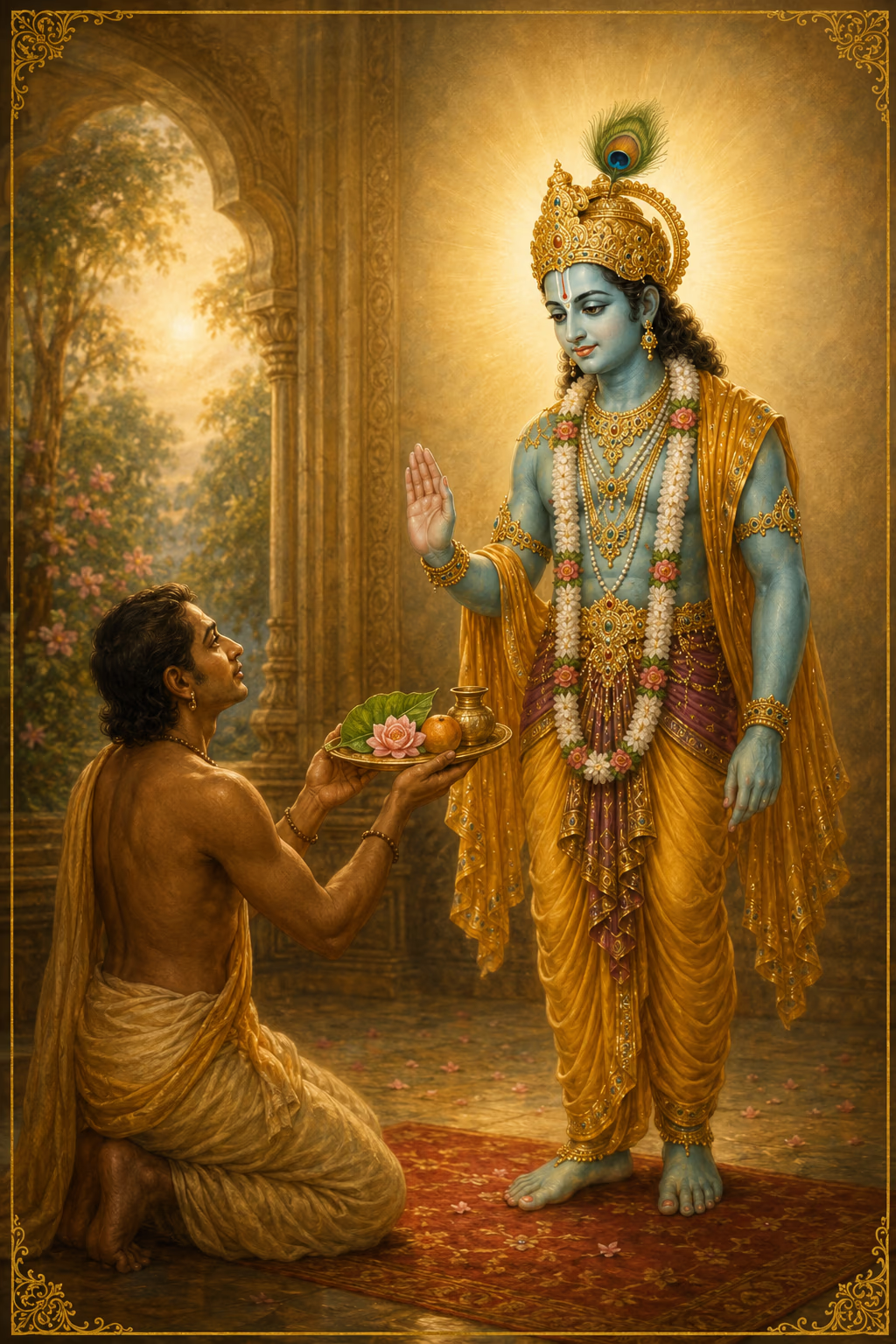
“पत्रं पुष्पं फलं तोयम् — प्रेम का अर्घ्य” ॥ २६ ॥ · मूल चित्र — इस परियोजना हेतु
एक विनम्र भक्त हाथ जोड़े पत्र, पुष्प, फल और जल अर्पित करता है; तेजोमय श्रीकृष्ण स्नेह-भरी मुस्कान से उसे स्वीकार करते हैं — भाव ही सर्वोपरि।
A humble devotee offers a leaf, a flower, a fruit and water with folded hands; the radiant Krishna receives it with a loving smile — the heart of the giver is all.
śrībhagavānuvāca । idaṃ tu te guhyatamaṃ pravakṣyāmyanasūyave । jñānaṃ vijñānasahitaṃ yajjñātvā mokṣyase'śubhāt ॥
श्रीभगवान् बोले-तुझ दोष-दृष्टि रहित भक्त के लिये इस परम गोपनीय विज्ञान सहित ज्ञान को पुनः भलीभाँति कहूँगा, जिसको जानकर तू दुःख रूप संसार से मुक्त हो जायेगा
The Blessed Lord said: To you, who do not cavil, I shall now declare this most secret knowledge together with its realization, knowing which you shall be freed from all that is inauspicious.
सरल अर्थ: श्रीभगवान् बोले — तुम दोष-दृष्टि नहीं रखते, इसलिए तुम्हें मैं यह परम गुप्त ज्ञान, अनुभव-सहित बताता हूँ; इसे जान लेने पर तुम सब अशुभ (दुःख और संसार) से छूट जाओगे।In simple words: Krishna says: because you don't find fault with Me, I'll give you this deepest secret — knowledge that you can directly realize. Knowing it frees you from all suffering and evil.
यह विज्ञान सहित ज्ञान सब विद्याओं का राजा, सब गोपनीयों का राजा, अति पवित्र, अति उत्तम, प्रत्यक्ष फलवाला, धर्मयुक्त, साधन करने में बड़ा सुगम और अविनाशी है
This is the king of sciences, the king of secrets, supremely purifying, directly realized, in accord with dharma, easy to practice, and imperishable.
सरल अर्थ: यह विद्याओं का राजा और रहस्यों का राजा है — सबसे पवित्र, श्रेष्ठ। इसे प्रत्यक्ष अनुभव से जाना जा सकता है, यह धर्म के अनुकूल है, करने में सरल और कभी नष्ट न होने वाला है।In simple words: This teaching is the highest of all knowledge and the greatest of all secrets. It is utterly pure, can be experienced directly, is righteous, easy to practice, and never loses its value.
हे परंतप ! इस धर्म में श्रद्धा रहित पुरुष मुझको न प्राप्त होकर मृत्यु रूप संसार के मार्ग में भ्रमण करते रहते हैं
Those who have no faith in this dharma, O scorcher of foes, fail to reach Me and return again to the path of death and rebirth.
सरल अर्थ: हे परंतप! इस धर्म में जिनकी श्रद्धा नहीं, वे लोग मुझे न पाकर मृत्यु-रूप संसार के मार्ग में लौट-लौटकर आते-जाते रहते हैं।In simple words: O Arjuna, people who have no faith in this path never reach Me. They keep coming back into the cycle of death and rebirth.
मुझ निराकार परमात्मा से यह सब जगत् जल से बरफ के सदृश परिपूर्ण है और सब भूत मेरे अन्तर्गत संकल्प के आधार स्थित हैं, किंतु वास्तव में मैं उनमें स्थित नहीं हूँ
By Me, in My unmanifest form, all this world is pervaded. All beings rest in Me, but I do not rest in them.
सरल अर्थ: मैंने अपने अव्यक्त (निराकार) रूप से यह सारा जगत् व्याप्त कर रखा है। सब प्राणी मुझमें स्थित हैं, परंतु मैं उनमें स्थित नहीं हूँ (मैं उन पर निर्भर नहीं)।In simple words: In My formless aspect I spread through this whole universe. Every being exists within Me, yet I am not contained by them or dependent on them.
na ca matsthāni bhūtāni paśya me yogamaiśvaram । bhūtabhṛnna ca bhūtastho mamātmā bhūtabhāvanaḥ ॥
वे सब भूत मुझ में स्थित नहीं हैं; किंतु मेरी ईश्वरीय योगशक्ति को देख कि भूतों का धारण-पोषण करने वाला और भूतों को उत्पन्न करने वाला भर मेरा आत्मा वास्तव में भतों में स्थित नहीं है
And yet the beings do not rest in Me — behold My divine mystery! My Self sustains all beings, yet does not dwell in them; it is the very source that brings beings into being.
सरल अर्थ: और (वास्तव में) वे प्राणी मुझमें स्थित भी नहीं हैं — मेरी इस ईश्वरीय योग-शक्ति को देखो! मेरा आत्मस्वरूप सब प्राणियों को धारण-पोषण करता है, फिर भी उनमें बँधा नहीं है, और सब प्राणियों को उत्पन्न करने वाला है।In simple words: Yet in truth the beings don't really limit Me — see this divine wonder. My Self holds and nourishes all beings without being stuck in them, and is the source that creates them all.
जैसे आकाश से उत्पन्न सर्वत्र विचरने वाला महान् वायु सदा आकाश में ही स्थित है, वैसे ही मेरे संकल्प द्वारा उत्पन्न होने से सम्पूर्ण भूत मुझ में स्थित हैं, ऐसा जान
As the mighty wind, moving everywhere, ever abides in space, so understand that all beings abide in Me.
सरल अर्थ: जैसे सब जगह घूमने वाली महान् वायु सदा आकाश में ही स्थित रहती है, वैसे ही सब प्राणी मुझमें स्थित हैं — ऐसा समझो।In simple words: Just as the great wind blows everywhere but always stays within the sky, understand that all beings live within Me in the same way.
हे अर्जुन ! कल्पों के अन्त में सब भूत मेरी प्रकृति को प्राप्त होते हैं अर्थात् प्रकृति में लीन होते हैं और कल्पों के आदि में उनको मैं फिर रचता हूँ
All beings, O son of Kunti, merge into My material nature at the end of a cosmic cycle; and at the beginning of the next cycle I send them forth again.
सरल अर्थ: हे कुन्तीपुत्र! कल्प का अंत होने पर सब प्राणी मेरी प्रकृति में लीन हो जाते हैं, और कल्प के आरंभ में मैं उन्हें फिर से रच देता हूँ।In simple words: O Arjuna, at the end of each great cosmic age all beings dissolve back into My material energy, and when the next age begins I create them all again.
अपनी प्रकृति को अंगीकार करके स्वभाव के बल से परतन्त्र हुए इस समुदाय रूप सम्पूर्ण भूत-समुदाय को बार-बार उनके कर्मों के अनुसार रचता हूँ
Resting upon My own material nature, I send forth again and again this whole multitude of beings, helpless under the sway of that nature.
सरल अर्थ: अपनी प्रकृति को आधार बनाकर मैं इस सम्पूर्ण प्राणि-समूह को बार-बार रचता हूँ — ये सब प्रकृति के वश में होने के कारण विवश (परतंत्र) हैं।In simple words: Taking My own material nature as the base, I create this entire host of beings over and over — and they are helpless, swept along by the force of that nature (their past conditioning).
na ca māṁ tāni karmāṇi nibadhnanti dhanañjaya । udāsīnavad āsīnam asaktaṁ teṣu karmasu ॥
हे अर्जुन! उन कर्मों में आसक्ति रहित और उदासीन के सदृश स्थित मुझ परमात्मा को वे कर्म नहीं बाँधते
Nor do these actions bind Me, O Dhananjaya, for I remain seated as one indifferent, unattached to those actions.
सरल अर्थ: हे अर्जुन! ये सृष्टि-रचना आदि कर्म मुझे नहीं बाँधते, क्योंकि मैं उन कर्मों में आसक्ति-रहित होकर उदासीन के समान स्थित रहता हूँ। जैसे कोई काम करते हुए भी उसमें फँसता नहीं, वैसे ही भगवान सब करते हुए भी निर्लिप्त रहते हैं।In simple words: Even though God sets all of creation in motion, none of it binds Him. He acts like a detached witness, never caught up in or attached to any of it.
हे अर्जुन ! मुझ अधिष्ठाता के सकाश से प्रकृति चराचरसहित सर्व जगत् को रचती है, और इस हेतु से ही यह संसार चक्र घूम रहा है
Under My supervision, Nature gives birth to all that moves and does not move; because of this, O son of Kunti, the world revolves.
सरल अर्थ: हे कुन्तीपुत्र! मेरी अध्यक्षता में प्रकृति चराचर समस्त जगत् को जन्म देती है। इसी कारण से यह संसार-चक्र निरन्तर घूमता रहता है। प्रकृति स्वयं जड़ है; वह मेरे सान्निध्य से ही रचना करती है।In simple words: Nature creates everything—living and non-living—but only because God oversees it. His mere presence is the reason the whole world keeps turning.
मेरे परमभाव को न जानने वाले मूढ़ लोग मनुष्य का शरीर धारण करने वाले मुझ सम्पूर्ण भूतों के महान् ईश्वर को तुच्छ समझते हैं अर्थात् अपनी योग माया से संसार के उद्धार के लिये मनुष्य रूप में विचरते हुए मुझ परमेश्वर को साधारण मनुष्य मानते हैं
The foolish disregard Me when I take a human form, not knowing My higher nature as the great Lord of all beings.
सरल अर्थ: जब मैं मनुष्य-रूप धारण करता हूँ, तब मूर्ख लोग मेरा तिरस्कार करते हैं। वे मेरे उस परम भाव को नहीं जानते कि मैं समस्त प्राणियों का महान् ईश्वर हूँ। बाहरी मनुष्य-रूप देखकर वे मेरी दिव्यता को पहचान नहीं पाते।In simple words: When the Lord comes in a human body, fools look down on Him. They miss that He is actually the supreme Lord of all beings, and judge Him only by His outward human appearance.
वे व्यर्थ आशा, व्यर्थ कर्म और व्यर्थ ज्ञान वाले विक्षिप्त चित्त अज्ञानीजन राक्षसी, आसुरी और मोहिनी प्रकृति को ही धारण किये रहते हैं
Their hopes are vain, their actions vain, their knowledge vain; they are senseless, taking refuge in a deluding nature that is fiendish and demonic.
सरल अर्थ: ऐसे विवेकहीन लोगों की आशाएँ व्यर्थ, कर्म व्यर्थ और ज्ञान भी व्यर्थ हो जाते हैं। वे राक्षसी, आसुरी और मोह में डालने वाली प्रकृति का आश्रय लेकर भटकते रहते हैं। भगवान का अनादर करने से उनका सब कुछ निष्फल हो जाता है।In simple words: Because they scorn the Lord, such confused people gain nothing—their hopes, their work, and their learning all come to nothing. They cling to a demonic, deluding mindset and stay lost.
परंतु हे कुन्ती पुत्र! दैवी प्रकृति के आश्रित महात्मा जन मुझ को सब भूतों का सनातन कारण और नाशरहित अक्षर स्वरूप जानकर अनन्य मन से युक्त होकर निरन्तर भजते हैं
But the great souls, O Partha, taking refuge in the divine nature, worship Me with undivided mind, knowing Me as the imperishable origin of all beings.
सरल अर्थ: परन्तु हे पार्थ! महात्मा लोग दैवी प्रकृति का आश्रय लेकर, मुझे समस्त प्राणियों का आदि-कारण और अविनाशी जानकर, अनन्य मन से मेरा भजन करते हैं। उनका मन कहीं और न भटककर केवल मुझ में ही लगा रहता है।In simple words: Great souls, however, turn to the divine nature. Knowing God as the eternal source of everything, they worship Him with a one-pointed mind that never wanders elsewhere.
satataṁ kīrtayanto māṁ yatantaś ca dṛḍha-vratāḥ । namasyantaś ca māṁ bhaktyā nitya-yuktā upāsate ॥
वे दृढ़ निश्चय वाले भक्त जन निरन्तर मेरे नाम और गुणों का कीर्तन करते हुए तथा मेरी प्राप्ति के लिये यत्न करते हुए और मुझ को बार-बार प्रणाम करते हुए सदा मेरे ध्यान में युक्त होकर अनन्य प्रेम से मेरी उपासना करते हैं
Always glorifying Me, striving with firm vows, and bowing down to Me with devotion, ever steadfast, they worship Me.
सरल अर्थ: वे महात्मा निरन्तर मेरे नाम और गुणों का कीर्तन करते हैं, दृढ़ निश्चय से साधना में लगे रहते हैं, और भक्तिपूर्वक मुझे नमस्कार करते हुए सदा मुझ से जुड़े रहकर मेरी उपासना करते हैं। उनका जीवन निरन्तर भगवद्-स्मरण में ही बीतता है।In simple words: These devotees constantly sing the Lord's glories, keep their vows firmly, bow to Him with love, and stay forever joined to Him—always worshipping.
दूसरे ज्ञानयोगी मुझ निर्गुण-निराकार ब्रह्म का ज्ञान यज्ञ के द्वारा अभिन्न भाव से पूजन करते हुए भी मेरी उपासना करते हैं, और दूसरे मनुष्य बहुत प्रकार से स्थित मुझ विराट् स्वरूप परमेश्वर की पृथक् भाव से उपासना करते हैं
Still others, offering the sacrifice of knowledge, worship Me—some as one, some as distinct, and some as the manifold facing in all directions.
सरल अर्थ: और कुछ अन्य साधक ज्ञान-यज्ञ के द्वारा मेरी उपासना करते हैं — कोई मुझे अभेद-भाव से एक रूप मानकर, कोई भेद-भाव से पृथक् मानकर, तो कोई सब ओर मुख वाले विश्वरूप के अनेक रूपों में मेरी आराधना करते हैं।In simple words: Others worship God through the path of knowledge. Some see Him as one with everything, some as separate, and some in His countless forms present everywhere at once.
क्रतु मैं हूँ, यज्ञ मैं हूँ, स्वधा मैं हूँ, ओषधि मैं हूँ, मन्त्र मैं हूँ, घृत मैं हूँ, अग्नि मैं हूँ, और हवन रूप क्रिया भी मैं ही हूँ
I am the ritual, I am the sacrifice, I am the offering to the ancestors, I am the healing herb; I am the sacred chant, I alone am the clarified butter, I am the fire, and I am the act of offering.
सरल अर्थ: मैं ही वैदिक यज्ञ हूँ, मैं ही स्मार्त यज्ञ हूँ, मैं ही पितरों को दिया जाने वाला अन्न (स्वधा) हूँ, मैं ही औषधि हूँ, मैं ही मन्त्र हूँ, मैं ही घृत हूँ, मैं ही अग्नि हूँ और मैं ही आहुति देने की क्रिया हूँ। यज्ञ का प्रत्येक अंग मैं ही हूँ।In simple words: God declares that He is every part of worship—the ritual, the sacrifice, the food offered to ancestors, the medicine, the sacred verse, the ghee, the fire, and even the very act of offering. All of it is Him.
pitāham asya jagato mātā dhātā pitāmahaḥ । vedyaṁ pavitram oṅkāra ṛk sāma yajur eva ca ॥
इस सम्पूर्ण जगत् का धाता अर्थात् धारण करने वाला एवं कर्मों के फलको देने वाला, पिता, माता, पितामह, जानने योग्य, पवित्र ॐकार तथा ऋग्वेद, सामवेद और यजुर्वेद भी मैं ही हूँ
I am the father of this universe, the mother, the sustainer, and the grandsire. I am the object of knowledge, the purifier, and the sacred syllable Om; I am also the Rig, the Sama, and the Yajur Veda.
सरल अर्थ: इस सम्पूर्ण जगत् का पिता मैं ही हूँ, माता भी मैं हूँ, सबको धारण-पोषण करने वाला और सबका पितामह भी मैं ही हूँ। जानने योग्य परम तत्त्व, पवित्र करने वाला ओंकार तथा ऋग्वेद, सामवेद और यजुर्वेद भी मैं ही हूँ। अर्थात् सृष्टि का मूल, आधार और जो कुछ जानने-पूजने योग्य है — सब भगवान् ही हैं।In simple words: God says: I am the father and mother of everything, the one who holds and feeds all, and the original ancestor. I am what is truly worth knowing, the purifying sacred sound Om, and all the Vedas. In simple words, the source and support of the whole world is the one Lord.
प्राप्त होने योग्य परम धाम, भरण-पोषण करने वाला, सबका स्वामी, शुभाशुभ का देखने वाला, सबका वासस्थान, शरण लेने योग्य, प्रत्युपकार न चाहकर हित करने वाला, सबकी उत्पत्ति-प्रलय का हेतु, स्थिति का आधार, निधान और अविनाशी कारण भी मैं हूँ
I am the goal, the sustainer, the master, the witness, the abode, the refuge, and the dearest friend. I am the origin and dissolution, the resting place, the treasure-house, and the imperishable seed.
सरल अर्थ: मैं ही सबकी अन्तिम गति हूँ, भरण-पोषण करने वाला, स्वामी, साक्षी, सबका निवास-स्थान, शरण लेने योग्य और बिना किसी स्वार्थ के हित करने वाला सच्चा मित्र हूँ। मैं ही जगत् की उत्पत्ति, प्रलय और स्थिति का आधार हूँ, सबका भंडार और कभी नष्ट न होने वाला बीज हूँ। अर्थात् भगवान् ही प्राणी की हर अवस्था में आश्रय और कारण हैं।In simple words: God lists what He is to every being: the final destination, the one who maintains us, the Lord, the silent witness, our home, our shelter, and our selfless friend. He is the start, the end, and the steady ground of all, the storehouse of all, and the seed that never decays.
tapāmy aham ahaṁ varṣaṁ nigṛhṇāmy utsṛjāmi ca । amṛtaṁ caiva mṛtyuś ca sad asac cāham arjuna ॥
मैं ही सूर्य रूप से तपता हूँ, वर्षा का आकर्षण करता हूँ और उसे बरसाता हूँ। हे अर्जुन ! मैं ही अमृत और मृत्यु हूँ और सत्-असत् भी मैं ही हूँ
I give heat as the sun; I hold back and send forth the rain. I am immortality and also death; I am being and non-being, O Arjuna.
सरल अर्थ: हे अर्जुन! मैं ही सूर्य रूप से ताप देता हूँ, मैं ही जल को कभी रोक लेता हूँ और कभी बरसाता हूँ। अमृत (अमरता) भी मैं हूँ और मृत्यु भी मैं ही हूँ; जो सत् (दिखाई देने वाला, नाशवान्) है और जो असत् (कारण रूप, अप्रकट) है — वह सब भी मैं ही हूँ। अर्थात् प्रकृति का हर परस्पर विरोधी रूप भी एक ही परमेश्वर का खेल है।In simple words: God controls nature: He warms the world as the sun, and He withholds or pours down the rain. He is both deathlessness and death, both what exists visibly and what is hidden and unmanifest. In short, even opposite forces in nature are all the working of the one Lord.
trai-vidyā māṁ soma-pāḥ pūta-pāpā yajñair iṣṭvā svar-gatiṁ prārthayante । te puṇyam āsādya surendra-lokam aśnanti divyān divi deva-bhogān ॥
तीनों वेदों में विधान किये हुए सकाम कर्मों को करनेवाले, सोमरस को पीनेवाले, पाप रहित पुरुष मुझको यज्ञों के द्वारा पूजकर स्वर्ग की प्राप्ति चाहते हैं; वे पुरुष अपने पुण्यों के फलरूप स्वर्गलोक को प्राप्त होकर स्वर्ग में दिव्य देवताओं के भोगों को भोगते हैं
Those versed in the three Vedas, drinkers of the Soma juice, purified of sin, worship Me with sacrifices and pray for passage to heaven. Reaching the holy world of Indra, the lord of the gods, they enjoy in heaven the divine pleasures of the gods.
सरल अर्थ: तीनों वेदों के ज्ञाता, सोमरस पीने वाले और यज्ञों से पापरहित हुए पुरुष यज्ञों के द्वारा मेरी (इन्द्रादि देवरूप में) पूजा करके स्वर्ग की प्राप्ति की प्रार्थना करते हैं। वे अपने पुण्यों के फलस्वरूप देवराज इन्द्र के पवित्र लोक को पाकर स्वर्ग में देवताओं के दिव्य भोग भोगते हैं। पर यह सब सकाम कर्म है, इसका फल सीमित है।In simple words: People expert in the three Vedas perform sacrifices, drink the sacred Soma drink, and become free of sin; through these rituals they worship God in the form of the gods and ask for heaven. By their good merit they reach Indra's heavenly world and enjoy the gods' divine pleasures there. But this is reward-seeking worship, and its fruit does not last.
वे उस विशाल स्वर्ग लोक को भोग कर पुण्य क्षीण होने पर मृत्यु लोक को प्राप्त होते हैं । इस प्रकार स्वर्ग के साधनरूप तीनों वेदों में कहे हुए सकाम कर्म का आश्रय लेनेवाले और भोगों की कामना वाले पुरुष बार-बार आवागमन को प्राप्त होते हैं, अर्थात् पुण्य के प्रभाव से स्वर्ग में जाते हैं और पुण्य क्षीण होने पर मृत्यु लोक में आते हैं
Having enjoyed that vast heavenly world, when their merit is exhausted they re-enter the mortal world. Thus those who follow the rituals of the three Vedas, craving pleasures, obtain only the round of coming and going.
सरल अर्थ: उस विशाल स्वर्गलोक को भोग लेने के बाद, पुण्य क्षीण हो जाने पर वे फिर इसी मृत्युलोक में लौट आते हैं। इस प्रकार केवल तीनों वेदों में बताए गए सकाम कर्मों का आश्रय लेने वाले और भोगों की कामना करने वाले लोग बार-बार आने-जाने (जन्म-मरण) के चक्र को ही प्राप्त होते हैं। अर्थात् स्वर्ग भी स्थायी नहीं, वहाँ से फिर गिरना पड़ता है।In simple words: After enjoying that huge heaven, once their good merit runs out, they fall back into this world of death. So those who only follow ritual for rewards and keep craving pleasures get nothing more than the repeated cycle of going up and coming back, of birth and death. Even heaven is temporary; one must return from there.
जो अनन्य प्रेमी भक्त जन मुझ परमेश्वर को निरन्तर चिन्तन करते हुए निष्काम भाव से भजते हैं, उन नित्य-निरन्तर मेरा चिन्तन करने वाले पुरुषों का योगक्षेम मैं स्वयं प्राप्त कर देता हूँ
To those who worship Me alone, thinking of Me with undivided mind, ever steadfast — to them I carry what they lack and preserve what they have.
सरल अर्थ: जो भक्त किसी और का आश्रय न लेकर अनन्य भाव से निरन्तर मेरा ही चिन्तन करते हुए मेरी उपासना करते हैं, उन नित्य मुझमें लगे रहने वाले भक्तों का योग-क्षेम मैं स्वयं वहन करता हूँ। (योग = जो उनके पास नहीं है उसे जुटाना, क्षेम = जो पास है उसकी रक्षा करना।) अर्थात् भगवान् अपने अनन्य भक्त की सारी चिन्ता स्वयं उठा लेते हैं।In simple words: For devotees who depend on no one else and constantly think of God with a single, undivided heart, God personally takes responsibility for their welfare. 'Yoga' means bringing them what they don't yet have, and 'kshema' means protecting what they already have. In short, the Lord Himself looks after every need of His wholehearted devotee.
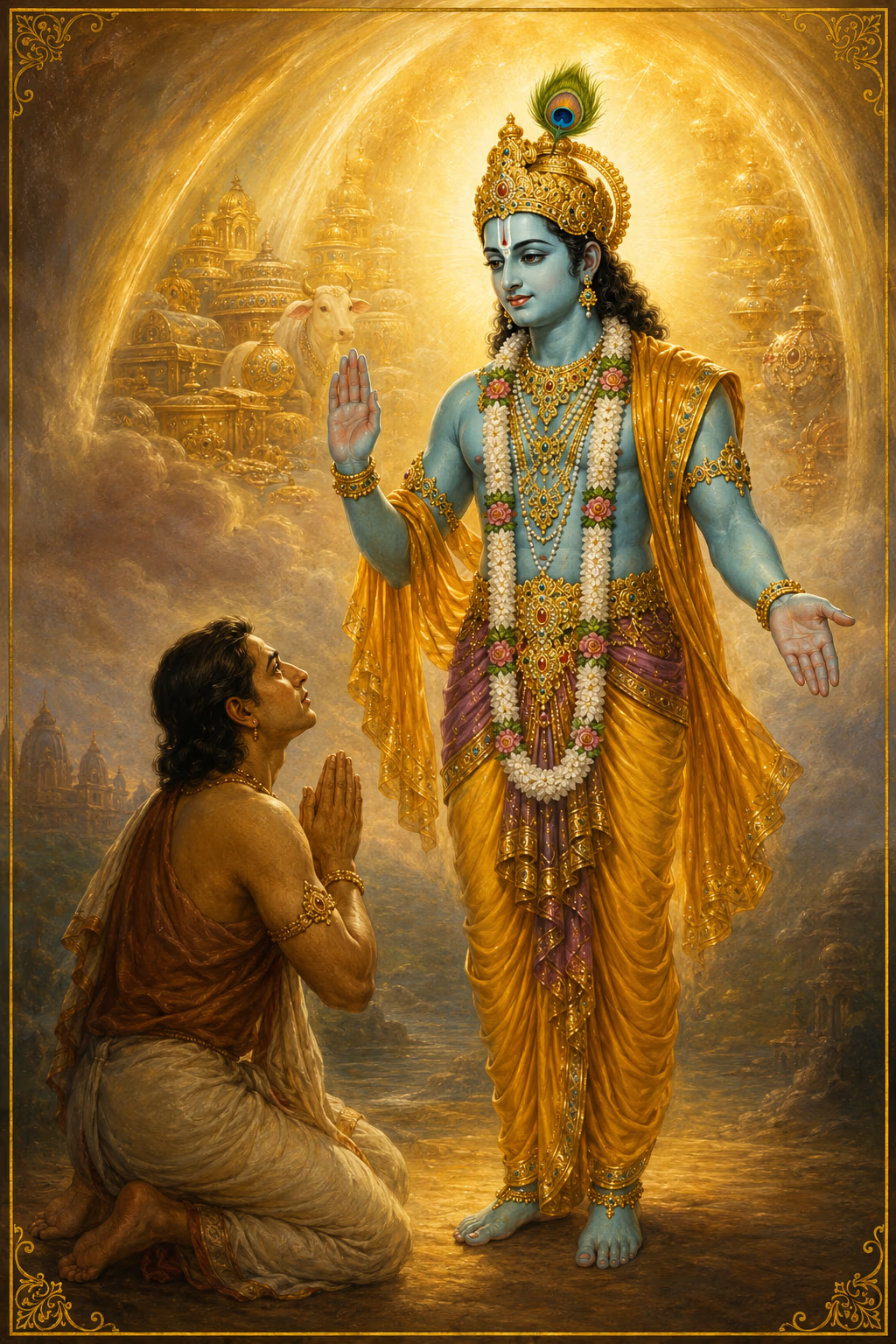
“योगक्षेमं वहाम्यहम् — भक्त का भार भगवान् पर” ॥ २२ ॥ · मूल चित्र — इस परियोजना हेतु
तेजोमय श्रीकृष्ण अभय-मुद्रा में भक्त पर रक्षा-छाया की भाँति खड़े हैं; समर्पित भक्त निश्चिन्त होकर उनकी कृपा में विश्राम पाता है।
The radiant Krishna stands in sheltering grace over a surrendered devotee, one hand raised in fearlessness; every burden lifted, the devotee rests in His care.
ye 'py anya-devatā-bhaktā yajante śraddhayānvitāḥ । te 'pi mām eva kaunteya yajanty avidhi-pūrvakam ॥
हे अर्जुन ! यद्यपि श्रद्धा से युक्त जो सकाम भक्त दूसरे देवताओं को पूजते हैं, वे भी मुझको ही पूजते हैं; किंतु उनका वह पूजन अविधिपूर्वक अर्थात् अज्ञानपूर्वक है
Even those devotees who, full of faith, worship other gods, worship Me alone, O son of Kunti, though not in the right way.
सरल अर्थ: हे कुन्तीपुत्र! जो भक्त श्रद्धा से युक्त होकर दूसरे-दूसरे देवताओं को पूजते हैं, वे भी वास्तव में मेरी ही पूजा करते हैं — परन्तु अविधिपूर्वक, अर्थात् अज्ञानपूर्ण ढंग से, बिना यह जाने कि सब देवताओं में पूज्य तत्त्व एक मैं ही हूँ। इसी कारण उनकी पूजा अधूरी और दोषयुक्त रह जाती है।In simple words: Even people who sincerely and faithfully worship various other gods are really worshipping God alone. But they do it in a mistaken way, not knowing that the one reality being worshipped in every god is God Himself. Because of this lack of understanding, their worship remains incomplete and imperfect.
ahaṁ hi sarva-yajñānāṁ bhoktā ca prabhur eva ca । na tu mām abhijānanti tattvenātaś cyavanti te ॥
क्यों सम्पूर्ण यज्ञों का भोक्ता और स्वामी भी मैं ही हूँ; परंतु वे मुझ परमेश्वर को तत्त्व से नहीं जानते, इसी से गिरते हैं अर्थात् पुनर्जन्म को प्राप्त करते हैं
For I alone am the enjoyer and the Lord of all sacrifices; but they do not know Me in truth, and therefore they fall.
सरल अर्थ: क्योंकि समस्त यज्ञों का भोक्ता और स्वामी तो केवल मैं ही हूँ। परन्तु वे लोग मुझे तत्त्व से (यथार्थ रूप में) नहीं जानते, इसी कारण वे (अपनी पूजा का सीमित फल भोगकर) पुनः गिर जाते हैं — संसार के जन्म-मरण रूप चक्र में लौट आते हैं। सच्चा ज्ञान न होने से उन्हें स्थायी फल नहीं मिलता।In simple words: God says: I alone am the one who receives and the master of all sacrifices. But these worshippers do not really know Me as I truly am, so after enjoying a limited reward they fall back into the cycle of birth and death. Without true knowledge, they do not gain a lasting result.
देवताओं को पूजने वाले देवताओं को प्राप्त होते हैं, पितरों को पूजने वाले पितरों को प्राप्त होते हैं, भूतों को पूजने वाले भूतों को प्राप्त होते हैं और मेरा पूजन करनेवाले भक्त मुझ को ही प्राप्त होते हैं । इसीलिये मेरे भक्तों का पुनर्जन्म नहीं होता
Those devoted to the gods go to the gods; those devoted to the ancestors go to the ancestors; those who worship the spirits go to the spirits; but those who worship Me come to Me.
सरल अर्थ: जो लोग देवताओं को पूजते हैं वे देवताओं को पाते हैं, जो पितरों को पूजते हैं वे पितरों को पाते हैं, और जो भूत-प्रेतों को पूजते हैं वे उन्हीं को पाते हैं। परन्तु जो केवल मुझे पूजते हैं, वे मुझे ही पाते हैं। जैसी पूजा वैसा फल, और मेरी भक्ति का फल मेरी प्राप्ति है, जो शाश्वत है।In simple words: You reach whatever you worship. Worship lesser powers, you get a limited, temporary result; worship Me, and you reach Me, which is the highest and never ends. The choice of goal is yours.
patraṁ puṣpaṁ phalaṁ toyaṁ yo me bhaktyā prayacchati । tad ahaṁ bhaktyupahṛtam aśnāmi prayatātmanaḥ ॥
✦ tap a glowing wordचमकते शब्द छुएँ ✦
जो कोई भक्त मेरे लिये प्रेम से पत्र, पुष्प, फल, जल आदि अर्पण करता है, उस शुद्ध बुद्धि निष्काम प्रेमी भक्त का प्रेमपूर्वक अर्पण किया हुआ वह पत्र-पुष्पादि मैं सगुण रूप से प्रकट होकर प्रीतिसहित खाता हूँ
Whoever offers Me with devotion a leaf, a flower, a fruit, or water — that offering of love, given by the pure-hearted, I accept.
सरल अर्थ: जो भक्त मुझे प्रेम से एक पत्ता, एक फूल, एक फल या थोड़ा-सा जल भी अर्पण करता है, उस शुद्ध हृदय वाले भक्त की प्रेमपूर्वक दी हुई वस्तु को मैं प्रसन्नता से ग्रहण करता हूँ। मुझे महँगी भेंट नहीं, सच्चा प्रेम चाहिए।In simple words: God does not want costly gifts. Even the simplest thing — a leaf, flower, fruit, or water — pleases Him completely if it is given with real love and a clean heart. It is the love, not the price, that He receives.
yat karoṣi yad aśnāsi yaj juhoṣi dadāsi yat । yat tapasyasi kaunteya tat kuruṣva madarpaṇam ॥
✦ tap a glowing wordचमकते शब्द छुएँ ✦
हे अर्जुन! तू जो कर्म करता है, जो खाता है, जो हवन करता है, जो दान देता है और जो तप करता है, वह सब मेरे अर्पण कर
Whatever you do, whatever you eat, whatever you offer in sacrifice, whatever you give away, whatever austerity you practice — O son of Kunti, do it as an offering to Me.
सरल अर्थ: हे कुन्तीपुत्र! तू जो भी कर्म करता है, जो खाता है, जो हवन करता है, जो दान देता है और जो तप करता है — वह सब मुझे समर्पित करके कर। इस प्रकार जीवन का हर काम पूजा बन जाता है और कोई भी पल भक्ति से खाली नहीं रहता।In simple words: Turn your whole life into worship. Every ordinary act — work, eating, giving, any effort — becomes sacred when you do it for God and offer it to Him. Devotion is not only for the prayer room; it can fill every moment.
इस प्रकार, जिसमें समस्त कर्म मुझ भगवान् के अर्पण होते हैं—ऐसे संन्यास योग से मुक्त होकर मुझको ही प्राप्त होगा
Thus you shall be freed from the bonds of action that yield good and bad fruits. With your mind firm in the yoga of renunciation, you shall be liberated and come to Me.
सरल अर्थ: इस प्रकार सब कर्म मुझे अर्पण करने से तू कर्मों के उन बन्धनों से छूट जाएगा जो अच्छे और बुरे फल देते हैं। त्याग और योग से युक्त मन वाला होकर तू मुक्त हो जाएगा और मुझे ही प्राप्त करेगा।In simple words: When you offer everything to God, your actions no longer trap you with their results, good or bad. Free of that bondage and steady in this attitude of surrender, you become liberated and reach Him.
samo'haṁ sarvabhūteṣu na me dveṣyo'sti na priyaḥ । ye bhajanti tu māṁ bhaktyā mayi te teṣu cāpy aham ॥
मैं सब भूतों में समभाव से व्यापक हूँ, न कोई मेरा अप्रिय है और न प्रिय है; परन्तु जो भक्त मुझको प्रेम से भजते हैं, वे मुझमें हैं और मैं भी उनमें प्रत्यक्ष प्रकट हूँ
I am the same toward all beings; none is hateful or dear to Me. But those who worship Me with devotion are in Me, and I too am in them.
सरल अर्थ: मैं सब प्राणियों के प्रति समान हूँ; न कोई मुझे शत्रु है और न कोई प्रिय। फिर भी जो प्रेमपूर्वक मुझे भजते हैं, वे मुझमें बसते हैं और मैं भी उनमें प्रकट हो जाता हूँ। भगवान पक्षपात नहीं करते; भक्ति से ही निकटता आती है।In simple words: God plays no favorites — He is equal to everyone. But when someone turns to Him with love, that love opens a closeness: the devotee lives in God and God reveals Himself within the devotee. The bond comes through devotion, not partiality.
api cet sudurācāro bhajate mām ananyabhāk । sādhur eva sa mantavyaḥ samyag vyavasito hi saḥ ॥
यदि कोई अतिशय दुराचारी भी अनन्य भाव से मेरा भक्त होकर मुझको भजता है तो वह साधु ही मानने योग्य है; क्योंकि वह यथार्थ निश्चय वाला है। अर्थात् उसने भलीभाँति निश्चय कर लिया है कि परमेश्वर भजन के समान अन्य कुछ भी नहीं है
Even if the worst evildoer worships Me with undivided devotion, he is to be regarded as righteous, for he has rightly resolved.
सरल अर्थ: यदि अत्यन्त बुरे आचरण वाला मनुष्य भी अनन्य भाव से मुझे भजने लगे, तो वह साधु ही मानने योग्य है, क्योंकि उसने ठीक निश्चय कर लिया है — उसने सही मार्ग पकड़ लिया है। भक्ति में पुराने पाप टिकते नहीं।In simple words: No past is too dark for devotion. If even a great sinner turns to God with his whole heart, he should be counted as good — because he has made the right decision and set his life in the right direction. The sincere turn matters more than the old record.
kṣipraṁ bhavati dharmātmā śaśvac chāntiṁ nigacchati । kaunteya pratijānīhi na me bhaktaḥ praṇaśyati ॥
वह शीघ्र ही धर्मात्मा हो जाता है और सदा रहने वाली परम शान्ति को प्राप्त होता है। हे अर्जुन! तू निश्चयपूर्वक सत्य जान कि मेरा भक्त नष्ट नहीं होता
Swiftly he becomes righteous and attains lasting peace. O son of Kunti, know for certain: My devotee never perishes.
सरल अर्थ: वह शीघ्र ही धर्मात्मा बन जाता है और सदा रहने वाली शान्ति को प्राप्त करता है। हे कुन्तीपुत्र! तू निश्चयपूर्वक घोषणा कर दे कि मेरा भक्त कभी नष्ट नहीं होता। भगवान का यह दृढ़ वचन है।In simple words: Once the heart truly turns, change comes fast: such a person soon becomes good and finds peace that lasts. Krishna gives a firm promise — declare it openly — My devotee is never lost or ruined.
हे अर्जुन! स्त्री, वैश्य, शूद्र तथा पापयोनि—चाण्डालादि जो कोई भी हों, वे भी मेरी शरण होकर परमगति को ही प्राप्त होते हैं
For those who take refuge in Me, O Partha — even those of lowly birth, women, vaishyas, and shudras — they too reach the supreme goal.
सरल अर्थ: हे पार्थ! जो भी मेरी शरण में आ जाते हैं — चाहे वे नीच कुल में जन्मे हों, स्त्रियाँ हों, वैश्य हों या शूद्र हों — वे सब भी परम गति को प्राप्त करते हैं। भक्ति का द्वार सबके लिए खुला है, किसी के लिए बन्द नहीं।In simple words: Devotion is open to everyone, with no barrier of birth, gender, or social class. Whoever takes shelter in God — no matter their background — reaches the highest goal. The path of love leaves no one out.
फिर इसमें तो कहना ही क्या है, जो पुण्यशील ब्राह्मण तथा राजर्षि भक्तजन मेरी शरण होकर परम गति को प्राप्त होते हैं। इसलिये तू सुखरहित और क्षणभंगुर इस मनुष्य शरीर को प्राप्त होकर निरन्तर मेरा ही भजन कर
How much more, then, the holy brahmanas and devoted royal sages! Having come into this transient and joyless world, devote yourself to Me.
सरल अर्थ: जब पापयोनि वाले भी मुझे भजकर परमगति पा लेते हैं, तब पवित्र ब्राह्मण और भक्त राजर्षियों के विषय में तो कहना ही क्या है। इसलिए इस अनित्य और सुखरहित मनुष्य-शरीर को पाकर तू निरन्तर मेरा ही भजन कर।In simple words: If even sinners reach the goal, how much easier for holy brahmanas and devout kings. Since this human life is fleeting and full of sorrow, use it to worship Me.
मुझमें मनवाला हो, मेरा भक्त बन, मेरा पूजन करने वाला हो, मुझको प्रणाम कर। इस प्रकार आत्मा को मुझ में नियुक्त करके मेरे परायण होकर तू मुझको ही प्राप्त होगा
Fix your mind on Me, be My devotee, sacrifice to Me, bow down to Me. Having thus united yourself with Me, with Me as your supreme goal, you shall come to Me.
सरल अर्थ: तू अपने मन को मुझमें लगा, मेरा भक्त बन, मेरा पूजन कर और मुझे प्रणाम कर। इस प्रकार अपने आपको मुझमें जोड़कर और मुझे ही परम आश्रय मानकर तू मुझे ही प्राप्त होगा।In simple words: Keep your mind on Me, love Me, worship Me, and bow to Me. By joining yourself to Me with Me as your highest aim, you will reach Me.
पत्रं पुष्पं — प्रेम का अर्पणPatraṁ puṣpaṁ — the offering of love (arpaṇa)
९·२६ में श्रीकृष्ण कुछ भी मूल्यवान नहीं माँगते — 'पत्र, पुष्प, फल, जल: जो प्रेम से अर्पित करे, उसे मैं ग्रहण करता हूँ।' मोल वस्तु में नहीं, भक्ति में है। फिर ९·२७ इसे विस्तृत करता है: 'जो कुछ करते हो, खाते हो, देते हो, हवन करते हो — वह मुझे अर्पण करके करो।' यह अभ्यास भक्ति को मूर्त बनाता है — एक छोटा-सा अर्पण पूरे हृदय से, जो धीरे-धीरे फैलकर साधारण कर्म को ही पूजा बना देता है।In 9.26 Krishna asks for nothing costly — 'a leaf, a flower, a fruit, water: offered with love, that I accept.' The worth is in the bhakti, not the thing. Then 9.27 widens it: 'whatever you do, eat, give, or offer — do it as an offering to Me.' This practice makes devotion concrete — one small offering given with a whole heart, expanding until ordinary action itself becomes worship.
एक छोटा-सा सच्चा अर्पण चुनो — एक फूल, एक फल, थोड़ा भोजन, या एक गिलास जल भी। उसे परमात्मा के सम्मुख रखो (किसी चित्र, दीप, या केवल अपने हृदय में) और धीरे-धीरे, सच्चे भाव से अर्पित करो: 'यह मैं तुम्हें प्रेम से देता हूँ।'Choose one small, real offering — a flower, a fruit, a little food, even a glass of water. Place it before the Divine (an image, a lamp, or simply in your heart) and offer it slowly, meaning it: 'this I give to You, with love.'
श्रीकृष्ण का वचन स्मरण रखो — मोल प्रेम में है, भव्यता में नहीं। अर्पण भले छोटा हो; भक्ति पूर्ण हो। अनुभव करो कि वह सचमुच स्वीकार किया गया।Remember Krishna's promise — the worth is in the love, not the grandeur. Let the offering be humble; let the devotion be whole. Feel that it is truly received.
अब इसे एक साधारण कर्म तक फैलाओ — अगला भोजन, काम का कोई कार्य, कोई दया। उसके ठीक पहले मौन में कहो: 'तत्कुरुष्व मदर्पणम् — यह भी मैं तुम्हें अर्पण करके करता हूँ,' और उसे सावधानी से करो, मानो उसे परमात्मा के हाथों में रख रहे हो।Now widen it to one ordinary act — your next meal, a task at work, a kindness. Just before it, silently say: 'tat kuruṣva mad-arpaṇam — this too I do as an offering to You,' and do it with care, as if placing it in the Divine's hands.
दिनभर और कर्मों को इसी एक भाव में आने दो — खाना, देना, काम करना — जब तक जीवन ही एक शान्त, निरन्तर अर्पण न बन जाए।Through the day let more acts fall under this one gesture — eating, giving, working — until living itself becomes a quiet, continuous offering.
क्या देखें: What to notice: ध्यान दो कि कर्म कैसे बदल जाता है जब वह केवल किया नहीं, बल्कि अर्पित किया जाता है — फल के लिए व्याकुल पकड़ ढीली पड़ती है, और एक शान्त मधुरता (भक्ति का ही चिह्न) छोटी-छोटी बातों में भी उतर आती है।Notice how an act changes when it is given rather than merely done — the anxious grasping for results loosens, and a quiet sweetness (the very mark of bhakti) enters even small things.
अनुभव · स्वयं देखेंAnubhava · see for yourself
आज एक सच्चा अर्पण करो — एक घूँट जल ही सही — पूरे भाव से; और एक साधारण कर्म को परमात्मा का अर्पण बना दो। उस शाम पूछो: क्या वह अर्पित कर्म अधिक हल्का, फल की चिन्ता से अधिक मुक्त लगा? वही हल्कापन कर्मयोग और भक्ति का मिलन है — 'तत्कुरुष्व मदर्पणम्' (९·२७), जो तुमने अपने ही दिन में चखा।
Today, make one real offering — even a sip of water — meaning it fully; and turn one ordinary act into an offering to the Divine. That evening ask: did the given act feel lighter, freer of anxiety about its result? That ease is karma-yoga and bhakti meeting — 'tat kuruṣva mad-arpaṇam' (9.27), tasted in your own day.
ॐ तत्सदिति श्रीमद्भगवद्गीतासूपनिषत्सु ब्रह्मविद्यायां योगशास्त्रे श्रीकृष्णार्जुनसंवादे राजविद्याराजगुह्ययोगो नाम नवमोऽध्यायः ॥ ९ ॥
॥ इस प्रकार उपनिषद्, ब्रह्मविद्या तथा योगशास्त्र रूप श्रीमद्भगवद्गीता के श्रीकृष्ण-अर्जुन संवाद में 'राजविद्याराजगुह्ययोग' नामक नवाँ अध्याय पूर्ण हुआ ॥