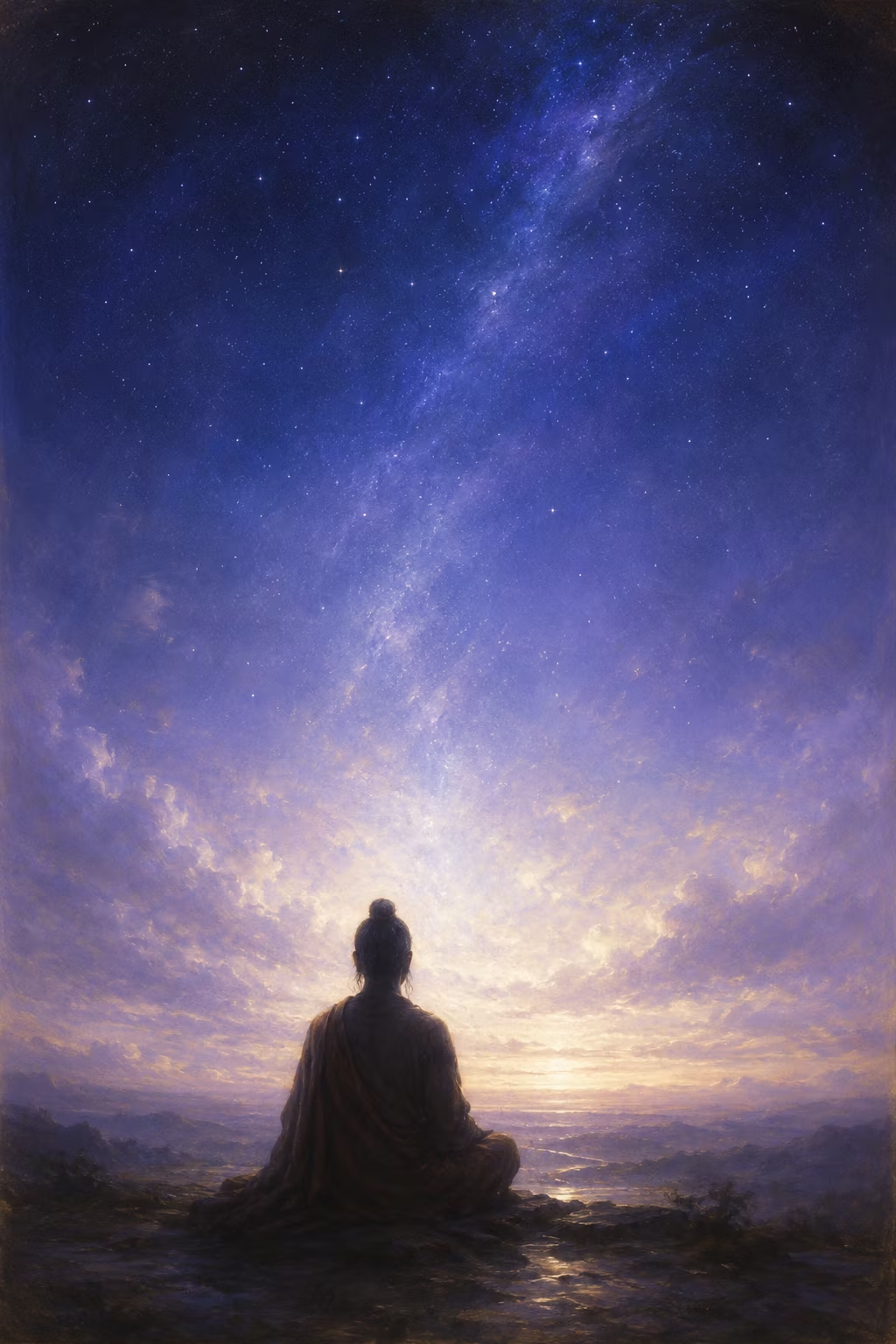
कोमल 'रोज़मर्रा' द्वारों का एक समूह, सब एक ही ढंग से काम करते: शरीर या दृष्टि को पकड़ने को कुछ मत दो, और चंचल मन स्वयं बैठ जाता है। श्लोक ७८: कोमल आसन पर एक नितम्ब के बल बैठो, हाथ-पैर निराधार — और चेतना परम परिपूर्ण हो जाती है। श्लोक ७९: भुजाओं को आधा मोड़कर, मन को बगल की खाली जगह (कक्ष-व्योम) में रखो — और वह शान्ति पाता है। श्लोक ८०: किसी एक वस्तु पर स्थिर, अचल दृष्टि डालो, फिर शीघ्र मन को निराधार कर दो — और साधक शिव की ओर बढ़ता है। श्लोक ८१ अपेक्षाकृत तकनीकी है — जीभ मध्य में, मुख खुला, और भीतर से 'ह' का उच्चार; इसे हल्के से लो, या गुरु के साथ (यह यहाँ पाठ के लिए है, स्वयं-निर्देशित चरण के रूप में नहीं)। श्लोक ८२: बैठे या लेटे, शरीर को पूर्णतः निराधार अनुभव करो — और मन के क्षीण होते ही उसके संचित संस्कार भी क्षीण हो जाते हैं। श्लोक ८३: किसी हिलते आसन पर, या शरीर को धीरे झुलाते हुए, मन शान्त होता है और दिव्य प्रवाह उँडेलता है। श्लोक ८४: स्वच्छ, निर्मल आकाश को अटूट दृष्टि से निहारो जब तक स्तब्ध न हो जाओ — और उसी क्षण भैरव-स्वरूप को प्राप्त करते हो।
A cluster of gentle 'daily-life' doorways, all working the same way: give the body or the gaze nothing to hold, and the restless mind settles on its own. Verse 78: sit on a soft seat resting on one hip, hands and feet unsupported — and awareness grows supremely full. Verse 79: with the arms held loosely half-bent, rest the mind in the open hollow (the space of the armpits) — and it comes to peace. Verse 80: drop a steady, unmoving gaze on a single object, then quickly let the mind go supportless — and one moves toward Shiva. Verse 81 is a more technical one — the tongue placed in the middle, the mouth open, with an inward sounding of 'ha'; approach it lightly, or with a teacher (it is given here for the text, not as a self-guided step). Verse 82: sitting or lying, feel the body as utterly supportless — and as the mind thins, its stored residues thin with it. Verse 83: on a gently moving seat, or by slowly rocking the body, the mind is soothed and a divine flood pours in. Verse 84: gaze unbroken into the clear, pure sky until you grow still — and in that instant you take on the very form of Bhairav.
mṛdvāsane sphijaikena hastapādau nirāśrayam ।
nidhāya tatprasaṅgena parā pūrṇā matir bhavet ॥
कोमल आसन पर एक नितम्ब के बल बैठकर, हाथों और पैरों को निराधार छोड़कर — उसी स्थिति में रहने से बुद्धि (चेतना) परम परिपूर्ण हो जाती है।
Seated on a soft seat resting on a single hip, with the hands and feet left unsupported — by remaining so, awareness becomes supremely full.
upaviśyāsane samyag bāhū kṛtvārdhakuñcitau ।
kakṣavyomni manaḥ kurvan śamam āyāti tallayāt ॥
आसन पर भली-भाँति बैठकर, भुजाओं को आधा मोड़कर, मन को बगल की खाली जगह (कक्ष-व्योम) में रखते हुए — वहीं लय होने से शान्ति प्राप्त होती है।
Sitting well on a seat, the arms held loosely half-bent, placing the mind in the open hollow (the space of the armpits) — through dissolving there, one comes to peace.
sthūlarūpasya bhāvasya stabdhāṃ dṛṣṭiṃ nipātya ca ।
acireṇa nirādhāraṃ manaḥ kṛtvā śivaṃ vrajet ॥
किसी स्थूल वस्तु पर स्थिर, अचल दृष्टि डालकर, और शीघ्र ही मन को निराधार बनाकर, साधक शिव को प्राप्त होता है।
Letting a steady, unmoving gaze fall upon some solid object, and quickly making the mind supportless (free of any prop), one goes to Shiva.
madhyajihve sphāritāsye madhye nikṣipya cetanām ।
hoccāraṃ manasā kurvaṃs tataḥ śānte pralīyate ॥
जीभ को मध्य में रखकर, मुख खुला रखकर, चेतना को मध्य में स्थापित कर, और मन से 'ह' का उच्चार करते हुए — साधक तब शान्ति में विलीन हो जाता है। [यह अपेक्षाकृत तकनीकी अभ्यास है; नीचे साधना-टिप्पणी देखें।]
With the tongue held in the middle and the mouth open, casting awareness into the centre, and inwardly sounding 'ha' — one then dissolves into peace. [A more technical practice; see the note in the Practice below.]
āsane śayane sthitvā nirādhāraṃ vibhāvayan ।
svadehaṃ manasi kṣīṇe kṣaṇāt kṣīṇāśayo bhavet ॥
आसन पर या शय्या पर रहते हुए, अपने शरीर को निराधार भाव में लाते हुए — मन के क्षीण होते ही, क्षणभर में भीतर के संस्कार (वासनाएँ) भी क्षीण हो जाते हैं।
Seated or lying down, contemplating the body as utterly supportless — as the mind grows thin, in an instant the inner residues (stored tendencies) grow thin as well.
calāsane sthitasyātha śanair vā dehacālanāt ।
praśānte mānase bhāve devi divyaugham āpnuyāt ॥
किसी हिलते-डुलते आसन पर बैठे हुए, या शरीर को धीरे-धीरे झुलाते हुए, हे देवि — मन के शान्त होने पर साधक दिव्य प्रवाह (अनुग्रह की बाढ़) को प्राप्त करता है।
Seated on something gently moving, or by slowly rocking the body, O Goddess — as the mind grows calm, one attains the divine flood (of grace).
ākāśaṃ vimalam paśyan kṛtvā dṛṣṭiṃ nirantarām ।
stabdhātmā tatkṣaṇād devi bhairavaṃ vapur āpnuyāt ॥
स्वच्छ, निर्मल आकाश को अटूट दृष्टि से निहारते हुए, हे देवि, साधक पूर्णतः स्तब्ध (निश्चल) हो जाता है — और उसी क्षण भैरव-स्वरूप को प्राप्त करता है।
Gazing at the clear, pure sky with an unbroken gaze, O Goddess, one grows utterly still — and in that very instant takes on the form of Bhairav.
चंचल मन को इस प्रकार शान्त करना कि उसे पकड़ने को कुछ न मिले — एक स्थिर दृष्टि, एक निराधार मुद्रा, शरीर का धीमा झूलना, या किनारारहित खुला आकाश। जब शरीर और आँखें स्थिर और निराधार हो जाते हैं, तो उन्हें पोसने वाला मन एक स्वच्छ, स्थिर स्तब्धता में विलीन हो जाता है।To still the restless mind by giving it nothing to grip — a steady gaze, an unsupported posture, the slow rock of the body, or the edgeless open sky. When the body and the eyes go still and propless, the mind they feed dissolves into a clear, settled stillness.
पूर्व तैयारी: Before you begin: आकाश-दर्शन के लिए, स्वच्छ आकाश का खुला दृश्य (या कोई विस्तृत, सादा विस्तार)। शेष के लिए, एक आरामदायक आसन।For sky-gazing, an open view of clear sky (or any wide, plain expanse). For the rest, a comfortable seat.
अवधि: Duration: १०–१५ मिनट।10–15 minutes.
क्या देखें: What to notice: ध्यान दो कि जब आँखों और शरीर के पास पकड़ने को कुछ नहीं होता — खुला आकाश, निराधार मुद्रा, सुखद झूला — मन स्वाभाविक रूप से शान्त होता है और एक स्वच्छ, विस्तृत स्थिरता खुलती है। जितना कम पकड़ने को, उतना ही मन स्थिर और पारदर्शी होता है। वही स्तब्ध, बैठी हुई स्वच्छता द्वार है।Notice that when the eyes and body have nothing to hold — the open sky, a propless posture, a soothing sway — the mind naturally quietens and a clear, spacious stillness opens. The less there is to grip, the stiller and more transparent the mind becomes. That transfixed, settled clarity is the doorway.
सावधानी: Take care: कोमल और सुरक्षित। सूर्य या किसी तीव्र प्रकाश को कभी मत निहारो — कोमल, स्वच्छ आकाश या सादा विस्तार चुनो; आँखें थकें तो पलक झपकाकर विश्राम दो। केवल धीरे और सुखपूर्वक झूलो (पीठ या गर्दन पर ज़ोर न डालो)। टिप्पणी: श्लोक ८१ (जीभ मध्य में, भीतर 'ह' की ध्वनि) अपेक्षाकृत तकनीकी योग-अभ्यास है, जिसे किसी जीवित गुरु से सीखना उत्तम — वह यहाँ पाठ के लिए है, स्वयं-निर्देशित चरण के रूप में नहीं।Gentle and safe. NEVER gaze at the sun or any harsh light — choose soft, clear sky or a plain expanse; if the eyes tire, blink and rest them. Rock only slowly and comfortably (don't strain the back or neck). Note: verse 81 (the tongue-in-the-middle with an inward 'ha' sound) is a more technical yogic practice best learned from a living teacher — it is included here for the text, not as a self-guided step.
अपनी आँखों को खुले आकाश के कुछ अटूट मिनट दो, और देखो कि मन, पकड़ने को कुछ न पाकर, स्वयं ही कैसे शान्त और स्वच्छ हो जाता है। वह स्थिरता गढ़ी नहीं गई — वह उसी क्षण उभरी जब तुमने पकड़ना छोड़ा। यही श्लोक का तुम्हारे अपने देखने में प्रमाण है। करके देखो; फिर स्वयं देखो।
Give your eyes a few unbroken minutes of open sky, and notice how the mind, with nothing to grab, goes quiet and clear all on its own. That stillness wasn't manufactured — it surfaced the moment you stopped gripping. That is the verse, shown in your own seeing. Try it; then see for yourself.