प्रथमः प्रश्नः · १६ मन्त्राःFirst Question · 16 mantras
प्रश्नोपनिषद् — छह जिज्ञासुओं के छह प्रश्न, जो वे महर्षि पिप्पलाद से पूछते हैं। पहला प्रश्न कबन्धी का: यह सारी प्रजा किससे उत्पन्न होती है? उत्तर — प्रजा की इच्छा से प्रजापति ने तप करके एक युगल रचा: रयि (पदार्थ, चन्द्रमा, अन्न) और प्राण (जीवन, सूर्य); इन्हीं से सब जन्मते हैं। संवत्सर दो अयनों में घूमता है — एक कर्म का मार्ग जो लौटा लाता है, दूसरा ज्ञान का जो नहीं लौटाता।
The Praśna ('question') Upaniṣad is six seekers' six questions to the sage Pippalāda. Kabandhī asks the first: from what are all these creatures born? The answer: Prajāpati, longing for offspring, brought forth a pair — rayi (matter, the moon, food) and prāṇa (life, the sun) — and from these all beings arise; the year turns in two courses, one of works that returns you, one of knowledge that does not.
ॐ — हे देवगण! हम कानों से कल्याणमय वचन सुनें, नेत्रों से शुभ देखें, और स्थिर अंगों एवं शरीर से स्तुति करते हुए देवहितकर पूरी आयु का भोग करें। महान् कीर्तिवाले इन्द्र हमारा कल्याण करें, सर्वज्ञ पूषा हमारा कल्याण करें, अरिष्टनिवारक तार्क्ष्य (गरुड) हमारा कल्याण करें, और बृहस्पति हमारा कल्याण करें। ॐ शान्ति, शान्ति, शान्ति।
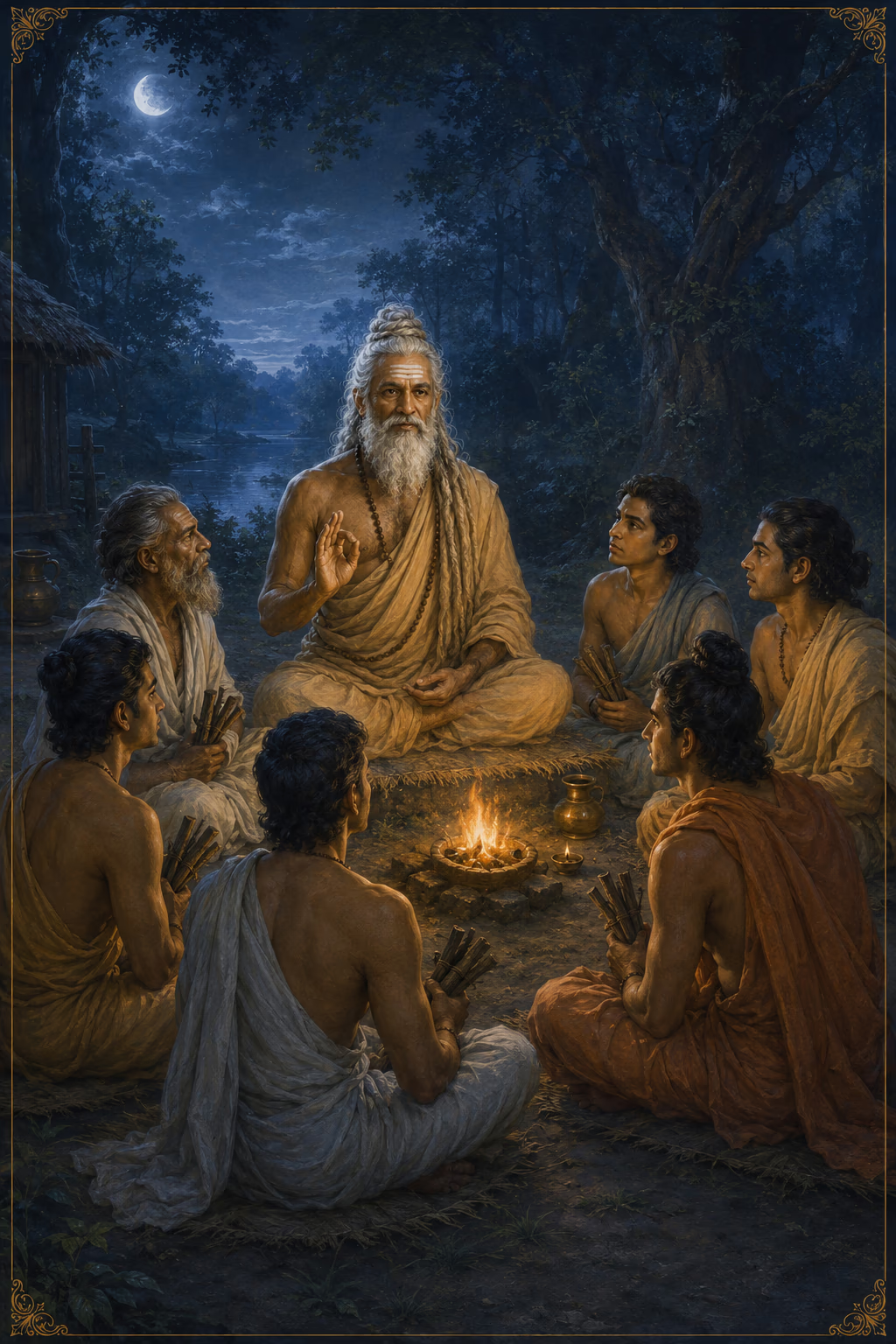
“छह जिज्ञासु और पिप्पलाद” ॥ १ ॥ · मूल चित्र — इस परियोजना हेतु
सुकेशा च भारद्वाजः … षट् समित्पाणयो भगवन्तं पिप्पलादमुपसन्नाः
समिधाएँ हाथ में लिए छह जिज्ञासु, तप के पश्चात्, ऋषि पिप्पलाद के सम्मुख — छह प्रश्नों के उत्तर की प्रतीक्षा में।
Six seekers, fuel-sticks in hand, having done their tapas, sit before the sage Pippalāda — awaiting the answers to their six questions.
oṁ sukeśā ca bhāradvājaḥ śaibyaśca satyakāmaḥ sauryāyaṇī ca gārgyaḥ kausalyaścāśvalāyano bhārgavo vaidarbhiḥ kabandhī kātyāyanaste haite brahmaparā brahmaniṣṭhāḥ paraṁ brahmānveṣamāṇā eṣa ha vai tatsarvaṁ vakṣyatīti te ha samitpāṇayo bhagavantaṁ pippalādamupasannāḥ ॥
सुकेशा भारद्वाज, शैब्य सत्यकाम, गर्गगोत्रीय सौर्यायणि, अश्वलपुत्र कौसल्य, विदर्भदेशीय भार्गव और कात्यायन कबन्धी—ये छहों परब्रह्मकी उपासनामें तत्पर ब्रह्मनिष्ठ ऋषि परब्रह्मकी खोज करते हुए, 'ये हमें सब कुछ बतला देंगे' ऐसा सोचकर हाथोंमें समिधा लेकर भगवान् पिप्पलादके पास गये।
Sukeśā Bhāradvāja, Śaibya Satyakāma, Sauryāyaṇī of the Garga line, Kausalya son of Aśvala, Bhārgava of Vidarbha, and Kabandhī Kātyāyana — these six sages, devoted to and firmly grounded in Brahman, seeking the supreme Brahman and thinking 'he will surely tell us all this,' approached the revered Pippalāda, fuel-sticks in hand.
सरल अर्थ: उपनिषद् की शुरुआत छह सच्चे जिज्ञासुओं से होती है, जो हाथ में समिधा लिये विनम्र शिष्य की तरह गुरु के पास इस भरोसे से आते हैं कि वे उनकी गहरी जिज्ञासा शांत कर देंगे।In simple words: The book opens with six earnest seekers who come to a teacher the way real students do — humbly, firewood in hand, trusting he can help them find what they most want to know.
tānha sa ṛṣiruvāca bhūya eva tapasā brahmacaryeṇa śraddhayā saṁvatsaraṁ saṁvatsyatha yathākāmaṁ praśnānpṛcchata yadi vijñāsyāmaḥ sarvaṁ ha vo vakṣyāma iti ॥
उस ऋषिने उनसे कहा—'तुमलोग तप, ब्रह्मचर्य और श्रद्धासे युक्त होकर एक वर्ष और यहाँ निवास करो; फिर अपनी इच्छाके अनुसार प्रश्न पूछना। यदि हम जानते होंगे तो तुम्हें सब बतला देंगे।'
That sage said to them: 'Dwell here yet another year with austerity, celibacy, and faith; then ask your questions as you wish, and if we know, we shall tell you all.'
सरल अर्थ: गुरु तुरंत उत्तर नहीं देते, बल्कि एक वर्ष और तप, संयम और श्रद्धा से रहने को कहते हैं — क्योंकि गहरी बातें उसी मन में उतरती हैं जो पहले तैयार हो चुका हो।In simple words: Instead of answering right away, the sage asks them to live one more year in discipline and faith — because the deepest truths land only in a heart that has been made ready.
तदनन्तर (एक वर्ष गुरुकुलवासके पश्चात्) कात्यायन कबन्धीने गुरुके पास जाकर पूछा—'भगवन्! यह सारी प्रजा किससे उत्पन्न होती है?'
Then Kabandhī Kātyāyana came up and asked: 'Sir, from what are these creatures born?'
सरल अर्थ: उस एक वर्ष की प्रतीक्षा के बाद जो पहला प्रश्न पूछा जाता है, वह मनुष्य का सबसे पुराना प्रश्न है — यह सारी सृष्टि आख़िर आती कहाँ से है?In simple words: After that year of waiting, the very first question asked is the oldest one humans have — where does all this life really come from?
tasmai sa hovāca prajākāmo vai prajāpatiḥ sa tapo'tapyata sa tapastaptvā sa mithunamutpādayate । rayiṁ ca prāṇaṁ cetyetau me bahudhā prajāḥ kariṣyata iti ॥
उस पिप्पलादने उससे कहा—'प्रजाकी इच्छावाले प्रजापतिने तप किया; तप करके उसने रयि (अन्न) और प्राण—यह जोड़ा उत्पन्न किया, यह सोचकर कि ये दोनों मेरी अनेक प्रकारकी प्रजा उत्पन्न करेंगे।'
To him Pippalāda replied: 'Prajāpati, desiring offspring, performed austerity; and having done so he produced a pair — rayi (matter) and prāṇa (life) — thinking, "these two will make manifold creatures for me."'
सरल अर्थ: गुरु का उत्तर सरल ढंग से शुरू होता है — सृष्टि चाहनेवाले प्रजापति ने पहले दो साथी बनाए: जड़ पदार्थ और जीवित प्राण, जिनसे बाक़ी सब कुछ पनपना था।In simple words: The sage's answer begins simply — the Creator, wanting life, first made two partners, lifeless matter and living breath, and from this pair everything else would grow.
ādityo ha vai prāṇo rayireva candramā rayirvā etatsarvaṁ yanmūrtaṁ cāmūrtaṁ ca tasmānmūrtireva rayiḥ ॥
निश्चय आदित्य ही प्राण है और चन्द्रमा ही रयि है। जो कुछ मूर्त (स्थूल) और अमूर्त (सूक्ष्म) है वह सब रयि ही है; अतः मूर्त रूप ही रयि है।
Surely the sun is prāṇa and the moon is rayi. All this, whether formed (gross) or formless (subtle), is rayi; therefore form itself is rayi.
सरल अर्थ: इसे स्पष्ट करने के लिए वे आकाश की ओर इशारा करते हैं — सूर्य वह प्राण है, चंद्रमा पदार्थ है, और जो कुछ भी दिखाई या छुआ जा सकता है वह पदार्थ के पक्ष में आता है।In simple words: He points to the sky to make it clear — the sun is that living breath, the moon is matter, and anything you can see or touch belongs to the side of matter.
जिस समय सूर्य उदित होकर पूर्व दिशामें प्रवेश करता है, तब वह पूर्व दिशाके प्राणोंको अपनी किरणोंमें धारण कर लेता है। इसी प्रकार दक्षिण, पश्चिम, उत्तर, नीचे, ऊपर और अवान्तर—जिन सब दिशाओंको वह प्रकाशित करता है, उन सबके प्राणोंको भी अपनी किरणोंमें धारण कर लेता है।
When the rising sun enters the eastern quarter, it thereby gathers the life-breaths of the east into its rays. Likewise the south, west, north, the nadir, the zenith, and the intermediate quarters — whatever it lights up — it gathers all those life-breaths too into its rays.
सरल अर्थ: सूर्य आकाश में बस एक दीपक नहीं है — उगते हुए वह हर दिशा की जीवन-शक्ति को अपनी किरणों में समेट लेता है, और चुपचाप सारे प्राणियों को एक साथ सँभालता है।In simple words: The sun is more than a lamp in the sky — as it rises it gathers the living energy of every direction into its rays, quietly holding up all beings at once.
sa eṣa vaiśvānaro viśvarūpaḥ prāṇo'gnirudayate । tadetadṛcābhyuktam ॥
वह यह वैश्वानर, विश्वरूप, अग्निरूप प्राण ही (सूर्यरूपमें) उदित होता है। यही बात ऋक्-मन्त्रमें भी कही गयी है।
This very Vaiśvānara, of universal form, the fire that is prāṇa, rises. This too has been declared by a Ṛk verse.
सरल अर्थ: वही सूर्य समस्त जीवन की सार्वभौमिक अग्नि के रूप में पूजा जाता है — यह सत्य इतना पुराना है कि प्राचीन ऋचाएँ पहले ही इसे गा चुकी हैं।In simple words: That same sun is honoured as the universal fire of life — a truth so old that the ancient hymns had already sung it.
सर्वरूप, किरणोंवाले, ज्ञानसम्पन्न, सबके आश्रय, ज्योतिःस्वरूप, अद्वितीय और तपते हुए (सूर्य)को ब्रह्मवेत्ताओंने अपने आत्मरूपसे जाना है। यह सहस्रों किरणोंवाला, सैकड़ों प्रकारसे वर्तमान, प्रजाओंका प्राणरूप सूर्य उदित होता है।
The wise have known as their own Self that Sun — of all forms, radiant, endowed with knowledge, the refuge of all, the one light, glowing. Thousand-rayed, existing in a hundred ways, the life-breath of creatures, this Sun rises.
सरल अर्थ: यहाँ मोड़ आता है: सच्चे ज्ञानी जान लेते हैं कि बाहर का यह विशाल सूर्य और उनके भीतर धड़कता जीवन — दोनों एक ही शक्ति हैं।In simple words: Here is the turning point: the truly wise realize that the great sun outside and the life stirring inside them are one and the same power.
saṁvatsaro vai prajāpatistasyāyane dakṣiṇaṁ cottaraṁ ca । tadye ha vai tadiṣṭāpūrte kṛtamityupāsate te cāndramasameva lokamabhijayante । ta eva punarāvartante tasmādeta ṛṣayaḥ prajākāmā dakṣiṇaṁ pratipadyante । eṣa ha vai rayiryaḥ pitṛyāṇaḥ ॥
संवत्सर ही प्रजापति है; उसके दक्षिण और उत्तर—दो अयन हैं। जो इष्टापूर्त (यज्ञ, कूप-बावली आदि) कर्मको ही कर्तव्य मानकर उपासना करते हैं वे चन्द्रलोकको ही जीतते हैं और वहाँसे फिर लौट आते हैं; इसलिये सन्तानकी इच्छावाले ये ऋषि दक्षिण मार्गको ही प्राप्त होते हैं। जो यह पितृयाण मार्ग है वही रयि है।
The year is Prajāpati; its two courses are the southern and the northern. Those who worship holding sacrificial and charitable works alone to be their duty win only the world of the moon, and they return again; so these sages, desiring offspring, take the southern path. This path of the fathers (pitṛyāṇa) is rayi.
सरल अर्थ: जो लोग सत्कर्म, यज्ञ और संतान के लिए जीते हैं, उन्हें स्वर्ग का फल तो मिलता है — पर वह आने-जाने का रास्ता है, जो पुण्य समाप्त होते ही उन्हें फिर जन्म में लौटा लाता है।In simple words: Those who live for good deeds, worship, and family earn a heavenly reward — but it is a round trip, bringing them back to birth once the merit runs out.
और जो उत्तरायणमार्गसे तप, ब्रह्मचर्य, श्रद्धा तथा विद्याद्वारा आत्माका अन्वेषण करके आदित्य (सूर्यलोक)को जीतते हैं—यही प्राणोंका आश्रय, यही अमृत, अभय और परा गति है; इससे फिर नहीं लौटते। यही निरोधस्थान है। इस विषयमें यह श्लोक है—
But by the northern path, seeking the Self through austerity, celibacy, faith, and knowledge, they win the Sun. This is the abode of the life-breaths, the immortal, the fearless, the supreme goal; from it there is no return. This is the place of stopping. Thereon is this verse:
सरल अर्थ: इसके बजाय जो भीतर की ओर मुड़ते हैं — तप, संयम, श्रद्धा और ज्ञान के द्वारा — वे उस स्थान को पाते हैं जहाँ से लौटना नहीं होता: यही स्थायी मुक्ति का एकतरफ़ा मार्ग है।In simple words: Those who instead turn inward — through discipline, purity, faith, and knowledge — reach a place they never fall back from: the one-way road to lasting freedom.
pañcapādaṁ pitaraṁ dvādaśākṛtiṁ diva āhuḥ pare ardhe purīṣiṇam । atheme anya u pare vicakṣaṇaṁ saptacakre ṣaḍara āhurarpitamiti ॥
(कुछ कालवेत्ता) इस आदित्यको पाँच पैरोंवाला, सबका पिता, बारह आकृतियोंवाला, जलसे युक्त (पुरीषी) और द्युलोकके पराभागमें स्थित बतलाते हैं; तो दूसरे लोग उसे सर्वज्ञ (विचक्षण) कहते हैं और सात चक्र तथा छः अरेवाले (रथ)-में इस जगत्को अर्पित बतलाते हैं।
Some knowers of time call this (Sun) five-footed, the father, of twelve forms, water-bearing, and set in the higher half of heaven; while others call him all-discerning, and say this world is fixed in him who has seven wheels and six spokes.
सरल अर्थ: एक पुरानी पहेली-सी ऋचा सूर्य और वर्ष को काव्यात्मक चित्रों में दिखाती है — उसकी ऋतुएँ, बारह महीने, और समय का वह महान घूमता पहिया जिसमें सारा जगत टिका है।In simple words: An old riddle-like hymn pictures the sun and the year in poetic images — its seasons, its twelve months, the great turning wheel of time in which the whole world is set.
māso vai prajāpatistasya kṛṣṇapakṣa eva rayiḥ śuklaḥ prāṇastasmādeta ṛṣayaḥ śukla iṣṭaṁ kurvantītara itarasmin ॥
मास ही प्रजापति है; उसका कृष्णपक्ष रयि और शुक्लपक्ष प्राण है। इसलिये (प्राणके उपासक) ये ऋषि शुक्लपक्षमें ही यज्ञ करते हैं और दूसरे (अन्यके उपासक) दूसरे (कृष्ण) पक्षमें यज्ञ करते हैं।
The month is Prajāpati; its dark fortnight is rayi and its bright fortnight is prāṇa. Therefore these sages perform sacrifice in the bright fortnight, while others do so in the other fortnight.
सरल अर्थ: वही पदार्थ-और-प्राण का ढाँचा एक महीने के भीतर भी दिखता है — उसका घटता कृष्णपक्ष पदार्थ है और बढ़ता शुक्लपक्ष जीवित प्राण।In simple words: The same matter-and-life pattern shows up inside a single month — its waning dark half is matter, its waxing bright half is living breath.
ahorātro vai prajāpatistasyāhareva prāṇo rātrireva rayiḥ prāṇaṁ vā ete praskandanti ye divā ratyā saṁyujyante brahmacaryameva tadyadrātrau ratyā saṁyujyante ॥
दिन-रात भी प्रजापति है; उनमें दिन ही प्राण और रात्रि ही रयि है। जो दिनके समय मैथुनके लिये संयुक्त होते हैं वे प्राणका ही क्षय करते हैं; और जो रात्रिके समय संयुक्त होते हैं, वह तो ब्रह्मचर्य ही है।
Day-and-night too is Prajāpati; therein day is prāṇa and night is rayi. Those who unite in intercourse by day squander their life-breath, whereas union by night is itself a form of celibacy.
सरल अर्थ: यह ढाँचा एक दिन-रात तक में उतर आता है, और गुरु सौम्यता से बताते हैं कि उसकी स्वाभाविक लय के साथ जीना हमारी प्राण-शक्ति को क्षीण करने के बजाय बचाता है।In simple words: The pattern reaches even into a single day, and the sage gently notes that living in tune with its natural rhythm protects our vital force rather than draining it.
annaṁ vai prajāpatistato ha vai tadretastasmādimāḥ prajāḥ prajāyanta iti ॥
अन्न ही प्रजापति है; उसीसे वह रेत (वीर्य) उत्पन्न होता है और उस वीर्यसे ही यह सम्पूर्ण प्रजा उत्पन्न होती है।
Food is Prajāpati; from it comes semen, and from that semen these creatures are born.
सरल अर्थ: थाली के अन्न तक में जीवन नया जीवन रचता रहता है — अन्न वीर्य बनता है और वीर्य से अगली पीढ़ी जन्म लेती है।In simple words: Right down to the food on our plate, life keeps making more life — nourishment becomes seed, and seed becomes the next generation.
tadye ha vai tatprajāpativrataṁ caranti te mithunamutpādayante । teṣāmevaiṣa brahmaloko yeṣāṁ tapo brahmacaryaṁ yeṣu satyaṁ pratiṣṭhitam ॥
इस प्रकार जो उस प्रजापतिव्रत (ऋतुकालमें ही गमन)-का आचरण करते हैं वे मिथुन (सन्तान) उत्पन्न करते हैं। किन्तु जिनमें तप और ब्रह्मचर्य है तथा जिनमें सत्य प्रतिष्ठित है, उन्हींको यह ब्रह्मलोक प्राप्त होता है।
Thus those who keep this vow of Prajāpati beget a pair (offspring). But that world of Brahman belongs only to those in whom austerity and celibacy abide and in whom truth is established.
सरल अर्थ: साधारण गृहस्थ जीवन संतान और वंश-परंपरा देता है, पर ब्रह्मलोक का ऊँचा द्वार उन्हीं के लिए खुलता है जिनमें तप, ब्रह्मचर्य और सत्य टिके हों।In simple words: Ordinary faithful living brings children and continuity, but the higher world of Brahman opens only for those rooted in discipline, purity, and truth.
॥ प्रश्न · १·१६ ॥
तेषामसौविरजोब्रह्मलोकोनयेषुजिह्ममनृतंनमायाचेति॥
teṣāmasau virajo brahmaloko na yeṣu jihmamanṛtaṁ na māyā ceti ॥
वह विरज (निर्मल) ब्रह्मलोक उन्हींको प्राप्त होता है जिनमें कुटिलता, असत्य और माया (कपट) नहीं है।
That stainless world of Brahman is theirs in whom there is no crookedness, no falsehood, and no deceit.
सरल अर्थ: यह प्रश्न चरित्र पर समाप्त होता है: वह निर्मल परमलोक उन्हीं का है जो सरल और निष्कपट हैं — जिनमें न कुटिलता है, न झूठ, न कोई छल।In simple words: The chapter closes on character: that spotless highest world belongs to the honest and the guileless — those with no crookedness, no lie, and no pretence in them.
॥ इति प्रश्नोपनिषदि प्रथमः प्रश्नः ॥
॥ इस प्रकार प्रश्नोपनिषद् का प्रथम प्रश्न समाप्त ॥