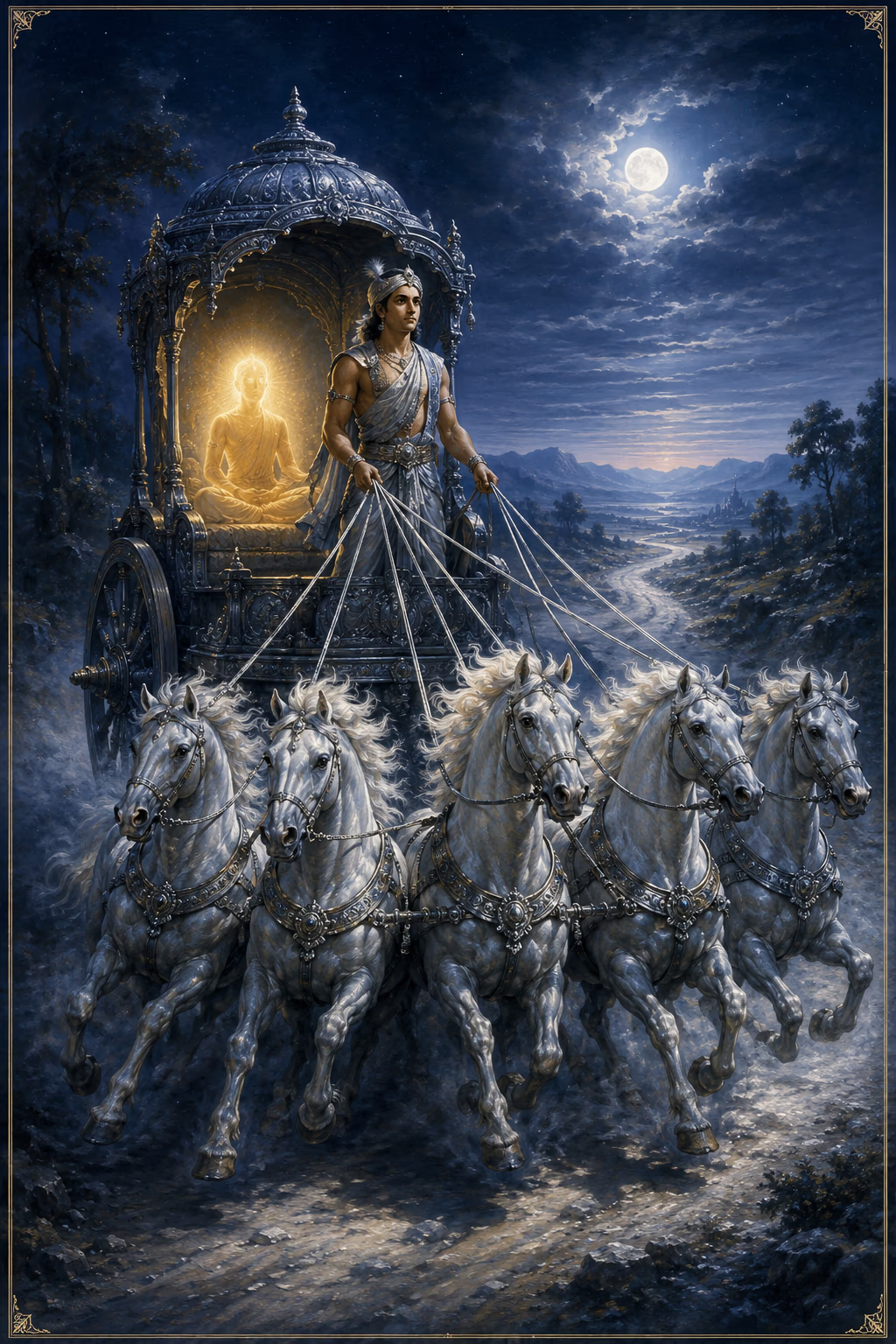
यहाँ आता है प्रसिद्ध रथ-रूपक: शरीर रथ है, इन्द्रियाँ घोड़े, मन लगाम, बुद्धि सारथी — और आत्मा रथ में बैठा स्वामी। जो विवेक से मन और इन्द्रियों को साधता है, वही उस परम पद तक पहुँचता है; पर यह मार्ग 'छुरे की तीखी धार के समान' दुर्गम है।
Here comes the famous chariot image: the body is the chariot, the senses its horses, the mind the reins, the intellect the charioteer — and the Self, the rider seated within. Only one who, with discernment, masters the mind and senses reaches the supreme goal; yet the path is 'sharp as a razor's edge.'
“आत्मा का रथ” ॥ ३–४ ॥ · मूल चित्र — इस परियोजना हेतु
रथ का रूपक — देह रथ, इन्द्रियाँ पाँच घोड़े, मन लगाम, बुद्धि सारथि, और भीतर शान्त बैठा आत्मा (रथी)।
The chariot of the Self — the body the chariot, the senses its horses, the mind the reins, the intellect the charioteer, and within, serene, the Ātman who rides.
ṛtaṁ pibantau sukṛtasya loke guhāṁ praviṣṭau parame parārdhe । chāyātapau brahmavido vadanti pañcāgnayo ye ca triṇāciketāḥ ॥
अपने किये हुए कर्मों के फल को भोगने वाले दो (जीवात्मा और परमात्मा) शरीररूपी गुहा के भीतर हृदयरूप परम स्थान में प्रविष्ट हैं। ब्रह्मवेत्ता इन दोनों को छाया और धूप के समान परस्पर विलक्षण बतलाते हैं — ऐसा ही पञ्चाग्नि-विद्या के उपासक तथा तीन बार नाचिकेत-अग्नि का चयन करने वाले भी कहते हैं।
Two (the individual self and the supreme Self) who drink the fruit of action (ṛta) abide in the cave of the heart, in the highest realm of the supreme. The knowers of Brahman — and likewise the worshippers of the five fires and those who have thrice kindled the Nāciketa fire — call these two as different as shade and sunlight.
सरल अर्थ: हमारे भीतर मानो दो बैठे हैं — एक जो कर्मफल भोगता रहता है और एक जो शान्त साक्षी है; दोनों एक ही हृदय-गुफा में हैं, पर धूप-छाँव जैसे अलग।In simple words: Two 'selves' live in the same heart-cave — the one that keeps tasting the results of its actions, and the calm witness behind it — and the wise say these two are as different as sunlight and shade.
जो यज्ञ करने वालों के लिये सेतु के समान है, और जो परम अविनाशी ब्रह्म है, संसार-सागर से पार होने की इच्छा वालों के लिये जो अभय आश्रय है — उस नाचिकेत अग्नि को (तथा उस ब्रह्म को) हम जानने में समर्थ हों।
That Nāciketa fire which is a bridge for the sacrificers, and that which is the imperishable supreme Brahman, the fearless (refuge) for those who wish to cross to the far shore — may we be able to realize it.
सरल अर्थ: यह वही पुल है जिससे हम जीवन के झंझावात को पार कर सकते हैं — एक प्रार्थना कि काश हम उस अभय किनारे तक पहुँचने की सामर्थ्य पा सकें।In simple words: This is the bridge that carries us safely across life's storms — a quiet prayer that we may have the strength to reach that fearless far shore.
ātmānaṁ rathinaṁ viddhi śarīraṁ rathameva tu । buddhiṁ tu sārathiṁ viddhi manaḥ pragrahameva ca ॥
आत्मा को रथ का स्वामी (रथी) जानो और शरीर को ही रथ समझो; बुद्धि को सारथि जानो और मन को लगाम।
Know the Self as the lord of the chariot (the rider), and the body as the chariot itself; know the intellect as the charioteer, and the mind as the reins.
सरल अर्थ: यह वल्ली की सबसे प्रसिद्ध तस्वीर है: शरीर रथ, इन्द्रियाँ घोड़े, मन लगाम, बुद्धि सारथि, और तुम्हारा असली 'मैं' पीछे बैठा सवार।In simple words: Here is the vallī's famous picture: your body is the chariot, the senses are the horses, the mind is the reins, the intellect is the driver — and the real 'you' is the rider seated behind it all.
विवेकी पुरुष इन्द्रियों को घोड़े कहते हैं और विषयों को उनके मार्ग (विचरण-क्षेत्र) बतलाते हैं। शरीर, इन्द्रिय और मन से युक्त आत्मा को ही मनीषी 'भोक्ता' कहते हैं।
The senses they call the horses, and the sense-objects their roads. The wise call the Self, joined with body, senses and mind, the 'enjoyer' (experiencer).
सरल अर्थ: घोड़े तभी सार्थक हैं जब उनके दौड़ने के लिये रास्ते हों — वैसे ही इन्द्रियाँ संसार के विषयों की ओर दौड़ती हैं, और इन सबके साथ जुड़कर ही 'तुम' सुख-दुख का अनुभव करते हो।In simple words: The horses need roads to run on — that's what the world's objects are to your senses — and it is 'you,' riding this whole rig of body-senses-mind, who actually feels every experience.
जो विवेकहीन (अविज्ञानी) है और जिसका मन सदा असंयत (अयुक्त) रहता है, उसकी इन्द्रियाँ वश में नहीं रहतीं — जैसे सारथि के दुष्ट (बेकाबू) घोड़े वश में नहीं रहते।
But he who is without discernment, whose mind is ever unrestrained — his senses are uncontrollable, like the vicious horses of a charioteer.
सरल अर्थ: अगर सारथि (बुद्धि) ढीला और मन बेलगाम हो, तो इन्द्रियाँ बेकाबू घोड़ों की तरह तुम्हें जहाँ-तहाँ घसीट ले जाती हैं।In simple words: If the driver is careless and the mind unbridled, your senses bolt like wild horses and drag you wherever they please.
किन्तु जो विवेकशील (विज्ञानवान्) है और जिसका मन सदा संयत (युक्त) रहता है, उसकी इन्द्रियाँ वश में रहती हैं — जैसे सारथि के अच्छे (सधे हुए) घोड़े वश में रहते हैं।
But he who has discernment, whose mind is ever restrained — his senses are under control, like the good horses of a charioteer.
सरल अर्थ: वही रथ, पर जब बुद्धि सजग और मन साधा हुआ हो, तो इन्द्रियाँ सधे घोड़ों की तरह आज्ञा मानती हैं — फर्क सिर्फ काबू का है।In simple words: Same chariot — but when the intellect is alert and the mind is held steady, the senses obey like well-trained horses; the whole difference is control.
yastvavijñānavānbhavatyamanaskaḥ sadā'śuciḥ । na sa tatpadamāpnoti saṁsāraṁ cādhigacchati ॥
जो विवेकहीन, अनियन्त्रित मन वाला और सदा अपवित्र रहता है, वह उस परम पद को प्राप्त नहीं करता और (बार-बार) संसार को ही प्राप्त होता है।
But he who is without discernment, with an uncontrolled mind, ever impure, does not reach that goal but enters into the round of birth and death (saṃsāra).
सरल अर्थ: बेकाबू रथ कहीं नहीं पहुँचता — विवेकहीन और अशुद्ध मन वाला बार-बार जन्म-मरण के उसी पुराने चक्कर में लौट आता है।In simple words: A runaway chariot never arrives — the undiscerning, impure mind just keeps circling back into the same old wheel of birth and death.
yastu vijñānavānbhavati samanaskaḥ sadā śuciḥ । sa tu tatpadamāpnoti yasmādbhūyo na jāyate ॥
किन्तु जो विवेकशील, संयतमन वाला और सदा पवित्र रहता है, वह उस परम पद को प्राप्त कर लेता है, जहाँ से फिर जन्म नहीं लेना पड़ता।
But he who has discernment, with a controlled mind, ever pure, reaches that goal from which he is not born again.
सरल अर्थ: और सधा हुआ रथ मंज़िल पर पहुँचता है — विवेकी और शुद्ध मन वाला उस पद को पा लेता है जहाँ से फिर लौटना नहीं पड़ता।In simple words: A well-driven chariot reaches home — the discerning, pure mind arrives at the goal from which one never has to come back.
जिस मनुष्य का सारथि विवेकयुक्त बुद्धि है और जो मनरूपी लगाम को (दृढ़ता से) थामे हुए है, वह संसार-मार्ग के पार को प्राप्त कर लेता है — और वही विष्णु का परम पद है।
But the man whose charioteer is discernment, who holds firm the reins of the mind, reaches the end of the road — that supreme abode of Viṣṇu.
सरल अर्थ: निचोड़ यही है: जिसकी बुद्धि सारथि और मन कसी हुई लगाम बन जाए, वही सफर पूरा कर के उस सर्वोच्च मुकाम तक पहुँचता है।In simple words: The takeaway of the whole image: the one whose intellect drives and whose mind stays firmly reined-in finishes the journey and arrives at the highest destination of all.
इन्द्रियों से श्रेष्ठ उनके विषय हैं, विषयों से श्रेष्ठ मन है; मन से श्रेष्ठ बुद्धि है, और बुद्धि से भी श्रेष्ठ महान् आत्मा (महत्तत्त्व) है।
Higher than the senses are the objects; higher than the objects is the mind; higher than the mind is the intellect; and higher than the intellect is the great Self (the cosmic intellect, mahat).
सरल अर्थ: अब वल्ली एक सीढ़ी दिखाती है — इन्द्रियों से ऊपर विषय, उनसे ऊपर मन, उससे ऊपर बुद्धि, और सबसे ऊपर वह महान् आत्मा; हर चीज़ अपने से सूक्ष्मतर पर टिकी है।In simple words: Now the vallī climbs a ladder — objects sit above the senses, mind above objects, intellect above mind, and the great Self above all — each level resting on something subtler than itself.
महत्तत्त्व से परे अव्यक्त (मूल प्रकृति) है, अव्यक्त से परे पुरुष (परमात्मा) है; पुरुष से परे कुछ भी नहीं — वही अन्तिम सीमा (काष्ठा) है, वही परम गति है।
Higher than the great Self is the Unmanifest; higher than the Unmanifest is the Person (Puruṣa); higher than the Person there is nothing — that is the final limit, that is the supreme goal.
सरल अर्थ: सीढ़ी ऊपर जाती रहती है — बुद्धि के परे अव्यक्त मूल, उसके परे पुरुष, और पुरुष के आगे कुछ नहीं; यही यात्रा का आखिरी छोर है।In simple words: The ladder keeps rising — beyond intellect the unmanifest source, beyond that the Person, and past the Person nothing at all: that's the very top, the final destination.
यह आत्मा समस्त प्राणियों में छिपा हुआ है, इसलिये प्रकट रूप से नहीं दीखता; किन्तु सूक्ष्मदर्शी पुरुष अपनी तीव्र और सूक्ष्म बुद्धि से इसे देख लेते हैं।
This Self, hidden in all beings, does not shine forth; yet it is seen by the seers of the subtle through their keen and subtle intellect.
सरल अर्थ: यह आत्मा सबमें छिपा है इसलिये साधारण नज़र से नहीं दिखता — इसे केवल शान्त, पैनी और सूक्ष्म दृष्टि ही पकड़ पाती है।In simple words: This Self is tucked away inside everyone, so ordinary looking misses it — only a quiet, sharpened, subtle inner vision can catch sight of it.
विवेकी पुरुष वाणी और इन्द्रियों को मन में लीन करे, मन को बुद्धिरूप ज्ञान में लीन करे, उस ज्ञान को महान् आत्मा (महत्तत्त्व) में लीन करे, और उसे शान्तस्वरूप परमात्मा में लीन कर दे।
The wise should merge speech and senses into the mind, merge that into the knowing self (intellect), merge knowledge into the great Self, and merge that into the peaceful supreme Self.
सरल अर्थ: यहाँ खुद की वह पैनी दृष्टि बनाने की विधि है: बोलना और इन्द्रियों को मन में, मन को बुद्धि में, बुद्धि को महान् आत्मा में, और अंत में सबको शान्त परमात्मा में थमने दो।In simple words: Here's the actual method to grow that subtle vision: let speech and senses settle into the mind, the mind into the intellect, the intellect into the great Self, and finally rest it all in the peaceful Supreme.
उठो, (अज्ञान-निद्रा से) जागो, और श्रेष्ठ (ज्ञानी) पुरुषों के पास जाकर ज्ञान प्राप्त करो। जैसे छुरे की तीखी धार पर चलना कठिन और दुस्तर है, वैसे ही यह (आत्मज्ञान का) मार्ग दुर्गम है — ऐसा ज्ञानीजन कहते हैं।
Arise, awake, and learn by approaching the excellent (the wise). The sages declare that path hard to tread, like the sharpened edge of a razor — difficult to cross.
सरल अर्थ: वल्ली की सबसे ज़ोरदार पुकार — उठो, जागो, सही गुरु के पास जाकर सीखो; यह राह छुरे की धार जैसी पतली और कठिन है, हलके में लेने की नहीं।In simple words: The vallī's ringing wake-up call — get up, wake up, and learn from those who truly know; this path is as thin and hard to walk as a razor's edge, not to be taken lightly.
जो शब्द, स्पर्श, रूप, रस और गन्ध से रहित, अविनाशी और नित्य है; जो अनादि, अनन्त, महत्तत्त्व से भी परे और ध्रुव (अचल) है — उस आत्मतत्त्व को जानकर मनुष्य मृत्यु के मुख से छूट जाता है।
Realizing that which is soundless, touchless, formless, undecaying, likewise tasteless, eternal and odorless, beginningless, endless, beyond the great, and constant — one is freed from the mouth of death.
सरल अर्थ: जिसे न सुना, न छुआ, न देखा, न चखा, न सूँघा जा सकता — वह निराकार नित्य तत्त्व; उसे पहचान लो तो मृत्यु का जबड़ा तुम्हें नहीं पकड़ सकता।In simple words: That which has no sound, touch, shape, taste or smell — the formless, deathless reality; the moment you truly recognize it, the jaws of death lose their hold on you.
मृत्यु (यम) के द्वारा कहे हुए इस सनातन नाचिकेत-आख्यान को कहकर तथा सुनकर बुद्धिमान् पुरुष ब्रह्मलोक में महिमान्वित (महिमा को प्राप्त) होता है।
Having told and heard this ancient story of Naciketas, declared by Death (Yama), the wise one is magnified (attains greatness) in the world of Brahman.
सरल अर्थ: उपनिषद् अपनी कथा समेटते हुए कहता है — यम की कही यह सनातन नचिकेता-कथा जो कहता-सुनता है, वह श्रेष्ठता को पाता है।In simple words: As the teaching wraps up, it promises that whoever tells or hears this timeless Naciketas story, taught by Death himself, rises to greatness.
जो पुरुष पवित्र होकर इस परम गुह्य (ज्ञान) को ब्राह्मणों की सभा में अथवा श्राद्ध के समय सुनाता है, उसका वह कर्म अनन्त फल देने वाला होता है — हाँ, अनन्त फल देने वाला होता है।
Whoever, being pure, recites this supreme secret in an assembly of knowers of Brahman, or at the time of a śrāddha rite, that act leads to infinite fruit — yea, it leads to infinite fruit.
सरल अर्थ: अंतिम आशीर्वाद: जो पवित्र होकर इस गुह्य ज्ञान को सच्चे साधकों के बीच बाँटता है, उसका फल अनन्त है — और इस दोहराव से उपनिषद् पूरा होता है।In simple words: A closing blessing: whoever, with a pure heart, shares this secret knowledge among genuine seekers reaps endless fruit — and on that repeated note the teaching ends.
रथ-ध्यान — सारथी का स्वामी बननाThe chariot meditation — taking the rider's seat
इन्द्रियों और मन के खिंचाव में बहना छोड़कर, शान्त साक्षी (रथ में बैठे स्वामी) के रूप में स्थिर होना, और विवेकरूपी सारथी से मन-इन्द्रियों को सधने देना — कठ के रथ-रूपक का जीवन्त अभ्यास।To stop being dragged by the senses and mind, and to rest as the calm witness — the rider seated in the chariot — letting a steady intellect (the charioteer) hold the reins. The living practice of Katha's chariot image.
शान्त होकर बैठें, आँखें कोमलता से बन्द करें, कुछ सहज साँसें लें। कठ का चित्र मन में लाएँ।Sit quietly, close the eyes softly, take a few easy breaths. Bring Katha's image to mind.
देखें: यह शरीर रथ है, इन्द्रियाँ घोड़े हैं, और जिन विषयों की ओर वे दौड़ते हैं वे मार्ग हैं।See: this body is the chariot, the senses are the horses, and the objects they run toward are the roads.
देखें: मन लगाम है, बुद्धि (विवेक) सारथी है — और आप, आत्मा, पीछे बैठे वे स्वामी हैं जो केवल देखते हैं।See: the mind is the reins, the intellect (discernment) is the charioteer — and you, the Self, are the rider seated behind, who only watches.
जब कोई घोड़ा खींचे — कोई आवाज़, खुजली, इच्छा या विचार — उससे लड़ें नहीं; स्वामी के आसन से उसे देखें: 'मैं घोड़े नहीं, लगाम नहीं — मैं तो बैठा हुआ, जानने वाला हूँ।'When a horse pulls — a sound, an itch, a craving, a thought — don't fight it; watch it from the rider's seat: 'I am not the horses, not the reins — I am the one seated, aware.'
अब विवेकरूपी सारथी को लगाम सँभालने दें: एक धीमी साँस लें और घोड़ों को शान्त होने का निमन्त्रण दें — वे शान्त हों या न हों, दोनों ठीक है। रथ जैसे-जैसे शान्त हो, स्थिर स्वामी के रूप में टिके रहें।Now let the charioteer — your discernment — take up the reins: take one slow breath and simply invite the horses to settle — they may, or may not, and either is fine. As the chariot quietens, rest as the still rider.
कुछ मिनट सबके पीछे साक्षीरूप में रहें। विचार फिर दौड़ें तो लौट आएँ: 'मैं सवारी नहीं, सवार हूँ।'Stay a few minutes as the witness behind it all. When thoughts run again, return to: 'I am the rider, not the ride.'
अवधि: Duration: १०–१५ मिनट10–15 minutes
क्या देखें: What to notice: उस क्षण को देखें जब आप इन्द्रियों के 'भीतर' होने से उन्हें 'देखने' की ओर हटते हैं — क्या आपके और खिंचाव के बीच थोड़ी शान्त जगह खुलती है? जो यह सब देख रहा है, वह कौन है?Notice the moment you shift from being inside the senses to watching them — does a small, calm space open between you and the pull? Who is the one watching it all?
सावधानी: Take care: यह एक कोमल साक्षी-भाव का अभ्यास है — कोई साँस रोकना नहीं, कोई दीक्षा आवश्यक नहीं। हल्के भाव से करें; मन बहुत अशान्त हो तो बस साँस को देखते रहें जब तक वह ठहर न जाए। (कठ का गहरा योग — इन्द्रिय-निग्रह की ऊँची अवस्थाएँ, 2.3.10–11 — परम्परा से जीवित गुरु के सान्निध्य में सीखा जाता है।)This is a gentle witnessing contemplation — no breath-holding, no initiation needed. Do it lightly; if the mind is very agitated, just watch the breath until it settles. (Katha's deeper yoga — the higher stages of sense-restraint, 2.3.10–11 — is traditionally learned in the presence of a living teacher.)
अनुभव · स्वयं देखेंAnubhava · see for yourself
एक दिन इसे जीवन में आज़माएँ: जब भी कोई खिंचाव उठे — क्रोध, लालसा, कोई सूचना (notification) — एक क्षण रुककर मन-ही-मन स्वामी के आसन पर बैठ जाएँ: 'घोड़े, लगाम, सारथी… और मैं बैठा हुआ, देखने वाला।' दिन के अन्त में पूछें: क्या किसी एक खिंचाव की पकड़ उसी क्षण ढीली पड़ी जब आपने उसे देखा? — और यदि कुछ न बदले, तो यह भी एक पूर्ण एवं सच्चा निरीक्षण है, कोई असफलता नहीं।
Try it in life for one day: whenever a pull arises — anger, craving, a notification — pause for a moment and inwardly take the rider's seat: 'horses, reins, charioteer… and I, seated, watching.' At day's end ask: did even one pull lose its grip the very moment you watched it? — and if nothing shifted, that too is a complete and honest observation, not a failure.