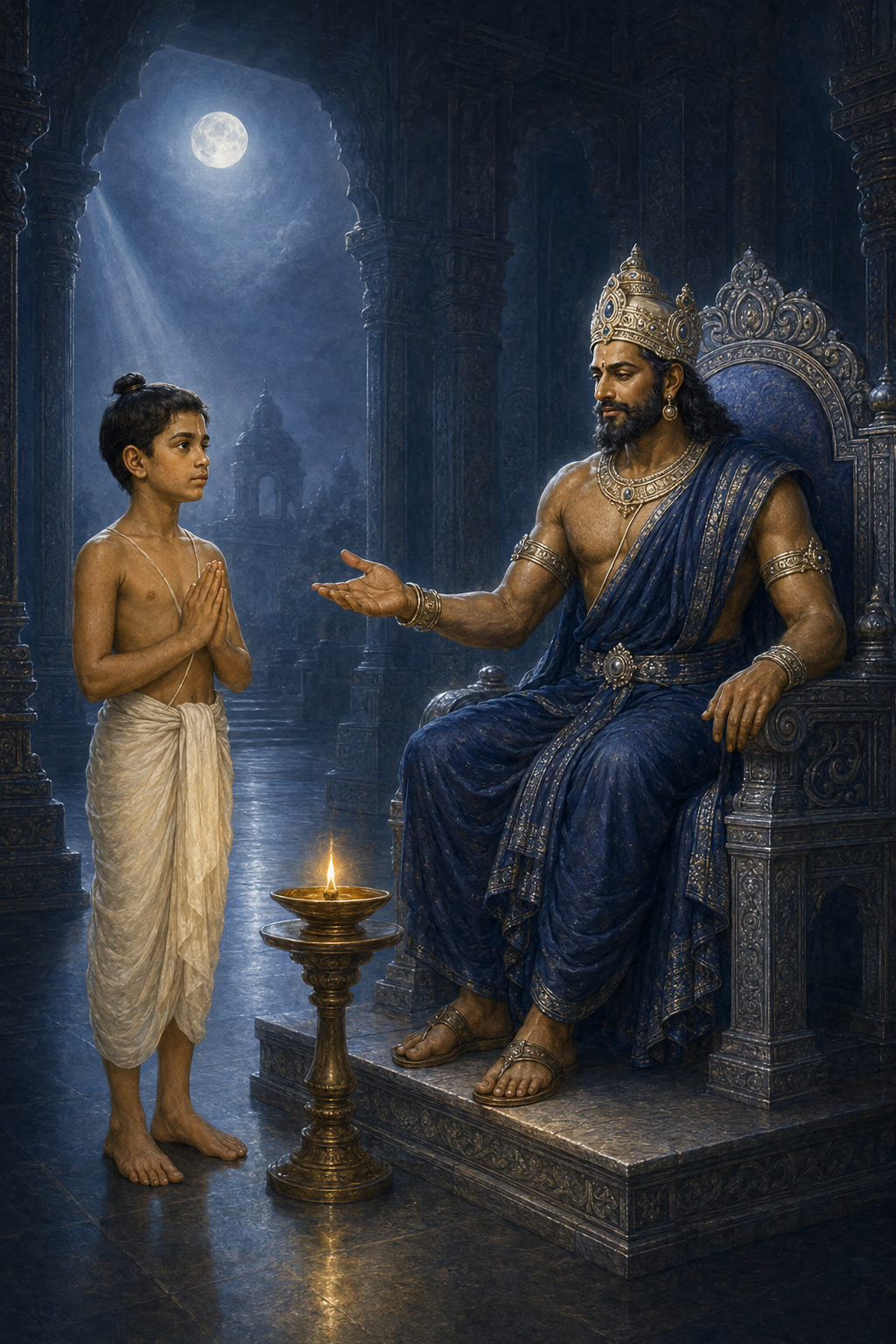
कठोपनिषद् एक कथा से खुलता है: नचिकेता नामक बालक, जिसे उसके पिता ने क्रोध में 'मृत्यु को देता हूँ' कह दिया। पिता का वचन निभाने वह यमलोक जाता है, तीन रात बिना भोजन यम के द्वार पर प्रतीक्षा करता है, और प्रसन्न यम उसे तीन वर देते हैं — यहीं से सबसे गहरा प्रश्न उठता है।
The Katha opens as a story: a boy, Nachiketā, whom his father in anger gives 'to Death.' Keeping his father's word, he goes to Yama's realm, waits three nights at his door without food, and the pleased Yama grants him three boons — and from here the deepest question begins.
॥ शान्तिपाठः ॥Śānti-pāṭha · invocation of peace
ॐ सह नाववतु। सह नौ भुनक्तु। सह वीर्यं करवावहै। तेजस्वि नावधीतमस्तु। मा विद्विषावहै। ॐ शान्तिः शान्तिः शान्तिः ॥
ॐ — वह परमात्मा हम दोनों (गुरु और शिष्य) की एक साथ रक्षा करे, हम दोनों का एक साथ पालन करे; हम एक साथ सामर्थ्य प्राप्त करें; हमारा पढ़ा हुआ ज्ञान तेजस्वी हो; हम परस्पर द्वेष न करें। ॐ शान्ति, शान्ति, शान्ति।
“नचिकेता और यम” ॥ १–२९ ॥ · मूल चित्र — इस परियोजना हेतु
तिस्रो रात्रीर्यदवात्सीर्गृहे मे — नचिकेतो यमसदने
मृत्यु के द्वार पर तीन रात प्रतीक्षा कर चुका निर्भय बालक नचिकेता, और गम्भीर-गरिमामय यम — जो प्रसन्न होकर आत्मविद्या का वरदान देने को हैं।
The fearless boy Naciketā, who waited three nights at Death's door, stands before the grave and majestic Yama — who, moved, is about to grant the knowledge of the deathless Self.
oṁ uśan ha vai vājaśravasaḥ sarvavedasaṁ dadau । tasya ha naciketā nāma putra āsa ॥
वाजश्रवा (गौतम) के पुत्रने (विश्वजित् यज्ञमें) फलकी कामनासे अपना सारा धन दान कर दिया। उसका नचिकेता नामक एक पुत्र था।
Vajashravas (Gautama), desiring the fruit of sacrifice, gave away all his wealth. He had a son named Nachiketa.
सरल अर्थ: कहानी यहाँ से शुरू होती है: नचिकेता के पिता एक बड़ा यज्ञ करते हैं जिसमें अपना सब कुछ दान कर देना होता है।In simple words: The story begins: Nachiketa's father holds a great sacrifice where he is meant to give away everything he owns.
taṁ ha kumāraṁ santaṁ dakṣiṇāsu nīyamānāsu śraddhāviveśa so'manyata ॥
जब वे बालक नचिकेता ही थे, तब दक्षिणारूप गौओंके दिये जाते समय उनमें श्रद्धाका आवेश हुआ; वे विचार करने लगे।
While he was yet a boy, as the cows meant as sacrificial gifts were being led away, faith entered into him, and he reflected thus.
सरल अर्थ: दान की गौएँ ले जाई जा रही थीं, तभी बालक नचिकेता के मन में सच्ची श्रद्धा (गहरी सरोकार-भावना) जाग उठती है, और वह विचार करने लगता है।In simple words: As the gift-cows are led away, a genuine śraddhā — earnest, caring faith — awakens in the boy Nachiketā, and he begins to reflect.
pītodakā jagdhatṛṇā dugdhadohā nirindriyāḥ । anandā nāma te lokāstān sa gacchati tā dadat ॥
जिन गौओंका जल पिया जा चुका, घास खायी जा चुकी, दूध दुहा जा चुका और जो प्रजननशक्तिसे भी रहित हैं — ऐसी गौओंको दान करनेवाला 'अनन्द' (आनन्दशून्य) नामक लोकोंको ही जाता है।
Cows whose water is drunk, whose grass is eaten, whose milk is milked dry, who are barren — joyless are the worlds to which he goes who gives such cows.
सरल अर्थ: नचिकेता ताड़ लेता है कि बेकार, बूढ़ी गायें दान करने से पुण्य नहीं, बल्कि सूना-निरानन्द फल ही मिलता है।In simple words: Nachiketa realises that giving away useless, worn-out cows earns no merit—only joyless, empty worlds.
उसने पितासे कहा — 'हे तात! आप मुझे किसको देंगे?' दूसरी-तीसरी बार पूछनेपर पिताने झुँझलाकर कहा — 'तुझे मृत्युको देता हूँ।'
He said to his father, 'Father, to whom will you give me?' A second and third time he asked; (vexed) the father said to him, 'To Death (Yama) I give you.'
सरल अर्थ: बालक चाहता है कि उसे भी सच्चे मन से दान किया जाए, और बार-बार पूछने पर झुँझलाया पिता कह बैठता है—'तुझे मृत्यु को देता हूँ।'In simple words: The boy wants to be given away too; pestered again and again, his exasperated father snaps, 'I give you to Death.'
(नचिकेताने सोचा —) बहुतोंमें मैं श्रेष्ठ शिष्य या पुत्रके समान हूँ, बहुतोंमें मध्यम तो हूँ ही; फिर यमका ऐसा कौन-सा कार्य है जो आज पिता मुझसे सिद्ध करायेंगे?
(Nachiketa reflected:) Among many I rank as the first, among many as the middling. What duty toward Yama is there that my father will have me accomplish today?
सरल अर्थ: नचिकेता सोचता है—मैं तो अच्छा बेटा हूँ, फिर पिता ने मुझे यमराज को क्यों सौंप दिया?In simple words: Nachiketa wonders—I am a good son, so why has my father handed me over to Death?
(पिताको सान्त्वना देते हुए —) जैसे पूर्वज सत्यपालन करते आये उन्हें देख, और जैसे श्रेष्ठ पुरुष आचरण करते हैं वैसा कर। मनुष्य खेतीके अन्नकी भाँति पककर मर जाता है और अन्नकी भाँति फिर जन्म ले लेता है।
Look back to how the ancients acted, look forward to how the worthy act now. Like grain a mortal ripens (and dies), and like grain is born again.
सरल अर्थ: वह खुद को समझाता है कि मृत्यु तो सबकी निश्चित है—मनुष्य अनाज की तरह पकता-गिरता और फिर उग आता है, इसलिए पिता का वचन निभा देना ही ठीक है।In simple words: He steadies himself: death comes to all—like grain a person ripens, falls, and grows again—so it is right to honour his father's word.
(यमलोकमें नचिकेताके पहुँचनेपर मन्त्री/परिजन यमसे कहते हैं —) ब्राह्मण अतिथि अग्निके समान घरमें प्रवेश करता है; सत्पुरुष उसकी ऐसी शान्ति करते हैं। हे वैवस्वत (यम)! उसके (पाद्य) जल ले आइये।
A brahmana guest enters the house like fire itself; the good make peace-offering to him. O Vaivasvata (Yama), bring water (to receive him).
सरल अर्थ: नचिकेता बिना खाए-पिए तीन दिन यमराज के द्वार पर रुका रहता है, और लौटे यमराज के घरवाले चेताते हैं कि अतिथि का अनादर अशुभ है।In simple words: Nachiketa waits at Death's door three days without food, and Yama's household warns that slighting a guest brings misfortune.
जिसके घरमें ब्राह्मण-अतिथि बिना भोजन किये रह जाता है, उस अल्पबुद्धि पुरुषकी आशा-प्रतीक्षा, सत्संग, मधुर वाणी, इष्ट-पूर्त (यज्ञ व कूप-बाग आदिके) पुण्यफल तथा पुत्र-पशु आदि सब — इन सबको वह अतिथि नष्ट कर देता है।
Hope and expectation, good company and sweet speech, the merit of sacrifices and pious works, sons and cattle — all these the (unfed) guest destroys for the man of little understanding in whose house a brahmana dwells without eating.
सरल अर्थ: वे कहते हैं कि जिसके घर ब्राह्मण अतिथि भूखा रह जाए, उसका सारा पुण्य और सुख नष्ट हो जाता है—इसलिए यमराज जल्दी इस अतिथि का सत्कार करें।In simple words: They warn that a man who lets a brahmin guest go hungry loses all his merit and good fortune—so Yama must hasten to honour this guest.
(यमने वरदान देते हुए कहा —) हे ब्रह्मन्! तुम पूज्य अतिथि होकर तीन रात मेरे घरमें बिना भोजन किये रहे; तुम्हें नमस्कार हो, मेरा कल्याण हो। इसके बदले तुम तीन वर माँग लो।
(Yama granted boons:) O Brahmana, since as a venerable guest you have dwelt three nights in my house without food, let there be salutation to you, and well-being to me; therefore choose three boons in return.
सरल अर्थ: लौटकर यमराज क्षमा माँगते हैं कि अतिथि तीन रात भूखा रहा, और इसकी भरपाई में नचिकेता को तीन वर माँगने को कहते हैं।In simple words: Returning, Yama apologises that his guest stayed three nights unfed, and to make amends invites Nachiketa to ask for three boons.
हे मृत्यो! जिससे मेरे पिता गौतम मेरे प्रति शान्तसंकल्प, प्रसन्नचित्त और क्रोधरहित हो जायँ तथा आपके भेजनेपर मुझे पहचानकर बातचीत करें — यह तीन वरोंमें पहला वर मैं माँगता हूँ।
That my father Gautama be of calmed mind, cheerful, and free from anger toward me, O Death; that he recognise and speak to me, freed by you — this, the first of the three boons, I choose.
सरल अर्थ: पहला वर—नचिकेता अपने लिए कुछ नहीं, बस इतना माँगता है कि उसका पिता शान्त, प्रसन्न और क्रोधमुक्त होकर उसे फिर अपना ले।In simple words: First boon—Nachiketa asks nothing for himself, only that his father be calm, glad, and free of anger, and welcome him home again.
(यमने कहा —) तुम्हारे पिता आरुणि औद्दालकि मेरे द्वारा छोड़े जानेपर पहलेके समान प्रसन्न रहेंगे; मृत्युके मुखसे छूटे हुए तुझे देखकर वे क्रोधरहित होकर रातोंमें सुखपूर्वक सोयेंगे।
Your father Auddalaki Aruni, released by me, shall be cheerful as before; his anger gone, he shall sleep peacefully at night, having seen you set free from the jaws of Death.
सरल अर्थ: यमराज सहर्ष यह वर देते हैं—तेरा पिता तुझे मृत्यु से लौटा देखकर पहले जैसा निश्चिन्त और प्रसन्न रहेगा।In simple words: Yama gladly grants it—your father, seeing you back from Death, will be as content and untroubled as before.
svarge loke na bhayaṁ kiṁcanāsti na tatra tvaṁ na jarayā bibheti । ubhe tīrtvā'śanāyāpipāse śokātigo modate svargaloke ॥
स्वर्गलोकमें किसी प्रकारका भय नहीं है; वहाँ न तू (मृत्यु) है और न वृद्धावस्थासे कोई डरता है। भूख-प्यास दोनोंको पार करके मनुष्य शोकसे ऊपर उठकर स्वर्गलोकमें आनन्दित होता है।
In heaven there is no fear at all; you (Death) are not there, nor does one dread old age. Crossing beyond both hunger and thirst, and rising above sorrow, one rejoices in the world of heaven.
सरल अर्थ: अब नचिकेता परलोक की ओर बढ़ता है—यमराज स्वर्ग का वर्णन करते हैं, वह लोक जहाँ न भय है, न बुढ़ापा, न भूख-प्यास, न शोक।In simple words: Now Nachiketa turns to the hereafter—Yama describes heaven, a realm with no fear, no old age, no hunger or thirst, no sorrow.
हे मृत्यो! आप स्वर्गके साधनभूत अग्निको जानते हैं; श्रद्धालु मुझको उसका उपदेश कीजिये। स्वर्गलोकनिवासी जिस अग्निविद्यासे अमरताको प्राप्त होते हैं, उसे मैं दूसरे वरके रूपमें माँगता हूँ।
You, O Death, know the fire that leads to heaven; declare it to me, who am full of faith. The dwellers in heaven attain immortality (through it) — this I choose with the second boon.
सरल अर्थ: दूसरा वर—नचिकेता स्वर्ग तक ले जानेवाली उस गुप्त अग्नि-विद्या को सीखना चाहता है जिससे मनुष्य अमरता-तुल्य पद पाता है।In simple words: Second boon—Nachiketa asks to learn the secret fire-rite that leads to heaven and an immortality-like state.
pra te bravīmi tadu me nibodha svargyamagniṁ naciketaḥ prajānan । anantalokāptimatho pratiṣṭhāṁ viddhi tvametaṁ nihitaṁ guhāyām ॥
(यमने कहा —) हे नचिकेता! मैं तुझे वह स्वर्गका साधनभूत अग्नि भलीभाँति जानता हुआ बतलाता हूँ, उसे सुन। यह अग्नि अनन्त लोकोंकी प्राप्तिका एवं (जगत्की) प्रतिष्ठाका कारण है — इसे बुद्धिरूप गुहामें स्थित जान।
I will declare it to you; learn it from me, O Nachiketa, for I know well this heaven-bestowing fire. Know it to be the means of attaining the infinite worlds and the support (of all), hidden in the cave (of the intellect).
सरल अर्थ: यमराज प्रसन्न होकर वह अग्नि-विद्या सिखाने लगते हैं, यह संकेत देते हुए कि इसका असली रहस्य हृदय की गुहा में छिपा है।In simple words: Pleased, Yama begins teaching the fire-rite, hinting that its deepest meaning lies hidden in the cave of the heart.
यमराजने उसे लोकोंके आदिकारणरूप उस अग्निका, तथा जैसी-जितनी ईंटें चाहिये और जिस प्रकार चयन किया जाता है — वह सब बतलाया। नचिकेताने भी जैसा कहा गया था वैसा ही दोहरा दिया; तब प्रसन्न होकर मृत्युने फिर कहा।
He told him of that fire, the source of the worlds — what bricks, how many, and in what manner (to lay them). Nachiketa repeated it just as told; then, pleased, Death spoke again.
सरल अर्थ: यमराज पूरी विधि—ईंटों की गिनती और चयन तक—बताते हैं, और नचिकेता उसे ज्यों-का-त्यों दोहरा देता है, जिससे यमराज और प्रसन्न हो जाते हैं।In simple words: Yama explains the whole rite down to the bricks, and Nachiketa repeats it back perfectly—delighting Death even more.
महात्मा (यम) प्रसन्न होकर बोले — आज मैं तुझे एक वर और भी देता हूँ; यह अग्नि तेरे ही नामसे प्रसिद्ध होगा। और इस अनेक रूपोंवाली मालाको भी ग्रहण कर।
The great-souled (Yama), well pleased, said: I grant you here yet another boon today; this fire shall bear your very name. And accept also this garland of many forms.
सरल अर्थ: खुश होकर यमराज एक अतिरिक्त भेंट देते हैं—यह अग्नि अब नचिकेता के ही नाम से जानी जाएगी, साथ में एक दिव्य माला भी।In simple words: Overjoyed, Yama adds a bonus gift—this fire will forever bear Nachiketa's own name, along with a wondrous garland.
जो तीन बार नाचिकेत अग्निका चयन करता है, तीनों (माता-पिता-आचार्य या वेद-स्मृति-सदाचार) से सम्बन्ध जोड़ता है और तीन कर्म (यज्ञ-अध्ययन-दान) करता है, वह जन्म-मृत्युको तर जाता है। ब्रह्मसे उत्पन्न, ज्ञानस्वरूप, स्तुत्य देवको जानकर और उसका अनुभव करके वह अत्यन्त शान्तिको प्राप्त होता है।
He who, thrice meeting the union, performs the threefold rite as the Tri-nachiketa, crosses beyond birth and death. Knowing the adorable, luminous Born-of-Brahman, and realising it, he attains peace utterly and forever.
सरल अर्थ: यमराज बताते हैं कि जो यह अग्नि-साधना तीन बार ठीक से करता है, वह जन्म-मृत्यु के चक्र को पार कर परम शान्ति पा लेता है।In simple words: Yama explains that whoever performs this fire-rite rightly, three times over, crosses beyond birth and death into utter peace.
triṇāciketastrayametadviditvā ya evaṁ vidvāṁścinute nāciketam । sa mṛtyupāśānpurataḥ praṇodya śokātigo modate svargaloke ॥
जो विद्वान् इस त्रिक (तीन कर्म/तीन सम्बन्ध) को जानकर इस प्रकार नाचिकेत अग्निका चयन करता है, वह मृत्युके बन्धनोंको पहले ही तोड़कर शोकसे पार होकर स्वर्गलोकमें आनन्दित होता है।
The knower who, understanding this triad, thus piles the Nachiketa fire — he, casting off the snares of death beforehand and passing beyond sorrow, rejoices in the world of heaven.
सरल अर्थ: इसी फल को दोहराते हुए यमराज कहते हैं—जो इसका रहस्य समझकर साधना करता है, वह मृत्यु के बन्धन तोड़कर शोक-रहित आनन्द पाता है।In simple words: Repeating the reward, Yama says the one who grasps its meaning and does it snaps Death's snares and enters sorrowless joy.
हे नचिकेता! यह तेरा वह स्वर्गका साधनभूत अग्नि है जिसे तूने दूसरे वरसे माँगा था; लोग इस अग्निको तेरे ही नामसे कहेंगे। अब तीसरा वर माँग ले।
This is your heaven-bestowing fire, O Nachiketa, which you chose with the second boon; men will call this fire by your very name. Now, Nachiketa, choose the third boon.
सरल अर्थ: यमराज दूसरा वर पूरा होने की घोषणा करते हैं—यह अग्नि तेरे ही नाम से प्रसिद्ध होगी—और अब तीसरा वर माँगने को कहते हैं।In simple words: Yama declares the second boon fulfilled—this fire will bear your name—and now invites the third request.
मनुष्यके मरनेपर जो यह सन्देह होता है कि कोई (आत्मा) रहता है — ऐसा कुछ कहते हैं, और कोई कहते हैं 'नहीं रहता' — इसे मैं आपसे शिक्षा पाकर जान सकूँ; यही वरोंमें तीसरा वर है।
This doubt that arises about a departed man — some say 'he exists,' others say 'he does not' — this I would know, taught by you. This is the third of the boons.
सरल अर्थ: तीसरा वर—नचिकेता वह सबसे बड़ा सवाल पूछता है: मृत्यु के बाद मनुष्य का कुछ बचता है या नहीं? यही उसे जानना है।In simple words: Third boon—Nachiketa asks the biggest question of all: after death, does something of a person remain, or not? This is what he wants to know.
devairatrāpi vicikitsitaṁ purā na hi sujñeyamaṇureṣa dharmaḥ । anyaṁ varaṁ naciketo vṛṇīṣva mā moparotsīrati mā sṛjainam ॥
(यमने कहा —) इस विषयमें पहले देवताओंने भी सन्देह किया था; यह सूक्ष्म धर्म सहजमें जाननेयोग्य नहीं है। हे नचिकेता! कोई दूसरा वर माँग ले; मुझे आग्रहसे मत बाँध, इस वरसे मुझे मुक्त कर दे।
Even the gods of old were in doubt about this; this subtle truth is not easily known. Choose another boon, O Nachiketa; do not press me — release me from this.
सरल अर्थ: यमराज टालने की कोशिश करते हैं—यह रहस्य इतना सूक्ष्म है कि देवता तक इसमें उलझ गए थे; नचिकेता कोई और वर माँग ले।In simple words: Yama tries to dodge it—this mystery is so subtle that even the gods were baffled; let Nachiketa ask for something else.
devairatrāpi vicikitsitaṁ kila tvaṁ ca mṛtyo yanna sujñeyamāttha । vaktā cāsya tvādṛganyo na labhyo nānyo varastulya etasya kaścit ॥
(नचिकेताने कहा —) हे मृत्यो! जब इस विषयमें देवता भी सन्देहयुक्त रहे, और आप स्वयं भी कहते हैं कि यह सहजमें जाननेयोग्य नहीं — तो इसका आपके समान वक्ता दूसरा नहीं मिलेगा; और इस वरके तुल्य कोई दूसरा वर भी नहीं है।
Even the gods, O Death, were in doubt here, and you yourself say it is not easily known. No other teacher of this like you can be found, nor is there any boon equal to this.
सरल अर्थ: नचिकेता डटा रहता है—जब देवता भी संशय में रहे और आप जैसा गुरु दूसरा नहीं, तो इससे बढ़कर वर भला क्या होगा?In simple words: Nachiketa holds firm—if even the gods were unsure and no teacher equals you, then no boon could ever be greater than this.
(यमने प्रलोभन देते हुए कहा —) सौ वर्षकी आयुवाले पुत्र-पौत्र माँग ले, बहुत-से पशु, हाथी, सुवर्ण और घोड़े माँग ले, पृथ्वीका विशाल राज्य माँग ले, और स्वयं भी जितने वर्ष चाहे जीवित रह।
Choose sons and grandsons who live a hundred years, many cattle, elephants, gold and horses; choose a vast domain of earth, and live yourself as many autumns as you wish.
सरल अर्थ: यमराज परीक्षा लेने को लालच देते हैं—लम्बी उम्र के बेटे-पोते, ढेरों पशु-सोना-घोड़े, विशाल राज्य और मनचाही आयु माँग ले।In simple words: Yama tempts him as a test—ask instead for long-lived sons, herds of cattle, gold, horses, a vast kingdom, and as long a life as you wish.
यदि तू इसके समान कोई और वर माने तो वह भी माँग ले — धन और दीर्घ जीवन भी। हे नचिकेता! तू इस विशाल भूमिपर राजा होकर रह; मैं तुझे सब कामनाओंका भोक्ता बना देता हूँ।
If you think any boon equal to this, choose it — wealth and long life too. Be a great king upon the wide earth, O Nachiketa; I make you the enjoyer of all desires.
सरल अर्थ: यमराज और बढ़ाकर कहते हैं—धन, दीर्घायु, समूची धरती का राज—जो चाहे माँग, मैं तुझे हर भोग का स्वामी बना दूँगा।In simple words: Yama raises the offer—wealth, long life, rule over the whole earth—ask anything; I will make you the lord of every pleasure.
ye ye kāmā durlabhā martyaloke sarvānkāmāṁśchandataḥ prārthayasva । imā rāmāḥ sarathāḥ satūryā na hīdṛśā lambhanīyā manuṣyaiḥ । ābhirmatprattābhiḥ paricārayasva naciketo maraṇaṁ mānuprākṣīḥ ॥
मनुष्यलोकमें जो-जो भोग दुर्लभ हैं, उन सबको इच्छानुसार माँग ले। ये रथ और बाजोंसहित दिव्य अप्सराएँ हैं — ऐसी मनुष्योंको मिल नहीं सकतीं; मेरी दी हुई इनसे तू अपनी सेवा करा। हे नचिकेता! मरणके विषयमें प्रश्न मत कर।
Whatever desires are hard to win in the world of mortals, ask for them all at your pleasure. Here are heavenly nymphs with chariots and music, such as men cannot obtain — be served by these, my gift. But, Nachiketa, do not ask about death.
सरल अर्थ: यमराज सबसे बड़ा प्रलोभन देते हैं—रथ, संगीत और दिव्य अप्सराएँ, जो मनुष्यों को कभी नहीं मिलतीं—बस मृत्यु का सवाल छोड़ दे।In simple words: Yama dangles the ultimate lure—chariots, music, and heavenly maidens beyond any mortal's reach—just drop the question about death.
(नचिकेताने कहा —) हे अन्तक (यम)! ये भोग कल रहेंगे या नहीं — संदिग्ध हैं; और ये सब इन्द्रियोंके तेजको क्षीण कर देते हैं। यह सारा जीवन भी बहुत थोड़ा ही है। आपके ही पास रहें ये वाहन तथा नाच-गान।
These pleasures, O Ender, last but till tomorrow, and they wear away the vigour of all the senses. The whole of life, too, is but brief. Keep your chariots, your dance and song to yourself.
सरल अर्थ: नचिकेता सब ठुकरा देता है—ये सुख तो कल टिकेंगे भी या नहीं, और इन्द्रियों को घिसा डालते हैं; अपने नाच-गान आप ही रखिए।In simple words: Nachiketa refuses it all—these pleasures may not even last till tomorrow and only wear out the senses; keep your dance and song for yourself.
na vittena tarpaṇīyo manuṣyo lapsyāmahe vittamadrākṣma cettvā । jīviṣyāmo yāvadīśiṣyasi tvaṁ varastu me varaṇīyaḥ sa eva ॥
मनुष्य धनसे तृप्त नहीं किया जा सकता। अब जब हम आपको देख चुके हैं तो धन तो हम पा ही लेंगे, और जबतक आप शासन करेंगे तबतक जीवित भी रहेंगे। अतः मेरे माँगनेयोग्य वर तो वही (आत्मज्ञान) है।
A man cannot be satisfied by wealth. Now that we have seen you, we shall get wealth; we shall live as long as you rule. The boon worth my choosing is that one alone.
सरल अर्थ: वह दो-टूक कहता है—धन से मनुष्य कभी तृप्त नहीं होता; आपको पा लिया तो बाकी सब मिल ही जाएगा—मुझे तो बस वही उत्तर चाहिए।In simple words: He says plainly—no amount of wealth ever satisfies a man; having met you, the rest will follow—the only boon I want is that one answer.
ajīryatāmamṛtānāmupetya jīryanmartyaḥ kvadhaḥsthaḥ prajānan । abhidhyāyanvarṇaratipramodānatidīrghe jīvite ko rameta ॥
जो जरा-मरणसे रहित अमरों (देवताओं) के समीप पहुँचकर ज्ञान पा लेता है, वह नीचे पृथ्वीपर रहनेवाला, जरा-मृत्युशील मनुष्य भला रूप-रति आदि क्षणिक सुखोंको असार समझकर अति दीर्घ जीवनमें भी क्यों रमेगा?
What decaying mortal here below, having approached and known the undecaying immortals, and reflecting (on the worthlessness of beauty, pleasure and enjoyment), could delight in a long life?
सरल अर्थ: जिसने अमर देवों के पास पहुँचकर ज्ञान की झलक पा ली, वह क्षणभंगुर सुखों की असारता जान लेता है—फिर लम्बी उम्र में भी रस कैसा?In simple words: Once you've glimpsed the deathless and seen how fleeting pleasures are, even a long life loses its charm—why cling to it?
हे मृत्यो! जिस (परलोकगत आत्मा) के विषयमें लोग सन्देह करते हैं, और जो महान् परलोकके विषयमें (रहस्यभूत) है — वह हमें बतलाइये। यह वर जो गूढ़ रहस्यमें प्रविष्ट है, उसके सिवा नचिकेता दूसरा कोई वर नहीं माँगता।
Tell us that, O Death, about which men doubt, that which concerns the great hereafter. Other than this boon, which has entered into the hidden mystery, Nachiketa chooses none.
सरल अर्थ: नचिकेता अंत में अपनी माँग पर अडिग रहता है—मृत्यु के पार के उस छिपे रहस्य के सिवा वह और कुछ नहीं चाहता।In simple words: Nachiketa stands unshaken to the end—he will accept nothing but the hidden truth of what lies beyond death.
॥ इति कठोपनिषदि प्रथमाध्याये प्रथमा वल्ली ॥
॥ इस प्रकार कठोपनिषद् के प्रथम अध्याय की प्रथमा वल्ली समाप्त ॥