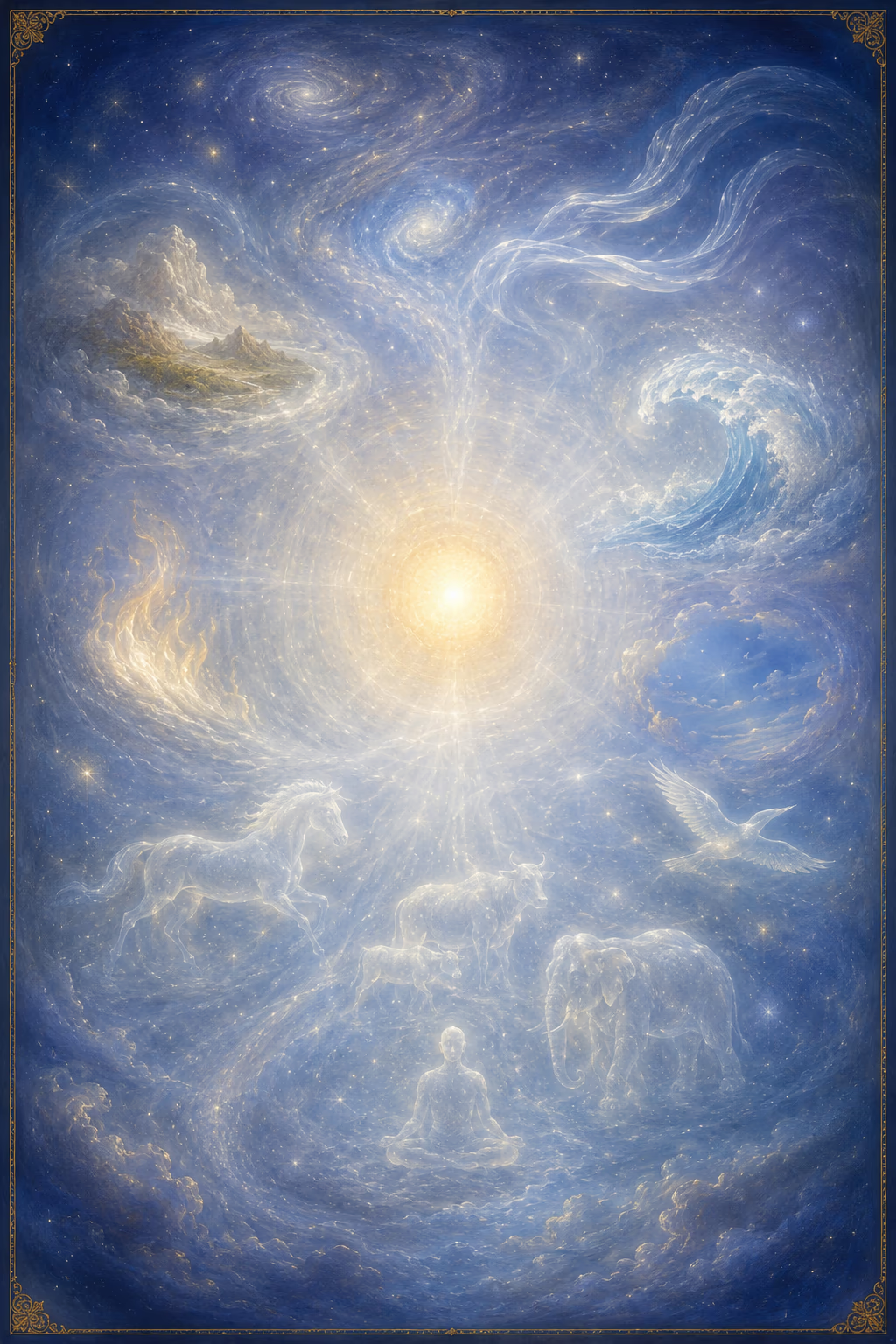
'यह आत्मा, जिसकी हम उपासना करते हैं, है कौन?' — जिससे हम देखते, सुनते, सूँघते, बोलते और स्वाद लेते हैं। मन के सारे व्यापार — संकल्प, स्मृति, बुद्धि, दृष्टि — सब प्रज्ञान (चेतना) ही हैं। समस्त देवता, भूत और यह जगत् चेतना पर टिके हैं। महावाक्य: 'प्रज्ञानं ब्रह्म' — चेतना ही ब्रह्म है। इसी से ज्ञानी अमृत को प्राप्त होता है।
'Who is this Self we worship?' — that by which we see, hear, smell, speak, and taste. All the workings of mind — will, memory, intelligence, insight — are but consciousness (prajñāna). All gods, beings, and this whole world rest on consciousness. The great saying: 'prajñānam brahma' — consciousness IS Brahman. By this the sage rises to the deathless.
“प्रज्ञानं ब्रह्म” ॥ १–४ ॥ · मूल चित्र — इस परियोजना हेतु
हम जिसकी उपासना करते हैं वह यह आत्मा कौन है? वह कौन-सा आत्मा है जिसके द्वारा (प्राणी) देखता है, जिससे सुनता है, जिससे गन्धोंको सूँघता है, जिससे वाणीका विश्लेषण करता है और जिससे स्वादु तथा अस्वादुको जानता है?
"Who is this Self whom we worship?" — which is that Self? The one by which one sees, by which one hears, by which one smells odours, by which one articulates speech, and by which one discerns the tasty and the tasteless.
सरल अर्थ: किसी दूर के देवता को खोजने से पहले यह उपनिषद हमें उसी की ओर मोड़ देता है जो अभी हमारे भीतर देख, सुन, सूँघ और चख रहा है—असली सवाल तो उसी 'जाननेवाले' के बारे में है।In simple words: Before naming any faraway god, the text turns us toward the one aware presence that is right now doing the seeing, hearing, smelling and tasting in us — that knower is what we should really be asking about.
यह जो हृदय है वही मन भी है। संज्ञान (चेतनता), आज्ञान (ईश्वरभाव/प्रभुता), विज्ञान, प्रज्ञान, मेधा, दृष्टि, धृति, मति, मनीषा, जूति, स्मृति, संकल्प, क्रतु, असु (प्राण), काम और वश—ये सब प्रज्ञान (चैतन्य) के ही नाम हैं।
This heart (intellect) is verily this mind. Sentience, command, understanding, wisdom, intelligence, insight, steadfastness, thought, deliberation, impulse, memory, resolve, will, life-breath, desire, control — all these are but names of Consciousness (Prajñāna).
सरल अर्थ: सोचना, याद रखना, तय करना, चाहना, समझना—इन मन के जितने भी नाम हैं, वे सब एक ही चेतना के अलग-अलग नाम हैं।In simple words: All the many words we use for thinking, remembering, deciding, wanting and understanding are just different names for one and the same awareness.
eṣa brahmaiṣa indra eṣa prajāpatirete sarve devā imāni ca pañca mahābhūtāni pṛthivī vāyurākāśa āpo jyotīṁṣītyetānīmāni ca kṣudramiśrāṇīva bījānītarāṇi cetarāṇi cāṇḍajāni ca jārujāni ca svedajāni codbhijjāni cāśvā gāvaḥ puruṣā hastino yatkiṁcedaṁ prāṇi jaṅgamaṁ ca patatri ca yacca sthāvaraṁ sarvaṁ tatprajñānetram । prajñāne pratiṣṭhitaṁ prajñānetro lokaḥ prajñā pratiṣṭhā prajñānaṁ brahma ॥
यह (प्रज्ञानरूप आत्मा) ही ब्रह्म है, यही इन्द्र है, यही प्रजापति है, यही ये सब देवता तथा पृथिवी, वायु, आकाश, जल और तेज—ये पाँच महाभूत हैं; यही क्षुद्र जीवोंसहित उनके बीज और अन्य अण्डज, जरायुज, स्वेदज, उद्भिज्ज तथा अश्व, गौ, मनुष्य और हाथी हैं; और जो कुछ भी जंगम, आकाशमें उड़नेवाले एवं स्थावर प्राणी हैं—वह सब प्रज्ञानसे परिचालित तथा प्रज्ञानमें प्रतिष्ठित है। यह लोक प्रज्ञान-नेत्रवाला है, प्रज्ञा ही (सबकी) प्रतिष्ठा है। प्रज्ञान ही ब्रह्म है।
This (Self, of the nature of consciousness) is Brahman; it is Indra; it is Prajapati; it is all these gods and these five great elements — earth, air, ether, water, light; it is these beings small and mixed and their seeds, and the others — the egg-born, womb-born, sweat-born, sprout-born; horses, cattle, men, elephants; whatever breathes here, moving and flying and stationary — all that is guided by consciousness and established in consciousness. The world is guided by consciousness; consciousness is its foundation. Consciousness is Brahman (Prajñānam Brahma).
सरल अर्थ: जिस चेतना से तुम कुछ भी जान पाते हो, वही हर देवता, हर तत्त्व और हर प्राणी को थामे और चलाए हुए है—और यही चेतना वह अंतिम सत्य है जिसे 'ब्रह्म' कहते हैं।In simple words: The same consciousness that lets you know anything is what steadies and moves every god, every element and every creature — and this consciousness is the ultimate reality called Brahman.
sa etena prajñenātmanāsmāllokādutkramyāmuṣminsvarge loke sarvānkāmānāptvāmṛtaḥ samabhavatsamabhavat ॥
वह (वामदेव) इस प्रज्ञानरूप (चैतन्य) आत्माके द्वारा ही इस लोकसे उत्क्रमण करके उस स्वर्गलोकमें सम्पूर्ण कामनाओंको प्राप्तकर अमर हो गया, अमर हो गया।
He (Vamadeva), by means of this Self which is Consciousness, rose up out of this world and, having attained all desires in that heavenly world, became immortal — became immortal.
सरल अर्थ: यही पहचान—अपने को चेतना ही जान लेना—वामदेव को मृत्यु के पार ले गई, यह दिखाते हुए कि किसी और जगह पहुँचना नहीं, बल्कि यही जान लेना ही मुक्ति है।In simple words: It was this very recognition — knowing himself as consciousness itself — that carried Vamadeva beyond death, showing that such knowing, and not arriving somewhere else, is itself the freedom.
प्रज्ञानं ब्रह्म — चेतना को ही पहचाननाPrajñānam brahma — recognizing awareness itself
ऐतरेय ३·३ ('प्रज्ञानं ब्रह्म') के आधार पर — उस सहज चेतना को, जिससे तुम कुछ भी जानते हो, उसी परम सत्य (ब्रह्म) के रूप में पहचानना जिसकी ओर उपनिषद् इशारा करता है; कोई विशेष अवस्था पाना नहीं, बल्कि जो पहले से जान रहा है उसे देख लेना।Grounded in Aitareya 3.3 ('prajñānam brahma') — to recognize the plain awareness by which you know anything at all AS the very reality (Brahman) the Upaniṣad points to; not to reach a special state, but to notice what is already knowing.
शान्त होकर बैठें, आँखें कोमलता से बन्द करें, साँस को स्वाभाविक रूप से ठहरने दें।Sit quietly, close the eyes softly, let the breath settle naturally.
ध्यान दें कि इस समय तुम सजग हो — ध्वनियों, संवेदनाओं, विचारों के प्रति। यह 'जानना' बिना प्रयास के, पहले से ही यहाँ है।Notice that right now you are aware — of sounds, sensations, thoughts. This knowing is effortless, already here.
किसी विशेष अनुभव की खोज न करें; बस उस चेतना को ही पहचानें — वह प्रकाश जिसमें सब कुछ प्रकट होता है।Don't look for a special experience; just recognize the awareness itself — the light in which everything appears.
ऐतरेय कहता है: दर्शन, स्मृति, संकल्प, जीवन — सब 'प्रज्ञान' (चेतना) ही है; और 'प्रज्ञानं ब्रह्म' — यही चेतना ब्रह्म है। इसी पहचान में टिकें: जो जान रहा है वह छोटा या अलग नहीं।Aitareya says: perception, memory, will, life itself — all is 'prajñāna' (consciousness); and 'prajñānam brahma' — this very consciousness is Brahman. Rest in that recognition: what is aware is not small or separate.
जब विषयों में बह जाएँ, कोमलता से लौटें: 'और यह भी उसी एक चेतना से जाना जा रहा है।'When you drift into objects, gently return: 'and this too is known by the same awareness.'
कुछ मिनट केवल जानने-रूप चेतना के रूप में रहें, उसमें कुछ जोड़े बिना।Rest a few minutes simply as knowing-awareness, without adding anything to it.
अवधि: Duration: १०–१५ मिनट10–15 minutes
क्या देखें: What to notice: देखें कि 'मैं पहले से सजग हूँ' — इस पहचान से कोई शान्त स्थिरता आती है या नहीं। ध्यान दें: यह चेतना विचारों की तरह आती-जाती नहीं; क्या बदलते हुए के पीछे किसी स्थिर की झलक मिलती है?Notice whether recognizing 'I am already aware' brings a quiet steadiness. See if the awareness doesn't come and go like thoughts — is there a sense of something constant behind the changing?
सावधानी: Take care: यह एक कोमल पहचान है — कोई प्राणायाम नहीं, कोई दीक्षा आवश्यक नहीं। यदि सिर भारी या अवास्तविक लगे, तो आँखें खोलकर शरीर के साथ विश्राम करें। यह किसी अवस्था को बलपूर्वक लाना नहीं, बल्कि जो पहले से उपस्थित है उसे देखना है; तीव्र पीड़ा में यह किसी सहायता का विकल्प नहीं।This is a gentle recognition — no breathwork, no initiation. If it feels heady or unreal, open your eyes and rest with the body. It is not forcing a state but noticing what is already present; no substitute for support with acute distress.
अनुभव · स्वयं देखेंAnubhava · see for yourself
आज एक बार रुककर मन-ही-मन कहें 'मैं सजग हूँ' — और संसार को उसी चेतना में प्रकट होते हुए देखें। क्या एक क्षण की भी स्थिरता या विस्तार का भाव खुला?
Once today, pause and silently note 'I am aware' — and see the world as appearing IN that awareness. Did even a moment of steadiness or spaciousness open?
॥ इति ऐतरेयोपनिषत्समाप्ता ॥
॥ इस प्रकार ऐतरेयोपनिषद् समाप्त ॥
ॐ वाङ् मे मनसि प्रतिष्ठिता मनो मे वाचि प्रतिष्ठितमाविरावीर्म एधि। वेदस्य म आणीस्थः श्रुतं मे मा प्रहासीः। अनेनाधीतेनाहोरात्रान्सन्दधाम्यृतं वदिष्यामि। सत्यं वदिष्यामि। तन्मामवतु। तद्वक्तारमवतु। अवतु मामवतु वक्तारमवतु वक्तारम्॥ ॐ शान्तिः शान्तिः शान्तिः ॥
ॐ — मेरी वाणी मन में प्रतिष्ठित हो और मन मेरी वाणी में; हे स्वयंप्रकाश ब्रह्म, मुझे प्रकट होओ। वाणी और मन मेरे लिये वेद का आधार बनें; जो मैंने सुना है वह मुझसे न छूटे। दिन-रात मैं इसी अध्ययन में जुड़ा रहूँ; मैं सत्य बोलूँ, ऋत (यथार्थ) बोलूँ। वह ब्रह्म मेरी रक्षा करे, वक्ता की रक्षा करे। ॐ शान्ति, शान्ति, शान्ति।