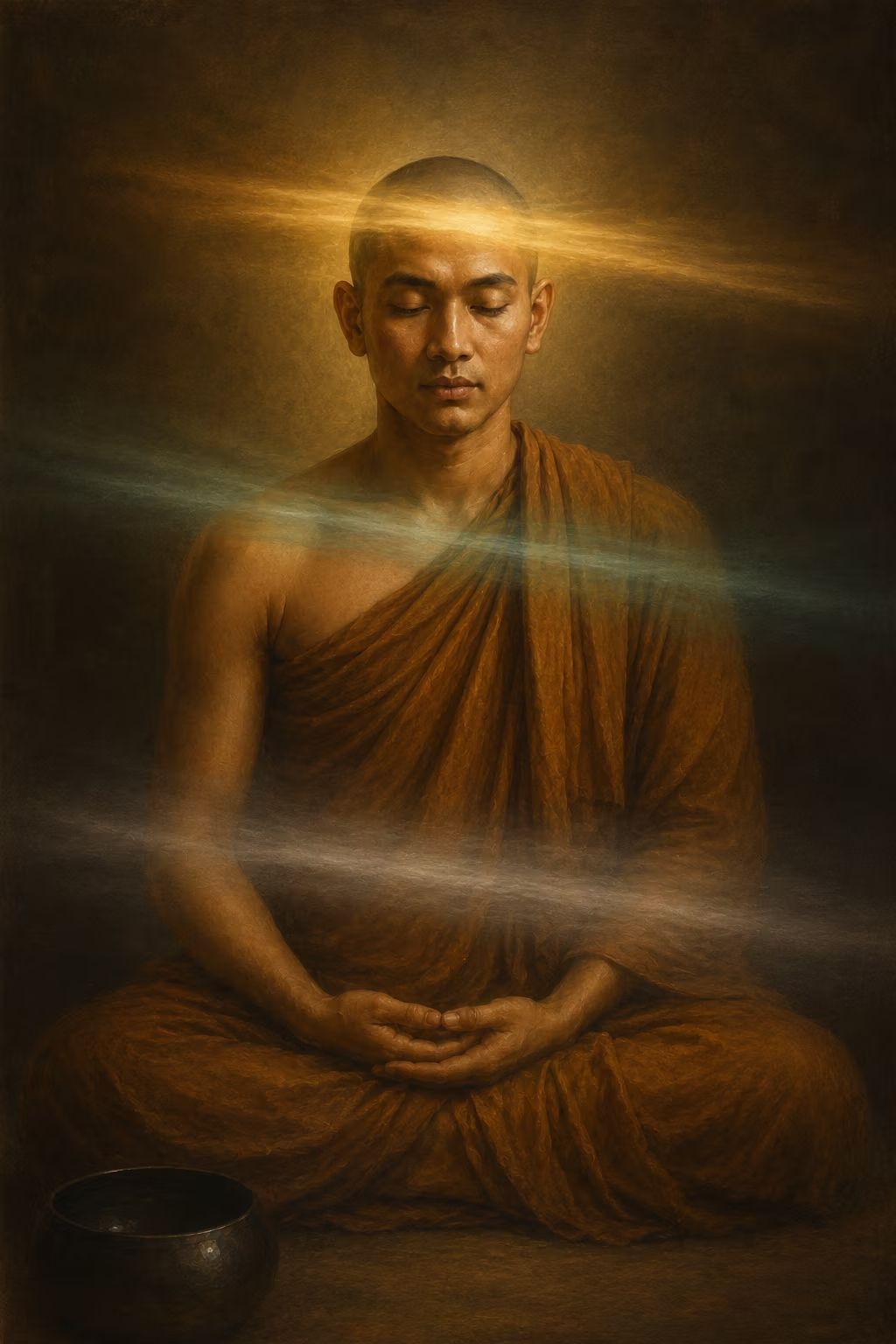
“Every moment arrives pleasant, unpleasant, or neutral — just known.”
तीन कोमल रंग शांत मुख पर आते और बीत जाते हैं।
Three soft colours of feeling wash over a serene face and pass.
दूसरी आधारशिला। हर अनुभव के नीचे एक अनुभूति-रस बहता है — सुखद, दुखद या तटस्थ — और प्रायः हम उसे पहचानने से पहले ही उस पर प्रतिक्रिया कर बैठते हैं। यहाँ भिक्षु उस रस को उठते ही जानना सीखता है: सुखद को सुखद, दुखद को दुखद, तटस्थ को तटस्थ; और आगे, वह ‘सामिष’ (सांसारिक, इन्द्रिय-जनित) है या ‘निरामिष’ (आध्यात्मिक, शान्ति और विराग से उपजा)। रस को पकड़ लेना ही अनुभूति और प्रतिक्रिया के बीच के छिपे कब्ज़े को पा लेना है।
The second foundation. Beneath every experience runs a feeling-tone — pleasant, painful, or neutral — and we usually react to it before we even notice it. Here the monk learns to know the tone as it arises: pleasant known as pleasant, painful as painful, neutral as neutral; and further, whether it is “of the flesh” (worldly, sense-based) or “not of the flesh” (spiritual, arising from calm and renunciation). To catch the tone is to find the hidden hinge between feeling and reaction.
“Every moment arrives pleasant, unpleasant, or neutral — just known.”
तीन कोमल रंग शांत मुख पर आते और बीत जाते हैं।
Three soft colours of feeling wash over a serene face and pass.
Kathañca, bhikkhave, bhikkhu vedanāsu vedanānupassī viharati?
कैसे भिक्षुओ! भिक्षु वेदनाओंमें वेदनानुपश्यी (हो) विहरता है?
And how does a mendicant meditate observing an aspect of feelings?
सरल अर्थ: और भिक्षु वेदनाओं (अनुभूतियों) में वेदना को कैसे देखता है? In simple words: And how does a monk keep observing feelings as feelings?
Idha, bhikkhave, bhikkhu sukhaṁ vā vedanaṁ vedayamāno ‘sukhaṁ vedanaṁ vedayāmī’ti pajānāti.
भिक्षुओ! भिक्षु सुख-वेदनाको अनुभव करते ‘सुख-वेदना अनुभव कर रहा हूँ’—जानता है।
It’s when a mendicant who feels a pleasant feeling knows: ‘I feel a pleasant feeling.’
सरल अर्थ: सुखद अनुभूति होने पर जानता है ‘सुखद अनुभूति हो रही है’। In simple words: Feeling a pleasant feeling, he knows ‘I feel a pleasant feeling.’
Dukkhaṁ vā vedanaṁ vedayamāno ‘dukkhaṁ vedanaṁ vedayāmī’ti pajānāti.
दुःख-वेदनाको अनुभव करते ‘दुःख-वेदना अनुभव कर रहा हूँ’—जानता है।
When they feel a painful feeling, they know: ‘I feel a painful feeling.’
सरल अर्थ: दुखद अनुभूति होने पर जानता है ‘दुखद अनुभूति हो रही है’। In simple words: Feeling a painful feeling, he knows ‘I feel a painful feeling.’
Adukkhamasukhaṁ vā vedanaṁ vedayamāno ‘adukkhamasukhaṁ vedanaṁ vedayāmī’ti pajānāti.
अदुःख-असुख वेदनाको अनुभव करते ‘अदुःख-असुख-वेदना अनुभव कर रहा हूँ’—जानता है।
When they feel a neutral feeling, they know: ‘I feel a neutral feeling.’
सरल अर्थ: तटस्थ (न सुख न दुःख) अनुभूति होने पर जानता है ‘तटस्थ अनुभूति हो रही है’। In simple words: Feeling a neutral feeling, he knows ‘I feel a neutral feeling.’
Sāmisaṁ vā sukhaṁ vedanaṁ vedayamāno ‘sāmisaṁ sukhaṁ vedanaṁ vedayāmī’ti pajānāti.
सांसारिक (सामिष) सुख वेदना का अनुभव करते हुए ‘मैं सांसारिक सुख अनुभव कर रहा हूँ’ — ऐसा जानता है।
When they feel a pleasant feeling of the flesh, they know: ‘I feel a pleasant feeling of the flesh.’
सरल अर्थ: इन्द्रिय-जनित (सांसारिक) सुख को वैसा ही पहचानता है। In simple words: Feeling a worldly (carnal) pleasant feeling, he knows it as such.
Nirāmisaṁ vā sukhaṁ vedanaṁ vedayamāno ‘nirāmisaṁ sukhaṁ vedanaṁ vedayāmī’ti pajānāti.
आध्यात्मिक (निरामिष) सुख वेदना का अनुभव करते हुए ‘मैं आध्यात्मिक सुख अनुभव कर रहा हूँ’ — ऐसा जानता है।
When they feel a pleasant feeling not of the flesh, they know: ‘I feel a pleasant feeling not of the flesh.’
सरल अर्थ: शान्ति/विराग-जनित (आध्यात्मिक) सुख को वैसा ही पहचानता है। In simple words: Feeling a spiritual (unworldly) pleasant feeling, he knows it as such.
Sāmisaṁ vā dukkhaṁ vedanaṁ vedayamāno ‘sāmisaṁ dukkhaṁ vedanaṁ vedayāmī’ti pajānāti.
सांसारिक (सामिष) दुःख वेदना का अनुभव करते हुए ‘मैं सांसारिक दुःख अनुभव कर रहा हूँ’ — ऐसा जानता है।
When they feel a painful feeling of the flesh, they know: ‘I feel a painful feeling of the flesh.’
सरल अर्थ: सांसारिक (इन्द्रिय-जनित) दुःख को वैसा ही पहचानता है। In simple words: Feeling a worldly painful feeling, he knows it as such.
Nirāmisaṁ vā dukkhaṁ vedanaṁ vedayamāno ‘nirāmisaṁ dukkhaṁ vedanaṁ vedayāmī’ti pajānāti.
आध्यात्मिक (निरामिष) दुःख वेदना का अनुभव करते हुए ‘मैं आध्यात्मिक दुःख अनुभव कर रहा हूँ’ — ऐसा जानता है।
When they feel a painful feeling not of the flesh, they know: ‘I feel a painful feeling not of the flesh.’
सरल अर्थ: आध्यात्मिक दुःख (मुक्ति-हेतु उठी बेचैनी) को वैसा ही पहचानता है। In simple words: Feeling a spiritual painful feeling, he knows it as such.
Sāmisaṁ vā adukkhamasukhaṁ vedanaṁ vedayamāno ‘sāmisaṁ adukkhamasukhaṁ vedanaṁ vedayāmī’ti pajānāti.
सांसारिक (सामिष) तटस्थ वेदना का अनुभव करते हुए ‘मैं सांसारिक तटस्थ वेदना अनुभव कर रहा हूँ’ — ऐसा जानता है।
When they feel a neutral feeling of the flesh, they know: ‘I feel a neutral feeling of the flesh.’
सरल अर्थ: सांसारिक तटस्थ अनुभूति को वैसा ही पहचानता है। In simple words: Feeling a worldly neutral feeling, he knows it as such.
Nirāmisaṁ vā adukkhamasukhaṁ vedanaṁ vedayamāno ‘nirāmisaṁ adukkhamasukhaṁ vedanaṁ vedayāmī’ti pajānāti.
आध्यात्मिक (निरामिष) तटस्थ वेदना का अनुभव करते हुए ‘मैं आध्यात्मिक तटस्थ वेदना अनुभव कर रहा हूँ’ — ऐसा जानता है।
When they feel a neutral feeling not of the flesh, they know: ‘I feel a neutral feeling not of the flesh.’
सरल अर्थ: आध्यात्मिक तटस्थ (गहन समता) अनुभूति को वैसा ही पहचानता है। In simple words: Feeling a spiritual neutral feeling, he knows it as such.
Iti ajjhattaṁ vā vedanāsu vedanānupassī viharati, bahiddhā vā vedanāsu vedanānupassī viharati, ajjhattabahiddhā vā vedanāsu vedanānupassī viharati;
इस प्रकार वह भीतर वेदनाओं में वेदना का अनुदर्शन करता हुआ विहरता है, बाहर वेदनाओं में, और भीतर-बाहर दोनों में वेदना का अनुदर्शन करता हुआ विहरता है;
And so they meditate observing an aspect of feelings internally, externally, and both internally and externally.
सरल अर्थ: इस देखने को वह अपनी वेदनाओं में, दूसरों की वेदनाओं में, और दोनों में लगाता है। In simple words: He keeps observing feelings as feelings internally, externally, and both.
samudayadhammānupassī vā vedanāsu viharati, vayadhammānupassī vā vedanāsu viharati, samudayavayadhammānupassī vā vedanāsu viharati.
अथवा वेदनाओं में समुदय-धर्म (उत्पत्ति) का अनुदर्शन करता हुआ विहरता है, वय-धर्म (व्यय) का, अथवा समुदय-वय दोनों का अनुदर्शन करता हुआ विहरता है।
With respect to feelings, they meditate observing the liability to originate, to vanish, and to originate and vanish.
सरल अर्थ: वह देखता है कि वेदनाएँ उठती हैं, मिटती हैं, उठती-और-मिटती रहती हैं। In simple words: He observes how feelings arise, vanish, and both.
‘Atthi vedanā’ti vā panassa sati paccupaṭṭhitā hoti. Yāvadeva ñāṇamattāya paṭissatimattāya anissito ca viharati, na ca kiñci loke upādiyati.
अथवा ‘वेदना है’ — इतनी ही उसकी स्मृति उपस्थित रहती है, केवल ज्ञान-मात्र और स्मृति-मात्र के लिये। और वह अनिश्रित विहरता है, संसार में किसी वस्तु से चिपकता नहीं।
Or mindfulness is established that feelings exist, to the extent necessary for knowledge and mindfulness. They meditate independent, not grasping at anything in the world.
सरल अर्थ: ‘बस वेदना है’ — इतनी सजगता, केवल जानने-भर के लिये; किसी सहारे बिना, किसी चीज़ से चिपके बिना। In simple words: ‘There is feeling’ — mindfulness established just enough to know; independent, clinging to nothing.
Evampi kho, bhikkhave, bhikkhu vedanāsu vedanānupassī viharati.
इस प्रकार भी, भिक्षुओ, भिक्षु वेदनाओं में वेदना का अनुदर्शन करता हुआ विहरता है।
That’s how a mendicant meditates by observing an aspect of feelings.
सरल अर्थ: इस प्रकार भी भिक्षु वेदनाओं में वेदना को देखता हुआ रहता है। In simple words: That too is how a monk keeps observing feelings as feelings.
Vedanānupassanā niṭṭhitā.
वेदनानुपस्सना समाप्त हुई।
The contemplation of feelings is finished.
सरल अर्थ: (वेदनानुपस्सना समाप्त।) In simple words: (End of the contemplation of feelings.)
हर अनुभव सुखद, दुखद या तटस्थ की मुहर लगा आता है — और हम पहचानने से पहले प्रतिक्रिया कर देते हैं। रस को उठते ही नाम देना अनुभूति और प्रतिक्रिया के बीच एक अन्तराल डालता है, जहाँ स्वतन्त्रता बसती है।Every experience arrives stamped pleasant, unpleasant, or neutral — and we react before we notice. Naming the feeling-tone the instant it arises inserts a gap between feeling and reaction, where freedom lives.
क्या देखें: What to notice: वह प्रतिवर्त — सुखद को पकड़ना, दुखद का विरोध — स्वयं दिखने लगता है। हर बार प्रतिक्रिया के बजाय केवल रस को जानने पर एक छोटी स्वतन्त्रता खुलती है। वेदनाएँ आदेश नहीं, मौसम बन जाती हैं।The reflex — grasping the pleasant, resisting the unpleasant — begins to show itself. Each time you merely note the tone instead of reacting, a small freedom opens. Feelings become weather, not commands.
आज एक घंटे, पाँच साधारण क्षणों के अनुभूति-रस को पहचानो — चाय का घूँट, एक सूचना, पंक्ति में प्रतीक्षा। बस “सुखद / दुखद / तटस्थ।” शाम तक पूछो: क्या रस को नाम देने से उसका खिंचाव थोड़ा ढीला हुआ? वही ढील अनुभूति-अनुदर्शन का काम करना है।
For one hour today, note the feeling-tone of five ordinary moments — a sip of tea, a notification, a wait in line. Just “pleasant / unpleasant / neutral.” By evening, ask: did naming the tone loosen its pull, even a little? That loosening is vedanānupassanā working.