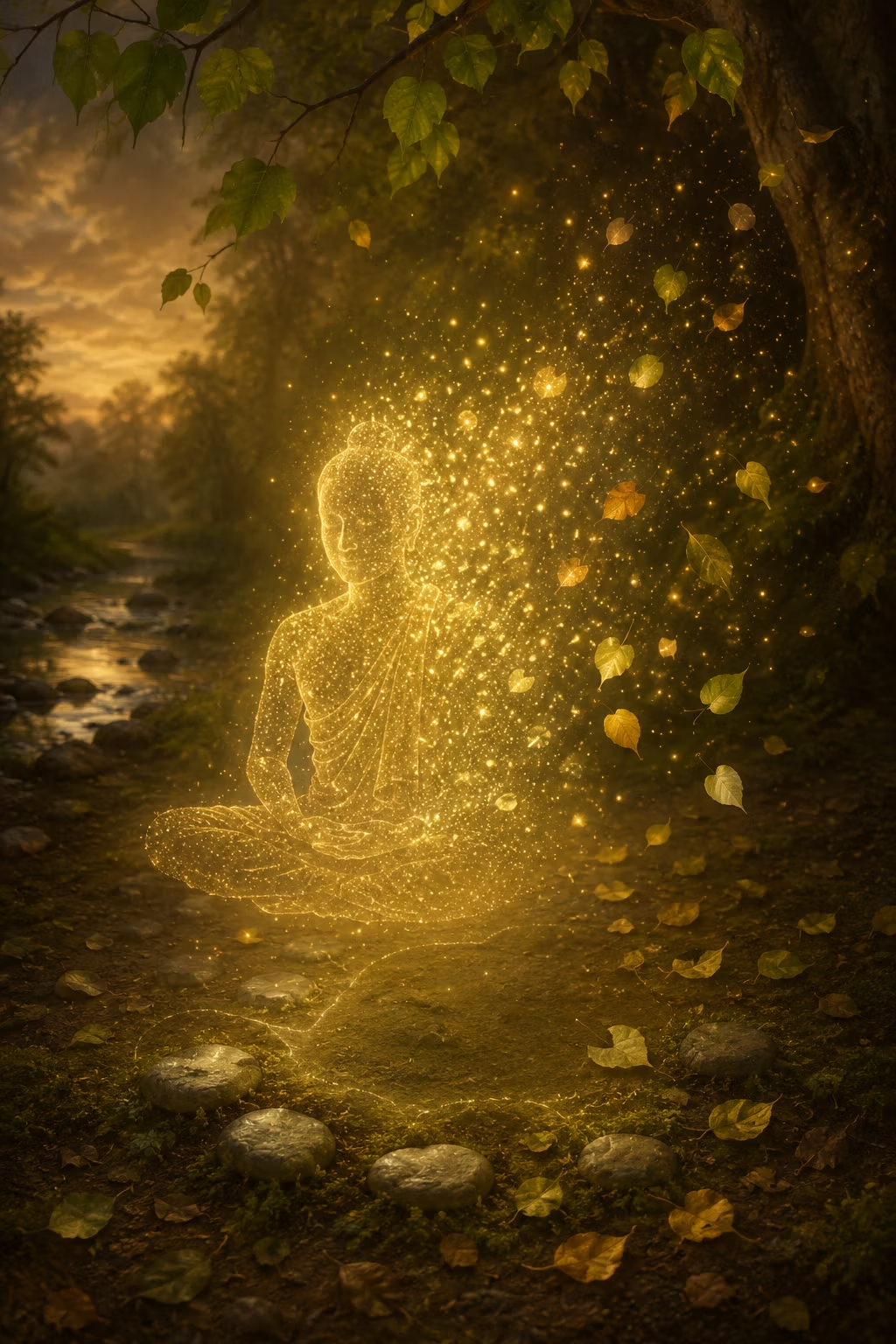
“This body too is of that nature — impermanence met as peace.”
स्वर्ण-आकृति प्रकाश और झरते पत्तों में लौटती — अंत के बाद की शांति।
A figure of gold gently returning to light and falling leaves — the moment-after stillness.
सबसे पुराना मृत्यु-स्मरण अभ्यास। नौ अवस्थाओं में भिक्षु श्मशान में पड़े शरीर की कल्पना करता है — फूला, खाया जाता, माँस सहित अस्थि-पंजर, फिर नंगी हड्डियाँ, बिखरी, सफ़ेद, चूर्ण बनी — और हर बार दर्पण अपनी ओर मोड़ता है: “यह काया भी इसी स्वभाव की है; इसे लाँघ नहीं सकती।” यह विकृति नहीं, गम्भीर स्पष्टता है: अभिमान घुलता है, तृष्णा शान्त होती है, और यह वर्तमान जीवन — अपने निश्चित अन्त के सामने देखे जाने पर — जीवन्त हो उठता है। शक्तिशाली अनुदर्शन, संयम से करने योग्य।
The oldest mortality practice. In nine stages the monk pictures a body left in a charnel ground — bloated, devoured, a skeleton with flesh, then bare bones, scattered, bleached, crumbled to dust — and after each he turns the mirror on himself: “this body too is of that nature; it cannot go beyond that.” Not morbidity but sobering clarity: vanity dissolves, craving cools, and this present life grows vivid because it is seen against its certain end. A powerful contemplation, to be approached soberly.
“This body too is of that nature — impermanence met as peace.”
स्वर्ण-आकृति प्रकाश और झरते पत्तों में लौटती — अंत के बाद की शांति।
A figure of gold gently returning to light and falling leaves — the moment-after stillness.
Puna caparaṁ, bhikkhave, bhikkhu seyyathāpi passeyya sarīraṁ sivathikāya chaḍḍitaṁ ekāhamataṁ vā dvīhamataṁ vā tīhamataṁ vā uddhumātakaṁ vinīlakaṁ vipubbakajātaṁ.
और भिक्षुओ! भिक्षु एक दिनके मरे, दो दिनके मरे, तीन दिनके मरे, फूले, नीले पड़ गये, पीव-भरे, (मृत)-शरीरको इमशानमें फेंकी देखे।
Furthermore, suppose a mendicant were to see a corpse discarded in a charnel ground. And it had been dead for one, two, or three days, bloated, livid, and festering.
सरल अर्थ: जैसे कोई श्मशान में पड़ा एक-दो-तीन दिन पुराना शव देखे — फूला, नीला, सड़ता हुआ। In simple words: As if he saw a corpse thrown in a charnel ground — dead a day, two, or three, bloated, livid, and festering.
So imameva kāyaṁ upasaṁharati:
(और उसे) यह इसी (=अपनी) कायापर घटावै—
They’d compare it with their own body:
सरल अर्थ: वह अपनी इसी काया की उस शव से तुलना करता है — In simple words: He compares it with his own body:
‘ayampi kho kāyo evaṁdhammo evaṁbhāvī evaṁanatīto’ti.
यह भी काया इसी धर्म (=स्वभाव)-वाली, ऐसी ही होनेवाली, इससे न बच सकनेवाली है।
‘This body is also of that same nature, that same kind, and cannot go beyond that.’
सरल अर्थ: ‘यह काया भी ऐसी ही है, ऐसी ही होगी, इससे बच नहीं सकती।’ In simple words: ‘This body too is of that same nature, will become like that, cannot escape it.’
Iti ajjhattaṁ vā kāye kāyānupassī viharati …pe…
इस प्रकार वह भीतर काया में काया का अनुदर्शन करता हुआ विहरता है …(पूर्ववत्)…
And so they meditate observing an aspect of the body internally …
सरल अर्थ: वही अन्तर्दृष्टि-सार — भीतर/बाहर, उदय-व्यय, केवल ‘काया है’ — जो हर अनुदर्शन को पूरा करता है (देखें आनापान)। In simple words: The same insight refrain — internal/external, arising-passing, just ‘there is a body’ — that closes every contemplation (see Breathing).
evampi kho, bhikkhave, bhikkhu kāye kāyānupassī viharati.
इस प्रकार भी, भिक्षुओ, भिक्षु काया में काया का अनुदर्शन करता हुआ विहरता है।
That too is how a mendicant meditates by observing an aspect of the body.
सरल अर्थ: इस प्रकार भी भिक्षु शरीर में शरीर को देखता हुआ रहता है। In simple words: That too is how a monk keeps observing the body as body.
Puna caparaṁ, bhikkhave, bhikkhu seyyathāpi passeyya sarīraṁ sivathikāya chaḍḍitaṁ kākehi vā khajjamānaṁ kulalehi vā khajjamānaṁ gijjhehi vā khajjamānaṁ kaṅkehi vā khajjamānaṁ sunakhehi vā khajjamānaṁ byagghehi vā khajjamānaṁ dīpīhi vā khajjamānaṁ siṅgālehi vā khajjamānaṁ vividhehi vā pāṇakajātehi khajjamānaṁ.
और भिक्षुओ! भिक्षु कौओंसे खाये जाते, चीलहोंसे खाये जाते, गिद्धोंसे खाये जाते, कुत्तोंसे खाये जाते, नाना प्रकारके जीवोंसे खाये जाते, इमशानमें फेंके (मृत-)शरीरको देखे।
Furthermore, suppose they were to see a corpse discarded in a charnel ground being devoured by crows, hawks, vultures, herons, hounds, tigers, leopards, jackals, and many kinds of little creatures.
सरल अर्थ: जैसे श्मशान में पड़ा शव कौओं, गिद्धों, कुत्तों, सियारों और कीड़ों द्वारा खाया जाता देखे। In simple words: As if he saw a corpse being devoured by crows, hawks, vultures, herons, dogs, tigers, leopards, jackals, and many small creatures.
So imameva kāyaṁ upasaṁharati:
वह इसी काया की उससे तुलना करता है:
They’d compare it with their own body:
सरल अर्थ: वह अपनी इसी काया की उस शव से तुलना करता है — In simple words: He compares it with his own body:
‘ayampi kho kāyo evaṁdhammo evaṁbhāvī evaṁanatīto’ti.
‘यह काया भी इसी स्वभाव की है, ऐसी ही होने वाली है, इस (गति) को लाँघ नहीं सकती।’
‘This body is also of that same nature, that same kind, and cannot go beyond that.’
सरल अर्थ: ‘यह काया भी ऐसी ही है, ऐसी ही होगी, इससे बच नहीं सकती।’ In simple words: ‘This body too is of that same nature, will become like that, cannot escape it.’
Iti ajjhattaṁ vā kāye kāyānupassī viharati …pe…
इस प्रकार वह भीतर काया में काया का अनुदर्शन करता हुआ विहरता है …(पूर्ववत्)…
And so they meditate observing an aspect of the body internally …
सरल अर्थ: वही अन्तर्दृष्टि-सार — भीतर/बाहर, उदय-व्यय, केवल ‘काया है’ — जो हर अनुदर्शन को पूरा करता है (देखें आनापान)। In simple words: The same insight refrain — internal/external, arising-passing, just ‘there is a body’ — that closes every contemplation (see Breathing).
evampi kho, bhikkhave, bhikkhu kāye kāyānupassī viharati.
इस प्रकार भी, भिक्षुओ, भिक्षु काया में काया का अनुदर्शन करता हुआ विहरता है।
That too is how a mendicant meditates by observing an aspect of the body.
सरल अर्थ: इस प्रकार भी भिक्षु शरीर में शरीर को देखता हुआ रहता है। In simple words: That too is how a monk keeps observing the body as body.
Puna caparaṁ, bhikkhave, bhikkhu seyyathāpi passeyya sarīraṁ sivathikāya chaḍḍitaṁ aṭṭhikasaṅkhalikaṁ samaṁsalohitaṁ nhārusambandhaṁ …pe…
फिर आगे, भिक्षुओ, भिक्षु जैसे किसी श्मशान में फेंके हुए शरीर को देखे — माँस और रक्त सहित, स्नायुओं से बँधा हुआ अस्थि-पंजर …(पे)…
Furthermore, suppose they were to see a corpse discarded in a charnel ground, a skeleton with flesh and blood, held together by sinews …
सरल अर्थ: फिर वही शव अस्थि-पंजर बना — माँस-रक्त सहित, नसों से बँधा। In simple words: A skeleton with flesh and blood, held together by sinews …
Aṭṭhikasaṅkhalikaṁ nimaṁsalohitamakkhitaṁ nhārusambandhaṁ …pe…
माँस-रहित पर रक्त से सना, स्नायुओं से बँधा अस्थि-पंजर …(पे)…
A skeleton without flesh but smeared with blood, and held together by sinews …
सरल अर्थ: माँस बिना, रक्त से सना, नसों से बँधा अस्थि-पंजर। In simple words: A skeleton without flesh, smeared with blood, held together by sinews …
Aṭṭhikasaṅkhalikaṁ apagatamaṁsalohitaṁ nhārusambandhaṁ …pe…
माँस और रक्त दोनों से रहित, केवल स्नायुओं से बँधा अस्थि-पंजर …(पे)…
A skeleton rid of flesh and blood, held together by sinews …
सरल अर्थ: माँस-रक्त दोनों बिना, केवल नसों से बँधा अस्थि-पंजर। In simple words: A skeleton rid of flesh and blood, held together by sinews …
Aṭṭhikāni apagatasambandhāni disā vidisā vikkhittāni, aññena hatthaṭṭhikaṁ aññena pādaṭṭhikaṁ aññena gopphakaṭṭhikaṁ aññena jaṅghaṭṭhikaṁ aññena ūruṭṭhikaṁ aññena kaṭiṭṭhikaṁ aññena phāsukaṭṭhikaṁ aññena piṭṭhiṭṭhikaṁ aññena khandhaṭṭhikaṁ aññena gīvaṭṭhikaṁ aññena hanukaṭṭhikaṁ aññena dantaṭṭhikaṁ aññena sīsakaṭāhaṁ.
स्नायु-बन्धन से रहित, दिशा-विदिशा में बिखरी हुई हड्डियाँ — कहीं हाथ की हड्डी, कहीं पाँव की, कहीं टख़ने की, कहीं पिंडली की, कहीं जाँघ की, कहीं कमर की, कहीं पसली की, कहीं रीढ़ की, कहीं भुजा की, कहीं गले की, कहीं जबड़े की, कहीं दाँत, और कहीं खोपड़ी।
Bones rid of sinews scattered in every direction. Here a hand-bone, there a foot-bone, here an ankle bone, there a shin-bone, here a thigh-bone, there a hip-bone, here a rib-bone, there a back-bone, here an arm-bone, there a neck-bone, here a jaw-bone, there a tooth, here the skull. …
सरल अर्थ: नसों से छूटी हड्डियाँ चारों ओर बिखरी — हाथ, पाँव, पसली, रीढ़, जबड़ा, खोपड़ी — अलग-अलग पड़ी। In simple words: Bones freed of sinews scattered in every direction — a hand-bone here, a foot-bone there, a rib, the spine, the jaw, the skull — each apart.
So imameva kāyaṁ upasaṁharati:
वह इसी काया की उससे तुलना करता है:
He compares it with his own body:
सरल अर्थ: वह अपनी इसी काया की उस शव से तुलना करता है — In simple words: He compares it with his own body:
‘ayampi kho kāyo evaṁdhammo evaṁbhāvī evaṁanatīto’ti.
‘यह काया भी इसी स्वभाव की है, ऐसी ही होने वाली है, इस (गति) को लाँघ नहीं सकती।’
‘This body too is of that same nature, will become like that, cannot escape it.’
सरल अर्थ: ‘यह काया भी ऐसी ही है, ऐसी ही होगी, इससे बच नहीं सकती।’ In simple words: ‘This body too is of that same nature, will become like that, cannot escape it.’
Iti ajjhattaṁ vā kāye kāyānupassī viharati …pe…
इस प्रकार वह भीतर काया में काया का अनुदर्शन करता हुआ विहरता है …(पूर्ववत्)…
And so he keeps observing the body as body internally … (the refrain continues as before).
सरल अर्थ: वही अन्तर्दृष्टि-सार — भीतर/बाहर, उदय-व्यय, केवल ‘काया है’ — जो हर अनुदर्शन को पूरा करता है (देखें आनापान)। In simple words: The same insight refrain — internal/external, arising-passing, just ‘there is a body’ — that closes every contemplation (see Breathing).
evampi kho, bhikkhave, bhikkhu kāye kāyānupassī viharati.
इस प्रकार भी, भिक्षुओ, भिक्षु काया में काया का अनुदर्शन करता हुआ विहरता है।
That too is how a monk keeps observing the body as body.
सरल अर्थ: इस प्रकार भी भिक्षु शरीर में शरीर को देखता हुआ रहता है। In simple words: That too is how a monk keeps observing the body as body.
Puna caparaṁ, bhikkhave, bhikkhu seyyathāpi passeyya sarīraṁ sivathikāya chaḍḍitaṁ, aṭṭhikāni setāni saṅkhavaṇṇapaṭibhāgāni …pe…
शंख के रंग जैसी सफ़ेद हड्डियाँ …(पे)…
White bones, the color of shells …
सरल अर्थ: शंख-सी सफ़ेद पड़ी हड्डियाँ। In simple words: White bones, the colour of shells …
Aṭṭhikāni puñjakitāni terovassikāni …pe…
वर्षों पुरानी, ढेर लगी हुई हड्डियाँ …(पे)…
Decrepit bones, heaped in a pile …
सरल अर्थ: वर्षों पुरानी, ढेर में पड़ी हड्डियाँ। In simple words: Bones over a year old, heaped in a pile …
Aṭṭhikāni pūtīni cuṇṇakajātāni.
सड़ी-गली, चूर्ण बन चुकी हड्डियाँ।
Bones rotted and crumbled to powder.
सरल अर्थ: सड़कर चूरा बन गई हड्डियाँ। In simple words: Bones rotted and crumbled to powder.
So imameva kāyaṁ upasaṁharati:
वह इसी काया की उससे तुलना करता है:
They’d compare it with their own body:
सरल अर्थ: वह अपनी इसी काया की उस शव से तुलना करता है — In simple words: He compares it with his own body:
‘ayampi kho kāyo evaṁdhammo evaṁbhāvī evaṁanatīto’ti.
‘यह काया भी इसी स्वभाव की है, ऐसी ही होने वाली है, इस (गति) को लाँघ नहीं सकती।’
‘This body is also of that same nature, that same kind, and cannot go beyond that.’
सरल अर्थ: ‘यह काया भी ऐसी ही है, ऐसी ही होगी, इससे बच नहीं सकती।’ In simple words: ‘This body too is of that same nature, will become like that, cannot escape it.’
Iti ajjhattaṁ vā kāye kāyānupassī viharati, bahiddhā vā kāye kāyānupassī viharati, ajjhattabahiddhā vā kāye kāyānupassī viharati;
इस प्रकार वह भीतर काया में काया का अनुदर्शन करता हुआ विहरता है, बाहर काया में, और भीतर-बाहर दोनों में काया का अनुदर्शन करता हुआ विहरता है;
And so they meditate observing an aspect of the body internally, externally, and both internally and externally.
सरल अर्थ: इस देखने को वह अपनी काया में, दूसरों की काया में, और दोनों में लगाता है। In simple words: He keeps observing the body as body internally, externally, and both.
samudayadhammānupassī vā kāyasmiṁ viharati, vayadhammānupassī vā kāyasmiṁ viharati, samudayavayadhammānupassī vā kāyasmiṁ viharati.
अथवा काया में समुदय-धर्म (उत्पत्ति) का अनुदर्शन करता हुआ विहरता है, वय-धर्म (व्यय) का, अथवा समुदय-वय दोनों धर्मों का अनुदर्शन करता हुआ विहरता है।
With respect to the body, they meditate observing the liability to originate, to vanish, and to originate and vanish.
सरल अर्थ: वह देखता है कि काया में सब कुछ उठता है, मिटता है, उठता-और-मिटता रहता है। In simple words: He observes how, in the body, phenomena arise, vanish, and both.
‘Atthi kāyo’ti vā panassa sati paccupaṭṭhitā hoti. Yāvadeva ñāṇamattāya paṭissatimattāya anissito ca viharati, na ca kiñci loke upādiyati.
अथवा ‘काया है’ — इतनी ही उसकी स्मृति उपस्थित रहती है, केवल ज्ञान-मात्र और स्मृति-मात्र के लिये। और वह अनिश्रित (बिना किसी आश्रय के) विहरता है, संसार में किसी वस्तु से चिपकता नहीं।
Or mindfulness is established that the body exists, to the extent necessary for knowledge and mindfulness. They meditate independent, not grasping at anything in the world.
सरल अर्थ: ‘बस काया है’ — इतनी सजगता, केवल जानने-भर के लिये; किसी सहारे बिना, किसी चीज़ से चिपके बिना। In simple words: ‘There is a body’ — mindfulness established just enough to know; independent, clinging to nothing.
Evampi kho, bhikkhave, bhikkhu kāye kāyānupassī viharati.
इस प्रकार भी, भिक्षुओ, भिक्षु काया में काया का अनुदर्शन करता हुआ विहरता है।
That too is how a mendicant meditates by observing an aspect of the body.
सरल अर्थ: इस प्रकार भी भिक्षु शरीर में शरीर को देखता हुआ रहता है। In simple words: That too is how a monk keeps observing the body as body.
Navasivathikapabbaṁ niṭṭhitaṁ.
नव-सिवथिक-पब्ब (नौ श्मशान-चिन्तन खण्ड) समाप्त हुआ।
The section on the nine charnel grounds is finished.
सरल अर्थ: (नव-सिवथिक-पब्ब (नौ श्मशान-चिन्तन खण्ड) समाप्त।) In simple words: (End of the section on the nine charnel grounds.)
Cuddasakāyānupassanā niṭṭhitā.
चौदह काय-अनुदर्शन समाप्त हुए।
The fourteen contemplations of the body are finished.
सरल अर्थ: (काया के चौदह अनुदर्शन समाप्त।) In simple words: (The fourteen contemplations of the body are finished.)
शरीर के विघटन को देखना और चुपचाप दृष्टि लौटाना — “यह काया भी इसी स्वभाव की है, इसे लाँघ नहीं सकती।” यह अभिमान घोलता है, तृष्णा शान्त करता है, और वर्तमान को जीवन्त बनाता है क्योंकि वह अपने अन्त के सामने देखा जाता है।To look at a body’s dissolution and quietly turn the gaze back — “this body too is of that nature, and cannot go beyond it.” It dissolves vanity, cools craving, and makes the present vivid because it is seen against its end.
क्या देखें: What to notice: एक विरोधाभासी हलकापन: काया के अन्त का सामना करने पर आसक्ति और अभिमान ढीले पड़ते हैं, और यह वर्तमान — साँस, प्रकाश, आसपास के लोग — अप्रत्याशित रूप से अनमोल हो उठता है। उदासी नहीं, गम्भीरता — यही संकेत है कि यह काम कर रहा है।A paradoxical lightness: facing the body’s end, clinging and vanity loosen, and this present — the breath, the light, the people around you — grows unexpectedly precious. Sobriety, not gloom, is the sign it is working.
सावधानी: Take care: यह शक्तिशाली अभ्यास भय, शोक या उदासी जगा सकता है, विशेषकर परम्परागत श्मशान-चित्रों के साथ। इसे छोटा और स्थिर रखो; भयावह चित्रों को ज़बरदस्ती लाने के बजाय सीधा चिन्तन करो; अन्त में सदा साँस पर और जीवित क्षण के प्रति कृतज्ञता पर लौटो। इसे किसी शिविर में या अनुभवी शिक्षक के साथ करना श्रेष्ठ है — थेरवाद वन-परम्परा इन श्मशान-चिन्तनों को सीधे सिखाती है, और गोयनका तथा महासि जैसी शिविर-परम्पराएँ सुरक्षित वातावरण एवं अनुभवी मार्गदर्शन देती हैं। यदि शोक या भय प्रबल हो, रुक जाओ और सहारा लो।A powerful practice that can stir fear, grief, or low mood, especially with the traditional charnel images. Keep it brief and steady; prefer the plain reflection over forcing vivid pictures; always close by returning to the breath and to gratitude for the living moment. Best undertaken within a retreat or with an experienced teacher — the Theravāda forest tradition teaches these charnel-ground reflections directly, and retreat lineages such as Goenka and Mahasi offer a safe container and experienced guidance. If grief or fear rises strongly, stop and seek support.
एक बार, सौम्यता से, अपने ही हाथ को देखते हुए सुत्त के सार-वचन को भीतर ठहरने दो: “यह भी इसी स्वभाव का है।” फिर अपने जीवन को ठीक जैसा वह अभी है, देखो। ध्यान दो कि वह अधिक अनमोल लगता है, कम नहीं। वही देखना पूरा मर्म है — मृत्यु का चिन्तन एक भरे-पूरे जीवन की सेवा में है।
Once, gently, let the sutta’s refrain rest in you as you look at your own hand: “this too is of that nature.” Then look up at your life exactly as it is right now. Notice whether it looks more precious, not less. That noticing is the whole point — the reflection on death is in the service of a fuller life.