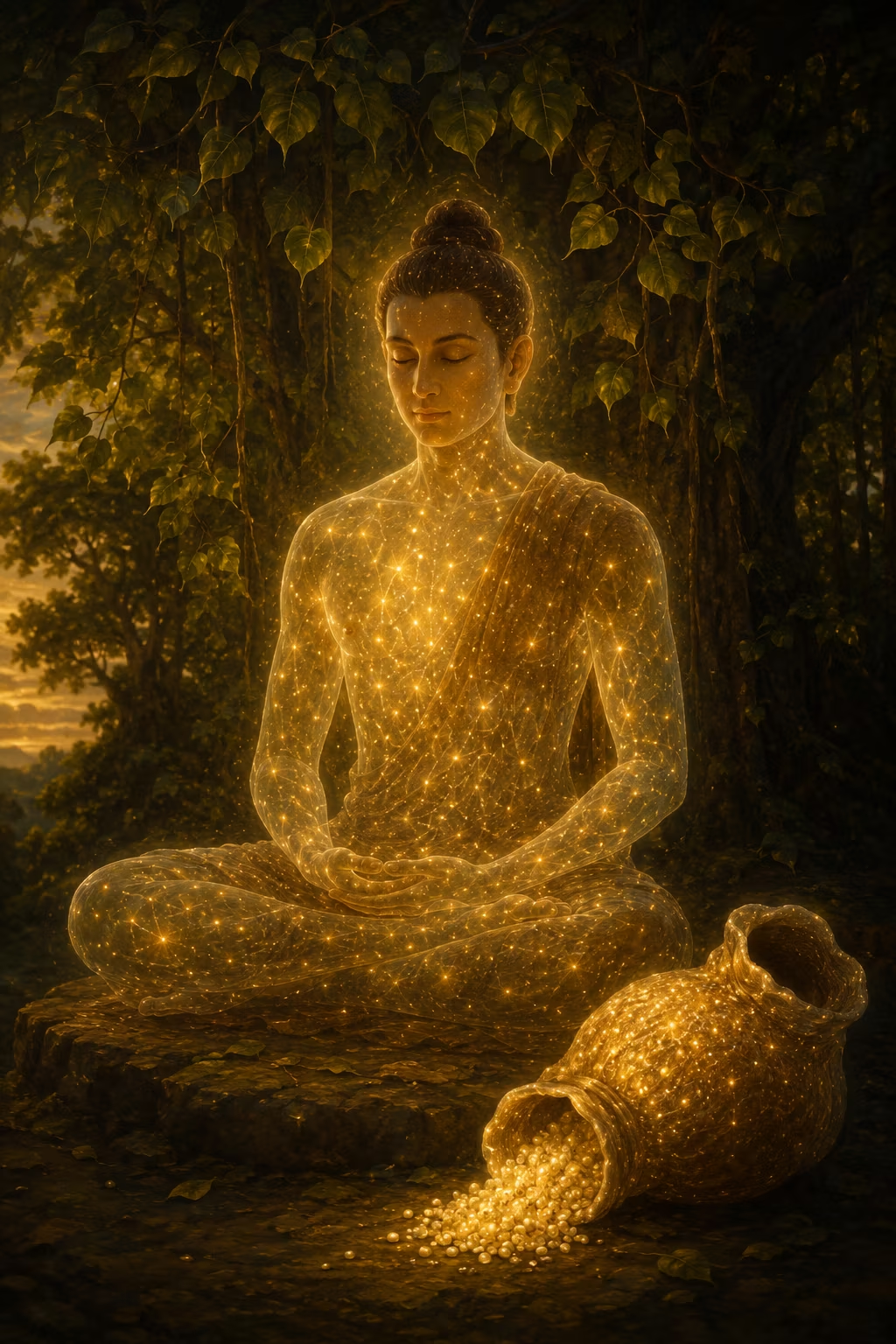
“The body seen honestly — just parts, not a self.”
अनेक छोटे दीपों का देदीप्य रूप — शरीर अंगों-सा, शांति से देखा।
A luminous form of many small lights — the body as parts, met with peace.
यह जान-बूझकर मोह-भंग करने वाला अनुदर्शन है। भिक्षु इस काया को पाँव के तलवों से सिर तक — त्वचा से घिरी और अनेक अशुद्धियों से भरी — देखता है: केश, दाँत, माँस, अस्थि, पित्त, रक्त और शेष, कुल इकतीस अंग — जैसे आँख वाला व्यक्ति मिले-जुले अनाज की थैली खोलकर हर दाना पहचानता है। इतना स्पष्ट देखने पर काया को ‘मैं, मेरा, सुन्दर, स्थायी’ मानने की पकड़ चुपचाप ढीली पड़ती है। शक्तिशाली — और संयम से करने योग्य।
A deliberately disenchanting contemplation. The monk reviews this body from the soles of the feet to the crown, wrapped in skin and full of many impurities — hair, teeth, flesh, bones, bile, blood, and the rest, thirty-one parts in all — as a clear-eyed person opens a sack of mixed grain and names each kind. Seen this plainly, the reflex to take the body as “me, mine, beautiful, lasting” quietly loosens. Powerful, and best approached soberly.
“The body seen honestly — just parts, not a self.”
अनेक छोटे दीपों का देदीप्य रूप — शरीर अंगों-सा, शांति से देखा।
A luminous form of many small lights — the body as parts, met with peace.
Puna caparaṁ, bhikkhave, bhikkhu imameva kāyaṁ uddhaṁ pādatalā, adho kesamatthakā, tacapariyantaṁ pūraṁ nānappakārassa asucino paccavekkhati:
और भिक्षुओ! भिक्षु पैरके तलवेसे ऊपर, केश-मस्तकसे नीचे, इस कायाको नाना प्रकारके मलोंसे पूर्ण देखता (=अनुभव करता) है—
Furthermore, a mendicant examines their own body, up from the soles of the feet and down from the tips of the hairs, wrapped in skin and full of many kinds of filth.
सरल अर्थ: भिक्षु इसी शरीर को — तलवों से सिर तक, चमड़ी से ढका और अनेक अशुद्धियों से भरा — ध्यान से देखता है। In simple words: The monk examines this very body — from the soles up, from the hair down, wrapped in skin and full of many impurities.
‘atthi imasmiṁ kāye kesā lomā nakhā dantā taco maṁsaṁ nhāru aṭṭhi aṭṭhimiñjaṁ vakkaṁ hadayaṁ yakanaṁ kilomakaṁ pihakaṁ papphāsaṁ antaṁ antaguṇaṁ udariyaṁ karīsaṁ pittaṁ semhaṁ pubbo lohitaṁ sedo medo assu vasā kheḷo siṅghāṇikā lasikā muttan’ti.
इस कायामें हैं—केश, रोम, नख, दाँत, त्वक् (=चमड़ा), मांस, स्नायु, अस्थि, अस्थि (के भीतरकी) मज्जा, वृक्क, हृदय (कलेजा), पक्रुत, क्लोभक, प्लीहा (=तिल्ली), फुप्फुस, आँत, पतली आँत (=अंत-गुण), उदरस्थ (वस्तुयें), पाखाना, पित्त, कफ, पीव, लोहू, पसीना, मेद (=वर), आँसू, वसा (=चर्बी), लार, नासा-मल, लसिका, और मूत्र।
‘In this body there is head hair, body hair, nails, teeth, skin, flesh, sinews, bones, bone marrow, kidneys, heart, liver, diaphragm, spleen, lungs, intestines, mesentery, undigested food, feces, bile, phlegm, pus, blood, sweat, fat, tears, grease, saliva, snot, synovial fluid, urine.’
सरल अर्थ: ‘इस शरीर में हैं — बाल, रोम, नाखून, दाँत, चमड़ी, माँस, नसें, हड्डियाँ… पित्त, कफ, रक्त, पसीना, मूत्र’ — इकतीस अंग, एक-एक करके देखे जाते हैं। In simple words: ‘In this body there are head hair, body hair, nails, teeth, skin, flesh, sinews, bones, marrow, kidneys, heart, liver, membranes, spleen, lungs, intestines, mesentery, undigested food, feces, bile, phlegm, pus, blood, sweat, fat, tears, grease, saliva, snot, synovial fluid, urine.’
Seyyathāpi, bhikkhave, ubhatomukhā putoḷi pūrā nānāvihitassa dhaññassa, seyyathidaṁ—sālīnaṁ vīhīnaṁ muggānaṁ māsānaṁ tilānaṁ taṇḍulānaṁ. Tamenaṁ cakkhumā puriso muñcitvā paccavekkheyya: ‘ime sālī ime vīhī ime muggā ime māsā ime tilā ime taṇḍulā’ti.
जैसे भिक्षुओ, दोनों ओर मुँह वाली एक थैली हो, अनेक प्रकार के अनाजों से भरी — जैसे शालि (उत्तम धान), व्रीहि, मूँग, उड़द, तिल और चावल। उसे कोई आँख वाला पुरुष खोलकर देखे: ‘ये शालि हैं, ये व्रीहि, ये मूँग, ये उड़द, ये तिल, ये चावल।’
It’s as if there were a bag with openings at both ends, filled with various kinds of grains, such as fine rice, wheat, mung beans, peas, sesame, and ordinary rice. And a person with clear eyes were to open it and examine the contents: ‘These grains are fine rice, these are wheat, these are mung beans, these are peas, these are sesame, and these are ordinary rice.’
सरल अर्थ: जैसे दोनों ओर मुँह वाली अनाज-भरी थैली खोलकर आँख वाला व्यक्ति हर दाना अलग-अलग पहचानता है। In simple words: Just as a person with clear eyes opens a double-mouthed sack of mixed grain and names each kind — rice, wheat, beans, peas, sesame.
Evameva kho, bhikkhave, bhikkhu imameva kāyaṁ uddhaṁ pādatalā, adho kesamatthakā, tacapariyantaṁ pūraṁ nānappakārassa asucino paccavekkhati:
इसी प्रकार भिक्षुओ, भिक्षु इसी काया को — तलवों से सिर तक, त्वचा से घिरी और अशुचि से भरी — इस प्रकार देखता है:
In the same way, a monk examines this very body — from the soles up, from the hair down, wrapped in skin and full of impurities:
सरल अर्थ: उसी तरह भिक्षु इस शरीर को अंग-अंग करके पहचानता है। In simple words: In the same way the monk examines this body part by part.
‘atthi imasmiṁ kāye kesā lomā …pe… muttan’ti.
‘इस काया में हैं — केश, रोम … मूत्र।’
‘In this body there is head hair, body hair … urine.’
सरल अर्थ: ‘इस शरीर में हैं — बाल, रोम … मूत्र।’ (वही सूची दोहराई जाती है।) In simple words: ‘In this body there are hair, nails … urine’ (the same list repeated).
Iti ajjhattaṁ vā kāye kāyānupassī viharati …pe…
इस प्रकार वह भीतर काया में काया का अनुदर्शन करता हुआ विहरता है …(पूर्ववत्)…
And so they meditate observing an aspect of the body internally …
सरल अर्थ: वही अन्तर्दृष्टि-सार — भीतर/बाहर, उदय-व्यय, केवल ‘काया है’ — जो हर अनुदर्शन को पूरा करता है (देखें आनापान)। In simple words: The same insight refrain — internal/external, arising-passing, just ‘there is a body’ — that closes every contemplation (see Breathing).
evampi kho, bhikkhave, bhikkhu kāye kāyānupassī viharati.
इस प्रकार भी, भिक्षुओ, भिक्षु काया में काया का अनुदर्शन करता हुआ विहरता है।
That too is how a mendicant meditates by observing an aspect of the body.
सरल अर्थ: इस प्रकार भी भिक्षु शरीर में शरीर को देखता हुआ रहता है। In simple words: That too is how a monk keeps observing the body as body.
Paṭikūlamanasikārapabbaṁ niṭṭhitaṁ.
पटिकूल-मनसिकार-पब्ब (अंगों पर मनसिकार का खण्ड) समाप्त हुआ।
The section on the parts of the body is finished.
सरल अर्थ: (पटिकूल-मनसिकार-पब्ब (अंगों पर मनसिकार का खण्ड) समाप्त।) In simple words: (End of the section on the parts of the body.)
यह तादात्म्य-भंजक अभ्यास है: शरीर को ईमानदारी से अंगों का संग्रह देखने से उसे ‘मैं, मेरा, सुन्दर, नित्य’ मानने की पकड़ ढीली होती है। परम्परा में इसका उपयोग तृष्णा और अभिमान को शान्त करने के लिये होता है।A de-identification practice: reviewing the body honestly as a collection of parts loosens the reflex to take it as “me, mine, beautiful, permanent.” Traditionally used to cool craving and vanity.
क्या देखें: What to notice: एक सूक्ष्म ढील: काया थोड़ी कम ‘मैं’ जैसी और थोड़ी अधिक उधार ली हुई प्रकृति जैसी लगी। वही हलकापन — घृणा नहीं — फल है।A subtle loosening: the body felt a little less like “me” and a little more like borrowed nature. That lightness — not disgust — is the fruit.
सावधानी: Take care: यह अनुदर्शन मोह-भंग के लिये है और ज़ोर देने पर विराग या उदासी जगा सकता है। इसे छोटा और सहज रखो, कभी विकृत (मॉर्बिड) नहीं। इसे किसी शिविर में या जीवित थेरवाद परम्पराओं के अनुभवी शिक्षक के साथ सीखना श्रेष्ठ है (जैसे गोयनका या महासि शिविर-परम्पराएँ, जो सुरक्षित वातावरण और मार्गदर्शन देती हैं); यदि मन भारी हो, तो इसे छोड़कर साँस पर लौट आओ।This contemplation is meant to disenchant and can stir aversion or low mood if pushed. Keep it brief and matter-of-fact, never morbid. It is best learned inside a retreat or with an experienced teacher in the living Theravāda traditions (such as the Goenka or Mahasi retreat lineages, which offer a safe container and guidance); if it darkens your mood, set it aside and return to the breath.