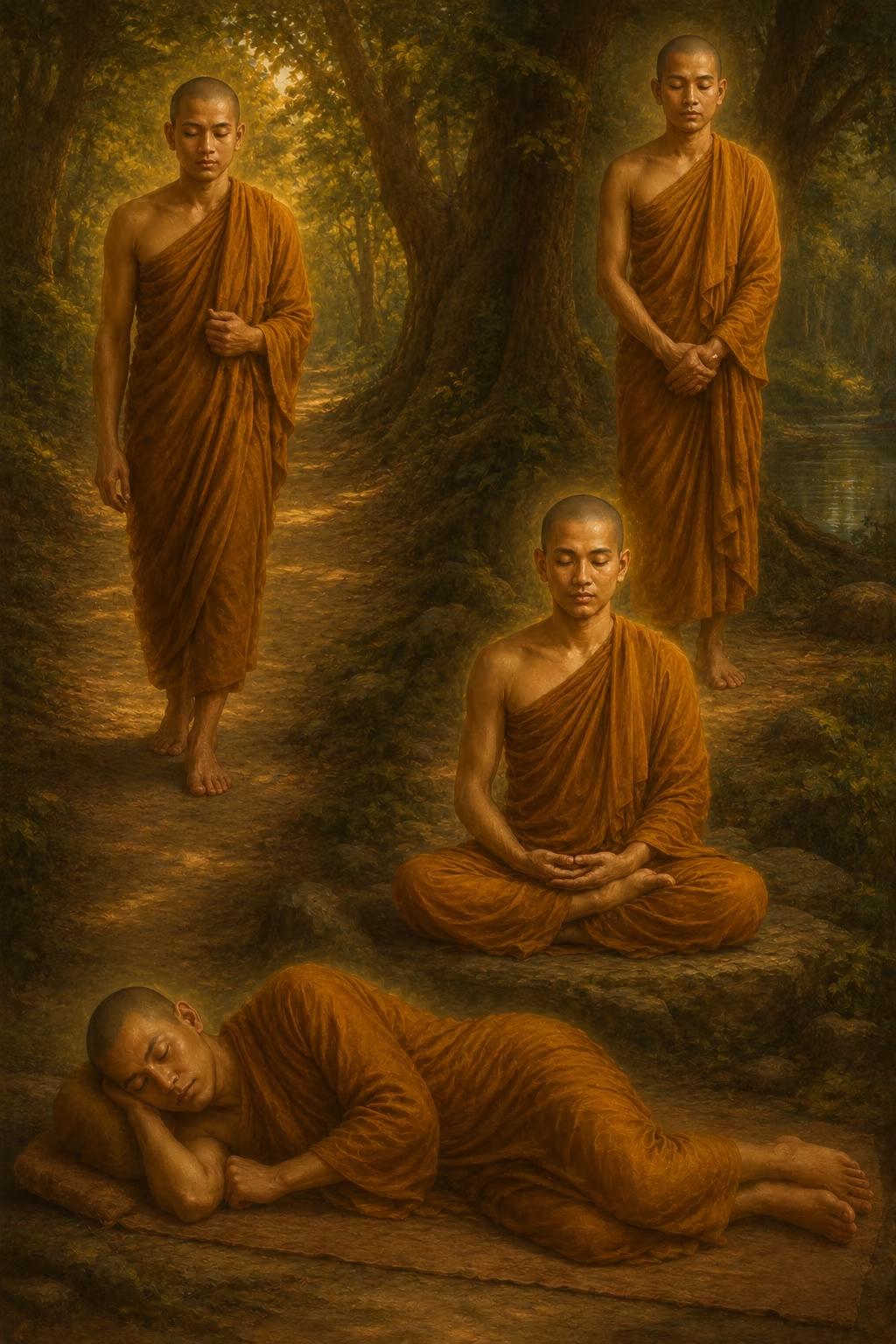
“Whatever the body does, knowing it.”
चलना, खड़े होना, बैठना, लेटना — सजगता हर मुद्रा के साथ।
Walking, standing, sitting, lying — awareness follows every posture.
काया की स्मृति को किसी विशेष विषय की ज़रूरत नहीं — इस समय जिस मुद्रा में तुम हो, वही पर्याप्त है। चलते हुए भिक्षु जानता है कि वह चल रहा है; खड़े, बैठे, लेटे — जानता है। काया जो भी कर रही हो, उसे जानता है। सजगता गद्दी से उतरकर दिनभर काया के साथ चलने लगती है।
Mindfulness of the body needs no special object — the posture you are in right now will do. Walking, the monk knows he is walking; standing, sitting, lying down, he knows. Whatever the body is doing, he knows it. Awareness steps off the cushion and begins to travel with the body through the whole day.
“Whatever the body does, knowing it.”
चलना, खड़े होना, बैठना, लेटना — सजगता हर मुद्रा के साथ।
Walking, standing, sitting, lying — awareness follows every posture.
Puna caparaṁ, bhikkhave, bhikkhu gacchanto vā ‘gacchāmī’ti pajānāti, ṭhito vā ‘ṭhitomhī’ti pajānāti, nisinno vā ‘nisinnomhī’ti pajānāti, sayāno vā ‘sayānomhī’ti pajānāti.
फिर आगे, भिक्षुओ, भिक्षु चलते हुए ‘मैं चल रहा हूँ’ जानता है, खड़े हुए ‘मैं खड़ा हूँ’ जानता है, बैठे हुए ‘मैं बैठा हूँ’ जानता है, और लेटे हुए ‘मैं लेटा हूँ’ जानता है।
Furthermore, when a mendicant is walking they know: ‘I am walking.’ When standing they know: ‘I am standing.’ When sitting they know: ‘I am sitting.’ And when lying down they know: ‘I am lying down.’
सरल अर्थ: चलते-खड़े-बैठे-लेटे — हर मुद्रा में भिक्षु जानता है कि काया क्या कर रही है। In simple words: Walking, he knows ‘I am walking’; standing, ‘I am standing’; sitting, ‘I am sitting’; lying down, ‘I am lying down.’
Yathā yathā vā panassa kāyo paṇihito hoti tathā tathā naṁ pajānāti.
जैसे जैसे उसकी काया अवस्थित होती है, वैसेही उसे जानता है।
Whatever posture their body is in, they know it.
सरल अर्थ: काया जैसी भी रखी हो, वैसी ही उसे जान लेता है। In simple words: However the body is placed, he knows it just so.
Iti ajjhattaṁ vā kāye kāyānupassī viharati, bahiddhā vā kāye kāyānupassī viharati, ajjhattabahiddhā vā kāye kāyānupassī viharati;
इस प्रकार वह भीतर काया में काया का अनुदर्शन करता हुआ विहरता है, बाहर काया में, और भीतर-बाहर दोनों में काया का अनुदर्शन करता हुआ विहरता है;
And so they meditate observing an aspect of the body internally, externally, and both internally and externally.
सरल अर्थ: इस देखने को वह अपनी काया में, दूसरों की काया में, और दोनों में लगाता है। In simple words: He keeps observing the body as body internally, externally, and both.
samudayadhammānupassī vā kāyasmiṁ viharati, vayadhammānupassī vā kāyasmiṁ viharati, samudayavayadhammānupassī vā kāyasmiṁ viharati.
अथवा काया में समुदय-धर्म (उत्पत्ति) का अनुदर्शन करता हुआ विहरता है, वय-धर्म (व्यय) का, अथवा समुदय-वय दोनों धर्मों का अनुदर्शन करता हुआ विहरता है।
With respect to the body, they meditate observing the liability to originate, to vanish, and to originate and vanish.
सरल अर्थ: वह देखता है कि काया में सब कुछ उठता है, मिटता है, उठता-और-मिटता रहता है। In simple words: He observes how, in the body, phenomena arise, vanish, and both.
‘Atthi kāyo’ti vā panassa sati paccupaṭṭhitā hoti. Yāvadeva ñāṇamattāya paṭissatimattāya anissito ca viharati, na ca kiñci loke upādiyati.
अथवा ‘काया है’ — इतनी ही उसकी स्मृति उपस्थित रहती है, केवल ज्ञान-मात्र और स्मृति-मात्र के लिये। और वह अनिश्रित (बिना किसी आश्रय के) विहरता है, संसार में किसी वस्तु से चिपकता नहीं।
Or mindfulness is established that the body exists, to the extent necessary for knowledge and mindfulness. They meditate independent, not grasping at anything in the world.
सरल अर्थ: ‘बस काया है’ — इतनी सजगता, केवल जानने-भर के लिये; किसी सहारे बिना, किसी चीज़ से चिपके बिना। In simple words: ‘There is a body’ — mindfulness established just enough to know; independent, clinging to nothing.
Evampi kho, bhikkhave, bhikkhu kāye kāyānupassī viharati.
इस प्रकार भी, भिक्षुओ, भिक्षु काया में काया का अनुदर्शन करता हुआ विहरता है।
That too is how a mendicant meditates by observing an aspect of the body.
सरल अर्थ: इस प्रकार भी भिक्षु शरीर में शरीर को देखता हुआ रहता है। In simple words: That too is how a monk keeps observing the body as body.
Iriyāpathapabbaṁ niṭṭhitaṁ.
इरियापथ-पब्ब (मुद्रा-खण्ड) समाप्त हुआ।
The section on the postures is finished.
सरल अर्थ: (इरियापथ-पब्ब (मुद्रा-खण्ड) समाप्त।) In simple words: (End of the section on the postures.)
स्मृति को गद्दी की ज़रूरत नहीं। यह सति को काया के सबसे सरल तथ्य में रोपता है — इस समय जिस मुद्रा में तुम हो — ताकि सजगता दिनभर साथ चले।Mindfulness does not need a cushion. This plants sati in the simplest fact of the body — the posture it is in right now — so awareness travels with you all day.
क्या देखें: What to notice: तुम पकड़ोगे कि कितनी बार काया चलती है जब मन कहीं और होता है। हर बार मुद्रा जानने पर मन और काया एक ही समय एक ही जगह होते हैं — यही मिलन सति है।You will catch how often the body moves while the mind is elsewhere. Each time you know the posture, mind and body are in the same place at the same moment — that meeting is sati.