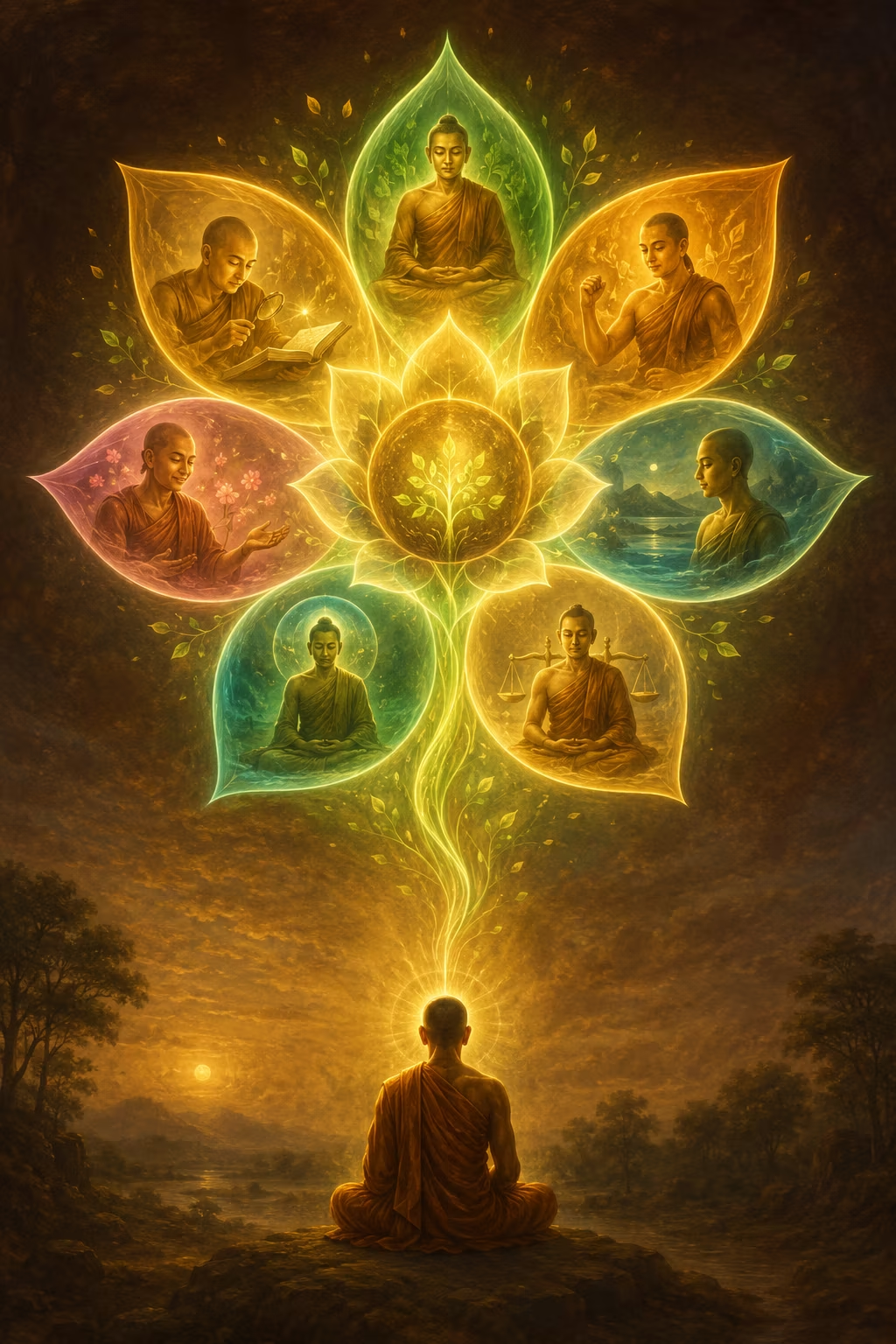
“Seven awakening factors, tended like a garden of light.”
भोर में खिलता सात-पंखुड़ी प्रकाश-कमल।
A seven-petalled lotus of light opening at dawn.
जहाँ नीवरणों को पहचानकर छोड़ना था, वहाँ सात बोज्झङ्ग (जागरण-अंग) पहचानकर बढ़ाने के गुण हैं: सति (स्मृति), धम्मविचय (सत्य-अन्वेषण), वीर्य (उत्साह), प्रीति (हर्ष), प्रश्रब्धि (प्रशान्ति), समाधि (एकाग्रता), और उपेक्षा (समता)। भिक्षु जानता है कौन उपस्थित है, कौन अनुपस्थित, अनुपस्थित कैसे उठता है, और उपस्थित भावना से कैसे पूर्ण होता है। यह मन की अपनी जागरण-सीढ़ी है — बग़ीचे-सी सँभाली जाती है, ज़बरदस्ती नहीं।
Where the hindrances were to be recognized and dropped, the seven awakening factors (bojjhaṅgā) are qualities to recognize and grow: mindfulness, investigation of principles, energy, rapture, tranquility, concentration, and equanimity. The monk knows which are present, which are absent, how an absent one arises, and how a present one is brought to fullness by cultivation. This is the mind’s own ladder to awakening — tended like a garden, not forced.
“Seven awakening factors, tended like a garden of light.”
भोर में खिलता सात-पंखुड़ी प्रकाश-कमल।
A seven-petalled lotus of light opening at dawn.
Puna caparaṁ, bhikkhave, bhikkhu dhammesu dhammānupassī viharati sattasu bojjhaṅgesu.
फिर आगे, भिक्षुओ, भिक्षु सात बोज्झङ्गों (जागरण-अंगों) के सम्बन्ध में धर्मों में धर्म का अनुदर्शन करता हुआ विहरता है।
Furthermore, a mendicant meditates by observing an aspect of principles with respect to the seven awakening factors.
सरल अर्थ: वह सात बोज्झङ्गों (जागरण के सात अंगों) के सम्बन्ध में धर्मों को देखता है। In simple words: He observes principles with respect to the seven awakening factors.
Kathañca pana, bhikkhave, bhikkhu dhammesu dhammānupassī viharati sattasu bojjhaṅgesu?
और किस प्रकार, भिक्षुओ, भिक्षु सात बोज्झङ्गों के सम्बन्ध में धर्मों में धर्म का अनुदर्शन करता हुआ विहरता है?
And how does a mendicant meditate observing an aspect of principles with respect to the seven awakening factors?
सरल अर्थ: वह सात बोज्झङ्गों को किस प्रकार देखता है? In simple words: And how does he observe them with respect to the seven awakening factors?
Idha, bhikkhave, bhikkhu santaṁ vā ajjhattaṁ satisambojjhaṅgaṁ ‘atthi me ajjhattaṁ satisambojjhaṅgo’ti pajānāti, asantaṁ vā ajjhattaṁ satisambojjhaṅgaṁ ‘natthi me ajjhattaṁ satisambojjhaṅgo’ti pajānāti, yathā ca anuppannassa satisambojjhaṅgassa uppādo hoti tañca pajānāti, yathā ca uppannassa satisambojjhaṅgassa bhāvanāya pāripūrī hoti tañca pajānāti.
यहाँ भिक्षुओ! भिक्षु विद्यमान भीतरी (=अध्यात्म) स्मृति संबोधि-अङ्गको ‘मेरे भीतर स्मृति संबोधि-अङ्ग है’—अनुभव करता है। अ-विद्यमान भीतरी स्मृति संबोधि-अङ्गको ‘मेरे भीतर स्मृति संबोधि-अङ्ग नहीं है’—अनुभव करता है। जिस प्रकार अनु-उत्पन्न स्मृति संबोधि-अङ्गकी उत्पत्ति होती है; उसे जानता है। जिस प्रकार उत्पन्न स्मृति संबोधि-अङ्गकी भावना परिपूर्ण होती है; उसे भी जानता है।
It’s when a mendicant who has the awakening factor of mindfulness in them understands: ‘I have the awakening factor of mindfulness in me.’ When they don’t have the awakening factor of mindfulness in them, they understand: ‘I don’t have the awakening factor of mindfulness in me.’ They understand how the awakening factor of mindfulness that has not arisen comes to arise; and how the awakening factor of mindfulness that has arisen becomes fulfilled by development.
सरल अर्थ: सति (स्मृति) भीतर है या नहीं — जानता है; और वह कैसे उठता है, कैसे भावना से पूर्ण होता है — यह भी। In simple words: When the awakening factor of mindfulness is present he knows it; when absent he knows it; and he knows how it arises and how, once arisen, it is fulfilled by development.
Santaṁ vā ajjhattaṁ dhammavicayasambojjhaṅgaṁ ‘atthi me ajjhattaṁ dhammavicayasambojjhaṅgo’ti pajānāti, asantaṁ vā ajjhattaṁ dhammavicayasambojjhaṅgaṁ ‘natthi me ajjhattaṁ dhammavicayasambojjhaṅgo’ti pajānāti, yathā ca anuppannassa dhammavicayasambojjhaṅgassa uppādo hoti tañca pajānāti, yathā ca uppannassa dhammavicayasambojjhaṅgassa bhāvanāya pāripūrī hoti tañca pajānāti.
भीतर धम्मविचय-सम्बोज्झङ्ग (जागरण-अंग) होने पर ‘मुझमें धम्मविचय-सम्बोज्झङ्ग है’ जानता है, न होने पर ‘नहीं है’ जानता है; जिस प्रकार अनुत्पन्न धम्मविचय-सम्बोज्झङ्ग उत्पन्न होता है उसे जानता है, और जिस प्रकार उत्पन्न धम्मविचय-सम्बोज्झङ्ग भावना से पूर्णता को प्राप्त होता है — उसे जानता है।
When they have the awakening factor of investigation of principles …
सरल अर्थ: धम्मविचय (सत्य-अन्वेषण) भीतर है या नहीं — जानता है; और वह कैसे उठता है, कैसे भावना से पूर्ण होता है — यह भी। In simple words: When the awakening factor of investigation of principles is present he knows it; when absent he knows it; and he knows how it arises and how, once arisen, it is fulfilled by development.
Santaṁ vā ajjhattaṁ vīriyasambojjhaṅgaṁ ‘atthi me ajjhattaṁ vīriyasambojjhaṅgo’ti pajānāti, asantaṁ vā ajjhattaṁ vīriyasambojjhaṅgaṁ ‘natthi me ajjhattaṁ vīriyasambojjhaṅgo’ti pajānāti, yathā ca anuppannassa vīriyasambojjhaṅgassa uppādo hoti tañca pajānāti, yathā ca uppannassa vīriyasambojjhaṅgassa bhāvanāya pāripūrī hoti tañca pajānāti.
भीतर वीर्य-सम्बोज्झङ्ग (जागरण-अंग) होने पर ‘मुझमें वीर्य-सम्बोज्झङ्ग है’ जानता है, न होने पर ‘नहीं है’ जानता है; जिस प्रकार अनुत्पन्न वीर्य-सम्बोज्झङ्ग उत्पन्न होता है उसे जानता है, और जिस प्रकार उत्पन्न वीर्य-सम्बोज्झङ्ग भावना से पूर्णता को प्राप्त होता है — उसे जानता है।
energy …
सरल अर्थ: वीर्य (उत्साह/ऊर्जा) भीतर है या नहीं — जानता है; और वह कैसे उठता है, कैसे भावना से पूर्ण होता है — यह भी। In simple words: When the awakening factor of energy is present he knows it; when absent he knows it; and he knows how it arises and how, once arisen, it is fulfilled by development.
Santaṁ vā ajjhattaṁ pītisambojjhaṅgaṁ ‘atthi me ajjhattaṁ pītisambojjhaṅgo’ti pajānāti, asantaṁ vā ajjhattaṁ pītisambojjhaṅgaṁ ‘natthi me ajjhattaṁ pītisambojjhaṅgo’ti pajānāti, yathā ca anuppannassa pītisambojjhaṅgassa uppādo hoti tañca pajānāti, yathā ca uppannassa pītisambojjhaṅgassa bhāvanāya pāripūrī hoti tañca pajānāti.
भीतर प्रीति-सम्बोज्झङ्ग (जागरण-अंग) होने पर ‘मुझमें प्रीति-सम्बोज्झङ्ग है’ जानता है, न होने पर ‘नहीं है’ जानता है; जिस प्रकार अनुत्पन्न प्रीति-सम्बोज्झङ्ग उत्पन्न होता है उसे जानता है, और जिस प्रकार उत्पन्न प्रीति-सम्बोज्झङ्ग भावना से पूर्णता को प्राप्त होता है — उसे जानता है।
rapture …
सरल अर्थ: प्रीति (हर्ष/उल्लास) भीतर है या नहीं — जानता है; और वह कैसे उठता है, कैसे भावना से पूर्ण होता है — यह भी। In simple words: When the awakening factor of rapture is present he knows it; when absent he knows it; and he knows how it arises and how, once arisen, it is fulfilled by development.
Santaṁ vā ajjhattaṁ passaddhisambojjhaṅgaṁ ‘atthi me ajjhattaṁ passaddhisambojjhaṅgo’ti pajānāti, asantaṁ vā ajjhattaṁ passaddhisambojjhaṅgaṁ ‘natthi me ajjhattaṁ passaddhisambojjhaṅgo’ti pajānāti, yathā ca anuppannassa passaddhisambojjhaṅgassa uppādo hoti tañca pajānāti, yathā ca uppannassa passaddhisambojjhaṅgassa bhāvanāya pāripūrī hoti tañca pajānāti.
भीतर प्रश्रब्धि-सम्बोज्झङ्ग (जागरण-अंग) होने पर ‘मुझमें प्रश्रब्धि-सम्बोज्झङ्ग है’ जानता है, न होने पर ‘नहीं है’ जानता है; जिस प्रकार अनुत्पन्न प्रश्रब्धि-सम्बोज्झङ्ग उत्पन्न होता है उसे जानता है, और जिस प्रकार उत्पन्न प्रश्रब्धि-सम्बोज्झङ्ग भावना से पूर्णता को प्राप्त होता है — उसे जानता है।
tranquility …
सरल अर्थ: प्रश्रब्धि (प्रशान्ति) भीतर है या नहीं — जानता है; और वह कैसे उठता है, कैसे भावना से पूर्ण होता है — यह भी। In simple words: When the awakening factor of tranquility is present he knows it; when absent he knows it; and he knows how it arises and how, once arisen, it is fulfilled by development.
Santaṁ vā ajjhattaṁ samādhisambojjhaṅgaṁ ‘atthi me ajjhattaṁ samādhisambojjhaṅgo’ti pajānāti, asantaṁ vā ajjhattaṁ samādhisambojjhaṅgaṁ ‘natthi me ajjhattaṁ samādhisambojjhaṅgo’ti pajānāti, yathā ca anuppannassa samādhisambojjhaṅgassa uppādo hoti tañca pajānāti, yathā ca uppannassa samādhisambojjhaṅgassa bhāvanāya pāripūrī hoti tañca pajānāti.
भीतर समाधि-सम्बोज्झङ्ग (जागरण-अंग) होने पर ‘मुझमें समाधि-सम्बोज्झङ्ग है’ जानता है, न होने पर ‘नहीं है’ जानता है; जिस प्रकार अनुत्पन्न समाधि-सम्बोज्झङ्ग उत्पन्न होता है उसे जानता है, और जिस प्रकार उत्पन्न समाधि-सम्बोज्झङ्ग भावना से पूर्णता को प्राप्त होता है — उसे जानता है।
immersion …
सरल अर्थ: समाधि (एकाग्रता) भीतर है या नहीं — जानता है; और वह कैसे उठता है, कैसे भावना से पूर्ण होता है — यह भी। In simple words: When the awakening factor of concentration is present he knows it; when absent he knows it; and he knows how it arises and how, once arisen, it is fulfilled by development.
Santaṁ vā ajjhattaṁ upekkhāsambojjhaṅgaṁ ‘atthi me ajjhattaṁ upekkhāsambojjhaṅgo’ti pajānāti, asantaṁ vā ajjhattaṁ upekkhāsambojjhaṅgaṁ ‘natthi me ajjhattaṁ upekkhāsambojjhaṅgo’ti pajānāti, yathā ca anuppannassa upekkhāsambojjhaṅgassa uppādo hoti tañca pajānāti, yathā ca uppannassa upekkhāsambojjhaṅgassa bhāvanāya pāripūrī hoti tañca pajānāti.
भीतर उपेक्षा-सम्बोज्झङ्ग (जागरण-अंग) होने पर ‘मुझमें उपेक्षा-सम्बोज्झङ्ग है’ जानता है, न होने पर ‘नहीं है’ जानता है; जिस प्रकार अनुत्पन्न उपेक्षा-सम्बोज्झङ्ग उत्पन्न होता है उसे जानता है, और जिस प्रकार उत्पन्न उपेक्षा-सम्बोज्झङ्ग भावना से पूर्णता को प्राप्त होता है — उसे जानता है।
equanimity in them, they understand: ‘I have the awakening factor of equanimity in me.’ When they don’t have the awakening factor of equanimity in them, they understand: ‘I don’t have the awakening factor of equanimity in me.’ They understand how the awakening factor of equanimity that has not arisen comes to arise; and how the awakening factor of equanimity that has arisen becomes fulfilled by development.
सरल अर्थ: उपेक्षा (समता) भीतर है या नहीं — जानता है; और वह कैसे उठता है, कैसे भावना से पूर्ण होता है — यह भी। In simple words: When the awakening factor of equanimity is present he knows it; when absent he knows it; and he knows how it arises and how, once arisen, it is fulfilled by development.
Iti ajjhattaṁ vā dhammesu dhammānupassī viharati, bahiddhā vā dhammesu dhammānupassī viharati, ajjhattabahiddhā vā dhammesu dhammānupassī viharati;
इस प्रकार वह भीतर धर्मों में धर्म का अनुदर्शन करता हुआ विहरता है, बाहर धर्मों में, और भीतर-बाहर दोनों में धर्मों में धर्म का अनुदर्शन करता हुआ विहरता है;
And so they meditate observing an aspect of principles internally, externally, and both internally and externally.
सरल अर्थ: इस देखने को वह भीतर, बाहर, और दोनों में लगाता है। In simple words: He keeps observing principles as principles internally, externally, and both.
samudayadhammānupassī vā dhammesu viharati, vayadhammānupassī vā dhammesu viharati, samudayavayadhammānupassī vā dhammesu viharati.
अथवा धर्मों में समुदय-धर्म (उत्पत्ति) का अनुदर्शन करता हुआ विहरता है, वय-धर्म (व्यय) का, अथवा समुदय-वय दोनों का अनुदर्शन करता हुआ विहरता है।
They meditate observing, with respect to the principles, the liability to originate, to vanish, and to originate and vanish.
सरल अर्थ: वह देखता है कि ये धर्म उठते हैं, मिटते हैं, उठते-और-मिटते रहते हैं। In simple words: He observes how these principles arise, vanish, and both.
‘Atthi dhammā’ti vā panassa sati paccupaṭṭhitā hoti. Yāvadeva ñāṇamattāya paṭissatimattāya anissito ca viharati, na ca kiñci loke upādiyati.
अथवा ‘धर्म हैं’ — इतनी ही उसकी स्मृति उपस्थित रहती है, केवल ज्ञान-मात्र और स्मृति-मात्र के लिये। और वह अनिश्रित विहरता है, संसार में किसी वस्तु से चिपकता नहीं।
Or mindfulness is established that principles exist, to the extent necessary for knowledge and mindfulness. They meditate independent, not grasping at anything in the world.
सरल अर्थ: ‘बस धर्म हैं’ — इतनी सजगता, केवल जानने-भर के लिये; किसी सहारे बिना, किसी चीज़ से चिपके बिना। In simple words: ‘There are principles’ — mindfulness established just enough to know; independent, clinging to nothing.
Evampi kho, bhikkhave, bhikkhu dhammesu dhammānupassī viharati sattasu bojjhaṅgesu.
इस प्रकार भी, भिक्षुओ, भिक्षु सात बोज्झङ्गों के सम्बन्ध में धर्मों में धर्म का अनुदर्शन करता हुआ विहरता है।
That’s how a mendicant meditates by observing an aspect of principles with respect to the seven awakening factors.
सरल अर्थ: इस प्रकार भी भिक्षु सात बोज्झङ्गों के सम्बन्ध में धर्मों को देखता हुआ रहता है। In simple words: That is how a monk observes principles with respect to the seven awakening factors.
Bojjhaṅgapabbaṁ niṭṭhitaṁ.
बोज्झङ्ग-पब्ब (सात जागरण-अंग खण्ड) समाप्त हुआ।
The section on the awakening factors is finished.
सरल अर्थ: (बोज्झङ्ग-पब्ब (सात जागरण-अंग खण्ड) समाप्त।) In simple words: (End of the section on the awakening factors.)
नीवरणों (पहचानकर छोड़े जाने) के विपरीत, सात बोज्झङ्ग पहचानकर बढ़ाने के गुण हैं। अभ्यास यह देखना है कि कौन उपस्थित है, कौन नहीं, और जो कम है उसे सौम्यता से पोसना — मन का अपना जागरण-मार्ग।Unlike the hindrances (recognized and dropped), the seven awakening factors are qualities to recognize and grow. The practice is to notice which are present, which are missing, and gently nourish what is lacking — the mind’s own path to awakening.
क्या देखें: What to notice: तुम सीखते हो कि मन अटका नहीं: हर अंग उचित स्थितियों से बढ़ाया जा सकता है। जगाने वाले अंगों (वीर्य, धम्मविचय, प्रीति) को शान्त करने वालों (प्रश्रब्धि, समाधि, उपेक्षा) से, सति के मार्गदर्शन में, सन्तुलित करने पर मन स्वयं स्पष्टता की ओर पकता है।You learn the mind is not stuck: each factor can be encouraged by the right conditions. Balancing the arousing factors (energy, investigation, joy) with the settling ones (tranquility, concentration, equanimity), guided by mindfulness, the mind ripens toward clarity on its own.
अगली बैठक में देखो कि मन बहुत ढीला (मन्द) है या बहुत कसा (चंचल)। ढीला हो तो धम्मविचय और वीर्य सौम्यता से जगाओ; कसा हो तो प्रश्रब्धि और उपेक्षा की ओर झुको। मन को पुनः सन्तुलित होते देखो। वही उत्तरदायी सँभाल — ज़बरदस्ती नहीं — बोज्झङ्गों को पकाती है।
Next sit, notice whether the mind is too slack (dull) or too tight (restless). If slack, gently rouse investigation and energy; if tight, lean into tranquility and equanimity. Watch the mind rebalance. That responsive tending — not forcing — is how the awakening factors mature.