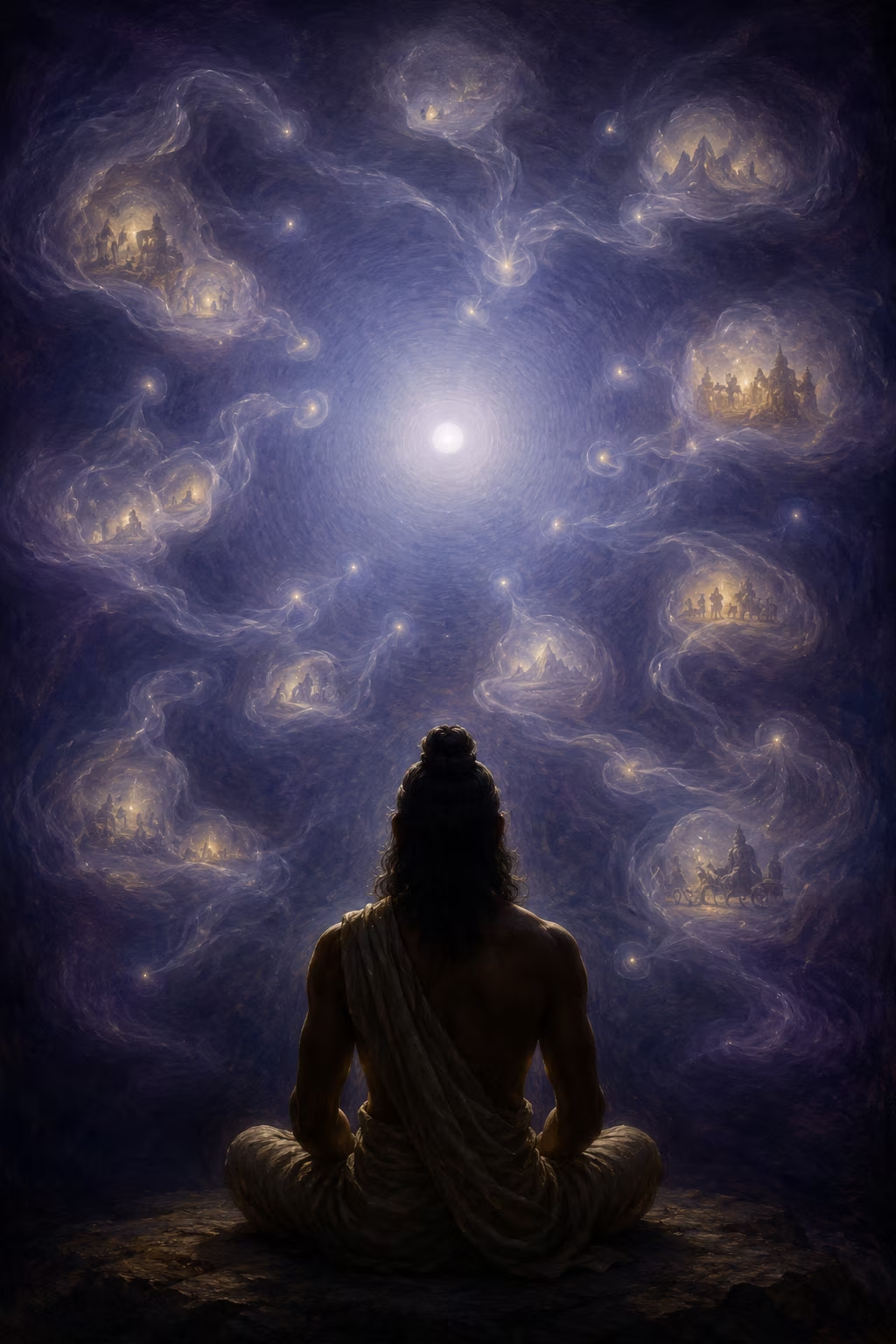
यहाँ भैरव सजगता को विचार करने वाले की ओर लौटाते हैं। श्लोक ९४: भाव करो 'मेरे भीतर मन आदि कोई अन्तःकरण है ही नहीं'; टिकने को कोई विकल्प न रहने पर तुम उनसे मुक्त हो जाते हो। श्लोक ९५: देखो कि माया और तत्त्वों का खेल बस घट रहा है — उनके स्वभाव का विचार करते हुए तुम पृथक् अनुभव करना छोड़ देते हो। श्लोक ९६: जब कोई इच्छा अकस्मात् उठे, बस उसे देखो; धीरे से शान्ति की ओर ले जाने पर वह उसी स्रोत में लौट जाती है जिससे उठी थी। श्लोक ९७ रत्न है — 'जब मुझमें न इच्छा उठी है, न विचार, तब मैं कौन हूँ? तत्त्वतः मैं वही हूँ' — वहीं ठहरकर उसी के साथ एकमय हो जाओ। श्लोक ९८: जब कोई विचार उठे, उस पर आत्म-सजगता से, अनन्य होकर, ध्यान रखो, और उसके पीछे का सत्य दिख जाता है। श्लोक ९९: हर बोध निर्निमित्त, निराधार, क्षणिक, किसी का नहीं — यह देखकर तुम शिव हो। यह निरा देखना है — कोई विधि नहीं, कुछ ज़बरदस्ती नहीं।
Here Bhairav turns attention back onto the thinker. Verse 94: contemplate 'there is no mind or inner organ within me at all'; with no thought-constructs to lean on, you are freed of them. Verse 95: see that maya and the play of the cosmic principles are simply happening — contemplating their nature, you stop feeling separate. Verse 96: when a desire suddenly springs up, just watch it; led gently to quiet, it dissolves back into the very source it rose from. Verse 97 is the jewel — 'when no desire and no thought have arisen in me, then who am I? In truth I am That' — rest there and become one with it. Verse 98: when a thought does arise, place attention on it with Self-awareness, undistracted, and the truth behind it is seen. Verse 99: every cognition arises causeless, baseless, fleeting, belonging to no one — seeing this, you are Shiva. It is pure looking — no technique, nothing to force.
cittādyantaḥkṛtir nāsti mamāntar bhāvayed iti ।
vikalpānām abhāvena vikalpair ujjhito bhavet ॥
इस प्रकार भाव करो: 'मेरे भीतर मन आदि कोई अन्तःकरण है ही नहीं।' विकल्पों के अभाव से साधक समस्त विकल्पों से मुक्त हो जाता है।
Contemplate: 'there is no mind or inner organ within me at all.' With no thought-constructs to lean on, one is freed of them all.
māyā vimohinī nāma kalāyāḥ kalanaṃ sthitam ।
ityādidharmaṃ tattvānāṃ kalayan na pṛthag bhavet ॥
'विमोहिनी माया, कला (सीमित कर्तृत्व) का खेल — यह सब बस चल रहा है' — इस प्रकार तत्त्वों के स्वभाव का विचार करते हुए साधक पृथक् (अलग) नहीं रह जाता।
'Maya the deluder, the play of limited agency — all this simply goes on' — contemplating in this way the nature of the cosmic principles, one no longer stands apart.
jhagitīcchāṃ samutpannām avalokya śamaṃ nayet ।
yata eva samudbhūtā tatas tatraiva līyate ॥
अकस्मात् उठती हुई इच्छा को देखकर उसे धीरे से शान्ति की ओर ले जाओ; जिस स्रोत से वह उठी, उसी में वह विलीन हो जाती है।
Watching a desire as it suddenly arises, lead it gently to stillness; from the very source it sprang from, there it dissolves.
yadā mamecchā notpannā jñānaṃ vā kas tadāsmi vai ।
tattvato 'haṃ tathābhūtas tallīnas tanmanā bhavet ॥
जब मुझमें न इच्छा उठी है, न ज्ञान (विचार) — तब मैं वस्तुतः कौन हूँ? तत्त्वतः मैं वही हूँ; उसी में लीन होकर साधक उसी के साथ एकमय हो जाता है।
When neither desire nor thought has arisen in me — then who am I, truly? In reality I am That; dissolving into it, one becomes one with it.
icchāyām athavā jñāne jāte cittaṃ niveśayet ।
ātmabuddhyānanyacetās tatas tattvārthadarśanam ॥
जब कोई इच्छा या ज्ञान (विचार) उठे, तब मन को उसी पर रखो — आत्म-बुद्धि से, अनन्य चित्त होकर; तब उसके पीछे के तत्त्व का दर्शन होता है।
When a desire or a cognition has arisen, place the mind upon it — with Self-awareness, turning nowhere else; then comes the seeing of the truth behind it.
nirnimittam bhavej jñānaṃ nirādhāram bhramātmakam ।
tattvataḥ kasyacin naitad evambhāvī śivaḥ priye ॥
ज्ञान (कोई भी बोध) निर्निमित्त, निराधार, भ्रम-रूप उठता है; तत्त्वतः वह किसी का नहीं। यह देखकर, हे प्रिये, साधक शिव हो जाता है।
A cognition arises causeless, without support, illusory by nature; in reality it belongs to no one. Seeing this, O beloved, one comes to be Shiva.
सजगता को विचारों और इच्छाओं के अनवरत प्रवाह से हटाकर उस ओर लौटाना जिसमें वे प्रकट होते हैं — और यह पाना कि जब कोई विचार विलीन होता है, तब जो शेष रहता है वह कोरा खालीपन नहीं, बल्कि एक मौन, जाग्रत उपस्थिति है: तुम, अगले विचार से पहले।To turn attention back from the endless stream of thoughts and desires onto the one they appear to — and to find that when a thought dissolves, what remains is not blankness but a silent, awake presence: you, before the next thought.
पूर्व तैयारी: Before you begin: शान्त बैठो, आँखें मूँदी हुई, कुछ बिना-जल्दी के मिनट।Sit quietly, eyes closed, a few unhurried minutes.
अवधि: Duration: १०–१५ मिनट।10–15 minutes.
क्या देखें: What to notice: ध्यान दो कि जब कोई विचार विलीन होता है, तब जो बचता है वह कुछ-नहीं नहीं — एक शान्त, जाग्रत 'मैं हूँ' है, जिसका न कोई आकार है न कोई कहानी। जितना तुम उसी के रूप में ठहरते हो, उतना स्पष्ट होता है कि तुम वही मौन सजगता हो जिसमें विचार उठते और मिटते हैं, विचार नहीं। यही श्लोक का 'तत्त्वतः मैं वही हूँ' है।Notice that when a thought dissolves, what's left is not nothing — there is a quiet, awake 'I am' with no shape and no story. The more you rest as that, the clearer it is that you are the silent awareness in which thoughts appear and vanish, not the thoughts themselves. That is what the verse means by 'in truth I am That.'
सावधानी: Take care: केवल कोमल देखना — कोई ज़ोर नहीं। यह विचारों को बलपूर्वक रोकना नहीं है (इससे केवल तनाव बनता है); बस सजगता को धीरे-धीरे उनके पीछे वाले की ओर लौटाते रहो। यदि आत्म-विचार कभी अस्थिर करने वाला लगे, या तुम असामान्य रूप से कटे हुए या अवास्तविक अनुभव करो, तो रुको, आँखें खोलो, पैरों को ज़मीन पर महसूस करो, और सामान्य कार्य में लौट आओ — इसे धीरे और हल्के से लो।Gentle looking only — no strain. This is not about forcibly stopping thoughts (which only creates tension); just keep gently turning attention back to the one behind them. If self-inquiry ever feels destabilising, or you feel unusually detached or unreal, stop, open your eyes, feel your feet on the ground, and return to ordinary activity — take it slowly and lightly.
कुछ मिनट बैठो और, विचारों के बीच के अन्तरालों में, धीरे से पूछो 'यहाँ कोई विचार न हो तो मैं कौन हूँ?' — फिर उस मौन उपस्थिति में ठहरो जो बिना शब्दों के उत्तर देती है। कि विचारों के पीछे कुछ जाग्रत और स्थिर सदा यहीं है — यही श्लोक का तुम्हारे अपने देखने में प्रमाण है। करके देखो; फिर स्वयं देखो।
Sit for a few minutes and, in the gaps between thoughts, gently ask 'who am I, with no thought here?' — then rest in the silent presence that answers without words. That something awake and steady is always here behind the thoughts is the verse, verified in your own looking. Try it; then see for yourself.