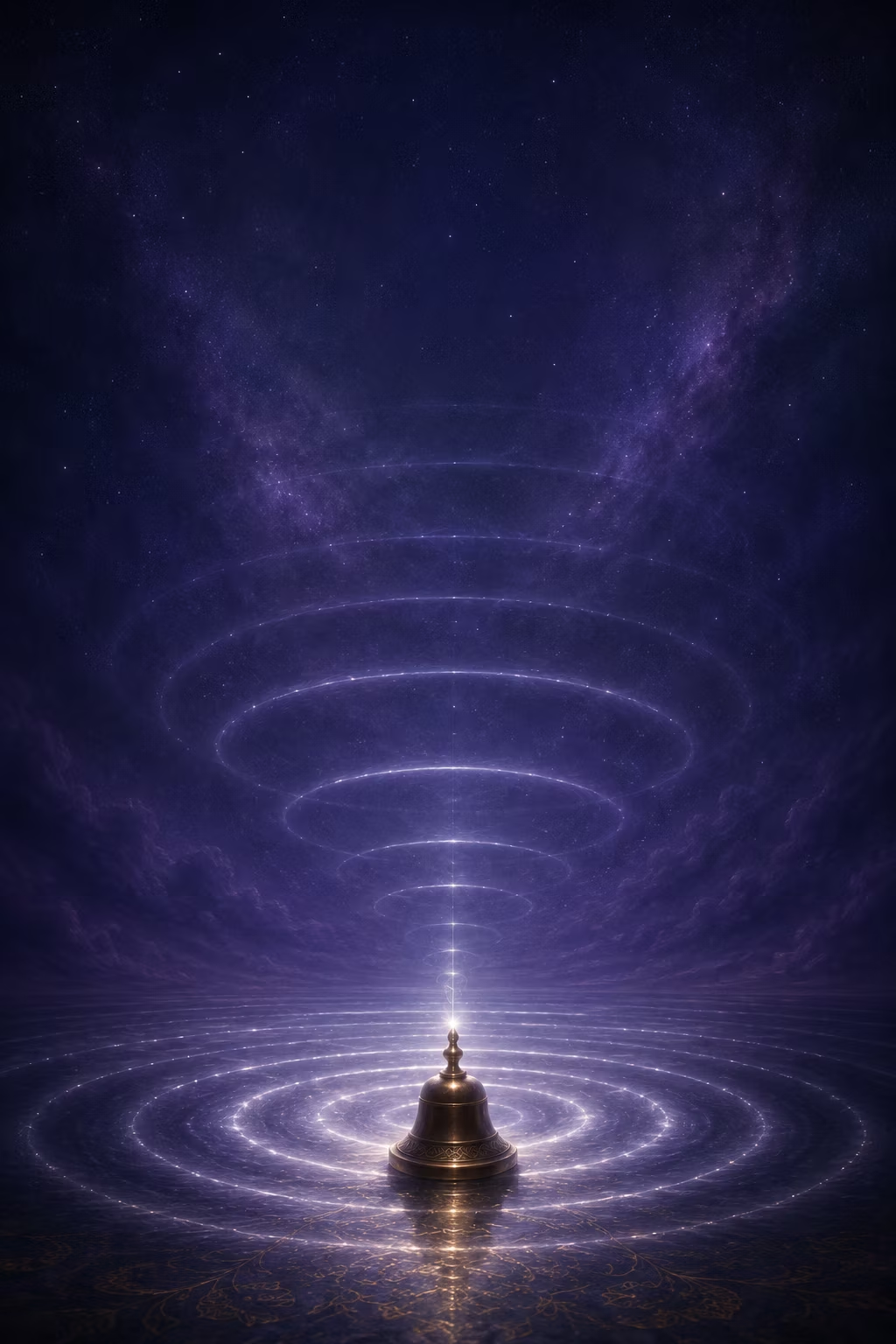
विज्ञानभैरव ध्वनि को ही एक द्वार बनाते हैं। श्लोक ४० में भैरव कहते हैं: किसी भी ध्वनि के ठीक आदि और ठीक अन्त पर ध्यान दो — वह मौन जिससे वह उठती है और वह मौन जिसमें वह डूब जाती है। उस शून्य में ठहरो, और तुम उसी का स्वरूप ले लेते हो: विस्तृत, शून्य, जाग्रत। श्लोक ४१ इसका सबसे सुन्दर रूप देता है — वीणा जैसे तन्तु-वाद्य का लम्बा, खिंचता हुआ स्वर, अनन्य चित्त से उसके अन्त तक अनुसरण किया जाए, जहाँ वह मौन में पतला होकर मिट जाता है; वहाँ साधक परम व्योम (परम आकाश) हो जाता है। पूरी विधि बस इतनी है — सुनो, और जहाँ ध्वनि समाप्त होती है उसके पार, पीछे छूटे मौन में, सुनते रहो।
The Vigyan Bhairav offers sound itself as a doorway. In verse 40, Bhairav says: attend to the very beginning and the very end of any sound — the silence out of which it rises and the silence into which it falls. Rest in that emptiness and you take on its nature: spacious, void, awake. Verse 41 gives the loveliest form of it — the long, sustained tone of a stringed instrument like the vina, followed with an undistracted mind all the way to its end, where it thins out into silence; there one becomes the supreme sky (paravyoma). The whole technique is simply to listen — and to keep listening past where the sound ends, into the quiet it leaves behind.
yasya kasyāpi varṇasya pūrvāntāv anubhāvayet ।
śūnyayā śūnyabhūto 'sau śūnyākāraḥ pumān bhavet ॥
किसी भी ध्वनि या अक्षर के आदि और अन्त का अनुभव करो — वह मौन जिससे वह उठती है और जिसमें वह डूब जाती है। उस शून्य के द्वारा साधक शून्य-रूप हो जाता है, शून्य के ही स्वरूप का।
Dwell on the beginning and the end of any sound or syllable — the silence it rises out of, the silence it sinks back into. Through that void one becomes void-natured, of the very form of the void.
tantryādivādyaśabdeṣu dīrgheṣu kramasaṃsthiteḥ ।
ananyacetāḥ pratyante paravyomavapur bhavet ॥
वीणा आदि तन्तु-वाद्यों की लम्बी, क्रमशः चलती ध्वनियों में — जिसका चित्त कहीं और नहीं भटकता, वह अन्त में, जब स्वर मौन में डूबता है, परम व्योम (परम आकाश) का स्वरूप हो जाता है।
In the long, sustained tones of a vina and other stringed instruments, drawn out in unbroken sequence — the one whose mind never wanders, at the very end (as the tone dies into silence), becomes of the nature of the supreme sky (paravyoma).
ध्वनि को — जिसे मन स्वभाव से पकड़ता है — उसके पीछे के मौन में प्रवेश का द्वार बनाना। जब स्वर मिटता है, एक क्षण आता है जब ध्वनि अ-ध्वनि बन जाती है; ठीक वहीं सजगता को टिकाने से वह विस्तृत, जाग्रत मौन प्रकट होता है जो सदा से उपस्थित था।To use sound — which the mind naturally latches onto — as a doorway into the silence behind it. As a tone fades there is a moment where sound becomes no-sound; resting attention exactly there reveals a spacious, awake quiet that was present all along.
पूर्व तैयारी: Before you begin: एक शान्त स्थान। ऐसी ध्वनि उपयोगी है जिसका स्वर धीरे-धीरे लम्बा होकर मिटे — सिंगिंग बाउल, घंटी, तानपूरा/वीणा का स्वर, कोई झंकृत तार — पर साधारण आवाज़ें भी चलती हैं।A quiet place. Helpful to have a sound with a long, clean fade — a singing bowl, a bell, a tanpura/vina drone, a struck string — but ordinary sounds work too.
अवधि: Duration: १०–१५ मिनट; या जब भी घंटी/बाउल पास हो, कुछ बार।10–15 minutes; or a few rounds whenever a bell or bowl is at hand.
क्या देखें: What to notice: जैसे ध्वनि मिटती है, उस क्षण को देखो जब वह मौन बन जाती है — और कि वह मौन मुर्दा खालीपन नहीं, बल्कि एक जाग्रत, विस्तृत उपस्थिति है। जितना तुम वहाँ ठहरते हो, उतना वह शान्ति विशाल लगती है, मानो उसका कोई किनारा नहीं (परम व्योम)। वही सुनती हुई स्थिरता द्वार है।As the sound fades, notice the instant it becomes silence — and that the silence is not dead emptiness but a wakeful, spacious presence. The more you rest there, the more the quiet feels vast, as if it has no edges (the supreme sky). That listening stillness is the doorway.
सावधानी: Take care: कोमल और पूर्णतः सुरक्षित — केवल सुनना। आवाज़ का स्तर सुखद रखो; यदि स्वयं गुंजाओ तो स्वर पर ज़ोर मत डालो। यहाँ कुछ भी बलपूर्वक नहीं। यदि वह विस्तृत मौन कभी असहज या भटकाने वाला लगे, तो आँखें खोलो और आसपास की साधारण आवाज़ों को सुनो।Gentle and entirely safe — only listening. Keep the volume comfortable; if you hum, don't strain the voice. Nothing here is forced. If the spacious silence ever feels disorienting, open your eyes and notice the ordinary sounds around you.
कुछ बार स्वर को मिटते सुनने के बाद स्वयं से पूछो: ध्वनि के समाप्त होते ही क्या विचाररहित, निर्मल शान्ति की एक झलक थी? वह मौन हर ध्वनि के पीछे, दिनभर प्रतीक्षा करता है — एक घंटी, बंद होता द्वार, बोले गए शब्द का अन्त। उसे देखना आरम्भ करो; यही पूरी साधना है। करके देखो; फिर स्वयं देखो।
After a few fades, ask yourself: in the moment the sound ended, was there a flicker of pure, thought-free quiet? That silence waits behind every sound, all day — a bell, a closing door, the end of a spoken word. Begin to notice it; that is the whole practice. Try it; then see for yourself.