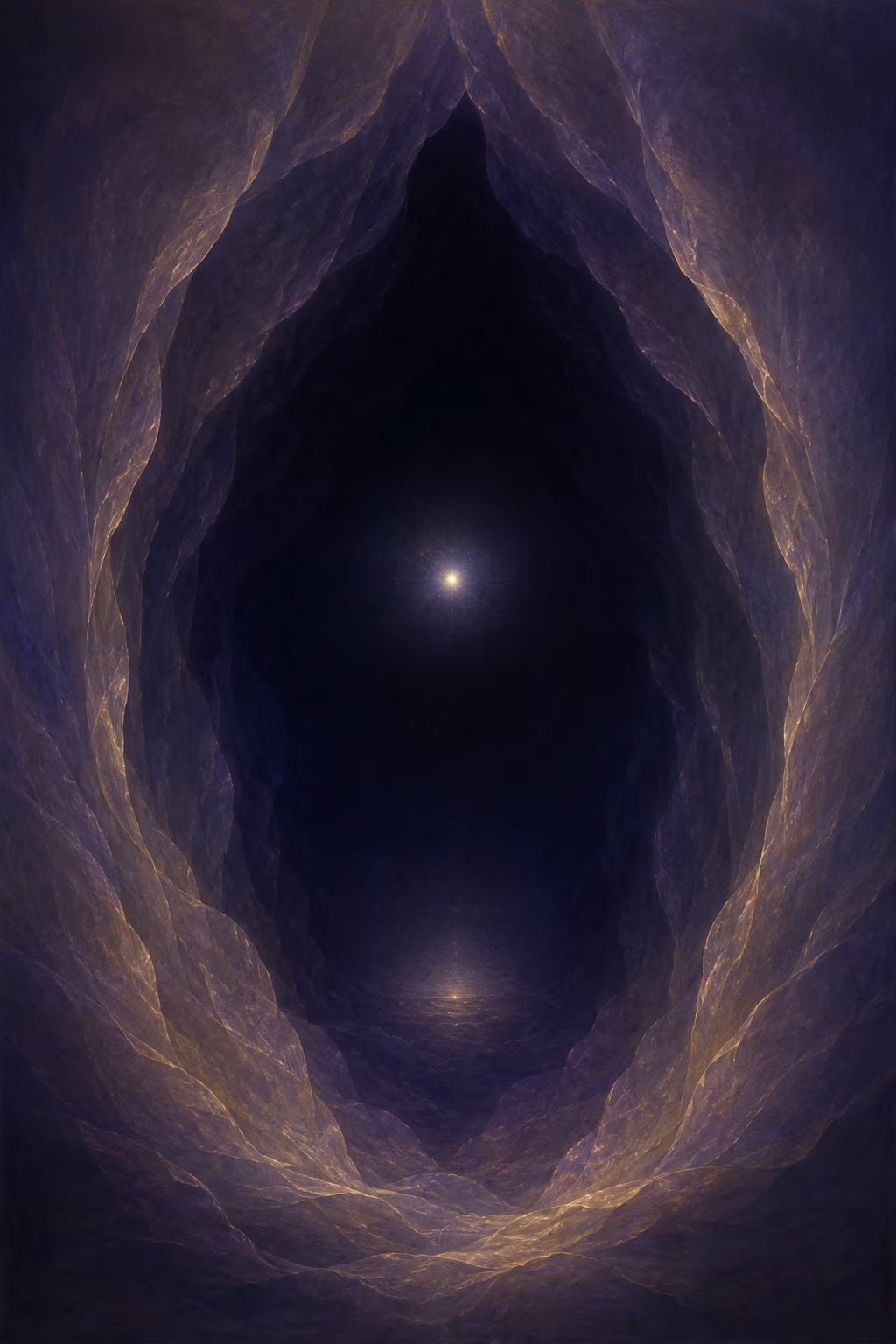
बिन्दु — ज्योति के बीज-बिन्दु — पर दो धारणाएँ। श्लोक ३६ में साधक हाथों से इन्द्रियों के द्वार मूँदता है (षण्मुखी मुद्रा — जिसे परम्पराएँ केवल प्रत्यक्ष सिखाती हैं) और भ्रू-मध्य की ग्रन्थि को भेदता है; एक ज्योति-बिन्दु दिखाई देता है, और उसके क्रमशः विलीन होने पर, उसके मध्य में, परम स्थिति में विश्राम होता है। श्लोक ३७ उसी बिन्दु को सूक्ष्म अग्नि के तिलक रूप में लेता है — अन्तर्ज्योति के क्षोभ से जन्मी चिनगारी — शिखान्त में और हृदय में; उसके लय के साथ मन का भी लय हो जाता है। चूँकि श्लोक ३६ में आँखों-कानों पर शारीरिक दबाव, इन्द्रिय-द्वारों का निरोध और एक सूक्ष्म केन्द्र का भेदन है, परम्पराएँ इसे केवल आमने-सामने सिखाती हैं — नेत्र-गोलकों को दबाना सचमुच नाज़ुक है। यह Room पाठ और अर्थ देता है; साधना जीवित गुरु के पास है। इसके सुरक्षित सहोदर: स्थिर हुए मन से टकटकी (Room ७८), चार्ज्ड गैप और कुएँ की टकटकी (Room ११५), और दो विचारों के बीच का ठहराव (Room ५८)।
Two dharanas on the bindu — the seed-point of light. In verse 36 the yogi seals the openings of the senses with the hands — the shanmukhi mudra, which the lineages teach only in person — and pierces the knot at the eyebrow-centre; a drop of light appears, and as it gradually dissolves, in its midst one rests in the supreme. Verse 37 takes that same bindu as a tilaka of subtle fire — a spark born of a stirring within the inner light — held at the crown's end and in the heart, and as it dissolves, the mind dissolves with it. Because verse 36 involves physical pressure on the eyes and ears, restraint of the sense-doors, and the piercing of a subtle centre, the lineages teach it only face to face — pressing the eyeballs is genuinely delicate. This Room gives the Text and Decode; the practice belongs with a living teacher. Its safe cousins: gazing with a mind gone still (Room 78), the charged gap and the well-gaze (Room 115), and the still gap between thoughts (Room 58).
kararuddhadṛgastreṇa bhrūbhedād dvārarodhanāt ।
dṛṣṭe bindau kramāl līne tanmadhye paramā sthitiḥ ॥
हाथों (की अंगुलियों) रूपी अस्त्र से (नेत्र आदि) द्वारों को रोकने और भ्रू-मध्य के भेदन से जो बिन्दु दिखाई देता है, उसके क्रमशः लीन होने पर उसके मध्य में परम स्थिति (प्राप्त होती) है।
Sealing the doors of the senses with the weapon of the hands, piercing the eyebrow-centre — a point of light is seen; as it gradually dissolves, in its midst is the supreme abiding.
dhāmāntaḥkṣobhasambhūtasūkṣmāgnitilakākṛtim ।
binduṃ śikhānte hṛdaye layānte dhyāyato layaḥ ॥
अन्तर्ज्योति (धाम) के क्षोभ से उत्पन्न, सूक्ष्म अग्नि के तिलक की आकृति वाले बिन्दु का शिखान्त में और हृदय में ध्यान करने वाले का, उस (बिन्दु) के लय के अन्त में, (मन का भी) लय हो जाता है।
Meditating on the bindu — shaped like a tilaka of subtle fire, born of a stirring within the inner light — at the crown's end and in the heart: as it dissolves, the mind dissolves with it.
बाहरी द्वारों को इतना पूर्ण मूँद देना कि जो ज्योति सामान्यतः इन्द्रियों से बाहर बहती है, वह भ्रू-मध्य पर एक दृश्य बिन्दु में सिमट आए — फिर उसमें विश्राम करना जो शेष रहता है, जब वह बिन्दु भी पिघल जाता है। बिन्दु बीज रूप में सघन हुई चेतना है; उसका लय ही मन का अपना लय है — परम स्थिति में।To close the outward doors so completely that the light which normally streams out through the senses gathers into a single visible point at the brow — then to rest in what remains as even that point melts. The bindu is consciousness condensed to a seed; its dissolving is the mind's own dissolving into the supreme state.
यह स्वयं करने की साधना नहीं है — अपने नेत्र-गोलकों को मत दबाओ, न अपने कान-नासिका स्वयं बन्द करो। षण्मुखी मुद्रा में नाज़ुक अंगों पर वास्तविक शारीरिक दबाव, श्वास-द्वारों का निरोध और भ्रू-मध्य का वह भेदन है जिसे परम्पराएँ केवल प्रत्यक्ष देती हैं — गुरु हाथ, दबाव और अवधि को साधता है। मूँदी आँखों के पीछे ज़बरदस्ती खोजी गई रोशनियाँ तनाव हैं, बिन्दु नहीं। यदि यह धारणा तुम्हें पुकारे, तो इसे जीवित गुरु से सीखो। तब तक इसके सुरक्षित सहोदर बिना द्वार छुए वही स्थिरता खोलते हैं: स्थिर टकटकी (Room ७८), गहरा कुआँ और चार्ज्ड गैप (Room ११५), दो विचारों के बीच का ठहराव (Room ५८)।This is NOT a self-serve practice — do not press your eyeballs or block your ears and nostrils on your own. The shanmukhi mudra involves real physical pressure on delicate organs, restraint of the breath-doors, and a piercing of the brow-centre that the lineages transmit only in person, with the teacher adjusting hand, pressure and duration. Lights willfully chased behind closed eyes are strain, not the bindu. If this dharana calls you, learn it from a living teacher. Until then, its safe cousins open the same stillness without touching the doors: the still gaze (Room 78), the deep well and the charged gap (Room 115), the still gap between thoughts (Room 58).
दिशा का स्वाद आज रात सुरक्षित ले सकते हो: किसी छोटी स्थिर ज्योति को देखो — दूर का दीपक, एक अकेला तारा — जब तक आँखें विश्राम में न आ जाएँ और देखना शान्त न हो जाए; फिर आँखें मूँदकर उसकी आभा को धीरे-धीरे बुझते देखो — और वह क्या है जो उसके पूर्ण बुझ जाने पर शेष रहता है। वही साधारण बुझना वह द्वार है जिसे ये श्लोक उसकी गहराई तक ले जाते हैं। द्वारों का पूर्ण मूँदना — उस दिन के लिए छोड़ दो जब जीवित गुरु उसे तुम्हें दे।
You can taste the direction safely tonight: watch any small steady light — a distant lamp, a single star — until the eyes rest and the watching goes quiet; then close the eyes and notice the afterglow fade, and what remains when it has fully gone. That ordinary fading is the doorway these verses drive to its depth. The full sealing of the doors — leave that for the day a living teacher gives it to you.