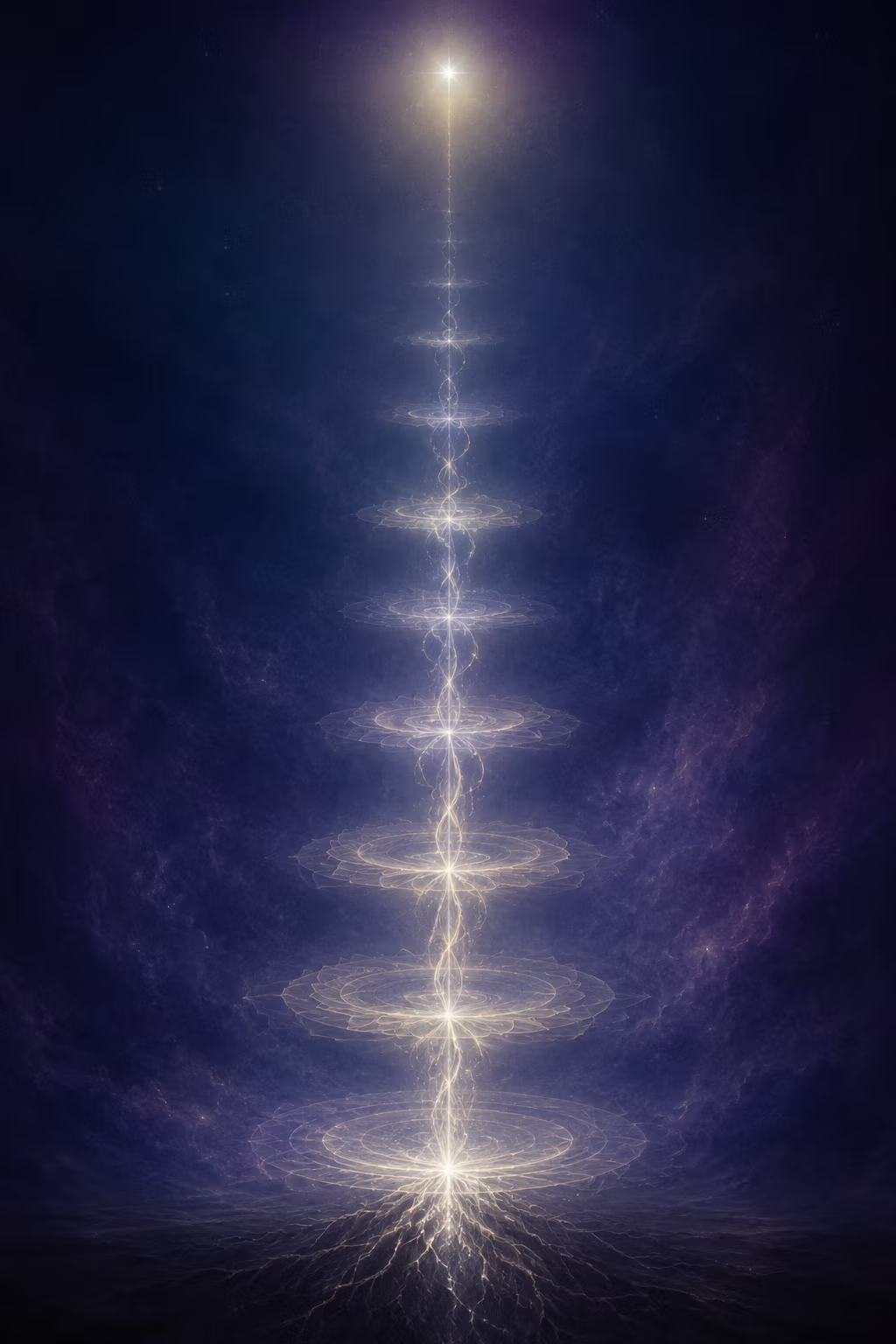
श्लोक २८–३१ योग के सबसे प्रसिद्ध आरोहण का मानचित्र हैं। इनमें साधक प्राणशक्ति — कुण्डलिनी — का चिन्तन करता है: मूल से किरण के समान उठती, सूक्ष्म से सूक्ष्मतर होती, जब तक वह मूर्धा के ऊपर द्वादशान्त में विलीन नहीं हो जाती — और भैरव का उदय होता है (२८); बिजली की भाँति चक्र-चक्र पर क्रमशः ऊपर चमकती (२९); उसके बारह स्थान, जो बारह अक्षरों से चिह्नित हैं, एक-एक करके छूटते जाते हैं — स्थूल, सूक्ष्म, पर — अन्त में शिव ही शेष रहते हैं (३०); शीघ्र मूर्धान्त तक भरी जाकर, भ्रू-मध्य के सेतु से पार, निर्विकल्प मन से — सबके शिखर पर सर्वव्यापी का उदय (३१)। पाठ मानचित्र देता है — जान-बूझकर कोई स्वयं-सेवा विधि नहीं देता। बिना तैयारी और जीवित मार्गदर्शन के इस धारा को बलपूर्वक उठाना शरीर और मन को सचमुच विचलित कर सकता है; इसीलिए हर परम्परा इसे केवल आमने-सामने देती है। अतः यह Room पाठ और अर्थ देता है; साधना स्वयं जीवित गुरु के पास है। तब तक इसके सुरक्षित सहोदर हैं — Room २४ (श्वास के अपने अन्तराल में विश्राम) और Room ५० (द्वादशान्त पर कोमल ध्यान)।
Verses 28–31 map the most famous ascent in all of yoga. In them the yogi contemplates the breath-power herself — kundalini — rising from the root like a ray of light, growing subtler than subtle, until she dissolves at the dvadashanta above the crown and Bhairav dawns (28); flashing upward like lightning, centre to centre, step by step (29); her twelve stations, each marked by its own letter, released in turn — gross, subtle, supreme — until only Shiva remains (30); filled swiftly to the crown and crossed over by the bridge at the eyebrow-centre, the mind free of all thought, so that the All-pervading rises at the summit of everything (31). The text gives the map — deliberately, it gives no self-serve method. Raising this current by force, without preparation and a living guide, can genuinely disturb body and mind; that is why every lineage transmits it only face to face. This Room therefore offers the Text and its Decode; the practice itself belongs with a living teacher. Until that door opens, its safe cousins are Room 24 (resting in the breath's own gap) and Room 50 (soft attention at the dvadashanta).
āmūlāt kiraṇābhāsāṃ sūkṣmāt sūkṣmatarātmikām ।
cintayet tāṃ dviṣaṭkānte śāmyantīṃ bhairavodayaḥ ॥
मूल (आधार) से किरण के समान चमकती हुई, सूक्ष्म से सूक्ष्मतर होती हुई उस (प्राणशक्ति) का चिन्तन करे, जो द्विषट्कान्त (द्वादशान्त) में शान्त हो जाती है — (वहीं) भैरव का उदय होता है।
Contemplate her — the breath-power radiant like a ray from the very root, subtler and ever subtler — dissolving at the dvadashanta: there Bhairav dawns.
udgacchantīṃ taḍitrūpāṃ praticakraṃ kramāt kramam ।
ūrdhvaṃ muṣṭitrayaṃ yāvat tāvad ante mahodayaḥ ॥
बिजली के रूप वाली उस (शक्ति) को चक्र-चक्र पर क्रमशः ऊपर उठती हुई भावना करे — ऊपर तीन मुट्ठी (द्वादशान्त) तक; तब अन्त में महोदय (महान् उदय) होता है।
Contemplate her rising like lightning, centre to centre, step by step, up to three fists above — and at the end, the great dawn.
kramadvādaśakaṃ samyag dvādaśākṣarabheditam ।
sthūlasūkṣmaparasthityā muktvā muktvāntataḥ śivaḥ ॥
बारह स्थानों के क्रम को, जो बारह अक्षरों से भेदित (चिह्नित) है, सम्यक् रूप से (जानकर) — स्थूल, सूक्ष्म और पर स्थिति के द्वारा एक-एक को छोड़ते-छोड़ते अन्ततः शिव (ही शेष रहते हैं)।
Rightly traversing the sequence of twelve stations, each marked by its own letter — releasing each in turn through its gross, subtle and supreme state — at the end, Shiva alone remains.
tayāpūryāśu mūrdhāntaṃ bhaṅktvā bhrūkṣepasetunā ।
nirvikalpaṃ manaḥ kṛtvā sarvordhve sarvagodgamaḥ ॥
उस (शक्ति) से शीघ्र मूर्धान्त (मस्तक के अन्त) तक (स्वयं को) भरकर, भ्रूक्षेप-रूपी सेतु से (उसे) भेदकर, मन को निर्विकल्प करके — सबसे ऊपर (के धाम) में सर्वग (सर्वव्यापी) का उदय होता है।
Filling swiftly with her up to the crown, breaking across by the bridge of the eyebrow-centre, the mind made free of all thought — at the summit of everything, the All-pervading rises.
प्राणशक्ति को स्वयं — सूक्ष्म, दीप्त, ऊर्ध्वगामिनी — मूल से केन्द्रों के बीच से उठने देना, हर चरण पर सूक्ष्मतर होती हुई, जब तक वह द्वादशान्त में विलीन न हो जाए और जो उदित हो वह भैरव हो: स्वयं चेतना, किसी धारा पर सवार नहीं। यही त्रिक के ऊर्जा-मार्ग की रीढ़ है — और यही कारण है कि पूरी परम्परा जीवित हाथ पर बल देती है।To let the breath-power herself — subtle, radiant, upward-moving — rise from the root through the centres, growing finer at every stage, until she dissolves at the dvadashanta and what dawns is Bhairav: awareness itself, no longer riding any current. This is the spine of the Trika's energetic path — and the reason the whole tradition insists on a living hand.
यह स्वयं करने की साधना नहीं है — श्वास रोककर, बलपूर्वक कल्पना से, या चक्रों पर ज़ोर लगाकर कुण्डलिनी उठाने का प्रयास मत करो। बिना तैयारी और जीवित मार्गदर्शन के धकेली गई यह धारा नींद, स्नायु और मन को सचमुच विचलित कर सकती है; इसीलिए हर परम्परा इसे केवल आमने-सामने, साधक के अनुरूप, देती है। यदि यह धारणा तुम्हें पुकारती है, तो किसी शैव या योग परम्परा के जीवित गुरु के पास जाओ और इसे विधिपूर्वक प्राप्त करो। तब तक इसके सुरक्षित सहोदरों में विश्राम करो: श्वास का अपना अन्तराल (Room २४) और द्वादशान्त पर कोमल ध्यान (Room ५०) — वही भूमि, बिना बल के प्रवेश।This is NOT a self-serve practice — do not attempt to raise kundalini by breath-holding, forced visualization, or willed effort at the chakras. Pushed without preparation and living guidance, this current can genuinely disturb sleep, nerves and mind; every lineage therefore transmits it only face to face, matched to the student. If this dharana calls you, seek a living teacher of a Shaiva or yoga lineage and receive it properly. Until that door opens, rest in its safe cousins: the breath's own gap (Room 24) and gentle attention at the dvadashanta (Room 50) — the same territory, entered the unforced way.
आज तुम जो ईमानदारी से जाँच सकते हो, वह इस मानचित्र का पहला सत्य है: चुपचाप बैठो और देखो कि श्वास की सचमुच एक अनुभूत जड़ है — देह में नीचे — और मूर्धा के ऊपर एक अनुभूत शिखर; यही उस मार्ग के दो छोर हैं जिस पर ये श्लोक चढ़ते हैं। फिर सुरक्षित सहोदरों को तुम्हें ले चलने दो: Room २४ का अन्तराल, Room ५० का कोमल द्वादशान्त। इस मार्ग का शेष भाग वास्तविक है — और वह जीवित मार्गदर्शक के साथ चला जाता है।
What you can honestly verify today is the map's first truth: sit quietly and notice that the breath does have a felt root low in the body and a felt summit above the crown — the two ends of the very road these verses climb. Then let the safe cousins carry you: the gap of Room 24, the soft dvadashanta of Room 50. The rest of this road is real — and it is walked with a living guide.