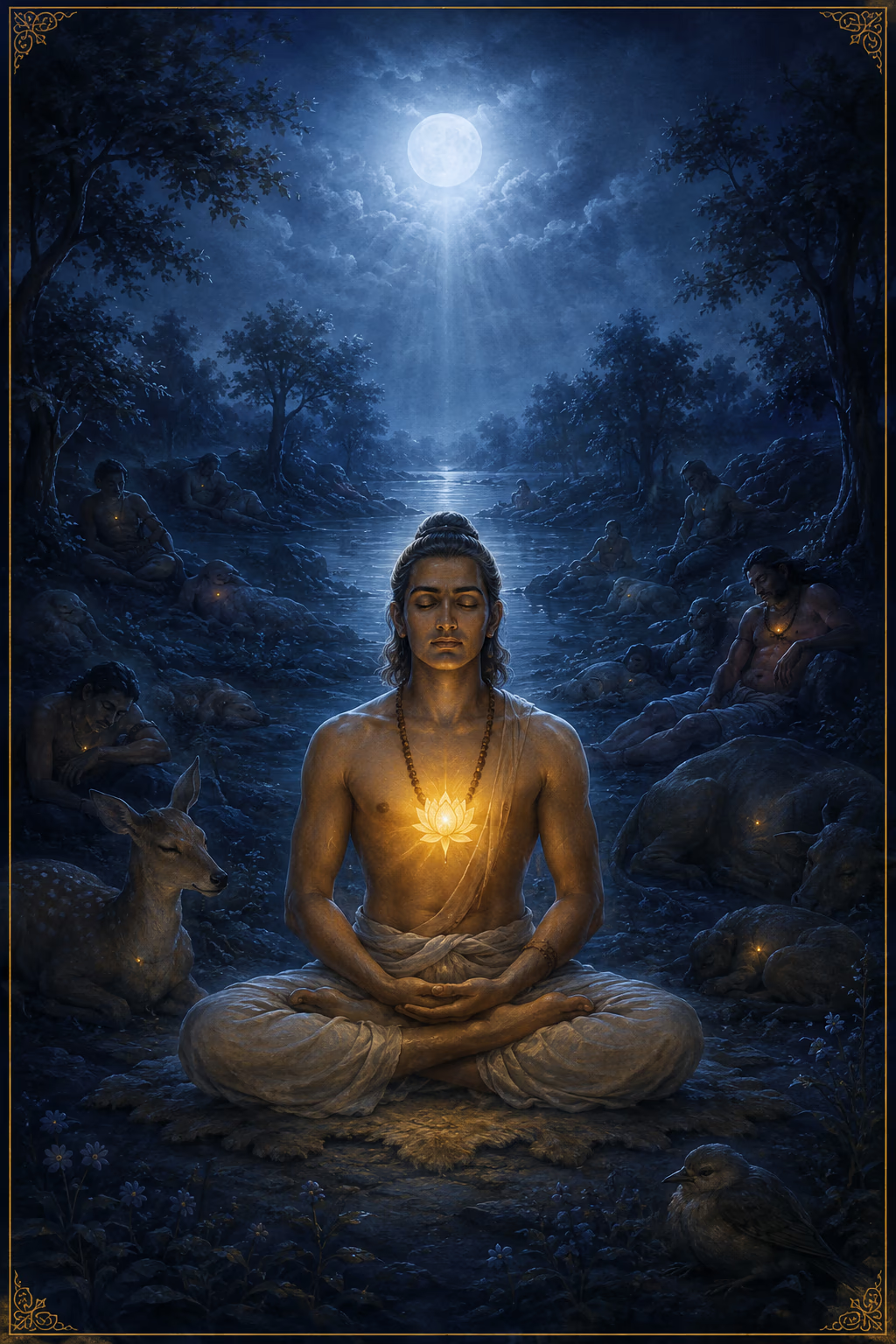
अन्तिम अध्याय पूछता है: कारण स्वभाव है, या काल? — नहीं, यह सब 'ईश्वर की महिमा' है। वही गुणों का स्वामी, एक, अनादि, सर्वज्ञ, आत्मयोनि; वही ब्रह्मचक्र घुमाता है। वह 'एक देव सब भूतों में छिपा' — सबका अन्तरात्मा, सब कर्मों का साक्षी, अकेला। नित्यों में नित्य, चेतनों में चेतन — उसे हृदय से पकड़ा जाता है, आँख से नहीं। और श्वेताश्वतर का अन्तिम वचन: ये सत्य केवल उसी महात्मा पर प्रकाशित होते हैं जिसकी ईश्वर में — और वैसी ही गुरु में — परा भक्ति हो।
The final chapter asks: is the cause nature, or time? — No; all this is 'the greatness of God.' He is master of the qualities, one, beginningless, all-knowing, self-sourced; He turns the wheel of Brahman. He is 'the one God hidden in all beings' — the inner Self of all, witness of every deed, alone. Eternal among the eternal, conscious among the conscious — He is grasped by the heart, not the eye. And the last word of the Śvetāśvatara: these truths shine only for the great soul who has supreme devotion (bhakti) to God — and the same to the guru.
“एको देवः सर्वभूतेषु गूढः” ॥ ११ ॥ · मूल चित्र — इस परियोजना हेतु
कुछ मनीषी (कवि) स्वभावको जगत्का कारण बताते हैं और दूसरे कालको; किन्तु ये सब मोहग्रस्त हैं — यथार्थ नहीं जानते। वस्तुतः यह तो उस देव (परमेश्वर) की ही महिमा है, जिससे यह ब्रह्मचक्र (संसाररूप चक्र) घुमाया जा रहा है।
Some wise men speak of inherent nature (svabhāva) as the cause, and others of time; but these are all deluded. Rather, this is the majesty of the Deva (the Supreme Lord), by which this wheel of Brahman is made to revolve.
सरल अर्थ: संसार को न तो कोरा "स्वभाव" चलाता है, न अकेला "समय" — ऐसा माननेवाले असली बात चूक जाते हैं। यह तो उस एक चेतन परमेश्वर की महिमा है, जिसके बल पर यह पूरा ब्रह्मचक्र (जगत् का घूमता पहिया) घूम रहा है।In simple words: The world isn't run by blind "nature" or impersonal "time" — those who say so have missed the truth. Behind the whole turning wheel of existence (brahma-cakra, the revolving wheel of saṃsāra) stands one conscious God, and it is His majesty that keeps it spinning.
yenāvṛtaṁ nityamidaṁ hi sarvaṁ jñaḥ kālakāro guṇī sarvavidyaḥ । teneśitaṁ karma vivartate ha pṛthvyaptejo'nilakhāni cintyam ॥
जिसके द्वारा यह समस्त जगत् नित्य व्याप्त है, जो ज्ञानस्वरूप, कालका भी कर्ता (कालकार), गुणी (निष्पापत्वादि गुणोंवाला) और सर्वज्ञ है — उसीसे प्रेरित होकर यह पृथ्वी, जल, तेज, वायु और आकाश — यह पञ्चभूतरूप कर्म (जगत्) विवर्तित होता है; अतः उसका चिन्तन करना चाहिये।
By whom this whole is eternally pervaded — the Knower, the maker of time, the qualified one, the all-knowing — impelled by Him this work (the world as earth, water, fire, air and ether) whirls forth; He is to be meditated upon.
सरल अर्थ: जो इस सारे जगत् में सदा भरा हुआ है — शुद्ध ज्ञानस्वरूप, समय का भी रचयिता, सब कुछ जाननेवाला — उसी की प्रेरणा से पृथ्वी, जल, अग्नि, वायु और आकाश की यह पूरी सृष्टि गतिमान होती है। इसलिए मशीन नहीं, उस चलानेवाले का ध्यान करना चाहिए।In simple words: The one who eternally fills all of this — pure awareness, the very maker of time, all-knowing — is the one whose impulse sets the entire material world (earth, water, fire, air, ether) in motion. So it is Him, not the machinery, who is worth meditating on.
उस (पृथ्वी आदि) कर्मको रचकर, उसका निरीक्षण करके, फिर उस तत्त्वके साथ — एक, दो, तीन अथवा आठ तत्त्वोंके साथ, तथा काल और आत्माके सूक्ष्म गुणों (अन्तःकरणके गुणों) के साथ योग कराकर (जो स्थित रहता है, उस परमात्माका चिन्तन करना चाहिये)।
Having created that work and withdrawn it, then uniting the essence of the principle with (its) essence by one, by two, by three or by eight, and by time and by the subtle qualities of the self (He abides; He is to be meditated upon).
सरल अर्थ: वह सृष्टि रचता है, फिर उसे अपने में समेट लेता है — और तत्त्वों को एक, दो, तीन या आठ के मेल में, काल तथा अन्तःकरण के सूक्ष्म गुणों के साथ बुनता है। सृष्टि का यह सारा जटिल ताना-बाना उसी एक का खेल है। (तत्त्व = सृष्टि की मूल इकाइयाँ।)In simple words: He creates the world and then draws it back into Himself, weaving its building-blocks (tattvas) in ones, twos, threes and eights, braided with time and the subtle inner faculties. The whole intricate design of creation is the play of this one God.
जो पुरुष गुणयुक्त (सत्त्वादिसे युक्त) कर्मोंका आरम्भ करके उन्हें तथा समस्त भावोंको (परमात्माको) समर्पित कर देता है, उन कर्मोंका सम्बन्ध न रहनेसे उसके पूर्वकृत कर्मोंका नाश हो जाता है, और कर्मोंका क्षय होनेपर वह (परमात्माको) प्राप्त हो जाता है, क्योंकि वह तत्त्वतः उन (पृथ्वी आदि तत्त्वों) से भिन्न है।
One who begins works endowed with the qualities and consigns all these and all states of being (to the Lord) — on the disappearance of their connection his former works are destroyed, and on the exhaustion of works he attains (the Lord); for he is in truth other than those (elements).
सरल अर्थ: जो अपने कर्म करता तो है पर उन्हें और अपने सारे भावों को परमात्मा को सौंप देता है, उसकी पकड़ ढीली पड़ जाती है — पुराने कर्म क्षीण हो जाते हैं, और कर्म चुकते ही वह परमात्मा को पा लेता है; क्योंकि उसका असली स्वरूप कभी ये जड़ तत्त्व थे ही नहीं। (गुण = प्रकृति के तीन तार — सत्त्व, रज, तम।)In simple words: A person who does his work but hands it, and all his inner states, over to God loosens its grip: his past karma dissolves, and once karma is spent he reaches the Lord — because his true self was never these inert elements. (Guṇa = the three strands — sattva, rajas, tamas — that make up all of nature.)
वह (परमात्मा) सबका आदिकारण, शरीर-संयोगकी निमित्तभूता अविद्याका हेतु, तीनों कालोंसे अतीत और कलारहित (निष्कल) देखा गया है। उस विश्वरूप, संसारके उत्पत्तिस्थान, स्तुत्य देवको अपने चित्तमें स्थित जानकर, वाक्यार्थज्ञान उदय होनेसे पूर्व उपासना करनी चाहिये।
He is the beginning, the cause that is the ground of (the soul's) conjunction, beyond the three times, and is seen as even partless. Worshipping first that adorable Deva of universal form, the source of becoming, seated in one's own heart, (one attains Him).
सरल अर्थ: वही सबका आदिकारण है, देह से हमारे जुड़ाव की जड़ है, भूत-वर्तमान-भविष्य तीनों काल से परे और निष्कल (अंगरहित) है — फिर भी अनुभव में आता है। उस विश्वरूप देव की, जो तुम्हारे ही हृदय में बैठा है, उपासना करो और उसे पा लो। (निष्कल = जिसके कोई अंग या भेद नहीं।)In simple words: He is the first cause, the very ground of our being embodied, beyond past-present-future, and though partless (niṣkala) He is still known in experience. Worship this radiant God — who wears the whole universe as His form yet sits inside your own heart — and you reach Him.
जिससे यह प्रपञ्च प्रवृत्त होता है, वह वृक्षाकार एवं कालाकारसे परे तथा प्रपञ्चसे असंसृष्ट (भिन्न) है। धर्मको प्राप्त करानेवाले, पापका नाश करनेवाले उस भगेश (ऐश्वर्यादिके स्वामी) को अपने भीतर स्थित, अमृतस्वरूप एवं विश्वके आधार जानकर पुरुष उसे प्राप्त हो जाता है।
Higher and other than the forms of the tree (of saṁsāra) and of time, He from whom this manifold world revolves — knowing Him, the bringer of dharma, the remover of sin, the Lord of glory, as seated in oneself, immortal, the abode of all — (one attains Him).
सरल अर्थ: वह संसाररूपी वृक्ष और काल — दोनों से परे और भिन्न है, फिर भी सारा जगत् उसी से घूमता है। धर्म देनेवाले, पाप मिटानेवाले, सब ऐश्वर्य के स्वामी उस देव को अपने भीतर बसा, अमर और सबका आश्रय जानकर मनुष्य मुक्त हो जाता है। (संसार-वृक्ष = जन्म-मरण का अनवरत फैलता पेड़।)In simple words: Beyond and other than the great tree of saṃsāra and beyond time, He is the one from whom the whole world revolves. Know Him — bringer of dharma, eraser of sin, Lord of all glory — as living within you, deathless, the home of everything, and you are set free. (The saṃsāra-tree = the endlessly branching cycle of birth and death.)
उन (वैवस्वत यम आदि लोकपाल) ईश्वरोंके परम महेश्वर, (इन्द्रादि) देवताओंके परम देव, (प्रजापतियों आदि) पतियोंके परम पति, अव्यक्त (अक्षर) से भी परे तथा भुवनोंके ईश उस स्तुत्य देवको हम जानते हैं।
Him the supreme Great Lord of lords, the supreme Deity of deities, the supreme Master of masters, transcendent — Him, the adorable Deva, Lord of the worlds, let us know.
सरल अर्थ: हर शासक के ऊपर उसी का शासन, हर देवता के ऊपर उसी का देवत्व, हर स्वामी के ऊपर उसी की प्रभुता — वह सबसे ऊँचा है। आओ, उस एक स्तुत्य, समस्त लोकों के ईश देव को जानें। (यही प्रसिद्ध "देवों के देव" वाला श्लोक है।)In simple words: Above every ruler is His rule, above every god His godhood, above every master His mastery — He is the highest of the high. Let us come to know this one adorable God, the Lord of all the worlds. (This is the great "God of gods" verse.)
na tasya kāryaṁ karaṇaṁ ca vidyate na tatsamaścābhyadhikaśca dṛśyate । parāsya śaktirvividhaiva śrūyate svābhāvikī jñānabalakriyā ca ॥
उसका कोई कार्य (शरीर) और करण (इन्द्रिय) नहीं है; उसके समान या उससे बढ़कर कोई देखा नहीं जाता। उसकी पराशक्ति ही नाना प्रकारकी सुनी जाती है, जो स्वाभाविक ज्ञानशक्ति, बलशक्ति और क्रियाशक्तिके रूपमें है।
He has no effect (body) and no organ; none is seen equal to Him or greater. His supreme power alone is heard of as manifold — inherent, as knowledge, strength and action.
सरल अर्थ: परमात्मा को कुछ करने के लिए न शरीर चाहिए, न इन्द्रियाँ; न कोई उसके बराबर है, न बड़ा। बस उसकी एक परा शक्ति ही अनेक रूपों में सहज प्रकट होती है — ज्ञान, बल और क्रिया के रूप में। (परा शक्ति = उसकी स्वाभाविक सर्वोच्च ऊर्जा — जानना, चाहना, करना।)In simple words: God needs no body and no senses in order to act, and nothing equals or exceeds Him. His single supreme power (para-śakti) simply is, expressing itself naturally as boundless knowledge, strength and action.
na tasya kaścitpatirasti loke na ceśitā naiva ca tasya liṅgam । sa kāraṇaṁ karaṇādhipādhipo na cāsya kaścijjanitā na cādhipaḥ ॥
लोकमें उसका कोई पति (स्वामी) नहीं है, न कोई नियन्ता (ईशिता) है और न धूम आदिके समान कोई लिङ्ग (चिह्न) ही है जिससे उसका अनुमान हो। वह सबका कारण तथा इन्द्रियोंके अधिपति (जीव) का भी अधिप है; उसका न कोई जनक (उत्पत्तिकर्ता) है और न कोई स्वामी है।
He has no master in the world, nor ruler, nor is there any mark of Him. He is the cause, the overlord of the lords of the organs; He has none who begot Him, nor any lord.
सरल अर्थ: लोक में न कोई उसका स्वामी है, न नियन्ता, और न धुएँ जैसा कोई चिह्न जिससे उसका अनुमान लगे। वह सबका कारण, इन्द्रियों के स्वामी (जीव) का भी स्वामी है; न कोई उसे जन्म देनेवाला है, न उसके ऊपर कोई। वह पूर्णतः अनादि और स्वतन्त्र है।In simple words: No one is His master, no one rules Him, and He leaves no tell-tale mark by which He could be inferred. He is the cause, the ruler even of the ruling souls; nothing gave Him birth and nothing stands above Him — utterly beginningless and free.
yastantunābha iva tantubhiḥ pradhānajaiḥ svabhāvato deva ekaḥ svamāvṛṇot । sa no dadhādbrahmāpyayam ॥
जैसे मकड़ी अपनेसे उत्पन्न तन्तुओंसे अपनेको ढक लेती है, वैसे ही जिस एकमात्र देवने स्वभावतः प्रधान (अव्यक्त) से उत्पन्न (नाम-रूपादि) कार्योंसे अपनेको आवृत कर रखा है, वह हमें ब्रह्ममें लय — एकीभाव — प्रदान करे।
The one Deva who, like a spider with threads, of His own nature has covered Himself with (effects) born of pradhāna — may He grant us mergence into Brahman.
सरल अर्थ: जैसे मकड़ी अपने ही भीतर से तन्तु निकालकर अपने को उनमें लपेट लेती है, वैसे ही एक देव प्रधान (मूल प्रकृति) से उपजे इस सारे जगत् से अपने को ढक लेता है। वही हमें ब्रह्म में लय — उसमें एक हो जाने — का वरदान दे। (प्रधान = अव्यक्त मूल प्रकृति।)In simple words: Like a spider drawing threads out of itself and wrapping itself in its own web, the one God clothes Himself in this whole world spun from primal matter (pradhāna). May He grant us mergence back into Brahman.
समस्त भूतोंमें छिपा हुआ एक (अद्वितीय) देव है; वह सर्वव्यापी, समस्त भूतोंका अन्तरात्मा, कर्मोंका अध्यक्ष, सब भूतोंमें निवास करनेवाला, साक्षी, चेतयिता (चेतनत्व देनेवाला), केवल (उपाधिशून्य) और निर्गुण है।
The one Deva hidden in all beings, all-pervading, the inner Self of all beings, the overseer of works, dwelling in all beings, the witness, the animator, alone and free of qualities.
सरल अर्थ: यही इस अध्याय का हृदय है — एक देव सब प्राणियों में छिपा बैठा है: सर्वव्यापी, सबका अन्तरात्मा, हर कर्म का साक्षी और अध्यक्ष, सबमें बसनेवाला, चेतना देनेवाला, अकेला और निर्गुण। जिस दिव्यता को तुम खोज रहे हो, वह दूर नहीं — तुम्हारे और सबके भीतर गुप्त है। (निर्गुण = गुणों से परे; साक्षी = चुपचाप देखनेवाला।)In simple words: This is the heart of the chapter — one God lies hidden in every being: all-pervading, the innermost Self of all, the silent overseer and witness of every deed, dwelling in all, the animator of consciousness, alone and beyond all qualities (nirguṇa). The divinity you are seeking is not far away — it is concealed within you and within everyone.
जो एक वशी (स्वतन्त्र परमात्मा) बहुत-से निष्क्रिय जीवोंके एक बीजको अनेक प्रकारसे रचता है, अपनेमें स्थित उस देवको जो धीर पुरुष देखते हैं, उन्हींको शाश्वत सुख प्राप्त होता है, दूसरोंको नहीं।
The one controller of the many inactive ones, who makes the one seed manifold — the wise who behold Him seated in the self, to them belongs everlasting happiness, and to no others.
सरल अर्थ: एक स्वतन्त्र प्रभु उन असंख्य जीवों को चलाता है जो स्वयं हिल भी नहीं सकते, और एक ही बीज को अनन्त रूपों में उगा देता है। जो धीर पुरुष उसे अपने भीतर बैठा देख लेते हैं, केवल उन्हीं को शाश्वत सुख मिलता है — और किसी को नहीं।In simple words: One free Lord governs the countless souls that cannot stir on their own, and grows a single seed into endless variety. Only the steady-minded who see Him seated within themselves win everlasting happiness — and no one else.
जो नित्योंमें नित्य और चेतनोंमें चेतन है, जो एक होकर भी बहुतोंकी कामनाओं (भोगों) का विधान करता है, उस सर्वकारण, सांख्ययोगसे अधिगम्य देवको जानकर मनुष्य समस्त पाशों (बन्धनों) से मुक्त हो जाता है।
The eternal among the eternals, the conscious among the conscious, the One who dispenses the desires of the many — knowing that cause, attainable through Sāṅkhya and Yoga, the Deva, one is freed from all bonds.
सरल अर्थ: जिस किसी चीज़ को हम 'अमर' या 'चेतन' कहते हैं—आत्मा हो या देवता—वह अपनी नित्यता और अपनी चेतना इसी एक सत्ता से उधार लेती है; और वही एक होकर भी सब जीवों की कामनाएँ पूरी करने वाला मूल स्रोत है। सांख्य (विवेक-ज्ञान का मार्ग) और योग (साधना-ध्यान का मार्ग)—दोनों से उस तक पहुँचा जा सकता है, और उसे जान लेने पर हर बन्धन अपने-आप टूट जाता है।In simple words: Anything we call deathless or conscious — a soul, a god — borrows its permanence and its awareness from this one Being, who though single is the source that fulfils the longings of all. Both Sāṅkhya (the path of discriminating knowledge) and Yoga (the path of disciplined practice) lead to Him, and once He is known every bond falls away on its own.
na tatra sūryo bhāti na candratārakaṁ nemā vidyuto bhānti kuto'yamagniḥ । tameva bhāntamanubhāti sarvaṁ tasya bhāsā sarvamidaṁ vibhāti ॥
उस (परमात्मा) में सूर्य प्रकाशित नहीं करता (न भासित होता), न चन्द्र-तारे, न ये बिजलियाँ चमकती हैं, फिर यह अग्नि कहाँ? उस प्रकाशमानके पीछे ही सब प्रकाशित होते हैं; उसीके प्रकाशसे यह सब प्रकाशित होता है।
There the sun shines not, nor the moon and stars, nor do these lightnings shine — whence then this fire? Him alone, as He shines, all shine after; by His light all this shines.
सरल अर्थ: सूरज, चाँद, तारे, बिजली, आग—ये सब रोशनी तो देते हैं, पर सब उधार की रोशनी से चमकते हैं और उस चेतन-सत्ता के सामने फीके पड़ जाते हैं। असली प्रकाश वही है: जैसे उसी के पीछे-पीछे सब कुछ जगमगाता है, उसी के एक प्रकाश से यह पूरा जगत् दिखाई देता है।In simple words: The sun, moon, stars, lightning, fire — all give light, yet each shines only with a borrowed glow that fades before Him. He is the true light: everything shines only in His wake, and it is by His one radiance that this whole world becomes visible at all.
इस भुवनके मध्य एक ही हंस (परमात्मा) है, वही जलमें (देहरूप जलमें) स्थित अग्नि है। उसीको जानकर मनुष्य मृत्युके पार हो जाता है; इससे भिन्न (मोक्षरूप) परम गतिके लिये कोई अन्य मार्ग नहीं है।
One Swan (Self) is in the midst of this world; He alone is the fire seated in the water. Knowing Him alone one goes beyond death; there is no other path for the (final) journey.
सरल अर्थ: इस पूरे संसार के बीचोंबीच एक ही 'हंस'—एक ही परमात्मा—बसता है (हंस = मुक्त आत्मा का प्रतीक), जो हमारे देह रूपी जल में छिपी आग की तरह भीतर ही विद्यमान है। बस उसी को पहचान लेना मृत्यु के पार जाने का रास्ता है; मुक्ति तक पहुँचने का और कोई मार्ग है ही नहीं।In simple words: In the very middle of this world dwells one 'swan' — one Supreme Self (haṃsa, the emblem of the free soul) — lying within us like fire hidden in water. To recognize Him alone is the way beyond death; for reaching liberation there is simply no other road.
sa viśvakṛdviśvavidātmayonirjñaḥ kālakāro guṇī sarvavidyaḥ । pradhānakṣetrajñapatirguṇeśaḥ saṁsāramokṣasthitibandhahetuḥ ॥
वह विश्वका कर्ता, विश्वको जाननेवाला, आत्मयोनि (स्वयं ही अपना उत्पत्तिस्थान), ज्ञ (सर्वज्ञ), कालका भी कर्ता (कालकार), गुणी और सर्वविद् है; वही प्रधान (अव्यक्त) और क्षेत्रज्ञका पति, गुणोंका ईश तथा संसारके बन्ध, मोक्ष और स्थितिका हेतु है।
He is the maker of all, the knower of all, self-originated, the Knower, the maker of time, qualified, all-knowing, the lord of pradhāna and of the kṣetrajña, master of the qualities, the cause of the bondage, liberation and continuance of saṁsāra.
सरल अर्थ: वही सब कुछ रचता है और सब कुछ जानता है, किसी से जन्मा नहीं—स्वयं ही अपना उद्गम; वह 'काल का भी कर्ता' (कालकार) है — समय भी उसी का रचा हुआ है। वह प्रधान (मूल अव्यक्त प्रकृति) और क्षेत्रज्ञ (देह को जानने वाले जीव) दोनों का स्वामी है, तीनों गुणों (सत्त्व-रज-तम) का नियन्ता है, और संसार के बन्धन, मुक्ति तथा टिके रहने—इन सबका एक ही कारण है।In simple words: He fashions all and knows all, born of none — His own origin; He is the 'maker of time' (kālakāra) — even time itself is His creation. He is master of both pradhāna (primal unmanifest matter) and the kṣetrajña (the soul that knows its body), controller of the three guṇas (nature's strands — sattva, rajas, tamas), and the single cause behind the world's bondage, its release, and its very continuance.
sa tanmayo hyamṛta īśasaṁstho jñaḥ sarvago bhuvanasyāsya goptā । ya īśe asya jagato nityameva nānyo heturvidyata īśanāya ॥
वह तन्मय (जगद्रूप/ज्योतिर्मय), अमृत (अमरणधर्मा), ईश्वरभावमें सम्यक् स्थित, ज्ञ, सर्वगत तथा इस भुवनका गोप्ता (रक्षक) है; जो नित्य ही इस जगत्का ईशन (शासन) करता है — इसके शासनके लिये कोई अन्य हेतु (समर्थ) नहीं है।
He, consisting of That, immortal, established as the Lord, the Knower, all-pervading, is the protector of this world; He who forever rules this world — no other cause exists for such lordship.
सरल अर्थ: वही सर्वव्यापी चेतना अमर है, ईश्वर-भाव में दृढ़ता से टिकी हुई, सब कुछ जानने वाली और हर जगह फैली हुई—इस सारे जगत् की रक्षक। वही सदा इस जगत् पर शासन करता है; इस शासन-सामर्थ्य का उसके सिवा और कोई स्रोत नहीं।In simple words: That same all-pervading consciousness is deathless, firmly established in its lordship, all-knowing and present everywhere — the guardian of this entire world. He alone forever governs it, and for such sovereignty there exists no other source but Him.
yo brahmāṇaṁ vidadhāti pūrvaṁ yo vai vedāṁśca prahiṇoti tasmai । taṁ ha devamātmabuddhiprakāśaṁ mumukṣurvai śaraṇamahaṁ prapadye ॥
जिसने सृष्टिके आरम्भमें (हिरण्यगर्भ) ब्रह्माको रचा और जो उसके लिये वेदोंको प्रवृत्त करता है — बुद्धिको प्रकाशित करनेवाले उस देवकी, मुमुक्षु होकर मैं शरण ग्रहण करता हूँ।
To Him who creates Brahmā in the beginning and who indeed delivers the Vedas to him — to that Deva, luminous with the light of (self-)intellect, I, seeking liberation, go for refuge.
सरल अर्थ: सृष्टि के आरम्भ में जिसने रचयिता ब्रह्मा को जन्म दिया और फिर उसे वेदों का ज्ञान सौंपा—वही देव हमारी अपनी बुद्धि में भीतर से प्रकाश जगाता है; मुक्ति का प्यासा होकर मैं उसी की शरण में जाता हूँ। यहीं पहली बार वाणी तत्त्व-वर्णन से बदलकर भक्त की पुकार बन जाती है।In simple words: At creation's dawn He brought forth Brahmā the creator and then handed him the Vedas — and that same Deva kindles the light within our own intellect; longing for freedom, I take refuge in Him. Here, for the first time, the hymn turns from describing the Truth to a seeker's outright surrender.
जो निष्कल (कलारहित), निष्क्रिय, शान्त, निरवद्य (अनिन्द्य) और निरञ्जन (निर्लेप) है, अमृतत्व (मोक्ष) का परम सेतु है तथा जला हुआ ईंधनवाली (धूमरहित) अग्निके समान है — उस देवकी मैं शरण लेता हूँ।
(I take refuge in Him who is) partless, actionless, tranquil, blameless, taintless, the supreme bridge to immortality, like a fire whose fuel is burnt out.
सरल अर्थ: वह देव अंशरहित (टुकड़ों में न बँटने वाला), निष्क्रिय, शान्त, निर्दोष और पूरी तरह निर्लेप है—अमरता तक ले जाने वाला सबसे बड़ा पुल। ईंधन जल जाने के बाद बची निर्धूम, शान्त लौ की तरह वह हर हलचल से परे है; उसी की मैं शरण लेता हूँ।In simple words: This Deva is without parts, without action, utterly calm, flawless and wholly unstained — the great bridge that carries one across to immortality. Like a flame after its fuel has burnt away — smokeless and still — He is beyond every disturbance; in Him I take refuge.
जिस समय मनुष्य आकाशको चमड़ेके समान लपेट सकेंगे (जो असम्भव है), उस समय उस देवको बिना जाने ही दुःखका अन्त हो सकेगा — अर्थात् उसे जाने बिना दुःखकी निवृत्ति असम्भव है।
When men shall roll up the sky like leather, only then, without knowing that Deva, will there be an end of sorrow (i.e., without knowing Him, sorrow cannot end).
सरल अर्थ: 'जिस दिन इनसान खुले आकाश को चमड़े की चादर की तरह लपेटकर समेट लेगा, उसी दिन उस देव को जाने बिना दुःख खत्म हो सकेगा'—यानी यह कभी नहीं होगा। संदेश दो-टूक है: जितने भी उपाय कर लो, आत्म-ज्ञान के बिना दुःख की जड़ नहीं कटती।In simple words: 'The day men can roll up the open sky like a sheet of leather, that day sorrow might end without knowing this Deva' — which is to say, never. The point is blunt: by whatever means you try, the root of suffering cannot be cut without knowing Him.
तपके प्रभावसे और देवकी प्रसन्नतासे विद्वान् श्वेताश्वतर ऋषिने उस (प्रसिद्ध) ब्रह्मको जाना, और अत्याश्रमियों (परमहंस संन्यासियों) को ऋषिसमूहसे सेवित उस परम पवित्र ब्रह्मतत्त्वका सम्यक् उपदेश किया।
Through the power of austerity and the grace of the Deva, the sage Śvetāśvatara, become knowing, rightly proclaimed to the highest ascetics that supremely holy (Brahman), cherished by the company of seers.
सरल अर्थ: तप की शक्ति और परमेश्वर की कृपा—इन्हीं दोनों से ऋषि श्वेताश्वतर ने यह ब्रह्म-ज्ञान पाया, और फिर सर्वोच्च संन्यासियों (अत्याश्रमी—चारों आश्रमों से परे परमहंस) को उस परम पवित्र तत्त्व का ठीक-ठीक उपदेश दिया। यहीं उपनिषद् अपने ऋषि का नाम बताती है, जिससे इस ग्रन्थ का नाम पड़ा।In simple words: By the force of austerity (tapas) together with God's grace, the sage Śvetāśvatara came to this knowledge and then rightly taught that supremely holy Truth to the highest renunciates (atyāśramins, those beyond all life-stages). Here the text names its own seer — the sage from whom this Upaniṣad takes its name.
वेदान्त (उपनिषदों) में यह परम गुह्य (विद्या) पूर्वकल्पमें उपदिष्ट हुई थी। इसे अप्रशान्त (जिसका चित्त शान्त न हो) को, तथा जो पुत्र अथवा शिष्य न हो उसे, फिर कभी नहीं देना चाहिये।
This supreme secret set forth in Vedānta was proclaimed in a former age. It must not be given to one who is not tranquil, nor again to one who is not a son or a pupil.
सरल अर्थ: यह परम रहस्य वेदान्त (उपनिषदों) का सार है, जो युगों पहले भी दिया गया था। इसे उसे मत दो जिसका मन शान्त न हो, और न ही उसे जो अपना पुत्र या समर्पित शिष्य न हो—क्योंकि ऐसा गूढ़ ज्ञान सुपात्र और विश्वासभरे रिश्ते में ही सही फलता है; यह सावधानी छिपाने के लिए नहीं, पात्रता के लिए है।In simple words: This supreme secret is the very heart of Vedānta (the Upaniṣads), handed down in ages past. Do not give it to one whose mind is not at peace, nor to anyone who is not a son or a devoted pupil — for such deep knowledge ripens only in a worthy vessel and a bond of trust; the caution is about readiness, not exclusion.
yasya deve parā bhaktiryathā deve tathā gurau । tasyaite kathitā hyarthāḥ prakāśante mahātmanaḥ ॥
जिसकी देव (परमेश्वर) में परा (उत्कृष्ट) भक्ति है और जैसी देवमें वैसी ही गुरुमें भी है, उस महात्माके प्रति कहे गये ये अर्थ (तत्त्व) प्रकाशित होते हैं — उस महात्माके प्रति ही प्रकाशित होते हैं।
For the great soul who has supreme devotion to God, and as to God so to the guru — to him these declared truths shine forth; indeed they shine forth (to the great soul).
सरल अर्थ: यह अन्तिम श्लोक पूरे उपनिषद् की मुहर है: जिस महात्मा की परमेश्वर में सर्वोच्च भक्ति है, और जैसी भक्ति ईश्वर में वैसी ही अपने गुरु में—उसी के हृदय में ये सारे तत्त्व अपने-आप उजागर हो जाते हैं। संदेश यह कि सत्य केवल बुद्धि की तेज़ी से नहीं, प्रेमपूर्ण श्रद्धा (भक्ति) से खुलता है, और ईश्वर तथा गुरु दोनों को समान मानना इसी भक्ति की पहचान है।In simple words: This closing verse is the seal of the whole Upaniṣad: to the great soul whose devotion to God is supreme — and who holds the guru as dear as God — all these truths reveal themselves of their own accord. The message is that Truth opens not to sheer intellect but to loving faith (bhakti), and that treating God and teacher as equal is the very mark of such devotion.
अनुभव · स्वयं देखेंAnubhava · see for yourself
आज एक बार, किसी प्राणी या दृश्य को देखते हुए भीतर कहें — 'एको देवः सर्वभूतेषु गूढः' — वही एक इसमें भी छिपा है। और जिसके प्रति श्रद्धा उठे (ईश्वर, गुरु या कोई पूज्य), उस भाव को एक क्षण पूरा खुलने दें — भक्ति ही वह द्वार है जिस पर ये सत्य प्रकाशित होते हैं।
Once today, while looking at any being or scene, say within — 'the one God is hidden in all beings' — the same One is concealed in this too. And whenever reverence arises (toward God, a teacher, or anyone worthy), let that feeling open fully for a moment — devotion is the very door on which these truths dawn.
॥ इति श्वेताश्वतरोपनिषदि षष्ठोऽध्यायः समाप्तः ॥
॥ इस प्रकार श्वेताश्वतरोपनिषद् का षष्ठ अध्याय समाप्त — और सम्पूर्ण श्वेताश्वतरोपनिषद् समाप्त ॥
ॐ — वह ब्रह्म हम दोनों (गुरु और शिष्य) की साथ-साथ रक्षा करे, हम दोनों का साथ-साथ पालन करे; हम साथ मिलकर सामर्थ्य (वीर्य) अर्जित करें; हमारा पढ़ा हुआ तेजस्वी हो; हम परस्पर द्वेष न करें। ॐ शान्ति, शान्ति, शान्ति।