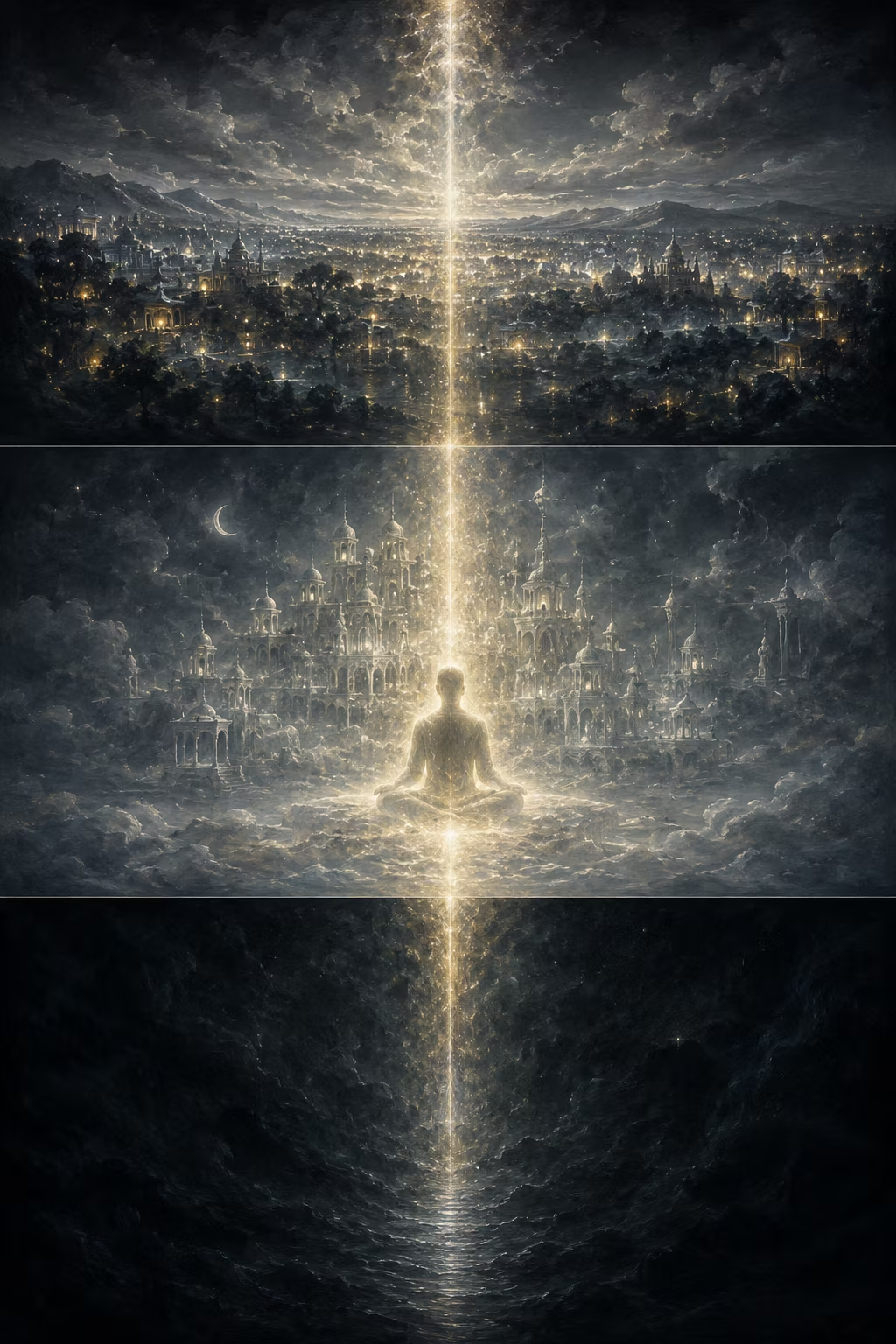
हर कोई तीन अवस्थाओं में जीता है — जागना, सपना, गहरी नींद — और शायद ही कोई पूछता है कि इन तीनों में से हर एक में उपस्थित क्या रहता है। ये पाँच सूत्र इस प्रश्न का शैव परम्परा का सबसे पुराना, सबसे साफ़ मानचित्र हैं। जागना = इन्द्रियों से जानना (१·८), स्वप्न = मन की निजी रचनाएँ (१·९), सुषुप्ति = विशुद्ध बेख़बरी — माया का ही घना रूप (१·१०)। और इन तीनों में पिरोया हुआ, कभी अनुपस्थित न होने वाला, एक चौथा है — तुर्य, 'चौथा' — जिसका स्वाद बदलती अवस्थाओं के बीच भी उन्हें भिगो सकता है (१·७)। जो तीनों को भोगना सीख लेता है — उनसे भोगा जाये बिना — उसे सूत्र 'वीरों का ईश' कहते हैं (१·११)।
Everyone lives in three states — awake, dreaming, asleep — and almost no one asks what stays present through all of them. These five sutras are the oldest and cleanest map of that question in the Shaiva tradition. Waking is sense-knowing (I.8), dream is the mind's private constructions (I.9), deep sleep is sheer non-noticing — the very stuff of maya (I.10). And threading all three, never absent, is a fourth — turya, 'the fourth' — whose taste can flood the other states even as they change (I.7). The one who learns to savour all three states without being eaten by them, the sutras crown 'lord of the heroes' (I.11).
jāgratsvapnasuṣuptabhede turyābhogasaṁbhavaḥ ॥
जाग्रत्, स्वप्न और सुषुप्ति के भेद में भी तुर्य के आभोग — उसके चमत्कार-रस — का संभव बना रहता है।
Even amid the differentiation of waking, dream and deep sleep, the relishing of turya — the fourth — remains possible, running through them all.
सरल अर्थ: तुर्य कोई चौथी 'अवस्था' नहीं जो बाक़ी तीन के बाद आये — वह तीनों में 'सर्वदशानुस्यूत' है, हर दशा में पिरोया धागा। क्षेमराज: उद्यम (१·५) में जो स्फुरत्ता कौंधी, वही तुर्य है; योगी के लिए उसका चमत्कार जागते-सोते हर भेद के बीच बना रहता है। (कुछ प्राचीन पाठ यहाँ 'संभवः' की जगह 'संवित्' पढ़ते हैं — अर्थ वही।) In simple words: Turya is not a fourth state that arrives after the other three — it is 'woven through every state' (sarvadasha-anusyuta), the thread inside each. Kshemaraja: the flash that surged in I.5 IS turya; for the yogi its relish persists through every shift of waking and sleeping. (Some old readings have samvit, 'awareness', for sambhavah here — the sense is the same.)
jñānaṁ jāgrat ॥
(इन्द्रियों से होने वाला, सबका साझा) ज्ञान ही जाग्रत् है।
Waking is (sense-born) knowing — the world held in common.
सरल अर्थ: जागने की पहचान: बाहरी इन्द्रियों से जन्मा ज्ञान, जिसका विषय सबके लिए साझा है — यह मेज़ तुम भी देख सकते हो। In simple words: The mark of waking: knowledge born through the outer senses, whose objects are public — this table you too can see.
svapno vikalpāḥ ॥
स्वप्न विकल्प हैं — मन-मात्र से जन्मी, निजी रचनाएँ।
Dream is the vikalpas — constructions born of mind alone, private to the dreamer.
सरल अर्थ: स्वप्न की पहचान: विषय निजी है — तुम्हारे सपने का महल केवल तुम्हारा है। और इसी से दिन का हर ख़याली पुलाव भी 'स्वप्न' ठहरता है — खुली आँखों देखा हुआ। In simple words: The mark of dream: its objects are private — the palace in your dream is yours alone. By the same mark, every daydream is also 'dream' — dreamt with open eyes.
aviveko māyāsauṣuptam ॥
अविवेक — न पहचान पाना — ही माया-रूप सुषुप्ति है।
Non-discernment — sheer non-noticing — is deep sleep, and that is maya itself.
सरल अर्थ: गहरी नींद की पहचान: वहाँ कुछ 'ग़लत' नहीं दिखता — दिखना ही बन्द रहता है। क्षेमराज की तीक्ष्ण बात: वही बेख़बरी माया है — और फिर वे तीनों लक्षण हर अवस्था के भीतर भी दिखा देते हैं: सपने के भीतर भी एक 'जागना', विचारों की धारा, और तत्त्व की बेख़बरी होती है। योगी के लिए भी: धारणा = जाग्रत्, प्रत्यय-प्रवाह = स्वप्न, ग्राह्य-ग्राहक भेद का लोप = सुषुप्ति। In simple words: The mark of deep sleep: nothing appears wrong there — appearing itself has stopped. Kshemaraja's sharp turn: that very non-noticing IS maya. Then he makes the map fractal: all three marks recur inside each state — even a dream has its own 'waking', its thought-stream, its blind spots. And for the yogi too: dharana is his waking, the flow of its impressions his dream, absorption beyond subject-object his sleep.
tritayabhoktā vīreśaḥ ॥
जो तीनों (अवस्थाओं) का भोक्ता है — वह वीरेश है, इन्द्रिय-वीरों का स्वामी।
The one who savours all three states is Viresha — lord of the heroes, the senses.
सरल अर्थ: दो ही सम्भावनाएँ हैं: या अवस्थाएँ तुम्हें भोगती हैं — तब क्षेमराज के शब्दों में मनुष्य 'भुज्यमान पशु' है — या तुम उन्हें भोगते हो, तुर्य-रस में भिगोकर, आनन्द की एक धारा की तरह। वह भोक्ता वीरेश है: इन्द्रियाँ अब भेद खा जाने वाले 'वीर' हैं, और वह उनका ईश। In simple words: There are only two possibilities: either the states consume you — Kshemaraja's phrase for that is 'the beast being eaten' — or you savour them, soaked in the relish of turya, as one stream of joy. That enjoyer is Viresha: the senses become 'heroes' who devour division, and he their lord.
सूत्र जाग्रत्-स्वप्न-सुषुप्ति के ठीक-ठीक पहचान-चिह्न देते हैं (१·८–१०)। यह अभ्यास बस इतना है: एक साधारण दिन में उन्हें स्वयं जाँचना — और जाँचते-जाँचते उस चौथे को पकड़ लेना जो हर बार उपस्थित था।The sutras give exact field-marks for waking, dream and sleep (I.8–10). This practice is simply to verify them in a single ordinary day — and, in the noticing, to catch the fourth that was present each time.
अवधि: Duration: एक दिन भर, बीच-बीच के क्षणों मेंThrough one day, in passing moments
क्या देखें: What to notice: अवस्थाएँ दिन भर बदलती हैं; अवस्थाओं का जानने वाला नहीं बदलता। वही अचल तुर्य है — १·७ का दावा, अपने ही दिन में जाँचने योग्य। (रात में नींद में उतरना स्वयं एक द्वार है — बहन-Hall विज्ञानभैरव इसे 'नींद की देहरी' नाम की धारणा में साधता है, उसकी गुफा ७५।)States change all day; the knower of states does not. That constant is turya — I.7's claim, checkable in your own day. (At night, the drift into sleep is itself a doorway — the sibling Vigyan Bhairav Hall guides it as 'The edge of sleep', its Room 75.)
आज रात लेटते समय एक क्षण दिन को दोहराते देखो — जागे हुए दृश्य, दिवा-स्वप्न, ख़ाली अन्तराल। एक बार पूछो: 'यह सब देखा किसने?' उत्तर शब्दों में मत दो। जो निःशब्द निश्चय शेष रहता है, वही चौथा है — और अभी वह तुम्हें सोते हुए भी देखने वाला है।
Tonight, as you lie down, watch the day replay itself for a moment — waking scenes, daydreams, blanks. Ask once: 'who watched all of it?' Do not answer in words. The wordless certainty that remains is the fourth — and it is about to watch you fall asleep.