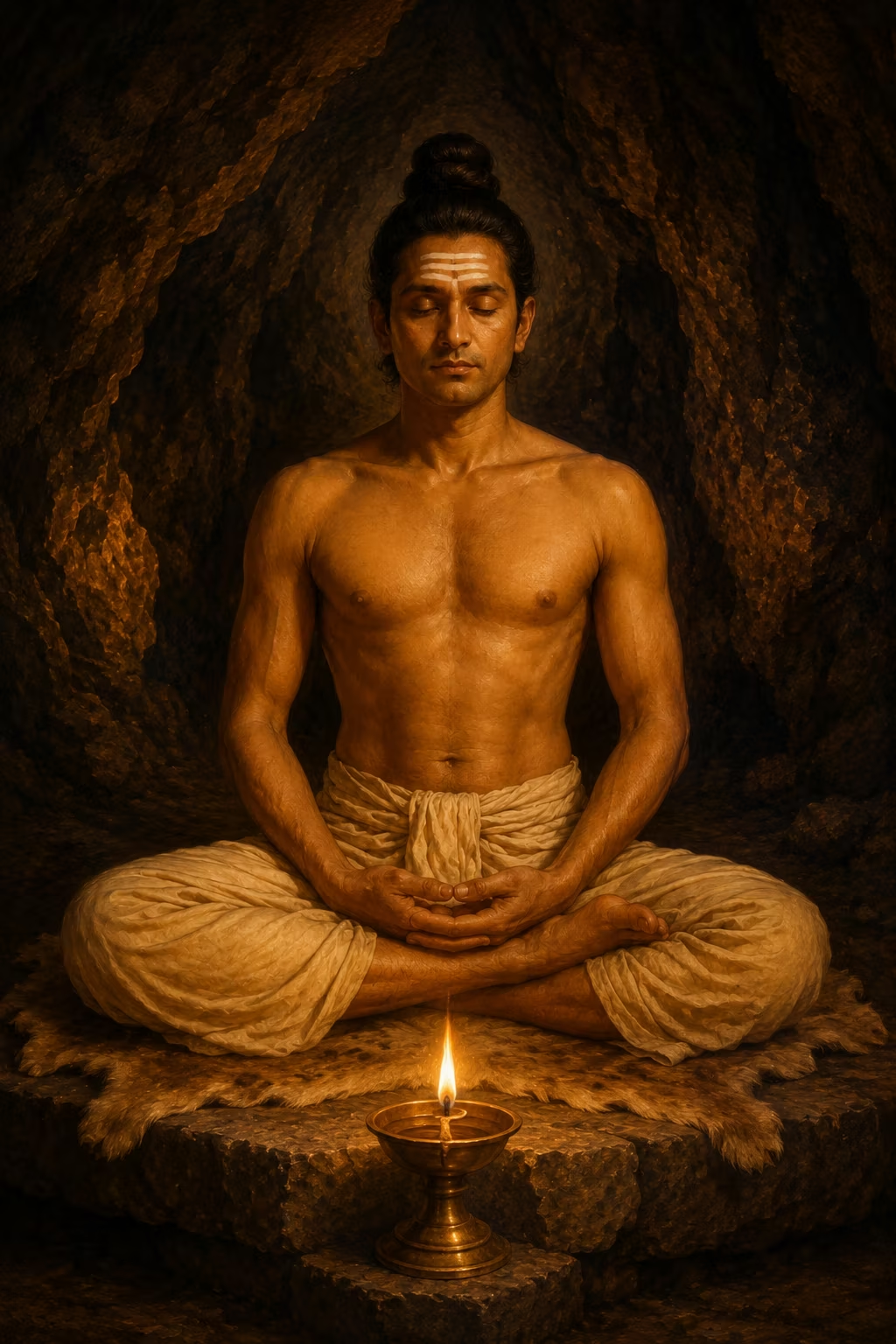
“The steady, easeful seat — the ground of the whole path.”
दीपक की लौ में स्थिर सुखद आसन — जिस पर सारा मार्ग खड़ा होता है (१·१९)।
The steady, easeful seat by lamplight — the ground on which the whole path is built (1.19).
स्वात्माराम आदिनाथ (शिव) और अपने गुरु को प्रणाम करके अपना दीपक जलाते हैं, और प्रयोजन स्पष्ट कहते हैं: हठ शिखर नहीं, राजयोग (मन की स्थिरता) तक की सीढ़ी है (१·१–३)। वे सिद्धों की परम्परा के नाम लेते हैं (१·४–९), हठ को शरण और आधार कहते हैं, और चेताते हैं कि यह विद्या गुप्त रहने पर ही बलवती है (१·१०–११)। फिर एक भी आसन से पहले भूमि रखते हैं — शान्त कुटी (१·१२–१४), योग को नष्ट करने वाली छह और सिद्ध करने वाली छह आदतें (१·१५–१६), और दस यम-दस नियम (१·१७–१८)। देह की ओर मुड़कर पहले आसन देते हैं: शिव के चौरासी में से कुछ चुने हुए (१·१९–३४), फिर सारभूत चार का नाम लेकर उन्हें विस्तार से कहते हैं — सिद्धासन, सब आसनों में श्रेष्ठ (१·३५–४५), पद्मासन (१·४६–५१), सिंहासन (१·५२–५४), और भद्रासन / गोरक्षासन (१·५५–५६)। आसन स्थिर होने पर आगे का संकेत — नाड़ी-शुद्धि, मुद्रा, प्राण, नाद (१·५७–५८) — फिर आचरण और मिताहार, हित-अहित भोजन सहित (१·५९–६६), और अन्त में महान् आश्वासन: युवा हो या वृद्ध, रोगी हो या दुर्बल — सिद्धि क्रिया (अभ्यास) से मिलती है, वेष या शास्त्र-पाठ से नहीं; और यह सब केवल राजयोग तक का साधन है (१·६७–७०)।
Svatmarama opens his lamp with a bow to Adinatha (Shiva) and to his guru, and states his purpose plainly: hatha is not the summit but the ladder to raja-yoga, the stillness of the mind (1.1–3). He names the lineage of siddhas who realized it (1.4–9), praises hatha as shelter and foundation, and warns that the knowledge stays potent only when guarded (1.10–11). Then he lays the ground before a single posture — the quiet hermitage (1.12–14), the six habits that destroy yoga and the six that perfect it (1.15–16), and the ten yamas and ten niyamas (1.17–18). Turning to the body, he gives āsana first: from Śiva's eighty-four he describes a chosen set (1.19–34) and names the four that are the essence — of which he then details siddhāsana, the chief of all seats (1.35–45), padmāsana (1.46–51), siṁhāsana (1.52–54), and bhadrāsana / gorakṣāsana (1.55–56). With the seats steady, he points to what comes next — nāḍī-cleansing, mudrā, breath, and nāda (1.57–58) — then turns to conduct and mitāhāra, the moderate diet, with its wholesome and unwholesome foods (1.59–66), and closes with the great assurance: young or old, sick or weak, it is practice — not garb, not scripture-reading — that wins success, and all of it serves only up to raja-yoga (1.67–70).
“The steady, easeful seat — the ground of the whole path.”
दीपक की लौ में स्थिर सुखद आसन — जिस पर सारा मार्ग खड़ा होता है (१·१९)।
The steady, easeful seat by lamplight — the ground on which the whole path is built (1.19).
śrī-ādināthāya namo 'stu tasmai yenopadiṣṭā haṭha-yoga-vidyā ।
vibhrājate pronnata-rāja-yogam āroḍhum icchor adhirohiṇīva ॥
उस श्रीआदिनाथ (शिव) को नमस्कार, जिन्होंने वह हठयोग-विद्या कही, जो सर्वोच्च राजयोग पर चढ़ने के इच्छुक साधक के लिये सीढ़ी के समान सुशोभित होती है।
Salutation to Adinatha (Shiva), who taught the science of hatha yoga — which shines like a staircase for one who wishes to climb to the lofty raja-yoga.
सरल अर्थ: पहले ही श्लोक में पूरी पुस्तक की दिशा: हठ अपने लिये नहीं — राजयोग (मन की स्थिरता) के लिये है। In simple words: The very first verse sets the book's whole direction: hatha is not for its own sake — it exists for raja-yoga, the stillness of the mind.
praṇamya śrī-guruṁ nāthaṁ svātmārāmeṇa yoginā ।
kevalaṁ rāja-yogāya haṭha-vidyopadiśyate ॥
श्रीगुरुनाथ को भक्तिपूर्वक प्रणाम करके योगी स्वात्माराम केवल राजयोग की प्राप्ति के लिये ही हठविद्या का उपदेश करते हैं।
Having bowed to his revered guru, the Lord, the yogi Svatmarama sets forth the science of hatha solely for the sake of raja-yoga.
सरल अर्थ: 'केवलं राजयोगाय' — शरीर-साधना का एकमात्र प्रयोजन। ग्रन्थ स्वयं कहता है कि आसन-प्राणायाम साधन हैं, साध्य नहीं। In simple words: 'Solely for raja-yoga' — the one purpose of the body's discipline. The text itself says asana and pranayama are means, never the goal.
bhrāntyā bahumata-dhvānte rāja-yogam ajānatām ।
haṭha-pradīpikāṁ dhatte svātmārāmaḥ kṛpākaraḥ ॥
अनेक मतों के गाढ़ अन्धकार में भ्रमवश जो राजयोग को नहीं जानते, उन पर कृपा करके दयालु स्वात्माराम यह 'हठप्रदीपिका' — हठ का दीपक — धारण करते हैं।
For those lost in the darkness of many conflicting opinions, not knowing raja-yoga, the compassionate Svatmarama holds up this Lamp of Hatha.
सरल अर्थ: 'प्रदीपिका' = दीपिका, दीपक। मत-मतान्तर के अँधेरे में यह ग्रन्थ राह दिखाने का प्रकाश है — इसी से इसका नाम। In simple words: 'Pradipika' means a lamp. Amid the darkness of contradictory doctrines this text is the light that shows the way — hence its name.
haṭha-vidyāṁ hi matsyendra-gorakṣādyā vijānate ।
svātmārāmo 'thavā yogī jānīte tat-prasādataḥ ॥
मत्स्येन्द्र, गोरक्ष आदि सिद्ध ही इस हठविद्या को जानते हैं; उन्हीं की कृपा से योगी स्वात्माराम ने भी इसे जाना।
Matsyendra, Goraksha and the other masters know the science of hatha; by their grace the yogi Svatmarama too has come to know it.
सरल अर्थ: यह विद्या उन्हीं सिद्ध गुरुओं की कृपा से मिलती है जो इसे धारण करते हैं — हठ केवल किताब से नहीं, गुरु-परम्परा से आता है। In simple words: This knowledge comes only by the grace of the accomplished gurus who hold it — hatha is transmitted through a living lineage, not learned from a book alone.
śrī-ādinātha-matsyendra-śāvarānanda-bhairavāḥ ।
cauraṅgī-mīna-gorakṣa-virūpākṣa-bileśayāḥ ॥
श्रीआदिनाथ, मत्स्येन्द्र, शाबर, आनन्दभैरव, चौरङ्गी, मीन, गोरक्ष, विरूपाक्ष, बिलेशय;
Sri Adinatha, Matsyendra, Shavara, Ananda-Bhairava, Chaurangi, Mina, Goraksha, Virupaksha, Bileshaya;
सरल अर्थ: यहाँ से नाथ-सम्प्रदाय के महासिद्धों की वंश-सूची आरम्भ होती है — जिन्होंने हठ को जीकर सिद्ध किया। In simple words: From here begins the roll of the great adepts of the Natha lineage — those who realized hatha by living it.
manthāno bhairavo yogī siddhir buddhaś ca kanthaḍiḥ ।
koraṇṭakaḥ surānandaḥ siddhapādaś ca carpaṭiḥ ॥
मन्थानभैरव, योगी सिद्धिबुद्ध, कन्थडि, कोरण्टक, सुरानन्द, सिद्धपाद, चर्पटि;
Manthana-Bhairava, the yogi Siddhi-Buddha, Kanthadi, Korantaka, Surananda, Siddhapada, Charpati;
सरल अर्थ: सिद्ध-सूची जारी: प्रत्येक नाम एक जीवित परम्परा की कड़ी है, कोरी पौराणिक कथा नहीं। In simple words: The roll of adepts continues: each name is a link in a living lineage, not mere legend.
kānerī pūjyapādaś ca nitya-nātho nirañjanaḥ ।
kapālī bindunāthaś ca kāka-caṇḍīśvarāhvayaḥ ॥
कानेरी, पूज्यपाद, नित्यनाथ, निरञ्जन, कपाली, बिन्दुनाथ, और काकचण्डीश्वर नामक;
Kaneri, Pujyapada, Nitya-natha, Niranjana, Kapali, Bindunatha, and he called Kakachandishvara;
सरल अर्थ: सिद्ध-सूची जारी — इन नामों में नाथ, कापालिक और अन्य धाराएँ एक साथ स्मरण की जाती हैं। In simple words: The roll of adepts continues — Natha, Kapalika, and other streams are remembered here together.
allāmaḥ prabhudevaś ca ghoḍā colī ca ṭiṇṭiṇiḥ ।
bhānukī nāradevaś ca khaṇḍaḥ kāpālikas tathā ॥
अल्लाम, प्रभुदेव, घोडा, चोली, टिण्टिणि, भानुकी, नारदेव, खण्ड, और कापालिक —
Allama, Prabhudeva, Ghoda, Choli, Tintini, Bhanuki, Naradeva, Khanda, and Kapalika —
सरल अर्थ: सूची का अन्तिम चरण; 'आदि' (इत्यादि) कहकर संकेत है कि सिद्धों की परम्परा इससे भी बड़ी है। In simple words: The close of the list; the word 'and others' hints that the lineage of adepts is larger still.
ityādayo mahāsiddhā haṭha-yoga-prabhāvataḥ ।
khaṇḍayitvā kāla-daṇḍaṁ brahmāṇḍe vicaranti te ॥
ये तथा इनके समान अन्य महासिद्ध हठयोग के प्रभाव से काल के दण्ड को तोड़कर ब्रह्माण्ड में विचरते हैं।
these and other great siddhas (adepts), by the power of hatha yoga, have broken the rod of Death and roam the universe.
सरल अर्थ: इन सबने हठ के बल पर 'मृत्यु के दण्ड' को तोड़ डाला — काल से परे हो गये; सम्पूर्ण सूची का सार यही है। In simple words: All these, by the power of hatha, broke 'the rod of Death' and passed beyond time — that is the point of the whole list.
aśeṣa-tāpa-taptānāṁ samāśraya-maṭho haṭhaḥ ।
aśeṣa-yoga-yuktānām ādhāra-kamaṭho haṭhaḥ ॥
समस्त तापों से तप्त जनों के लिये हठ आश्रय-मठ है, और समस्त योग-साधकों के लिये हठ आधार-कच्छप (दृढ़ सहारा) है।
Hatha is the sheltering monastery for those scorched by every affliction; hatha is the world-bearing tortoise, the support for all who are devoted to yoga.
सरल अर्थ: हठ दो रूपकों में: तपे हुए मन के लिये विश्राम-मठ, और साधक के लिये आधार-कच्छप (जिस पर संसार टिका माना जाता है)। In simple words: Hatha in two images: a sheltering monastery for the scorched, and the world-bearing tortoise — a firm foundation for the seeker.
haṭha-vidyā paraṁ gopyā yoginā siddhim icchatā ।
bhaved vīryavatī guptā nirvīryā tu prakāśitā ॥
सिद्धि चाहने वाले योगी को हठविद्या अत्यन्त गोपनीय रखनी चाहिये; गुप्त रखी जाने पर यह बलवती होती है और प्रकट कर देने पर निर्वीर्य (निर्बल) हो जाती है।
The science of hatha must be closely guarded by the yogi who desires success; kept secret it is potent, but made public it loses its power.
सरल अर्थ: गुप्त रखी विद्या ही बलवती रहती है; प्रचारित कर देने पर निर्बल हो जाती है — गम्भीर साधना एकान्त और संयम माँगती है। In simple words: Kept secret, the practice stays potent; broadcast, it weakens — deep sādhana asks for privacy and restraint.
surājye dhārmike deśe subhikṣe nirupadrave ।
dhanuḥ pramāṇa-paryantaṁ śilāgni-jala-varjite ।
ekānte maṭhikā-madhye sthātavyaṁ haṭha-yoginā ॥
सुशासित, धार्मिक, सुभिक्ष (अन्न की सुलभता वाले) और उपद्रव-रहित देश में, धनुष-भर प्रमाण की, पत्थर-अग्नि-जल से रहित कुटी में, एकान्त में हठयोगी को रहना चाहिये।
In a well-governed, righteous land, easy of subsistence and free from disturbance, within a hermitage a bow's length in size, clear of rock, fire, and water — there, in solitude, the hatha-yogi should dwell.
सरल अर्थ: साधना का स्थान: शान्त, सुशासित, सुलभ-अन्न, उपद्रव-रहित देश; कुटी छोटी — बस धनुष-भर (लगभग छह फुट)। In simple words: The place for practice: a peaceful, well-ordered land with food easy to get and no disturbance; the hut small — just a bow's length (about six feet).
alpa-dvāram arandhra-garta-vivaraṁ nātyucca-nīcāyataṁ samyag-gomaya-sāndra-liptam amalaṁ niḥśeṣa-jantūjjhitam ।
bāhye maṇḍapa-vedi-kūpa-ruciraṁ prākāra-saṁveṣṭitaṁ proktaṁ yoga-maṭhasya lakṣaṇam idaṁ siddhair haṭhābhyāsibhiḥ ॥
कुटी का द्वार छोटा हो; वह छिद्र, गर्त और दरार से रहित, न अधिक ऊँची न नीची, गोबर से भलीभाँति लीपी हुई, स्वच्छ और समस्त कीटों से रहित हो; बाहर मण्डप, वेदी और कुएँ से रमणीय तथा चारदीवारी से घिरी हो — हठाभ्यासी सिद्धों ने योग-मठ का यही लक्षण कहा है।
The hermitage should have a small door, be without hole, pit, or crevice, neither too high nor too low, well smeared with cow-dung, spotless and free of every insect; outside, made pleasant with a bower, an altar, and a well, and enclosed by a wall — such, say the adepts of hatha, are the marks of the yoga-hermitage.
सरल अर्थ: कुटी का ब्योरा: छोटा द्वार, दरार-रहित, गोबर से लीपी, स्वच्छ, कीट-रहित; बाहर मण्डप, वेदी, कुआँ और चारदीवारी। स्थान ही अभ्यास को साधता है। In simple words: The hut in detail: a small door, no cracks, smeared with cow-dung, spotless, free of insects; outside a bower, an altar, a well, and a wall. The place itself steadies the practice.
evaṁ vidhe maṭhe sthitvā sarva-cintā-vivarjitaḥ ।
gurūpadiṣṭa-mārgeṇa yogam eva samabhyaset ॥
समस्त चिन्ताओं से रहित होकर, ऐसी कुटी में स्थित हो, गुरु के बताये मार्ग से केवल योग का ही अभ्यास करे।
Dwelling in such a hermitage, free of every anxiety, one should practise yoga alone, by the path taught by one's guru.
सरल अर्थ: ऐसी कुटी में, सब चिन्ता छोड़कर, केवल गुरु के बताये मार्ग से योग का अभ्यास करे — अकेले, एकाग्र होकर। In simple words: In such a hut, free of all care, practise yoga only by the path the guru has shown — alone and one-pointed.
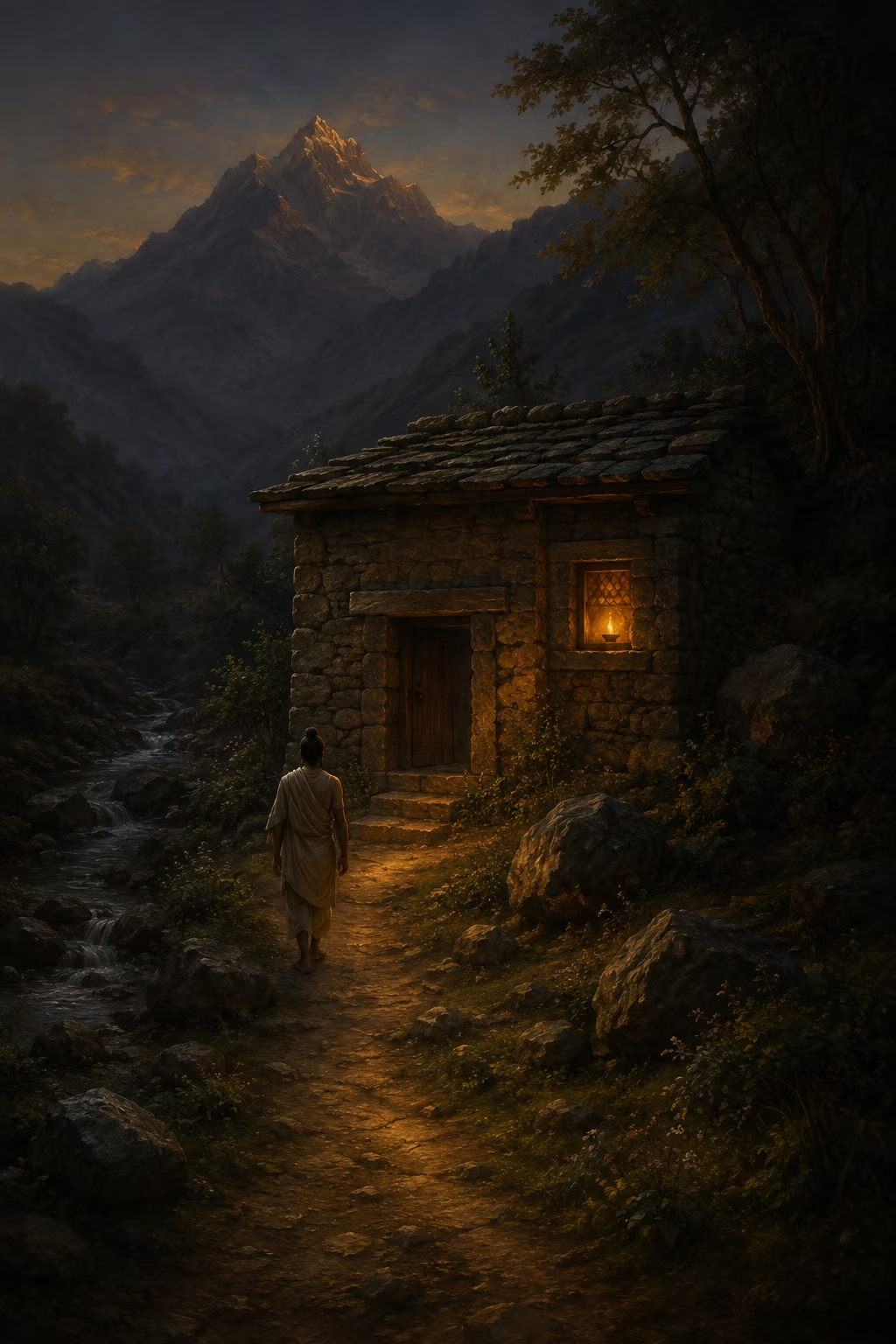
“The quiet hermitage — a secluded place to take up the practice.”
॥ १२–१४ ॥
एकान्त कुटी, छोटा द्वार, कोमल भूमि — साधना का शान्त स्थान।
A solitary hermitage with a small door in a gentle land — the secluded place the text prescribes.
atyāhāraḥ prayāsaś ca prajalpo niyamāgrahaḥ ।
jana-saṅgaś ca laulyaṁ ca ṣaḍbhir yogo vinaśyati ॥
अति-आहार, अति-परिश्रम, अधिक बोलना, नियमों का हठ (जिद), जन-संग और चंचलता — इन छह से योग नष्ट होता है।
Over-eating, over-exertion, chatter, clinging rigidly to rules, keeping company, and restlessness — by these six, yoga is destroyed.
सरल अर्थ: छह बातें योग को नष्ट करती हैं: अति-आहार, अति-श्रम, बकवाद, नियमों की जिद, संगति, और चंचलता। In simple words: Six things destroy yoga: over-eating, over-exertion, chatter, rigid clinging to rules, company-keeping, and restlessness.
utsāhāt sāhasād dhairyāt tattva-jñānāc ca niścayāt ।
jana-saṅga-parityāgāt ṣaḍbhir yogaḥ prasiddhyati ॥
उत्साह, साहस, धैर्य, तत्त्व-ज्ञान, निश्चय और जन-संग का त्याग — इन छह से योग सिद्ध होता है।
Zeal, boldness, steadfastness, discerning knowledge of the truth, resolve, and forsaking company — by these six, yoga is perfected.
सरल अर्थ: छह बातें योग को सिद्ध करती हैं: उत्साह, साहस, धैर्य, तत्त्व-ज्ञान, निश्चय, और संग-त्याग। पिछले श्लोक का ठीक उल्टा। In simple words: Six things perfect yoga: zeal, boldness, patience, knowledge of the truth, resolve, and forsaking company — the exact reverse of the previous verse.
ahiṁsā satyam asteyaṁ brahmacaryaṁ kṣamā dhṛtiḥ ।
dayārjavaṁ mitāhāraḥ śaucaṁ caiva yamā daśa ॥
अहिंसा, सत्य, अस्तेय, ब्रह्मचर्य, क्षमा, धृति, दया, आर्जव, मिताहार और शौच — ये दस यम (संयम) हैं।
Non-injury, truthfulness, non-stealing, continence, forbearance, steadfastness, compassion, uprightness, moderate diet, and cleanliness — these are the ten yamas (restraints).
सरल अर्थ: दस यम (संयम): अहिंसा, सत्य, अस्तेय, ब्रह्मचर्य, क्षमा, धृति, दया, आर्जव, मिताहार, शौच — साधना की नैतिक भूमि, आसन से भी पहले। In simple words: The ten yamas (restraints): non-injury, truth, non-stealing, continence, forbearance, steadfastness, compassion, uprightness, moderate diet, cleanliness — the ethical ground of practice, before even the postures.
tapaḥ santoṣa āstikyaṁ dānam īśvara-pūjanam ।
siddhānta-vākya-śravaṇaṁ hrīmatī ca tapo hutam ।
niyamā daśa samproktā yoga-śāstra-viśāradaiḥ ॥
तप, सन्तोष, आस्तिक्य, दान, ईश्वर-पूजन, सिद्धान्त-वाक्यों का श्रवण, लज्जा, बुद्धि, जप और हवन — योगशास्त्र के मर्मज्ञों ने इन दस को नियम कहा है।
Austerity, contentment, faith, charity, worship of the Lord, listening to the settled teachings, modesty, a discerning mind, recitation, and oblation — these the masters of the yoga-śāstra have declared to be the ten niyamas (observances).
सरल अर्थ: यम के बाद दस नियम — तप से हवन तक; साधना का आन्तरिक अनुशासन, आसन से पहले की भूमि। In simple words: After the yamas come the ten niyamas — from austerity to oblation; the inner discipline that grounds practice before posture.
haṭhasya prathamāṅgatvād āsanaṁ pūrvam ucyate ।
kuryāt tad āsanaṁ sthairyam ārogyaṁ cāṅga-lāghavam ॥
हठ का प्रथम अंग होने से आसन पहले कहा जाता है; वही आसन करना चाहिये जो स्थिरता, आरोग्य और शरीर की हलकापन दे।
Since āsana is the first limb of hatha, it is spoken of first; one should practise that posture which brings steadiness, health, and lightness of the body.
सरल अर्थ: ग्रन्थ आसन को पहला अंग कहकर आरम्भ करता है — पर प्रयोजन वही तीन: स्थिरता, आरोग्य, हलकापन (देह को राजयोग के लिये तैयार करना)। In simple words: The text opens the practice with āsana as the first limb — but its aim is those three: steadiness, health, lightness (readying the body for raja-yoga).
vasiṣṭhādyaiś ca munibhir matsyendrādyaiś ca yogibhiḥ ।
aṅgīkṛtāny āsanāni kathyante kānicin mayā ॥
वशिष्ठ आदि मुनियों और मत्स्येन्द्र आदि योगियों द्वारा अपनाये गये कुछ आसन मैं कहता हूँ।
I shall now describe some of the āsanas adopted by sages such as Vasiṣṭha and by yogis such as Matsyendra.
सरल अर्थ: यहाँ से आसनों की सूची — ऋषि-योगि परम्परा से चुनी हुई, सब चौरासी नहीं, कुछ चुनिन्दा। In simple words: From here, the list of āsanas — selected from the sage-and-yogi tradition, not all eighty-four, only a chosen few.
jānūrvor antare samyak kṛtvā pāda-tale ubhe ।
ṛju-kāyaḥ samāsīnaḥ svastikaṁ tat pracakṣate ॥
दोनों तलवों को घुटनों और जाँघों के बीच भलीभाँति रखकर, शरीर सीधा करके बैठना — इसे स्वस्तिक आसन कहते हैं।
Having carefully placed both soles between the knees and the thighs, sitting with the body erect — this they call svastika, the auspicious seat.
सरल अर्थ: स्वस्तिक — सरल, स्थिर पालथी; आरम्भी के लिये सबसे सहज बैठक। In simple words: Svastika — a simple, steady cross-legged seat; the most accessible posture for a beginner.
आसन का पहला फल स्वयं देखना: देह को इतना स्थिर और सुखी करना कि मन भीतर मुड़ सके (१·१९ — स्थैर्य, आरोग्य, लाघव)।To taste āsana's first fruit yourself: making the body steady and at ease enough that the mind can turn inward (1.19 — steadiness, health, lightness).
अवधि: Duration: २–५ मिनट (धीरे-धीरे बढ़ाओ)।2–5 minutes (lengthen slowly over time).
क्या देखें: What to notice: देखो — जैसे देह थमती है, साँस अपने-आप धीमी और मन शान्त होने लगता है। आसन का प्रयोजन यही है: स्थिर देह → स्थिर मन।Notice how, as the body stills, the breath quietens on its own and the mind settles. This is the whole point of āsana: a steady body → a steady mind.
सावधानी: Take care: घुटने या कूल्हे में खिंचाव हो तो कुशन पर ऊँचे बैठो, या कुर्सी/दीवार का सहारा लो; कभी ज़ोर न लगाओ। मयूर, कुक्कुट, उत्तान-कूर्म जैसे बलसाध्य आसन आरम्भी के लिये नहीं — वे यहाँ केवल परम्परा के अभिलेख रूप में वर्णित हैं, अभी आवश्यक नहीं; उन्हें किसी अनुभवी शिक्षक के साथ ही सीखो।If the knees or hips strain, sit up on a cushion or use a chair or wall for support; never force. Strenuous postures like mayūra, kukkuṭa, and uttāna-kūrma are not for beginners — they are recorded here for completeness, not required now; learn them only with an experienced teacher.
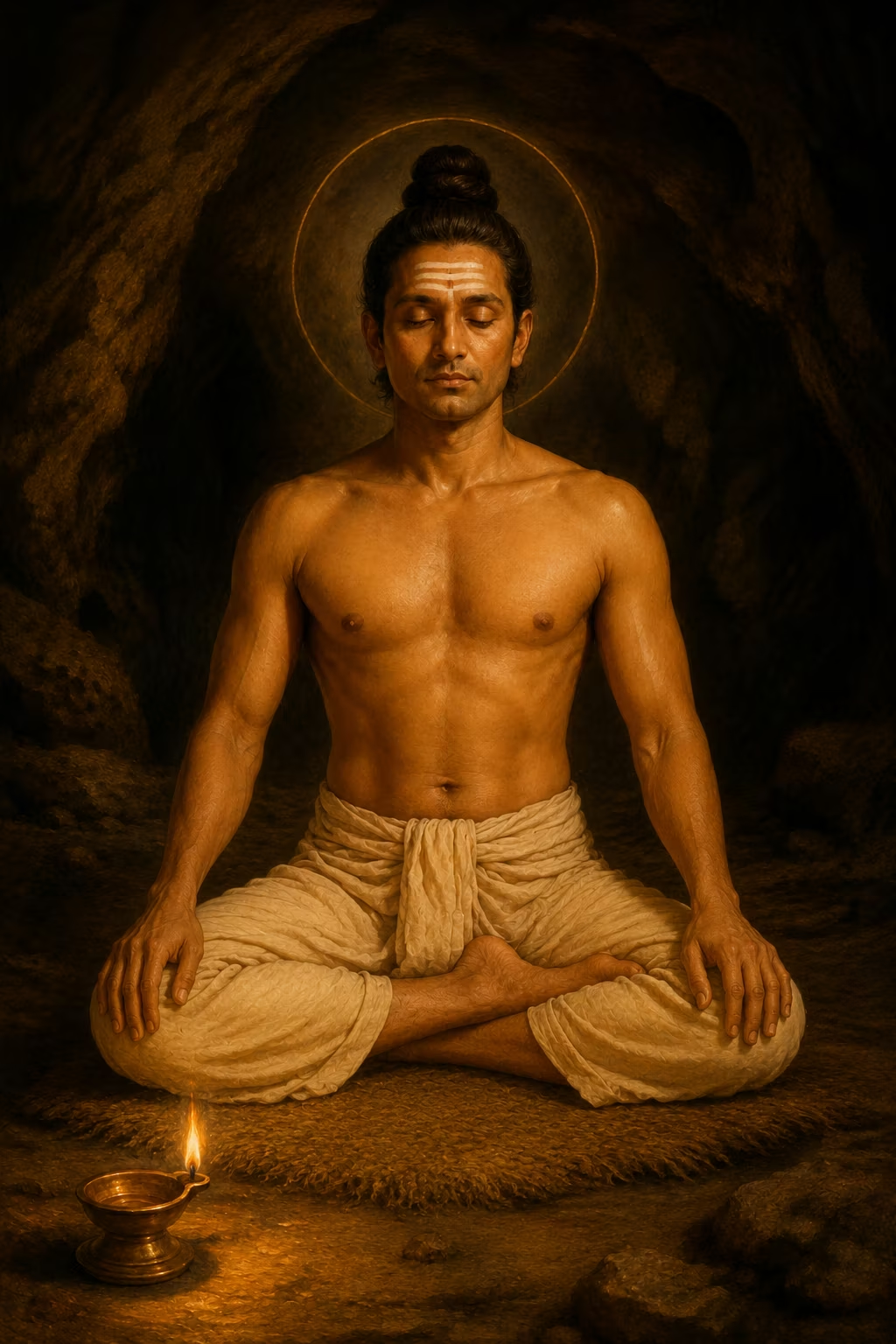
“Svastikāsana — the auspicious seat.”
॥ २१ ॥
स्वस्तिकासन — मंगलमय आसन।
Svastikāsana, the auspicious seat.
savye dakṣiṇa-gulphaṁ tu pṛṣṭha-pārśve niyojayet ।
dakṣiṇe 'pi tathā savyaṁ gomukhaṁ gomukhākṛtiḥ ॥
दाहिने टखने को बायीं ओर और बायें को दाहिनी ओर, पीछे की ओर रखे — यह गोमुख आसन है, गाय के मुख जैसी आकृति वाला।
Set the right ankle to the left side and the left ankle to the right, drawn to the back — this is gomukha, shaped like a cow's face.
सरल अर्थ: गोमुख — टखनों की स्थिति से आकृति गाय के मुख जैसी बनती है। In simple words: Gomukha — the placement of the ankles gives the shape of a cow's face.
ekaṁ pādaṁ tathaikasmin vinyased uruṇi sthiram ।
itarasmiṁs tathā coruṁ vīrāsanam itīritam ॥
एक पैर को दूसरी जाँघ पर दृढ़ता से और दूसरे पैर को भी वैसे ही उस जाँघ पर रखे — इसे वीरासन कहते हैं।
Place one foot on the opposite thigh, firm, and the other foot likewise on its thigh — this is called vīrāsana, the hero's seat.
सरल अर्थ: वीरासन — 'वीर' की बैठक; एक पैर विपरीत जाँघ पर। In simple words: Vīrāsana — the hero's seat; one foot upon the opposite thigh.
gudaṁ nirudhya gulphābhyāṁ vyutkrameṇa samāhitaḥ ।
kūrmāsanaṁ bhaved etad iti yoga-vido viduḥ ॥
दोनों टखनों से गुदा को विपरीत क्रम से रोककर, सावधान होकर बैठे — योग के ज्ञाता इसे कूर्मासन कहते हैं।
Blocking the anus with the ankles crossed in reverse, seated with composure — the knowers of yoga call this kūrmāsana, the tortoise.
सरल अर्थ: कूर्मासन — टखनों से गुदा-भाग को साधती कछुए-सी स्थिर बैठक। In simple words: Kūrmāsana — the tortoise-like steady seat, the ankles set at the perineum.
padmāsanaṁ tu saṁsthāpya jānūrvor antare karau ।
niveśya bhūmau saṁsthāpya vyoma-sthaṁ kukkuṭāsanam ॥
पद्मासन लगाकर, हाथों को घुटनों और जाँघों के बीच से भूमि पर टिकाकर शरीर को आकाश में उठा ले — यह कुक्कुटासन है।
Having assumed padmāsana, pass the hands between the knees and thighs, set them on the ground, and lift the body into the air — this is kukkuṭāsana, the cock.
सरल अर्थ: कुक्कुटासन — पद्मासन में हाथ भूमि पर टिकाकर देह को उठाना; बलसाध्य। In simple words: Kukkuṭāsana — from padmāsana, hands on the ground, lifting the body; a strenuous balance.
kukkuṭāsana-bandha-stho dorbhyāṁ sambadhya kandharām ।
bhavet kūrmavad uttāna etad uttāna-kūrmakam ॥
उसी कुक्कुटासन-बन्ध में, दोनों भुजाओं से गर्दन को बाँधकर, कछुए के समान चित लेट जाय — यह उत्तान-कूर्मासन है।
In that bound cock-posture, clasping the neck with both arms and lying stretched out like a tortoise — this is uttāna-kūrmāsana.
सरल अर्थ: उत्तान-कूर्मासन — कुक्कुटासन से गर्दन बाँधकर चित लेटा कछुआ-रूप; बलसाध्य। In simple words: Uttāna-kūrmāsana — from the cock-posture, clasping the neck and lying back like an upturned tortoise; strenuous.
pādāṅguṣṭhau tu pāṇibhyāṁ gṛhītvā śravaṇāvadhi ।
dhanur-ākarṣaṇaṁ kuryād dhanurāsanam ucyate ॥
दोनों हाथों से पैरों के अँगूठे पकड़कर कानों तक खींचे और शरीर को धनुष की भाँति झुकाये — इसे धनुरासन कहते हैं।
Catching the big toes with both hands and drawing them up to the ears, bending the body like a bow — this is called dhanurāsana, the bow.
सरल अर्थ: धनुरासन — देह को धनुष की भाँति खींचकर झुकाना। In simple words: Dhanurāsana — drawing the body into the shape of a bent bow.
vāmoru-mūlārpita-dakṣa-pādaṁ jānor bahir veṣṭita-vāma-pādam ।
pragṛhya tiṣṭhet parivartitāṅgaḥ śrī-matsyanāthoditam āsanaṁ syāt ॥
दाहिने पैर को बायीं जाँघ की जड़ में और बायें पैर को [दाहिने] घुटने के बाहर रखकर, उसे पकड़कर, शरीर को घुमाकर बैठे — यह श्रीमत्स्यनाथ का कहा आसन है।
Placing the right foot at the root of the left thigh and the left foot outside the [right] knee, grasping it and sitting with the body turned — this is the posture taught by Śrī Matsyanātha.
सरल अर्थ: मत्स्येन्द्रासन — श्रीमत्स्यनाथ (मत्स्येन्द्रनाथ) का सिखाया मरोड़ (twist) आसन। In simple words: Matsyendrāsana — the spinal-twist posture taught by Śrī Matsyanātha (Matsyendranātha).
matsyendra-pīṭhaṁ jaṭhara-pradīptiṁ pracaṇḍa-rug-maṇḍala-khaṇḍanāstram ।
abhyāsataḥ kuṇḍalinī-prabodhaṁ candra-sthiratvaṁ ca dadāti puṁsām ॥
मत्स्येन्द्र-पीठ जठराग्नि को प्रदीप्त करता है, प्रचण्ड रोगों के समूह को खण्डित करने वाला अस्त्र है, और अभ्यास से कुण्डलिनी को जगाता तथा चन्द्र (बिन्दु) को स्थिर करता है।
The matsyendra-seat kindles the digestive fire; it is a weapon that shatters the circle of fierce diseases, and by practice it awakens the kuṇḍalinī and steadies the moon-[bindu] in a person.
सरल अर्थ: इसी आसन के फल: जठराग्नि, रोग-नाश, और कुण्डलिनी का जागरण। कुण्डलिनी = भीतर की गहरी धारा — इसका असली विकास गुरु-संग में होता है। In simple words: The fruits of this posture: digestive fire, disease destroyed, and the awakening of kuṇḍalinī. Kuṇḍalinī is the deeper inner current — its true unfolding comes under a living teacher.
prasārya pādau bhuvi daṇḍa-rūpau dorbhyāṁ padāgra-dvitayaṁ gṛhītvā ।
jānūpari-nyasta-lalāṭa-deśo vased idaṁ paścima-tānam āhuḥ ॥
दोनों पैरों को भूमि पर दण्ड के समान फैलाकर, दोनों हाथों से पैरों के अगले भाग को पकड़कर, ललाट को घुटनों पर टिकाकर बैठे — इसे पश्चिमतान कहते हैं।
Stretching the feet on the ground like a staff, grasping the tips of both feet with both hands, and resting the forehead on the knees — this they call paścimatāna, the back-stretching seat.
सरल अर्थ: पश्चिमतान — पीठ का महान खिंचाव; आगे 'आसनों में श्रेष्ठ' कहा गया। In simple words: Paścimatāna — the great stretch of the back; the text calls it foremost of āsanas.
iti paścima-tānam āsanāgryaṁ pavanaṁ paścima-vāhinaṁ karoti ।
udayaṁ jaṭharānalasya kuryād udare kārśyam arogatāṁ ca puṁsām ॥
यह पश्चिमतान आसनों में श्रेष्ठ है; यह प्राण को पश्चिम (सुषुम्ना) की ओर बहाता है, जठराग्नि को प्रदीप्त करता है, उदर को कृश करता और मनुष्य को नीरोग बनाता है।
This paścimatāna, foremost of āsanas, makes the breath flow through the 'western' channel (the suṣumnā), rouses the digestive fire, slims the belly, and makes a person free of disease.
सरल अर्थ: 'पश्चिम' = सुषुम्ना; यह आसन प्राण को उसी मध्य-नाड़ी की ओर मोड़ता है — इसीलिये श्रेष्ठ। In simple words: 'Western' = the suṣumnā; this posture turns the breath toward that central channel — hence its rank.
dharām avaṣṭabhya kara-dvayena tat-kūrpara-sthāpita-nābhi-pārśvaḥ ।
uccāsano daṇḍavad utthitaḥ khe māyūram etat pravadanti pīṭham ॥
दोनों हाथों से भूमि को दबाकर, कोहनियों पर नाभि के दोनों पार्श्व टिकाकर, दण्ड के समान आकाश में ऊँचा उठा हुआ — इसे मयूर आसन कहते हैं।
Pressing the earth with both hands, resting the sides of the navel upon the elbows, and rising high, balanced like a staff in the air — this they call mayūra, the peacock.
सरल अर्थ: मयूर — भुजाओं पर सधा सन्तुलन (arm-balance); बलसाध्य आसन। In simple words: Mayūra — a balance held on the arms (arm-balance); a strenuous posture.
harati sakala-rogān āśu gulmodarādīn abhibhavati ca doṣān āsanaṁ śrī-mayūram ।
bahu kadaśana-bhuktaṁ bhasma kuryād aśeṣaṁ janayati jaṭharāgniṁ jārayet kālakūṭam ॥
यह आसन गुल्म, उदर-रोग आदि समस्त रोगों को शीघ्र हरता है, [वात-पित्त-कफ] दोषों को दबाता है, अधिक और कुत्सित भोजन को भी भस्म कर देता है, जठराग्नि जगाता है, और कालकूट जैसे विष को भी पचा देता है।
This āsana swiftly destroys all diseases such as glandular swelling and dropsy, subdues the humoral disorders, reduces even excessive and unwholesome food to ash, kindles the digestive fire, and digests even the deadly kālakūṭa poison.
सरल अर्थ: मयूर के आरोग्य-फल; 'विष तक पचा देता है' = पाचन-शक्ति का अतिशयोक्ति-अलंकार (परम्परा का कथन, cf. research-shelf)। In simple words: The health-fruits of mayūra; 'digests even poison' is a hyperbole for its digestive power (the tradition's claim; cf. research-shelf).
uttānaṁ śavavad bhūmau śayanaṁ tac chavāsanam ।
śavāsanaṁ śrānti-haraṁ citta-viśrānti-kārakam ॥
शव के समान भूमि पर चित लेट जाना — यह शवासन है। शवासन थकान हरता और मन को विश्राम देता है।
Lying flat on the back on the ground like a corpse — that is śavāsana. Śavāsana removes fatigue and brings rest to the mind.
सरल अर्थ: शवासन — एकमात्र सर्वथा विश्रामप्रद आसन; ग्रन्थ का अपना थकान-हरण। आरम्भी के लिये सबसे सुरक्षित। In simple words: Śavāsana — the one wholly restful posture; the text's own remedy for fatigue. The safest of all for a beginner.
caturaśīty-āsanāni śivena kathitāni ca ।
tebhyaś catuṣkam ādāya sāra-bhūtaṁ bravīmy aham ॥
शिव ने चौरासी आसन कहे हैं; उनमें से सारभूत चार लेकर मैं कहता हूँ।
Śiva taught eighty-four āsanas. Taking from them the four that are the essence, I now speak of them.
सरल अर्थ: चौरासी आसनों में से चार को 'सार' कहकर आगे विस्तार से कहेंगे। In simple words: Of the eighty-four, four are called the 'essence' and will be described in detail next.
siddhaṁ padmaṁ tathā siṁhaṁ bhadraṁ veti catuṣṭayam ।
śreṣṭhaṁ tatrāpi ca sukhe tiṣṭhet siddhāsane sadā ॥
सिद्ध, पद्म, सिंह और भद्र — ये चार; इनमें भी श्रेष्ठ सिद्धासन में सदा सुखपूर्वक बैठे।
The four are siddha, padma, siṁha, and bhadra. And of these too, one should always sit at ease in the best — siddhāsana.
सरल अर्थ: चार सार आसन: सिद्ध, पद्म, सिंह, भद्र — और उनमें भी सिद्धासन श्रेष्ठ (आगे १·३७–४५)। In simple words: The four essential seats: siddha, padma, siṁha, bhadra — and among them siddhāsana is best (detailed next, 1.37–45).
yoni-sthānakam aṅghri-mūla-ghaṭitaṁ kṛtvā dṛḍhaṁ vinyaset meṇḍhre pādam athaikam eva hṛdaye kṛtvā hanuṁ susthiram ।
sthāṇuḥ saṁyamitendriyo 'cala-dṛśā paśyed bhruvor antaraṁ hy etan mokṣa-kapāṭa-bheda-janakaṁ siddhāsanaṁ procyate ॥
एक पैर की एड़ी को योनि-स्थान (सीवनी) पर दृढ़ता से लगाकर, दूसरे पैर को जननेन्द्रिय के ऊपर रखे; ठोड़ी को छाती पर स्थिर करके, इन्द्रियों को वश में किये, स्थिर दृष्टि से भ्रूमध्य को देखता हुआ अचल बैठे — यह सिद्धासन है, जो मोक्ष का कपाट खोलने वाला कहा गया है।
Pressing the perineum firmly with the heel of one foot and placing the other foot above the generative organ, fixing the chin steadily on the chest, the yogi sits motionless, the senses restrained, and gazes with unmoving eyes at the space between the brows — this is siddhāsana, said to burst open the door of liberation.
सरल अर्थ: सिद्धासन का मुख्य वर्णन — एड़ी सीवनी पर, ठोड़ी छाती पर, दृष्टि भ्रूमध्य में। 'मोक्ष-कपाट-भेदक' = मुक्ति का द्वार खोलने वाला। In simple words: The main siddhāsana: heel at the perineum, chin on the chest, gaze between the brows. 'Bursting the door of liberation' names its high place among seats.
ग्रन्थ जिस एक आसन को सब आसनों में मुख्य कहता है, उसका सरल, सुरक्षित स्वाद लेना — स्थिर, सीधी, दीर्घ बैठक जो ध्यान को सहज बनाती है (१·४०–४१)।To take the simple, safe taste of the one seat the text calls chief of all — a steady, erect, sustainable sit that makes meditation easy (1.40–41).
अवधि: Duration: ५–१० मिनट (धीरे-धीरे बढ़ाओ)।5–10 minutes (lengthen gradually).
क्या देखें: What to notice: देखो — जैसे बैठक स्थिर और परिचित होती जाती है, मन का बिखराव कम और साँस स्वयं शान्त होने लगती है। ग्रन्थ इसी स्थिरता को सब आसनों का 'सार' कहता है।Notice how, as the seat becomes steady and familiar, the mind scatters less and the breath quietens by itself. This steadiness is what the text calls the 'essence' of all the seats.
सावधानी: Take care: घुटने/कूल्हे में खिंचाव हो तो कुशन पर ऊँचे या कुर्सी पर बैठो; पैर की सटीक 'शास्त्रीय' स्थिति से अधिक महत्त्व सहजता और रीढ़ की सीध का है। ⚠ इस प्रकरण में वर्णित केवल-कुम्भक, तीन बन्ध, उन्मनी, शक्ति-जागरण (१·४३–४४, ५०) साधना के फल/आगे के अंग हैं — वे यहाँ 'कैसे करें' नहीं बताये गये; उन्हें कभी स्वयं न आज़माओ, किसी जीवित योग्य गुरु के मार्गदर्शन में ही सीखो।If the knees or hips strain, sit higher on a cushion or on a chair; ease and an erect spine matter more than the exact 'textbook' foot position. ⚠ The kevala-kumbhaka, three bandhas, unmanī, and rousing of śakti mentioned in this section (1.43–44, 50) are fruits / later limbs of the practice — they are not taught 'how-to' here; never attempt them on your own, learn them only under a living, qualified teacher.
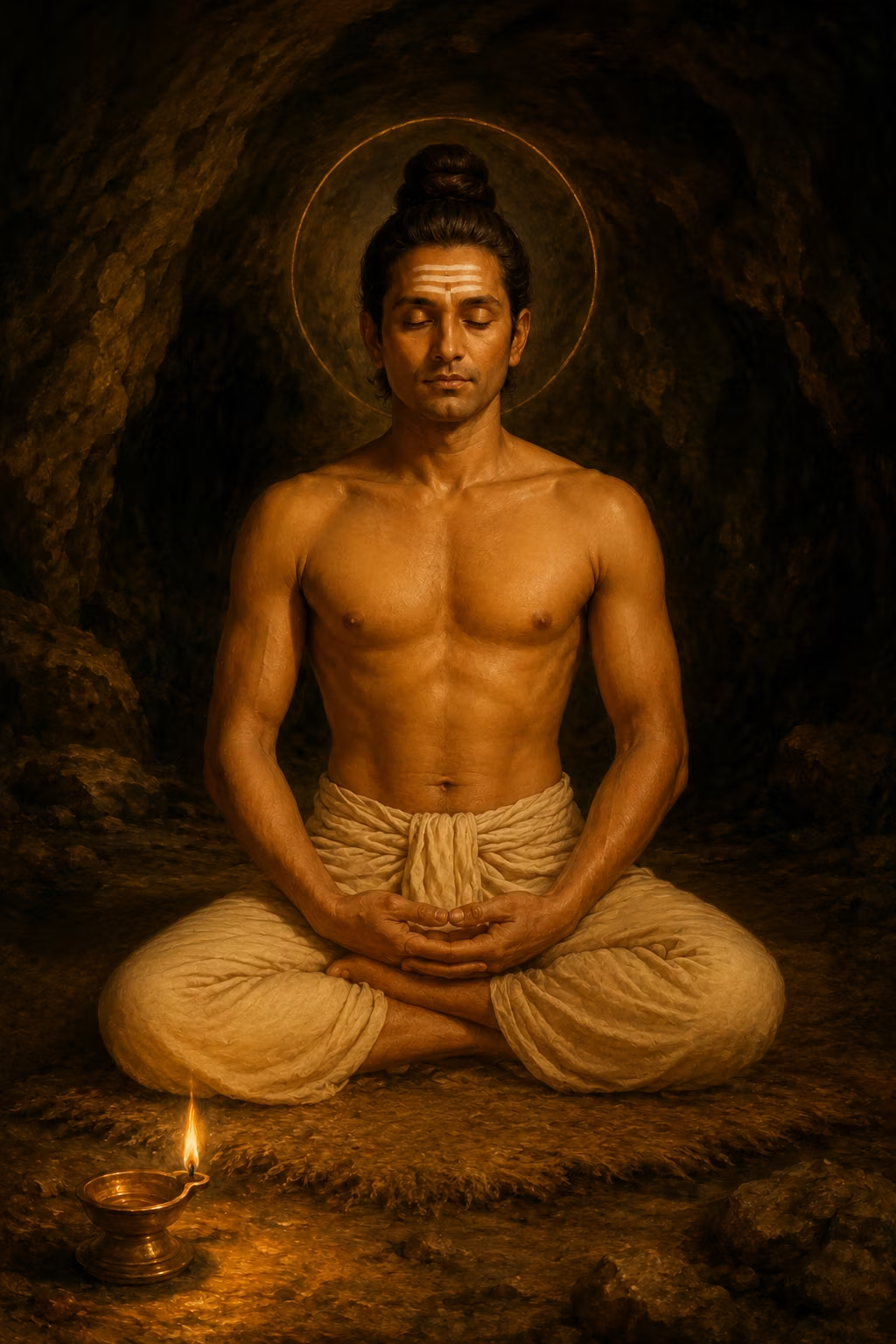
“Siddhāsana — the adept's seat, praised above all.”
॥ ३७ ॥
सिद्धासन — सब आसनों में श्रेष्ठ।
Siddhāsana, the adept's seat, praised above the rest.
meṇḍhrād upari vinyasya savyaṁ gulphaṁ tathopari ।
gulphāntaraṁ ca nikṣipya siddhāsanam idaṁ bhavet ॥
जननेन्द्रिय के ऊपर बायाँ टखना और उसके ऊपर दूसरा टखना रखने से भी यही सिद्धासन बनता है।
Placing the left ankle above the generative organ and the other ankle above that — this too is [called] siddhāsana.
सरल अर्थ: सिद्धासन का दूसरा (वैकल्पिक) रूप — पैरों की स्थिति उलट कर। In simple words: A second (alternative) form of siddhāsana, with the feet reversed.
etat siddhāsanaṁ prāhur anye vajrāsanaṁ viduḥ ।
muktāsanaṁ vadanty eke prāhur guptāsanaṁ pare ॥
इसी को कोई सिद्धासन कहते हैं, कोई वज्रासन जानते हैं; कोई मुक्तासन और कोई गुप्तासन कहते हैं।
Some call this siddhāsana, some know it as vajrāsana; some speak of it as muktāsana, and others as guptāsana.
सरल अर्थ: एक ही आसन के चार नाम: सिद्ध, वज्र, मुक्त, गुप्त — परम्पराओं का भेद, आसन एक। In simple words: One seat, four names — siddha, vajra, mukta, gupta; the traditions differ, the posture is one.
yameṣv iva mitāhāram ahiṁsā niyameṣv iva ।
mukhyaṁ sarvāsaneṣv ekaṁ siddhāḥ siddhāsanaṁ viduḥ ॥
जैसे यमों में मिताहार और नियमों में अहिंसा मुख्य है, वैसे ही सिद्ध पुरुष सब आसनों में एक सिद्धासन को मुख्य मानते हैं।
As moderate diet is chief among the yamas and non-injury among the niyamas, so the adepts know siddhāsana as the one chief seat among all āsanas.
सरल अर्थ: जैसे यमों में मिताहार, नियमों में अहिंसा — वैसे आसनों में सिद्धासन सर्वोपरि। In simple words: As mitāhāra leads the yamas and ahiṁsā the niyamas, siddhāsana leads all the seats.
caturaśīti-pīṭheṣu siddham eva sadābhyaset ।
dvā-saptati-sahasrāṇāṁ nāḍīnāṁ mala-śodhanam ॥
चौरासी आसनों में सदा सिद्धासन का ही अभ्यास करे — यही बहत्तर हज़ार नाड़ियों के मल का शोधन करता है।
Among the eighty-four seats one should always practise siddhāsana alone — it cleanses the impurities of the seventy-two thousand nāḍīs.
सरल अर्थ: सिद्धासन ७२,००० नाड़ियों को शुद्ध करता है — इसीलिये इसी का अभ्यास। In simple words: Siddhāsana purifies the 72,000 nāḍīs — hence it alone is to be practised.
ātma-dhyāyī mitāhārī yāvad dvādaśa-vatsaram ।
sadā siddhāsanābhyāsād yogī niṣpattim āpnuyāt ॥
आत्मा का ध्यान करता, मिताहारी रहता हुआ, बारह वर्ष तक निरन्तर सिद्धासन के अभ्यास से योगी सिद्धि (निष्पत्ति) प्राप्त करता है।
Meditating on the Self, sparing in diet, practising siddhāsana constantly for twelve years, the yogi attains perfection.
सरल अर्थ: आत्म-ध्यान + मिताहार + बारह वर्ष का दृढ़ अभ्यास = निष्पत्ति (सिद्धि)। समय और नियम माँगता है। In simple words: Self-meditation + moderate diet + twelve years of steady practice = perfection. It asks time and discipline.
kim anyair bahubhiḥ pīṭhaiḥ siddhe siddhāsane sati ।
prāṇānile sāvadhāne baddhe kevala-kumbhake ।
utpadyate nirāyāsāt svayam evonmanī kalā ॥
सिद्धासन सध जाने पर अन्य बहुत से आसनों से क्या प्रयोजन? प्राण-वायु के सावधानी से केवल-कुम्भक में रुकने पर उन्मनी अवस्था बिना परिश्रम स्वयं ही उदित हो जाती है।
What need of many other seats, once siddhāsana is mastered? When the vital breath is carefully held in kevala-kumbhaka, the unmanī state arises of itself, effortlessly.
सरल अर्थ: केवल-कुम्भक व उन्मनी यहाँ सिद्धासन के फल रूप में नामित हैं — ये गहरी अन्तःक्रियाएँ हैं, जो जीवित गुरु के संग सधती हैं; यह श्लोक विधि नहीं बताता। In simple words: Kevala-kumbhaka and the unmanī state are named here as fruits of siddhāsana — deep inner processes that ripen under a living teacher; the verse teaches no technique.
tathaikasminn eva dṛḍhe siddhe siddhāsane sati ।
bandha-trayam anāyāsāt svayam evopajāyate ॥
इसी एक दृढ़ सिद्धासन के सध जाने पर तीनों बन्ध बिना परिश्रम स्वयं ही उत्पन्न हो जाते हैं।
Likewise, once this one siddhāsana is firmly mastered, the three bandhas arise of themselves, without effort.
सरल अर्थ: तीनों बन्ध (मूल, उड्डियान, जालन्धर) यहाँ फल रूप में — इनका वास्तविक अभ्यास गुरु से। In simple words: The three bandhas are named here as fruits; their actual practice is learned from a teacher.
nāsanaṁ siddha-sadṛśaṁ na kumbhaḥ kevalopamaḥ ।
na khecarī-samā mudrā na nāda-sadṛśo layaḥ ॥
सिद्धासन के समान कोई आसन नहीं, केवल-कुम्भक के समान कोई कुम्भक नहीं, खेचरी के समान कोई मुद्रा नहीं, और नाद के समान कोई लय नहीं।
There is no seat like siddha, no retention like kevala[-kumbhaka], no seal like khecarī, no dissolution like [that of] nāda.
सरल अर्थ: चार श्रेष्ठताएँ: आसन में सिद्ध, कुम्भक में केवल, मुद्रा में खेचरी, लय में नाद — पूरे हठ का सार-सूत्र। In simple words: Four superlatives — siddha among seats, kevala among retentions, khecarī among seals, nāda among dissolutions; a summary thread of all hatha.
vāmoru-upari dakṣiṇaṁ ca caraṇaṁ saṁsthāpya vāmaṁ tathā dakṣoru-upari paścimena vidhinā dhṛtvā karābhyāṁ dṛḍham ।
aṅguṣṭhau hṛdaye nidhāya cibukaṁ nāsāgram ālokayed etad vyādhi-vināśa-kāri yamināṁ padmāsanaṁ procyate ॥
दाहिने पैर को बायीं जाँघ पर और बायें को दाहिनी जाँघ पर रखकर, पीछे से दोनों हाथों द्वारा [अँगूठों को] दृढ़ता से पकड़कर, ठोड़ी छाती पर लगाकर नासाग्र को देखे — यह पद्मासन है, संयमियों के रोगों का नाशक।
Placing the right foot upon the left thigh and the left upon the right, and holding the [big toes] firmly with the hands crossed behind the back, resting the chin on the chest, one should gaze at the tip of the nose — this is padmāsana, destroyer of the diseases of the self-restrained.
सरल अर्थ: पद्मासन का बद्ध-रूप (हाथ पीछे से अँगूठे पकड़े); नासाग्र-दृष्टि सहित। In simple words: The bound form of padmāsana (hands crossed behind, holding the toes), with the nose-tip gaze.
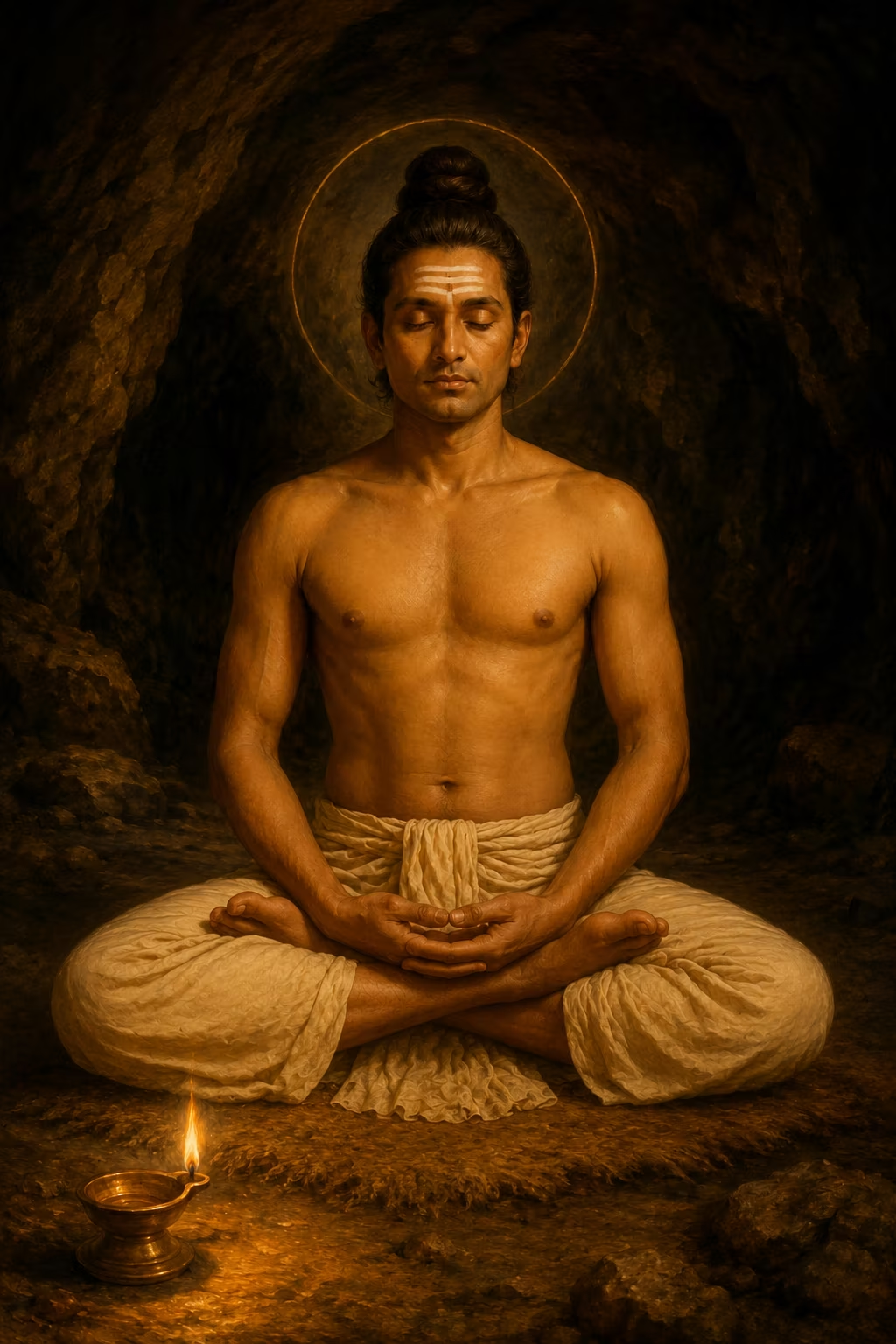
“Padmāsana — the lotus seat.”
॥ ४६ ॥
पद्मासन — कमल आसन।
Padmāsana, the lotus seat.
uttānau caraṇau kṛtvā ūru-saṁsthau prayatnataḥ ।
ūru-madhye tathottānau pāṇī kṛtvā tato dṛśau ॥
दोनों पैरों को उलटा (तलवे ऊपर) जाँघों पर यत्नपूर्वक रखकर, दोनों हाथों को भी उलटा जाँघों के बीच रखकर, फिर दोनों दृष्टियाँ —
Placing both feet, soles upward, carefully upon the thighs, and both hands, palms upward, in the lap; then the two eyes —
सरल अर्थ: पद्मासन का सरल-रूप — तलवे ऊपर, हाथ गोद में उलटे; ४७–४८ एक साथ पढ़ें। In simple words: The simple form of padmāsana — soles up, hands upturned in the lap; read 47–48 together.
nāsāgre vinyased rājad-anta-mūle tu jihvayā ।
uttambhya cibukaṁ vakṣasy utthāpya pavanaṁ śanaiḥ ॥
नासाग्र पर स्थिर करे; जीभ को आगे के [ऊपरी] दाँतों की जड़ में लगाकर, ठोड़ी छाती पर टिकाकर, धीरे-धीरे प्राण-वायु को ऊपर खींचे।
fix the gaze on the tip of the nose; press the tongue against the root of the front teeth, rest the chin on the chest, and slowly draw the breath upward.
सरल अर्थ: नासाग्र-दृष्टि, जीभ दाँत-मूल में, ठोड़ी छाती पर, प्राण को धीरे ऊपर — पद्मासन की पूर्ण मुद्रा। In simple words: Nose-tip gaze, tongue at the tooth-root, chin on chest, breath drawn gently up — the complete padmāsana posture.
idaṁ padmāsanaṁ proktaṁ sarva-vyādhi-vināśanam ।
durlabhaṁ yena kenāpi dhīmatā labhyate bhuvi ॥
यह पद्मासन समस्त रोगों का नाशक कहा गया है; दुर्लभ है — पृथ्वी पर किसी विरले बुद्धिमान् को ही प्राप्त होता है।
This padmāsana is declared the destroyer of all diseases; hard to attain, it is won on earth only by some rare wise one.
सरल अर्थ: पद्मासन सर्व-रोग-नाशक; 'दुर्लभ' = इसे सचमुच सिद्ध करना कठिन। In simple words: Padmāsana destroys all disease; 'hard to attain' = truly mastering it is rare.
kṛtvā sampuṭitau karau dṛḍhataraṁ baddhvā tu padmāsanaṁ gāḍhaṁ vakṣasi sannidhāya cibukaṁ dhyāyaṁś ca tac cetasi ।
vāraṁ vāram apānam ūrdhvam anilaṁ protsārayan pūritaṁ nyañcan prāṇam upaiti bodham atulaṁ śakti-prabhāvān naraḥ ॥
दोनों हाथों को सम्पुट बनाकर, पद्मासन में दृढ़ बैठकर, ठोड़ी को छाती पर गाढ़ लगाकर और मन में उस [तत्त्व] का ध्यान करते हुए, बार-बार अपान को ऊपर खींचकर और पूरे हुए प्राण को नीचे भेजते हुए — शक्ति के प्रभाव से मनुष्य अतुल बोध को प्राप्त करता है।
Having cupped the hands and, seated firmly in padmāsana, pressed the chin hard upon the chest and meditated on That in the mind, repeatedly drawing the apāna breath upward and, having filled [with breath], sending the prāṇa downward — by the power of the śakti a person gains matchless awakening.
सरल अर्थ: पद्मासन पर आधारित एक गहरी अन्तःक्रिया (अपान ऊपर, प्राण नीचे, शक्ति-जागरण) यहाँ फल-रूप में वर्णित — विधि गुरु-गम्य; यह पृष्ठ केवल इंगित करता है। In simple words: A deep inner process built on padmāsana (apāna up, prāṇa down, the rousing of śakti) is described here as its fruit — the method is teacher-given; this page only points to it.
padmāsane sthito yogī nāḍī-dvāreṇa pūritam ।
mārutaṁ dhārayed yas tu sa mukto nātra saṁśayaḥ ॥
पद्मासन में स्थित जो योगी नाड़ियों के द्वार से भरकर प्राण-वायु को धारण करता है, वह निःसन्देह मुक्त है।
The yogi seated in padmāsana who, filling [the lungs] through the channels, holds the breath — he is liberated; of this there is no doubt.
सरल अर्थ: पद्मासन में प्राण-धारण से मुक्ति — फल का कथन, न कि श्वास-रोध की विधि। In simple words: Liberation through holding the breath in padmāsana — a statement of the fruit, not an instruction in retention.
gulphau ca vṛṣaṇasyādhaḥ sīvanyāḥ pārśvayoḥ kṣipet ।
dakṣiṇe savya-gulphaṁ tu dakṣa-gulphaṁ tu savyake ॥
दोनों टखनों को अण्डकोष के नीचे, सीवनी के दोनों पार्श्वों में रखे — दाहिना टखना बायीं ओर और बायाँ टखना दाहिनी ओर।
Place the ankles below the scrotum, on the two sides of the perineum — the right ankle on the left side and the left ankle on the right.
सरल अर्थ: सिंहासन — टखनों की स्थिति (दायाँ बायीं ओर, बायाँ दायीं ओर)। In simple words: Siṁhāsana — the placement of the ankles (right to the left, left to the right).
hastau tu jānvoḥ saṁsthāpya svāṅgulīḥ samprasārya ca ।
vyātta-vaktro nirīkṣeta nāsāgraṁ susamāhitaḥ ॥
हाथों को घुटनों पर रखकर, अँगुलियाँ फैलाकर, मुँह खोलकर, भलीभाँति एकाग्र होकर नासाग्र को देखे।
Set the hands on the knees, spreading the fingers, and — with mouth open, well-composed — gaze at the tip of the nose.
सरल अर्थ: सिंहासन की मुद्रा: हाथ घुटनों पर, अँगुलियाँ फैली, मुँह खुला, नासाग्र-दृष्टि (सिंह-सी)। In simple words: The siṁhāsana pose: hands on knees, fingers spread, mouth open, nose-tip gaze (lion-like).
siṁhāsanaṁ bhaved etat pūjitaṁ yogi-puṅgavaiḥ ।
bandha-tritaya-sandhānaṁ kurute cāsanottamam ॥
यह सिंहासन है, श्रेष्ठ योगियों द्वारा पूजित; यह उत्तम आसन तीनों बन्धों का संधान (मिलान) कराता है।
This is siṁhāsana, honored by the foremost of yogis; this best of seats effects the joining of the three bandhas.
सरल अर्थ: सिंहासन तीनों बन्धों को साधने में सहायक — इसीलिये 'आसनोत्तम'। In simple words: Siṁhāsana aids the joining of the three bandhas — hence 'the best of seats.'
gulphau ca vṛṣaṇasyādhaḥ sīvanyāḥ pārśvayoḥ kṣipet ।
savya-gulphaṁ tathā savye dakṣa-gulphaṁ tu dakṣiṇe ॥
दोनों टखनों को अण्डकोष के नीचे, सीवनी के दोनों पार्श्वों में रखे — बायाँ टखना बायीं ओर और दाहिना टखना दाहिनी ओर।
Place the ankles below the scrotum, on the two sides of the perineum — the left ankle on the left and the right ankle on the right.
सरल अर्थ: भद्रासन — सिंहासन जैसी टखना-स्थिति, पर दोनों समान ओर। In simple words: Bhadrāsana — an ankle placement like siṁhāsana, but both to their own side.
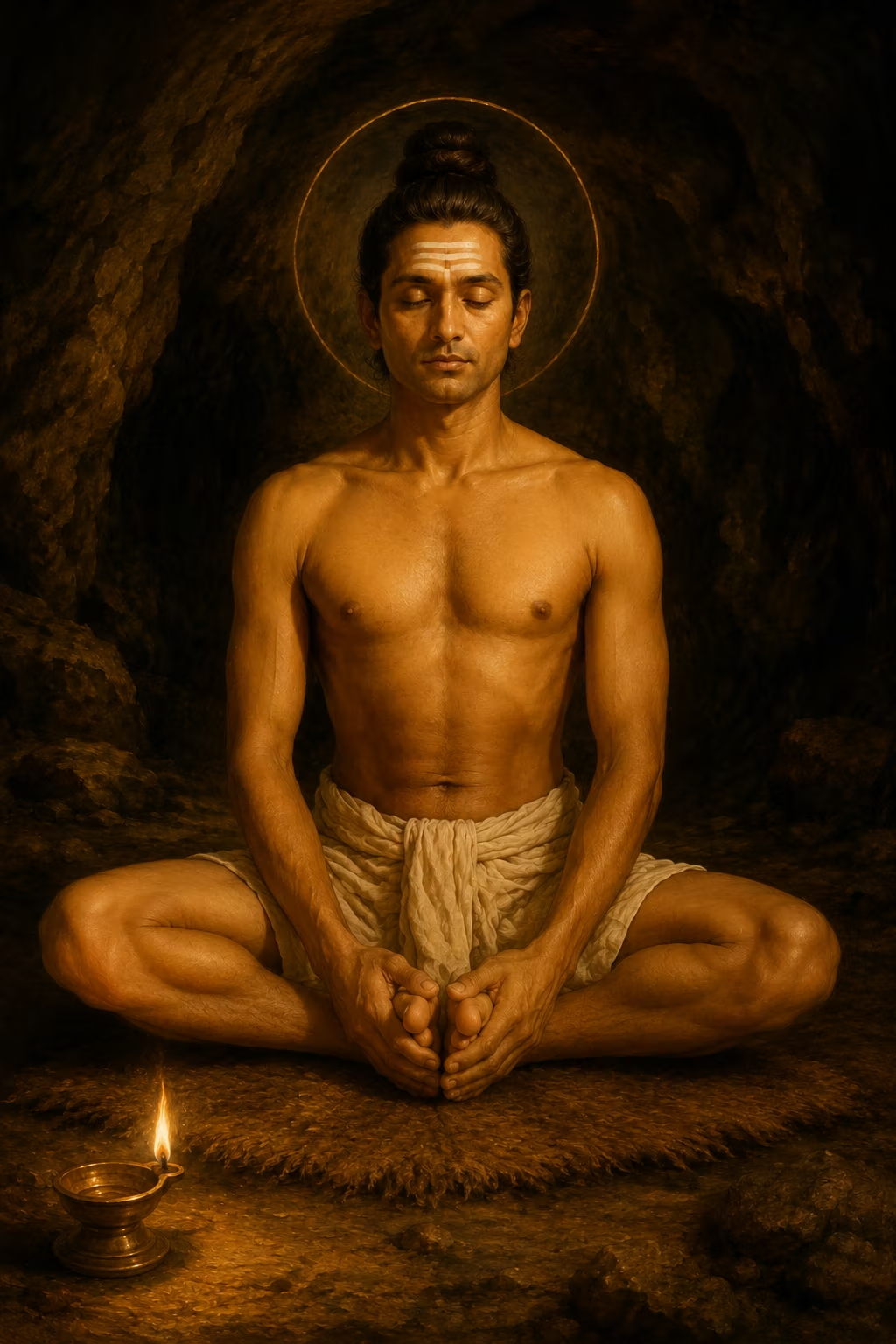
“Bhadrāsana — the gracious seat.”
॥ ५५ ॥
भद्रासन — भद्र आसन।
Bhadrāsana, the gracious seat.
pārśva-pādau ca pāṇibhyāṁ dṛḍhaṁ baddhvā suniścalam ।
bhadrāsanaṁ bhaved etat sarva-vyādhi-vināśanam ।
gorakṣāsanam ity āhur idaṁ vai siddha-yoginaḥ ॥
दोनों हाथों से पैरों के पार्श्व-भागों को दृढ़ता से बाँधकर निश्चल बैठे — यह भद्रासन है, समस्त रोगों का नाशक; सिद्ध योगी इसे गोरक्षासन कहते हैं।
Binding the sides of the feet firmly with both hands and holding still — this is bhadrāsana, destroyer of all diseases; the accomplished yogis call it gorakṣāsana.
सरल अर्थ: भद्रासन = गोरक्षासन; हाथों से पैर बाँधकर निश्चल। यहीं आसन-प्रकरण पूर्ण होता है। In simple words: Bhadrāsana = gorakṣāsana; feet bound by the hands, held still. The section on āsana closes here.
evam āsana-bandheṣu yogīndro vigata-śramaḥ ।
abhyasen nāḍikā-śuddhiṁ mudrādi-pavanī-kriyām ॥
इस प्रकार आसन और बन्धों में थकान-रहित हुआ श्रेष्ठ योगी नाड़ी-शुद्धि, मुद्रा आदि तथा प्राण की क्रियाओं का अभ्यास करे।
Thus, freed of fatigue by [steadiness in] the āsanas and bandhas, the foremost yogi should practise the cleansing of the nāḍīs, the seals (mudrā), and the breath-work.
सरल अर्थ: आसन-सिद्धि के बाद अगला चरण: नाड़ी-शुद्धि, मुद्रा, प्राण-क्रिया — पर वे आगे के उपदेशों का विषय हैं। In simple words: After steadiness in āsana, the next stage: nāḍī-purification, mudrā, breath-work — but those belong to the later teachings.
āsanaṁ kumbhakaṁ citraṁ mudrākhyaṁ karaṇaṁ tathā ।
atha nādānusandhānam abhyāsānukramo haṭhe ॥
आसन, विविध कुम्भक, मुद्रा नामक करण, और फिर नादानुसन्धान — हठ में अभ्यास का यही क्रम है।
Āsana, the various kumbhakas, the practice called mudrā, and then the listening to the inner sound (nāda) — this is the sequence of practice in hatha.
सरल अर्थ: हठ का पूरा क्रम एक पंक्ति में: आसन → कुम्भक → मुद्रा → नादानुसन्धान। यह ग्रन्थ की रूपरेखा है। In simple words: The whole sequence of hatha in one line: āsana → kumbhaka → mudrā → listening to the nāda. This is the book's own map.
brahmacārī mitāhārī tyāgī yoga-parāyaṇaḥ ।
abdād ūrdhvaṁ bhavet siddho nātra kāryā vicāraṇā ॥
ब्रह्मचारी, मिताहारी, त्यागी और योग-परायण साधक एक वर्ष में सिद्ध हो जाता है — इसमें कोई विचार (सन्देह) नहीं।
One who is continent, moderate in diet, given to renunciation, and devoted to yoga becomes an adept within a year — herein there is no doubt.
सरल अर्थ: सिद्धि की चार शर्तें: ब्रह्मचर्य, मिताहार, त्याग, योग-निष्ठा — तब एक वर्ष में फल। In simple words: Four conditions of success — continence, moderate diet, renunciation, devotion to yoga — then the fruit within a year.
su-snigdha-madhurāhāraś caturthāṁśa-vivarjitaḥ ।
bhujyate śiva-samprītyai mitāhāraḥ sa ucyate ॥
अत्यन्त स्निग्ध और मधुर आहार, [पेट का] चौथाई भाग खाली छोड़कर, शिव की प्रसन्नता के लिये अर्पणपूर्वक खाया जाय — यही मिताहार कहलाता है।
Wholesome, sweet, unctuous food, leaving a fourth [of the stomach] empty, eaten as an offering to the pleasing of Śiva — this is called mitāhāra (moderate diet).
सरल अर्थ: मिताहार की परिभाषा: स्निग्ध-मधुर, पेट चौथाई खाली, शिव-अर्पण भाव से। आरम्भी के लिये पूर्णतः सुरक्षित सूत्र। In simple words: The definition of mitāhāra: unctuous-sweet food, a quarter of the stomach left empty, eaten as an offering. A fully beginner-safe counsel.
ग्रन्थ आसन के तुरन्त बाद आहार को रखता है, क्योंकि शरीर-प्राण की स्थिरता आहार पर टिकी है। एक सरल, सुरक्षित आहार-अनुशासन अपनाना (१·५९–६६)।The text places diet right after āsana, for the steadiness of body and breath rests on food. To adopt one simple, safe dietary discipline (1.59–66).
अवधि: Duration: प्रत्येक भोजन; एक सप्ताह का प्रयोग।Every meal; a one-week experiment.
क्या देखें: What to notice: देखो — चौथाई खाली पेट और सात्त्विक-सुपाच्य भोजन से बैठक कैसे हलकी होती है, आलस्य घटता है, और प्राण शान्त रहता है। यह ग्रन्थ का अपना, स्वयं-जाँचने योग्य दावा है।Notice how a quarter-empty stomach and light, wholesome food make sitting lighter, dull heaviness recede, and the breath stay calm. This is the text's own, self-verifiable claim.
सावधानी: Take care: कोई कठोर उपवास या अति-संयम नहीं (ग्रन्थ स्वयं उपवास व शरीर-कष्ट को मना करता है, १·६४)। किसी चिकित्सा-स्थिति या विशेष आहार-आवश्यकता में अपने वैद्य/चिकित्सक से परामर्श लो।No harsh fasting or extreme restriction (the text itself warns against fasting and body-torment, 1.64). If you have any medical condition or special dietary needs, consult your physician.
kaṭv-amla-tīkṣṇa-lavaṇoṣṇa-harīta-śāka-sauvīra-taila-tila-sarṣapa-madya-matsyān ।
ājādi-māṁsa-dadhi-takra-kulattha-kola-piṇyāka-hiṅgu-laśunādyam apathyam āhuḥ ॥
अपथ्य आहार कहे गये हैं: कड़वे, खट्टे, तीखे, नमकीन और उष्ण पदार्थ; हरी [पत्तेदार] सब्ज़ी, कांजी, तेल, तिल, सरसों, मद्य, मछली, बकरी आदि का मांस, दही, छाछ, कुलथी, बेर, खली, हींग, लहसुन आदि।
Foods called unwholesome (apathya): bitter, sour, pungent, salty, and heating things; green [leafy] vegetables, sour gruel, oil, sesame, mustard, alcohol, fish, goat and other meats, curd, buttermilk, horse-gram, jujube, oil-cake, asafoetida, garlic, and the like.
सरल अर्थ: अपथ्य (त्याज्य) आहार की सूची — तीखे/खट्टे/भारी और तामसिक पदार्थ। In simple words: The list of unwholesome (to-be-avoided) foods — pungent/sour/heavy and tāmasic items.
bhojanam ahitaṁ vidyāt punar asyoṣṇī-kṛtaṁ rūkṣam ।
ati-lavaṇam amla-yuktaṁ kadaśana-śākotkaṭaṁ varjyam ॥
फिर से गरम किया हुआ, रूखा, अति-नमकीन, खट्टा, तथा बासी शाक का कुत्सित भोजन भी अहितकर जाने — इसे त्यागे।
One should also know as harmful food that which is reheated, dry, over-salty, sour, or a coarse dish of stale greens — such is to be shunned.
सरल अर्थ: बासी, दुबारा गरम, रूखा, अति-नमकीन-खट्टा भोजन भी अहितकर। In simple words: Stale, reheated, dry, over-salty-and-sour food is likewise harmful.
vahni-strī-pathi-sevānām ādau varjanam ācaret ॥
आरम्भ में अग्नि (सेंकना), स्त्री-संग और यात्रा का त्याग करे।
At the outset one should avoid fire, women, and travelling.
सरल अर्थ: आरम्भ में तीन का विशेष त्याग: अग्नि-ताप, स्त्री-संग, यात्रा (आधा-श्लोक)। In simple words: At the start, three are specially avoided: fire's heat, sexual company, and travel (a half-verse).
varjayed durjana-prāntaṁ vahni-strī-pathi-sevanam ।
prātaḥ-snānopavāsādi kāya-kleśa-vidhiṁ tathā ॥
दुर्जनों का संग, अग्नि, स्त्री-संग, यात्रा, प्रातःस्नान, उपवास आदि और शरीर को कष्ट देने वाले कर्मों का त्याग करे।
One should avoid the company of the wicked, fire, women, travelling, the early-morning bath, fasting, and [every] practice that torments the body.
सरल अर्थ: यह गोरक्ष का उद्धृत वचन है (ज्योत्स्ना में टीका-रूप); दुर्जन-संग व शरीर-कष्ट देने वाले कर्मों का त्याग। In simple words: This is a quoted saying of Gorakṣa (carried as commentary in the Jyotsnā): shun bad company and body-tormenting austerities.
godhūma-śāli-yava-ṣāṣṭika-śobhanānnaṁ kṣīrājya-khaṇḍa-navanīta-sitā-madhūni ।
śuṇṭhī-paṭola-kaphalādika-pañca-śākaṁ mudgādi-divyam udakaṁ ca yamīndra-pathyam ॥
गेहूँ, चावल, जौ, षष्टिक चावल, उत्तम अन्न, दूध, घी, खाँड, मक्खन, मिश्री, शहद, सोंठ, परवल, पाँच [उत्तम] शाक, मूँग आदि दालें, और स्वच्छ जल — ये योगीन्द्र के लिये पथ्य (हितकर) हैं।
Wheat, rice, barley, ṣāṣṭika rice, good grains, milk, ghee, raw sugar, butter, rock-candy, honey, dried ginger, the paṭola gourd, the five [approved] pot-herbs, mung and such pulses, and pure water — these are wholesome (pathya) for the best of yogis.
सरल अर्थ: पथ्य (हितकर) आहार की सूची — अन्न, दूध-घी, मधु, कोमल शाक, स्वच्छ जल। In simple words: The list of wholesome (pathya) foods — grains, milk-and-ghee, honey, gentle greens, clean water.
puṣṭaṁ su-madhuraṁ snigdhaṁ gavyaṁ dhātu-prapoṣaṇam ।
mano-'bhilaṣitaṁ yogyaṁ yogī bhojanam ācaret ॥
योगी पुष्टिकारक, अति-मधुर, स्निग्ध, गोरस से युक्त, धातुओं को पोषने वाला, मन को भाने वाला और योग्य भोजन करे।
The yogi should take food that is nourishing, sweet, unctuous, from the cow, strengthening to the tissues, agreeable, and suitable.
सरल अर्थ: सार: पुष्ट, मधुर, स्निग्ध, गोरस-युक्त, मन-भावन और योग्य भोजन ही ग्राह्य। In simple words: The gist: take food that is nourishing, sweet, unctuous, milk-based, agreeable, and suitable.
yuvā vṛddho 'ti-vṛddho vā vyādhito durbalo 'pi vā ।
abhyāsāt siddhim āpnoti sarva-yogeṣv atandritaḥ ॥
युवा हो, वृद्ध हो, अति-वृद्ध हो, रोगी हो या दुर्बल — जो आलस्य-रहित होकर अभ्यास करता है, वह सब योगों में सिद्धि पा लेता है।
Whether young, old, or very old, sick or feeble — one who practises tirelessly attains perfection in all the yogas.
सरल अर्थ: आयु या दुर्बलता बाधक नहीं — निरालस्य अभ्यास सबको सिद्धि देता है। ग्रन्थ का सार्वजनिक आश्वासन। In simple words: Age or weakness is no bar — tireless practice gives everyone success. The text's universal reassurance.
kriyā-yuktasya siddhiḥ syād akriyasya kathaṁ bhavet ।
na śāstra-pāṭha-mātreṇa yoga-siddhiḥ prajāyate ॥
क्रियाशील (अभ्यासी) को ही सिद्धि होती है; निष्क्रिय को कैसे हो? केवल शास्त्र पढ़ लेने मात्र से योग-सिद्धि नहीं होती।
Perfection comes to one engaged in practice; how could it come to the inactive? Yoga is not accomplished by merely reading the scriptures.
सरल अर्थ: 'करने' से सिद्धि, पढ़ने-भर से नहीं — अनुभव-प्रधान मार्ग का घोष। In simple words: Success comes from doing, not from mere reading — the manifesto of an experience-first path.
na veṣa-dhāraṇaṁ siddheḥ kāraṇaṁ na ca tat-kathā ।
kriyaiva kāraṇaṁ siddheḥ satyam etan na saṁśayaḥ ॥
वेष धारण करना सिद्धि का कारण नहीं, न उसकी चर्चा; क्रिया (अभ्यास) ही सिद्धि का कारण है — यह सत्य है, इसमें सन्देह नहीं।
Neither wearing the [ascetic's] garb nor talking about it is the cause of perfection; practice alone is the cause of perfection — this is the truth, beyond doubt.
सरल अर्थ: न वेष, न चर्चा — केवल क्रिया (अभ्यास) ही सिद्धि का कारण। उपदेश का मर्म-वाक्य। In simple words: Not garb, not talk — practice alone is the cause of success. The heart-line of this teaching.
pīṭhāni kumbhakāś citrā divyāni karaṇāni ca ।
sarvāṇy api haṭhābhyāse rāja-yoga-phalāvadhi ॥
आसन, विविध कुम्भक और दिव्य करण — हठ-अभ्यास में ये सब केवल राजयोग रूपी फल तक (के साधन) हैं।
The seats, the various kumbhakas, the divine practices (karaṇa) — all of these in hatha-practice serve only up to the fruit that is raja-yoga.
सरल अर्थ: उपदेश का समापन: सारे आसन-कुम्भक-करण केवल राजयोग तक के साधन हैं — वही पहला श्लोक, वही अन्तिम स्वर। In simple words: The teaching's close: all seats, retentions, and practices are means only up to raja-yoga — the same note as the first verse.
आसन-प्राण से पहले पहला काम: अभ्यास के लिये सही स्थान, सही आचरण और सही संकल्प की नींव रखना — ताकि जो भी साधना हो, वह टिके और दिशा-युक्त रहे।Before any posture or breath, the first work: to lay the ground of practice — the right place, the right conduct, the right resolve — so that whatever you practise holds, and holds its direction.
अवधि: Duration: एक बार स्थान चुनना; फिर रोज़ कुछ क्षण संकल्प दोहराना।Choosing the place once; then a few moments of resolve each day.
क्या देखें: What to notice: देखो — जब स्थान वही, समय वही और मन में एक दिशा हो, तो बैठना अपने-आप कैसे सहज और गहरा होने लगता है। भूमि ही आधी साधना है।Notice how sitting grows easier and deeper on its own when the place is the same, the time is the same, and the mind has one direction. The ground is half the practice.
आज एक ही काम: वह कोना चुनो जो तुम्हारी साधना का स्थान बनेगा — और वहाँ एक क्षण चुपचाप बैठकर मन में कहो, 'यह राजयोग के लिये है।' कल फिर वहीं बैठना। देखो, बिना कुछ 'किये' भी, एक निश्चित स्थान और एक निश्चित दिशा मन को कैसे थामने लगते हैं।
One thing today: choose the corner that will become the place of your practice — and sit there a quiet moment, saying inwardly, 'this is for raja-yoga.' Tomorrow, sit there again. Notice how, even before you 'do' anything, a settled place and a settled direction begin to steady the mind.
इति हठप्रदीपिकायां प्रथमोपदेशः ॥
इस प्रकार हठप्रदीपिका का प्रथम उपदेश — प्रणाम, सिद्ध-परम्परा, आसन, और साधक की आहार-भूमि।