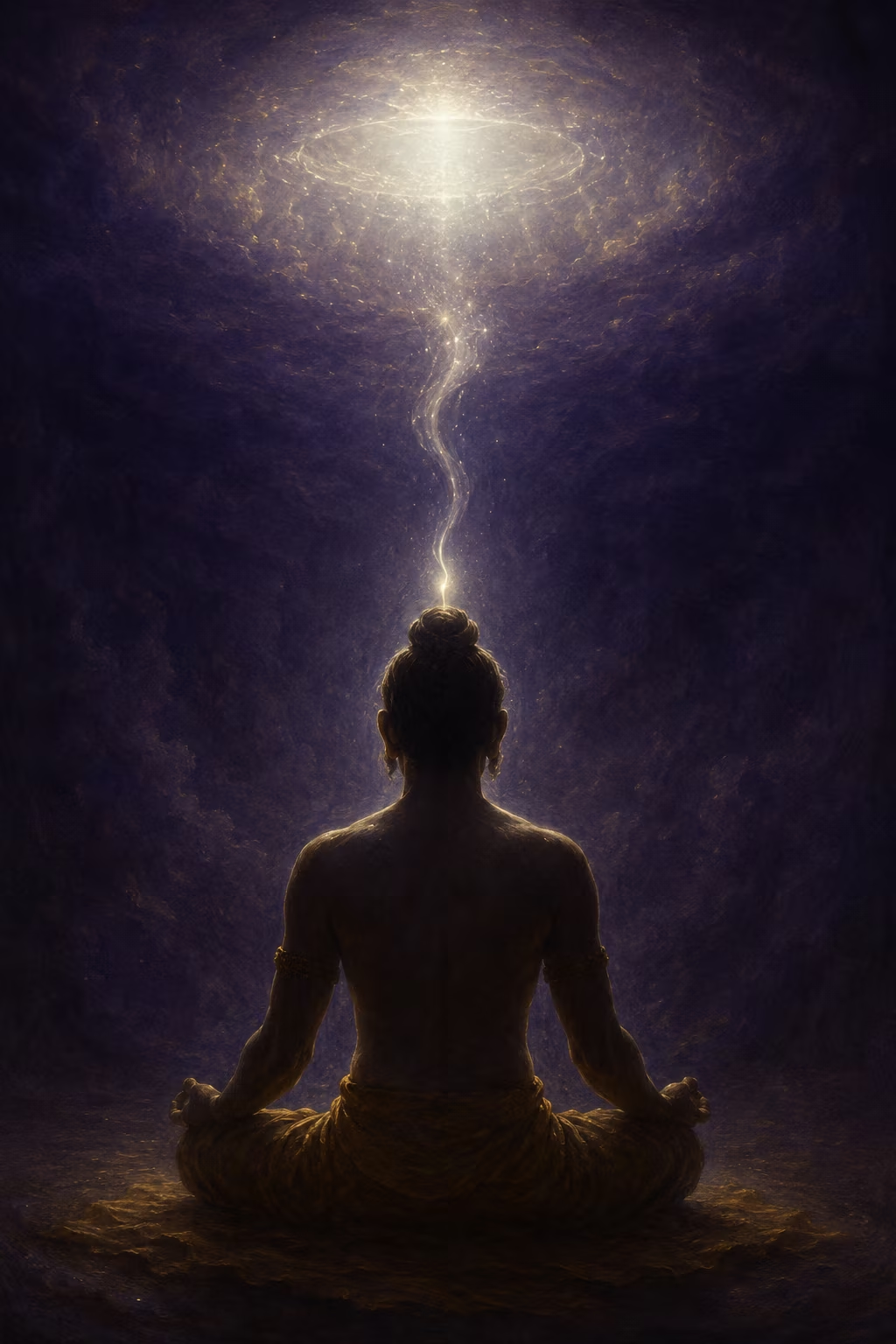
द्वादशान्त शरीर से लगभग बारह अंगुल परे की एक खुली जगह है — परम्परा में सिर के ऊपर, या उससे ठीक बाहर। श्लोक ५०: मन को उस आकाश में विलीन करने से, स्थिर-बुद्धि साधक में तत्त्व का लक्ष्य दृढ़ता से स्थापित हो जाता है। श्लोक ५१: मन को जैसे-तैसे, जहाँ-तहाँ, बार-बार वहाँ डालो; ज्यों-ज्यों मन की वृत्तियाँ क्षीण होती हैं, कुछ ही दिनों में एक उल्लेखनीय परिवर्तन आता है। कोमल सजगता के रूप में खुली जगह में टिकना सुरक्षित और सुन्दर है; किसी भीतरी केन्द्र पर बलपूर्वक ऊर्जा-केन्द्रण के रूप में यह सूक्ष्म-शरीर साधना बन जाती है जिसके लिए गुरु आवश्यक है (सावधानी देखें)।
The dvadashanta is a point of open space about twelve finger-widths beyond the body — classically above the crown, or just outside it. Verse 50: by dissolving the mind into that space, for one of steady mind the goal of Reality grows firmly established. Verse 51: cast the mind there however and wherever you can, again and again; as the mind's fluctuations thin, a remarkable change comes about within days. As gentle attention resting in open space, this is safe and beautiful; worked as a forced energetic focus on an inner centre, it becomes subtle-body work that needs a teacher (see the safety note).
sarvataḥ svaśarīrasya dvādaśānte manolayāt ।
dṛḍhabuddher dṛḍhībhūtaṃ tattvalakṣyam pravartate ॥
अपने शरीर से सब ओर परे, द्वादशान्त में मन के लय से — स्थिर-बुद्धि साधक में तत्त्व का लक्ष्य दृढ़ होकर प्रकट होता है।
By dissolving the mind into the dvadashanta — the open space beyond the body on every side — for one of firm mind, the goal of Reality becomes firmly established.
yathā tathā yatra tatra dvādaśānte manaḥ kṣipet ।
pratikṣaṇaṃ kṣīṇavṛtter vailakṣaṇyaṃ dinair bhavet ॥
जैसे-तैसे, जहाँ-तहाँ, मन को द्वादशान्त में डालो; प्रतिक्षण ऐसा करते रहने से, जिसकी वृत्तियाँ क्षीण हो गईं उसमें कुछ ही दिनों में एक उल्लेखनीय (असाधारण) परिवर्तन आ जाता है।
However and wherever you can, cast the mind into the dvadashanta; doing so moment by moment, for one whose mental fluctuations have thinned, a remarkable change comes about within days.
चंचल मन को शुद्ध खुली जगह में घर देकर विश्राम देना — द्वादशान्त, शरीर से ठीक परे, सिर के ऊपर का खुलापन। जब-जब तुम मन को वहाँ रखकर घुलने देते हो, उसके पास पकड़ने को कुछ नहीं रहता, और वह स्थिर होता है; दिनभर हल्के-हल्के दोहराने पर वह धीरे-धीरे शान्त और स्वच्छ हो जाता है।To rest the restless mind by giving it a home in pure open space — the dvadashanta, the spaciousness just beyond the body, above the crown. Each time you set the mind there and let it dissolve, it has nothing to grip, and it steadies; repeated lightly through the day, it gradually grows calm and clear.
पूर्व तैयारी: Before you begin: आराम से बैठो, आँखें कोमलता से मूँदी हुई। कोई श्वास-नियन्त्रण नहीं।Sit comfortably, eyes gently closed. No breath control.
अवधि: Duration: १० मिनट की बैठक, साथ ही दिनभर छोटे-छोटे क्षण; प्रभाव कुछ दिनों में बढ़ता है।10 minutes sitting, plus brief tosses through the day; effects build over days.
क्या देखें: What to notice: ध्यान दो कि जब-जब मन खुली जगह में घुलता है, क्षणभर उसके पास पकड़ने को कुछ नहीं रहता, और एक स्वच्छ स्थिरता खुलती है। हल्के और बार-बार करने पर चंचलता दिन-ब-दिन घटती है — श्लोक का 'कुछ दिनों में उल्लेखनीय परिवर्तन।'Notice that each time the mind dissolves into open space it briefly has nothing to grip, and a clear stillness opens. Done lightly and often, the restlessness thins day by day — the verse's 'remarkable change in a few days.'
सावधानी: Take care: यह कोमल सजगता का खुली जगह में टिकना है — श्वास पर ज़ोर या किसी केन्द्र की ओर ऊर्जा चढ़ाना नहीं। किसी भीतरी बिन्दु पर बलपूर्वक ऊर्जा/कुण्डलिनी-केन्द्रण के रूप में द्वादशान्त सूक्ष्म-शरीर साधना बन जाती है जिसे जीवित गुरु से सीखना चाहिए। यदि सिर में दबाव, गर्मी या भारीपन लगे, तो रुको, ढीला करो, और सजगता को हृदय या सामान्य श्वास पर लौटा दो।This is SOFT attention resting in open space — not forcing the breath or driving energy up to a centre. Worked as a forced energetic / kundalini focus on an inner point, the dvadashanta becomes subtle-body practice that should be learned from a living teacher. If you feel pressure, heat, or heaviness in the head, stop, soften, and rest your attention back at the heart or the ordinary breath.
आज कुछ बार, मन को सिर के ठीक ऊपर की खुली जगह में कोमलता से डालो और उसे वहाँ घुलने दो — और हर बार खुलती उस छोटी, स्वच्छ शान्ति को देखो। कि मन किसी वस्तु के बजाय खुलापन पाकर ही बैठ जाता है — यही श्लोक का तुम्हारे अपने दिनों में प्रमाण है। करके देखो; फिर स्वयं देखो।
A few times today, gently toss the mind into the open space just above your head and let it dissolve there — and notice the small, clear quiet that opens each time. That the mind settles simply by being given spaciousness instead of an object is the verse, tested in your own days. Try it; then see for yourself.